



Small Side Chair
A small antique side chair offers compact seating with period character, perfect for filling an awkward corner or pulling up to a desk.
Small Side Chair
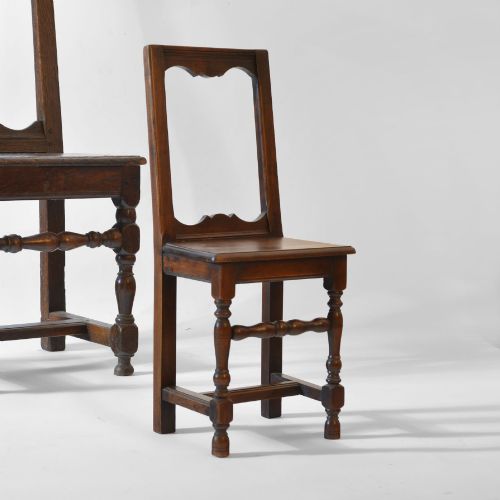
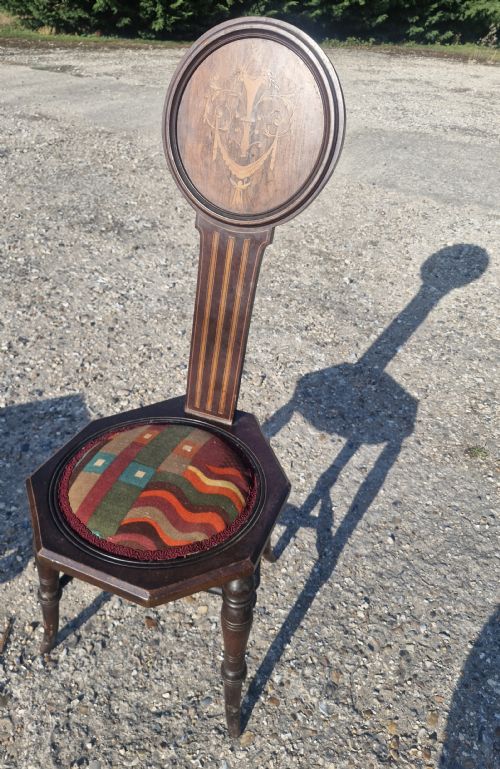
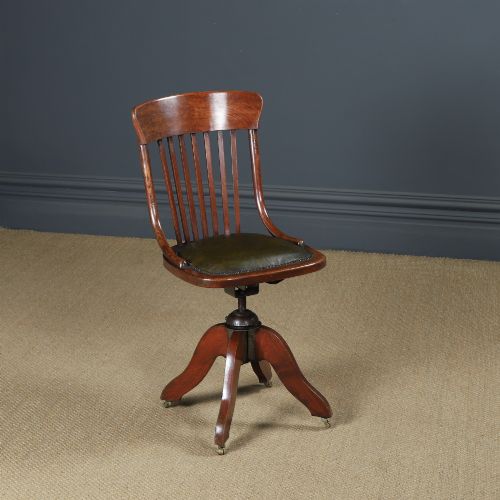
A small antique side chair is a compact seating option designed to fit into tight spaces without dominating a room. When you search for this phrase, you will encounter diverse forms ranging from bedroom chairs and desk chairs to children's seating and spinning chairs.
The selections span multiple centuries and stylistic traditions, including Victorian, Edwardian, and George V periods. Common iterations feature specific regional styles such as French Chateau, Italian Country, and Victorian Country.
These pieces function equally well as occasional seating in a parlour or as functional additions to a home office. Their reduced proportions distinguish them from standard dining or lounge seating.
Materials and Construction
Cabinetmakers utilised traditional timber species like mahogany, oak, walnut, beech, and rosewood to build sturdy frames. Structural integrity often relied on traditional joinery techniques suited to each specific stylistic period.
Seating surfaces incorporate a variety of traditional materials, including leather, fabric, cane, rush, and papier mache. Brass hardware frequently appears on swivel or revolving desk models from the early twentieth century.
Small Side Chair Retail Price Guide 2026
Typical asking prices for small side chair among the pieces listed under this phrase on Sellingantiques today, from the lower quarter to the upper quarter. They describe what is for sale here now, not the wider market.
Materials recorded across the archive include mahogany, oak, walnut, beech, rosewood, leather, fabric, cane, rush, brass, and papier mache.
Assessing Quality and Craftsmanship
The distinction between standard and superior pieces rests on the crispness of carved details and the selection of timber. Finer examples retain original show-woods and period upholstery methods rather than modern replacements.
Structural stability and the preservation of original surfaces dictate the desirability of a piece. Subtle variations in turning, joinery execution, and the integration of secondary woods reveal the care taken by the original maker.
Howard and Sons
The Small Side Chair Glossary
- Bergere
- An enclosed upholstered armchair with wooden frames, often featuring cane work on the sides and back.
- Spinning chair
- A low-seated chair traditionally used for spinning wool or flax, frequently featuring a heavily carved back.
- Campaign chair
- A portable folding chair designed for travel and military use during the nineteenth century.
- Papier mache
- A composite material made from paper pulp or sheets mixed with glue, pressed and dried to form rigid decorative objects and furniture frames.
Small Side Chair: Frequently Asked Questions
Where should I place a small side chair?
These compact seats fit easily into narrow hallways, beside a fireplace, or tucked into a bedroom corner. Their diminutive scale ensures they provide function without crowding the floor plan.
They also serve well as occasional desk chairs or as decorative accents in sitting rooms where larger furniture proves impractical.
How do I identify a Victorian side chair?
Victorian pieces typically display darker hardwoods like mahogany or rosewood, often featuring rich upholstery or carved ornamentation. Look for dense timber grains and traditional joinery methods characteristic of the nineteenth century.
Proportions tend to be heavier than earlier Georgian examples, reflecting the industrial capabilities and stylistic preferences of the Victorian era.
Are children's chairs usable today?
Most antique children's chairs function primarily as decorative display items or collectible objects rather than everyday seating for modern children. Their petite dimensions and historical construction require gentle treatment.
Collectors prize them for their accurate miniature scaling and the quality of craftsmanship applied to smaller formats.
What defines an Edwardian spinning chair?
Edwardian spinning chairs feature low seats and upright, heavily carved backs designed to keep the worker close to the spinning wheel. These pieces often exhibit regional motifs and intricate relief carving on the wooden backrest.
Their narrow profile makes them particularly useful for filling awkward, shallow spaces in a room.