




Victorian Slat Back Chairs
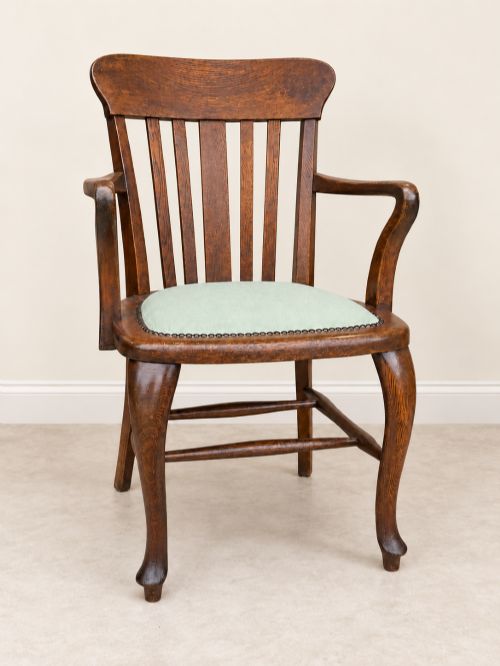
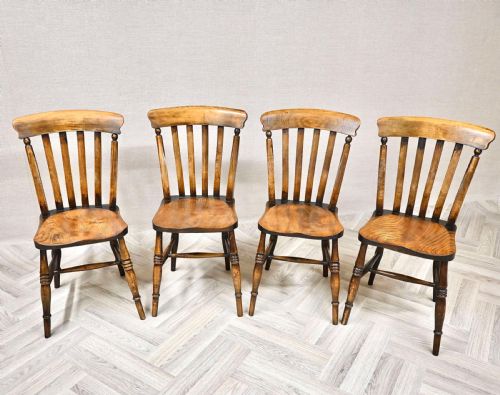
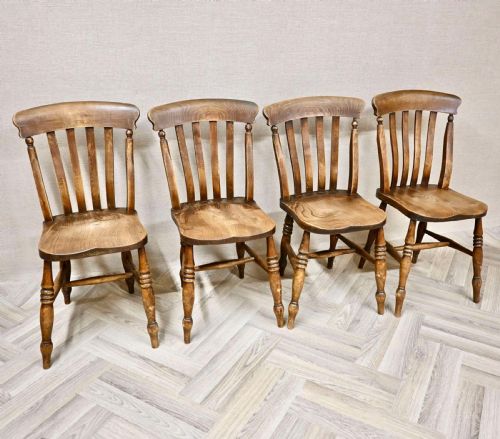
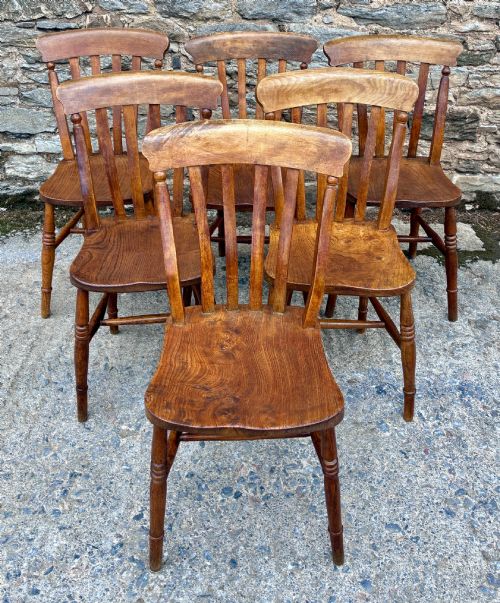
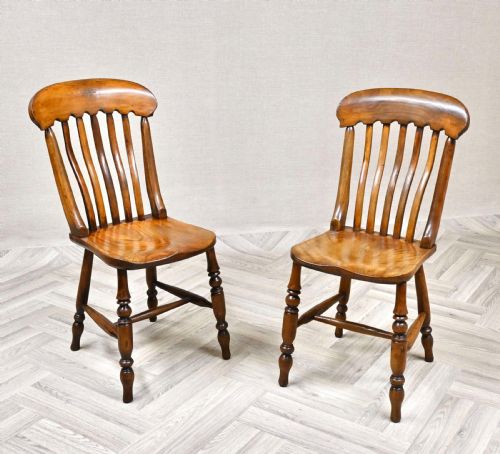
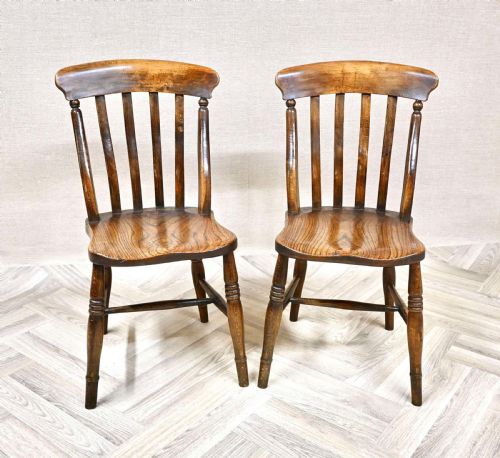
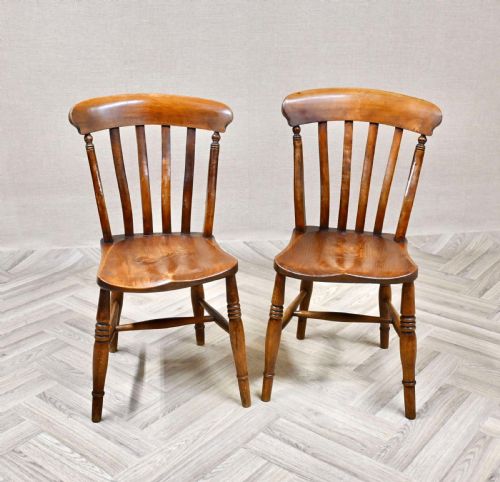
These robust victorian slat back chairs combine everyday utility with honest nineteenth century vernacular design, serving as practical seating that anchors a rustic room.
Victorian Slat Back Chairs
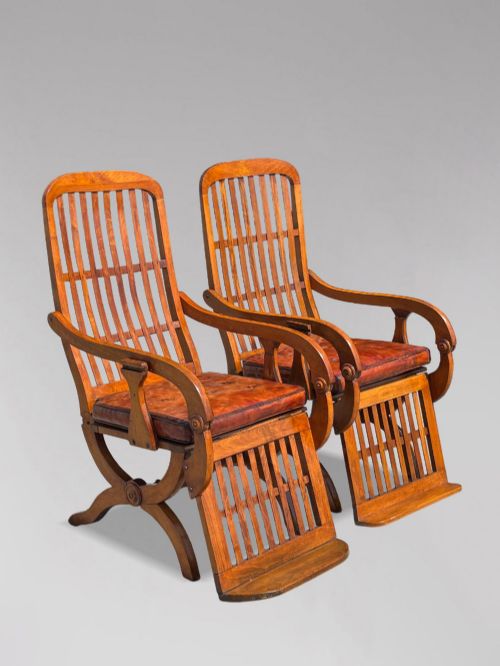
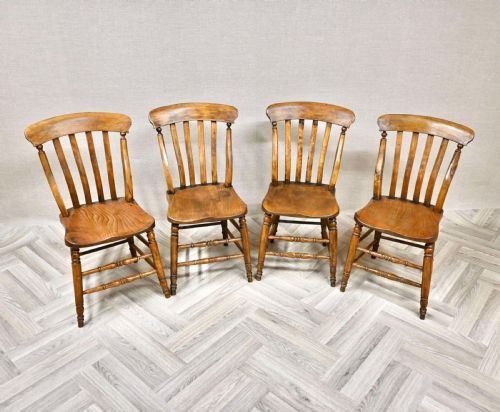
When you search for victorian slat back chairs, you encounter practical seating originating from nineteenth century farmhouses, kitchens, and country workshops. These pieces appear primarily as dining chairs, kitchen chairs, and fireside armchairs designed for daily domestic use.
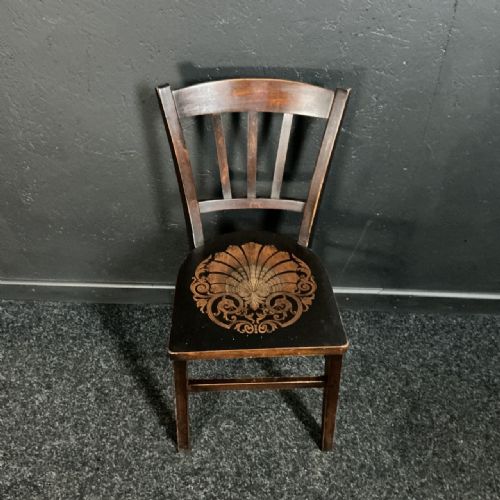
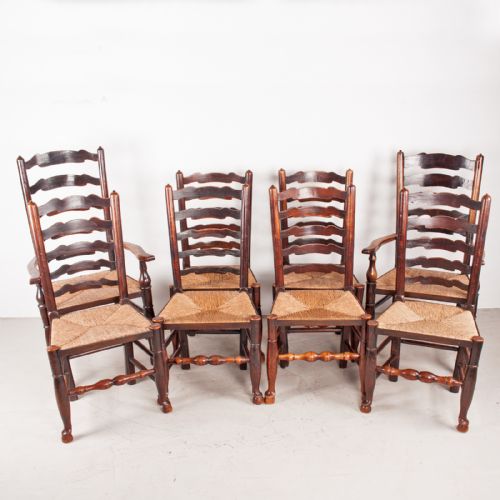
The selections on this page lean heavily toward nineteenth century country vernacular forms, including Windsor variations and ladderback designs. Many examples originate from provincial workshops where local makers utilised native timber for domestic utility.
Materials and construction
Maker construction relies on contrasting timbers, commonly pairing solid elm seats with ash, beech, or walnut for spindles, legs, and frames. This traditional combination provides structural strength where the seat takes the greatest weight while maintaining slender turned supports.
Joinery methods involve Windsor and ladderback techniques, often incorporating shaped wooden slats, turned spindles, and occasionally rush or leather seating. Workshop production emphasises durability through pegged joints and steam-bent components rather than elaborate decoration.
Listings demonstrate a strong prevalence of elm, beech, and ash timbers across nineteenth century country dining and kitchen forms.
Markers of quality
Quality differences rest in timber selection, the crispness of the spindle turnings, and the preservation of original surfaces. A superior example displays well-figured elm seating and tight, uncompromised joinery that has survived decades of heavy use.
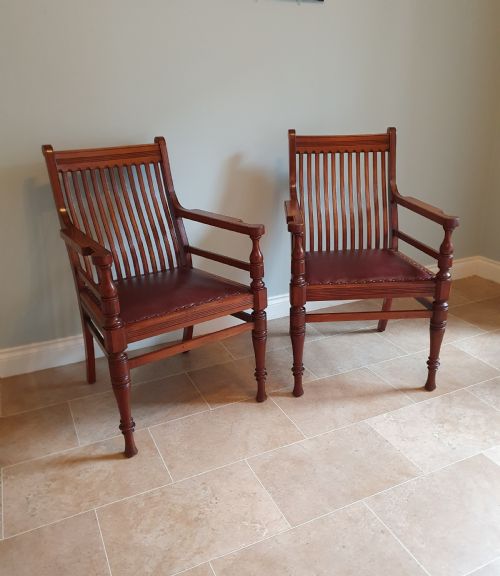
Proportion and comfort distinguish better pieces from ordinary utilitarian seating. Refined arm shapes, balanced slat arrangements, and harmonious sets demonstrate greater maker skill than mismatched or overly repaired provincial items.
E W Godwin·James Shoolbread
The Victorian Slat Back Chairs Glossary
- Lath back
- A chair design featuring horizontal or vertical wooden slats set into the backrest, often associated with Windsor forms. This construction provides robust support while remaining relatively light.
- Windsor
- A traditional chair style built with a solid wooden seat into which the legs and back sticks are independently inserted. Regional variations include hoop backs and low backs.
- Ladderback
- A tall chair back constructed from horizontal arched wooden rails stacked vertically between two upright posts. These frames commonly support woven rush seating.
- Vernacular
- Everyday objects made by regional craftsmen following local traditions rather than high-style academic designs. These pieces prioritise function and local material availability.
- Rush
- Dried marsh grass twisted into cords and woven tightly to form traditional chair seats. This material offers a resilient and flexible surface for sitting.
Victorian Slat Back Chairs: Frequently Asked Questions
What defines victorian slat back chairs?
These seating forms feature distinct wooden slats or spindles arranged within the backrest for domestic utility. They emerge primarily from nineteenth century country and kitchen environments.
Craftsmen built them using regional timbers like elm, ash, and beech to withstand heavy daily use. Their utilitarian design makes them enduring staples of farmhouse and vernacular interiors.
How do I care for rush seats?
Preserve rush seating by keeping the material dry and avoiding direct exposure to strong heat sources. Regular gentle dusting prevents dirt from accumulating within the woven cords.
Applying occasional moisture control helps maintain the natural flexibility of the dried grass. Proper environmental care prevents the woven strands from becoming brittle over time.
Are these chairs suitable for dining?
These seating options serve dining purposes exceptionally well due to their sturdy timber construction and supportive backrests. Many survive today precisely because their robust frames withstand regular mealtime use.
Matching sets or harlequin groups provide functional character around a kitchen or dining table. Their enduring ergonomics make them practical for contemporary seating needs.
How are different periods identified?
Period identification relies on observing timber choices, turning styles, and construction wear patterns. Nineteenth century pieces often show hand-turned spindles and heavy elm seats shaped by adze work.
Later Victorian and Edwardian examples may introduce bentwood techniques or refined mahogany frames. Comparing these structural details reveals the manufacturing era.