


Traditional Elm Country Chairs
Traditional elm country chairs are robust vernacular seats built for everyday domestic and farm life, offering honest timber construction and regional British character.
Traditional Elm Country Chairs
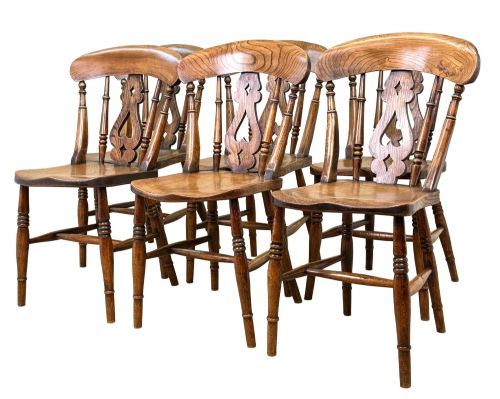
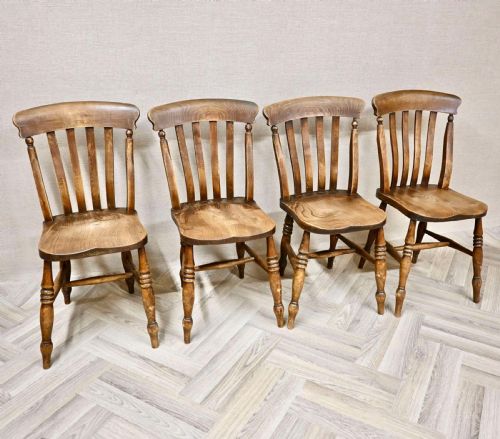
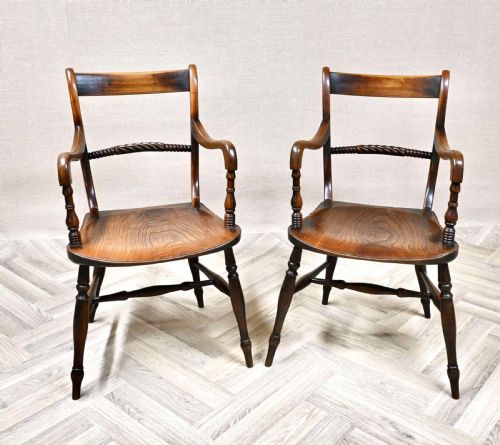
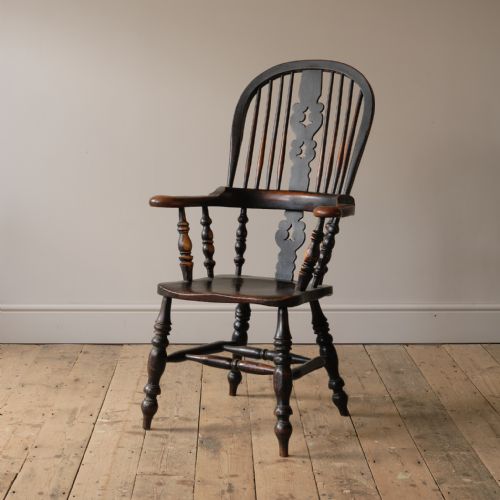
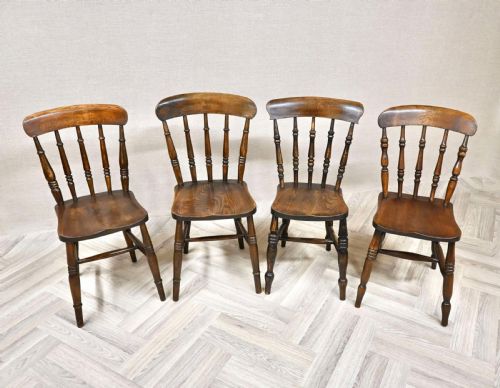
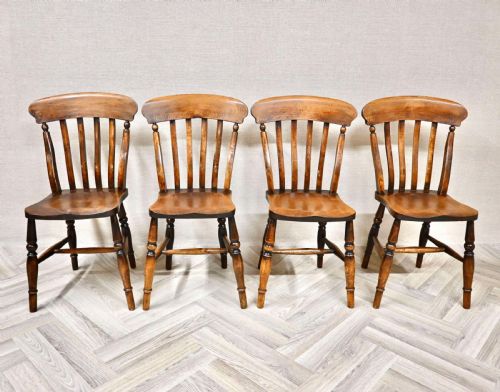
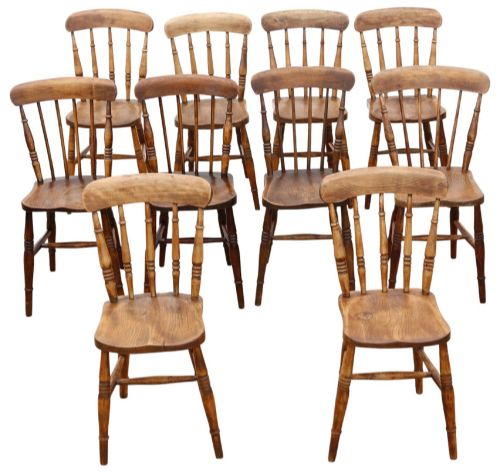
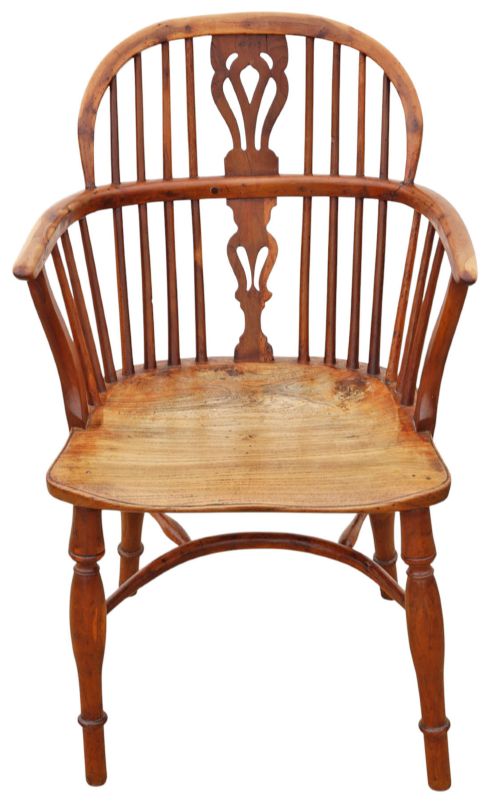
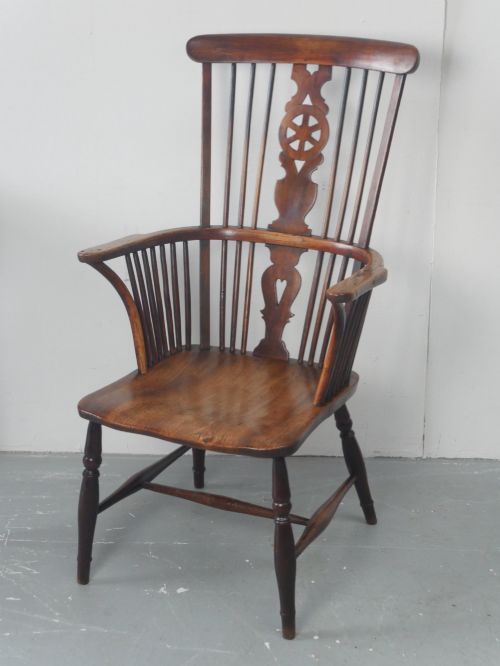
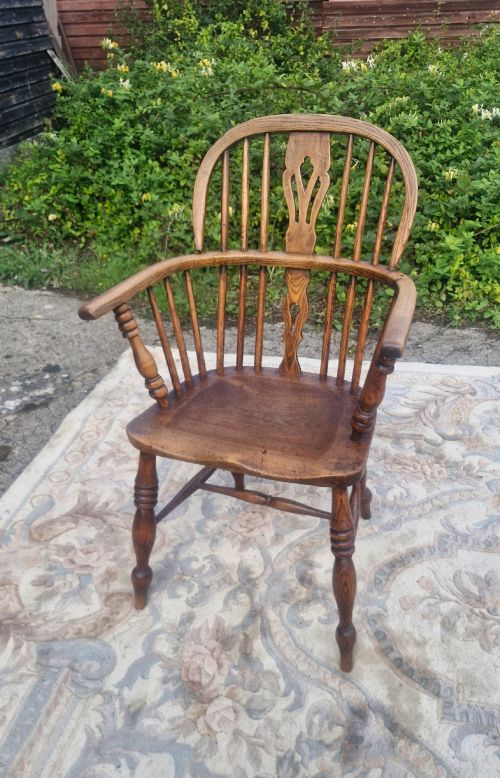
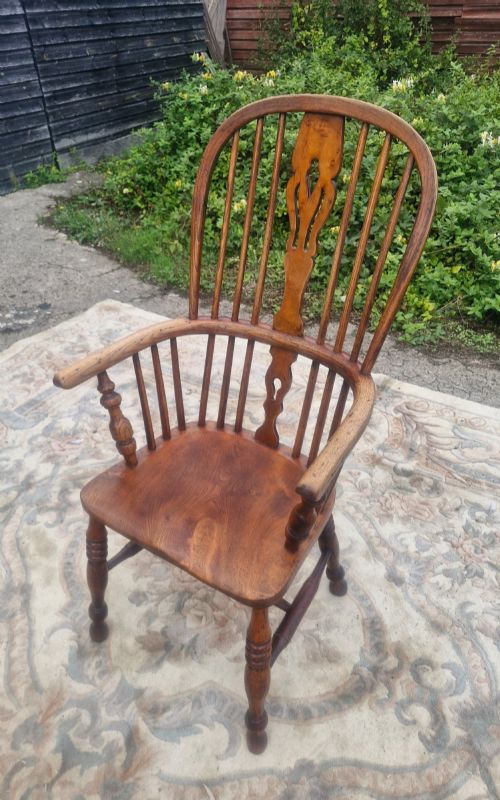
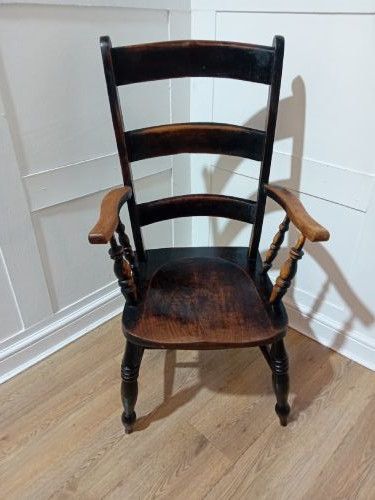
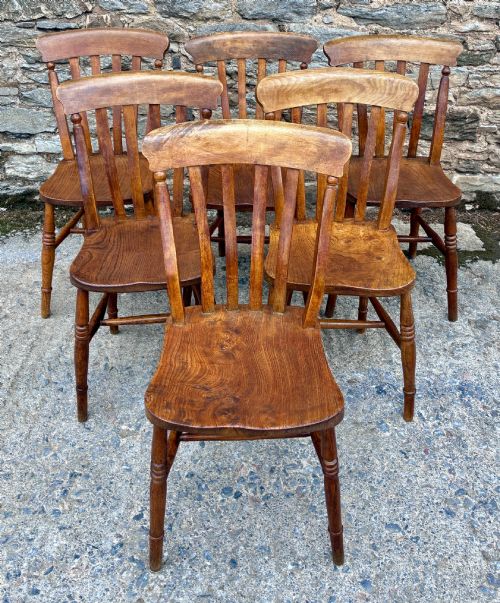
Traditional elm country chairs encompass domestic seating forms designed primarily for kitchens, farmhouses, and vernacular interiors across various British regions. Buyers encountering these pieces will find an array of Windsor armchairs, low and high back variants, smoker's bows, captains chairs, and sets of spindle or lathe back dining chairs.
The material origins of these seats date from the eighteenth century through to the twentieth century, covering Georgian, Victorian, and Edwardian eras. Regional variations emerge clearly in the listings, including Thames Valley and West Country designs which display distinct structural traits developed by local wheelwrights and chair bodgers.
Judging Quality
Quality in these vernacular seats rests upon the selection of timbers and the proportional harmony achieved by the maker. Superior examples exhibit deeply sculpted elm saddle seats combined with balanced, slender spindles and well-turned legs that avoid heaviness.
The preservation of original surface finishes and natural timber patina distinguishes finer survivals from heavily restored or stripped items. Subtleties in regional turning details and the integrity of the original wedged joints separate standard utility kitchen seating from workshop masterpieces.
Some nineteenth century vernacular chairs still bear faint pencil marks underneath the elm seat where the bodger tallied his daily output.
J Spencer
The Traditional Elm Country Chairs Glossary
- Windsor chair
- A wooden chair built with a solid heavy timber seat into which the legs and back canted rods are driven directly. This construction method creates a sturdy, resilient form typical of British rural production.
- Saddle seat
- A wooden seat base scooped and carved into a concave profile resembling a horse saddle. Makers shaped elm this way to improve comfort during long hours of sitting.
- Crinoline stretcher
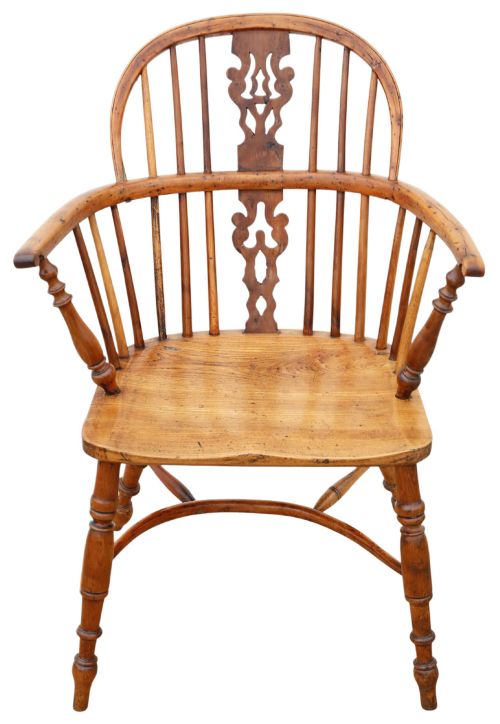
- An arched or curved wooden brace connecting the legs of a chair near the base to add structural stability. On Windsor chairs, this hoop often forms a continuous curved line between the side legs.
- Smoker's bow
- A low backed Windsor armchair featuring a continuous curved armrail supported by turned spindles above a solid seat. These robust chairs served comfortably in parlours, inns, and farmhouse smoking rooms.
- Spindle back
- A chair back constructed from a series of thin, turned vertical wooden rods fitted between a top rail and the seat. This lighter framework offers strong support using minimal timber.
Traditional Elm Country Chairs: Frequently Asked Questions
How do I identify a West Country Windsor chair?
West Country examples frequently display distinctive local timber combinations, such as elm seats paired with ash frames, alongside characteristic hoop shapes and sturdy crinoline stretchers.
Examination of the undercarriage turnings and the specific shaping of the arm supports helps distinguish these regional pieces from Thames Valley or Midland equivalents.
What wood was used for the seats?
Elm served as the primary timber for chair seats due to its tough, cross-grained structure which prevented cracking when bodgers bored holes for the legs and spindles.
Coopers and chairmakers valued elm specifically for its resilience under heavy domestic and farm usage.
How should I care for an antique elm chair?
Protect antique timber seating by maintaining stable room humidity and keeping chairs away from direct heat sources like radiators, which cause wood to dry and shrink.
Apply occasional traditional wax polish to nourish the surface and preserve the historic patina without sealing the wood.
Are these chairs comfortable for daily dining?
The deep depressions carved into the solid elm saddle seats provide surprising ergonomic support designed for long periods of domestic work or dining.
Pairing them with a suitable table requires checking the arm height to ensure the chair tucks underneath properly.
What is the difference between a lathe back and a wheel back?
Lathe back chairs utilise vertical turned spindles or flat slats across the upper back framework for structural support. Wheel back versions incorporate a central pierced splat shaped like the spokes of a cart wheel within the stick back design.