

Victorian Ceramic Art
Victorian ceramic art brings together pottery, porcelain, and stoneware created during the nineteenth and early twentieth centuries to display distinct ornamental forms.
Victorian Ceramic Art
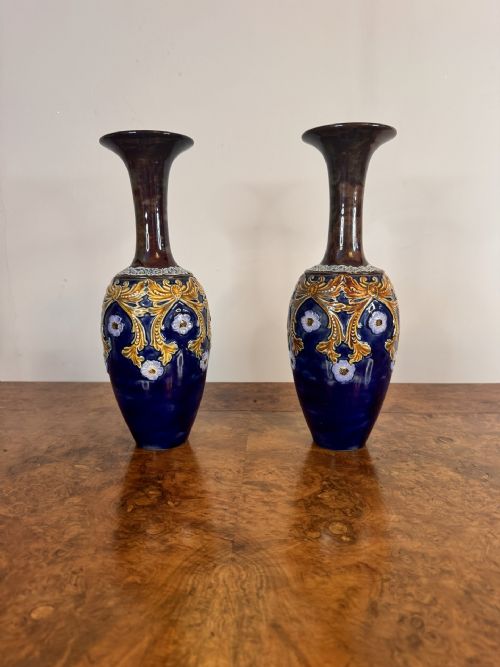
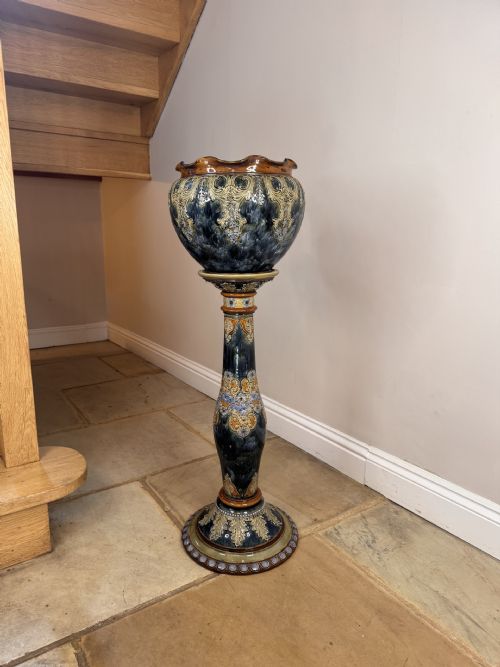
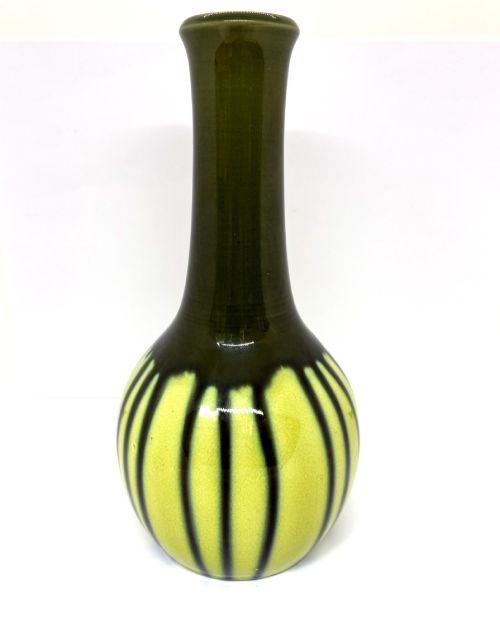
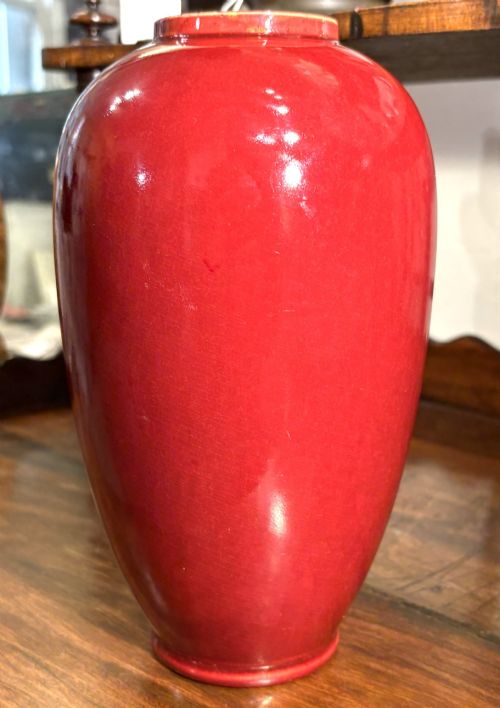
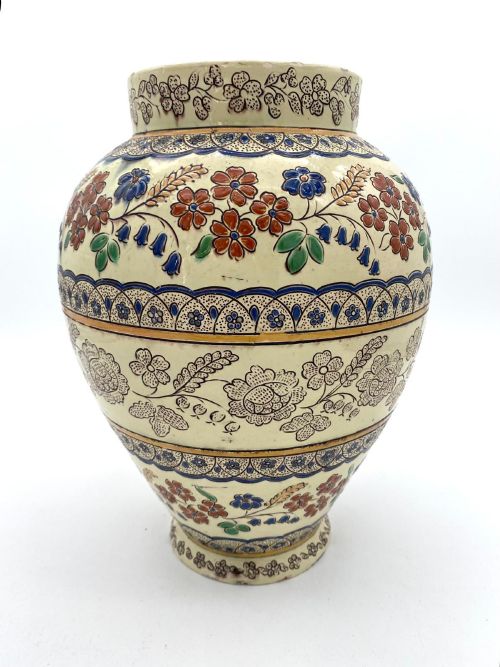
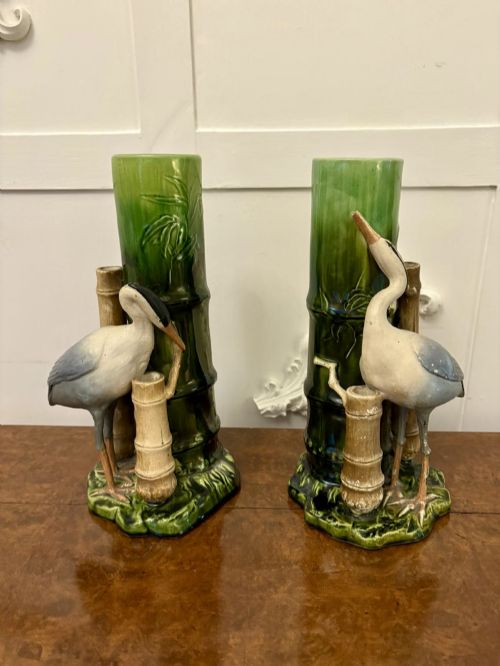
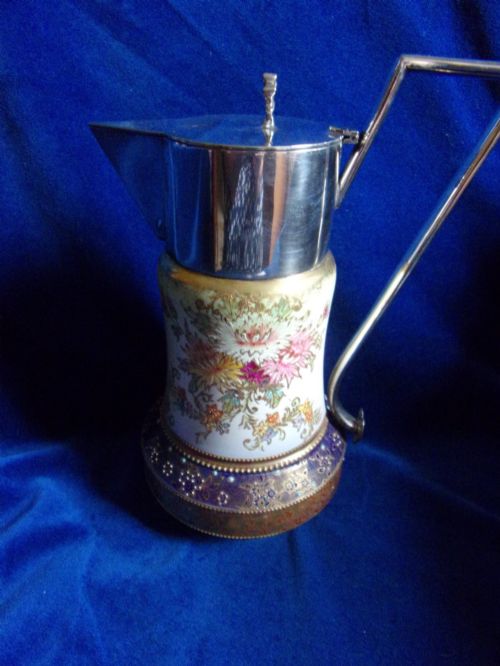
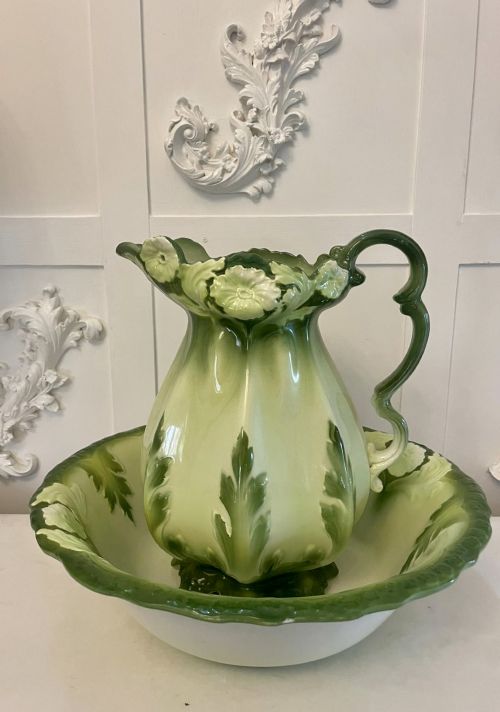
When you search for victorian ceramic art, you encounter vases, wall plaques, jardinieres, jugs, pitchers, and decorative bowls made in earthenware, stoneware, and porcelain. The pieces on this page span the nineteenth century and extend into the Edwardian period, capturing stylistic shifts from Victorian traditionalism through the Arts and Crafts movement and Art Nouveau.
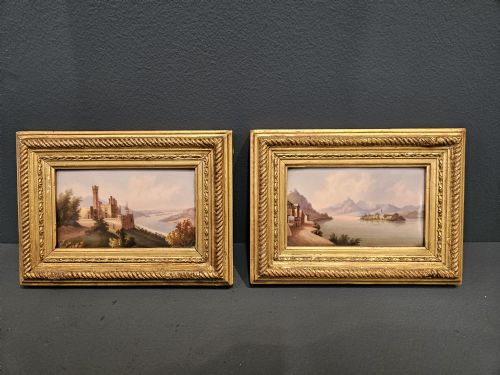
Vases and jugs dominate the offerings, often bearing signatures of studio potteries or distinct decorative glazes. Wall plaques and framed tiles introduce pictorial subjects, ranging from painted landscapes to mythological scenes executed on ceramic surfaces.
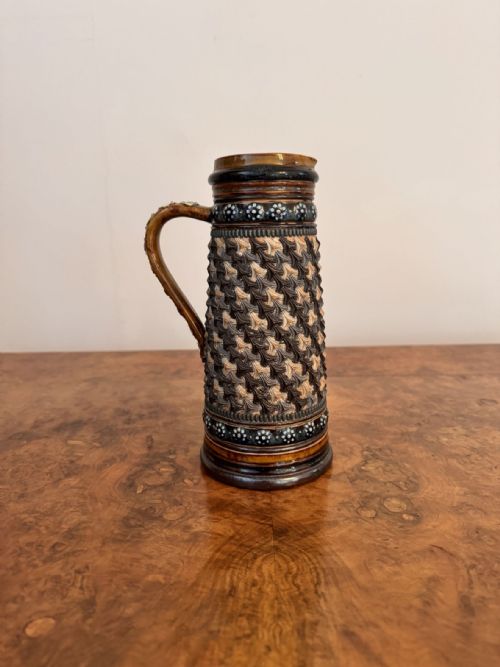
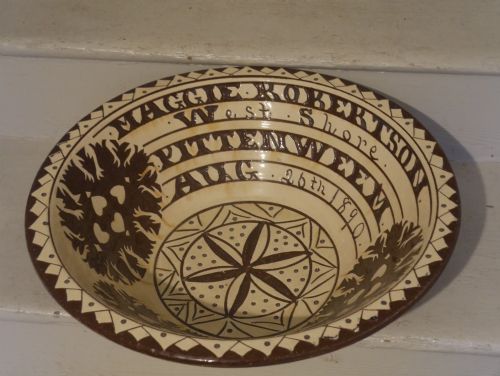
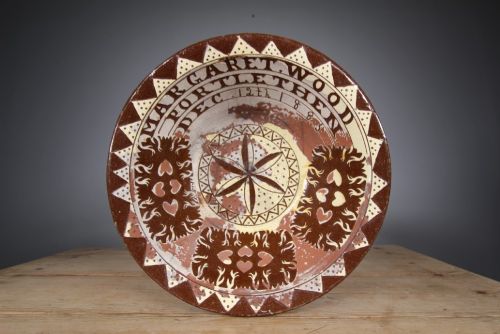
The objects derive from English potteries, Scottish kilns, and continental European workshops. Makers applied techniques such as slipware, hand painting, and incised stoneware to utilitarian and decorative vessels alike.
Materials and production methods
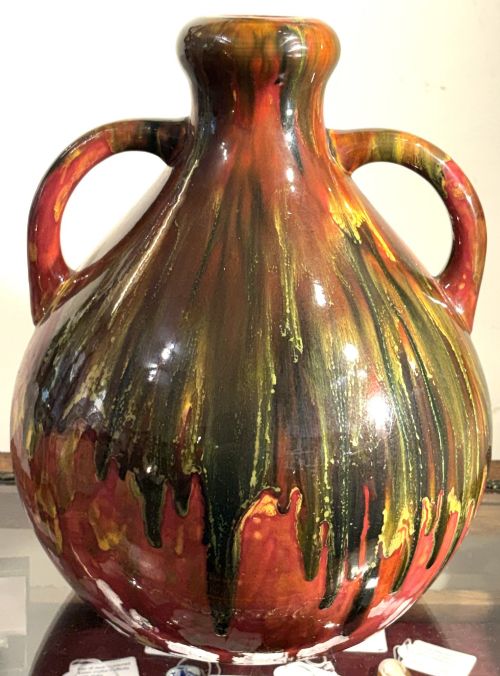
Potters shaped local clays, fine earthenware, heavy stoneware, and porcelain on the wheel or pressed them into moulds before firing. Glazes applied to the surfaces provided colour, texture, and vitrified protection, ranging from high-gloss finishes to matte stoneware.
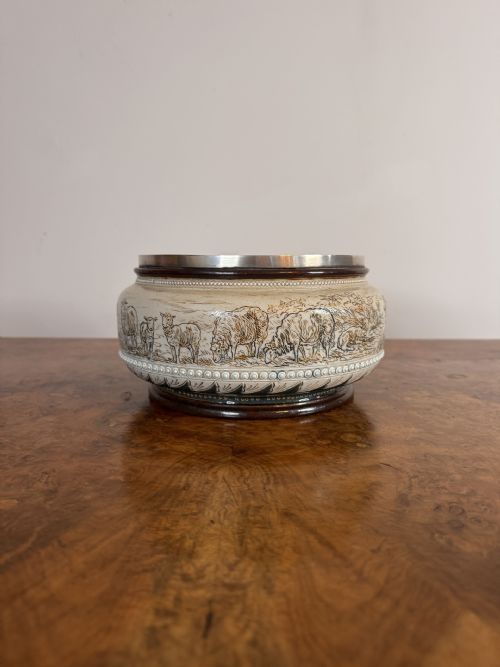
Decoration relied heavily on hand painting, slip trailing, and incising directly into the clay body before a secondary firing. Specialised faience and intarsio techniques allowed artists to paint beneath or within the glaze layers for lasting depth.
Victorian Ceramic Art Retail Price Guide 2026
Typical asking prices for victorian ceramic art among the pieces listed under this phrase on Sellingantiques today, from the lower quarter to the upper quarter. They describe what is for sale here now, not the wider market.
Potters recorded domestic life and natural history directly onto clay, preserving sunflowers, cows, and literary figures in permanent glaze.
Distinctions in craftsmanship
Quality rests in the precision of the form, the execution of hand-painted details, and the depth of the glaze. Master potters and recognised artists achieved crisper incised lines and more complex pictorial compositions than commercial workshops produced.
The integration of decorative elements, such as applied slipware patterns or modelled handles, separates standard production items from studio pieces created by named designers and specialised potteries.
Doulton Lambeth·Burmantofts·Seaton Pottery·Carltonware·Sherwin and Cotton·Lauder Pottery·Sunflower Pottery
The Victorian Ceramic Art Glossary
- Stoneware
- A heavy, impermeable ceramic fired at high temperatures until vitrified. It resists liquids naturally and takes salt-glaze or incised decoration effectively.
- Earthenware
- Porous pottery fired at lower temperatures than stoneware, requiring a glaze layer to hold liquids. It forms the body of many traditional slipware vessels and tiles.
- Porcelain
- A fine, translucent ceramic created from kaolin and petuntse fired at high heat. It provides a smooth white surface suited to detailed hand-painted portraits.
- Jardiniere
- An ornamental ceramic pot designed to hold a large indoor plant. These vessels often feature matching bowls and prominent relief decoration.
- Faience
- Tin-glazed earthenware decorated with painted designs over an opaque white enamel. It allows for intricate polychrome illustration on a ceramic base.
Victorian Ceramic Art: Frequently Asked Questions
What is victorian ceramic art?
Victorian ceramic art includes decorative pottery, porcelain, and stoneware manufactured during the nineteenth and early twentieth centuries. These items range from hand-painted wall plaques and tiles to large studio vases and jugs.
Craftsmen utilised various glazing and firing techniques, reflecting major design movements like the Arts and Crafts style and Art Nouveau.
How were these ceramic pieces used?
Many objects served decorative purposes within nineteenth-century interiors, such as framed wall plaques, mantel vases, and pedestals. Jardinieres held indoor plants, while jugs and bowls fulfilled both ornamental and serving functions.
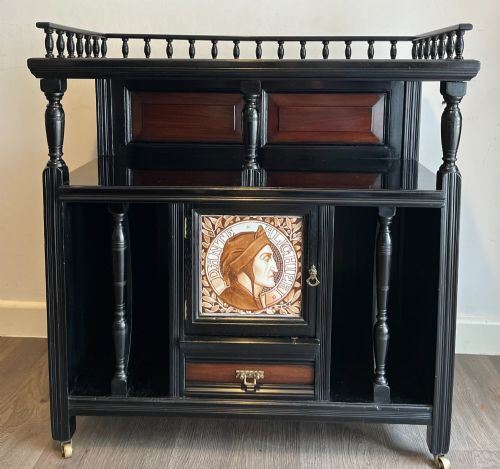
Tiles and architectural pieces were incorporated directly into furniture or fireplace surrounds.
How do I care for antique ceramics?
Antique ceramics require gentle handling to protect fragile glazes, hand-painted surfaces, and applied handles. Dusting with a dry, soft cloth prevents the accumulation of grime on porous earthenware and detailed porcelain.
Keep pieces away from direct sunlight and dramatic temperature fluctuations to preserve the stability of the glaze and body.
How do I identify the period of a ceramic piece?
Dating relies on maker marks, impressed studio stamps, and stylistic indicators associated with periods like Victorian, Arts and Crafts, or Art Nouveau. Material choices, such as heavy stoneware versus fine porcelain, also point toward specific manufacturing eras.
Inscriptions, dates scratched into the clay, and registered design numbers provide precise chronological anchors.