



Victorian Cast Silver
Victorian cast silver brings sculptural weight and tactile detail to domestic metalwork, drawing collectors who appreciate solid construction and figurative whimsy.
Victorian Cast Silver
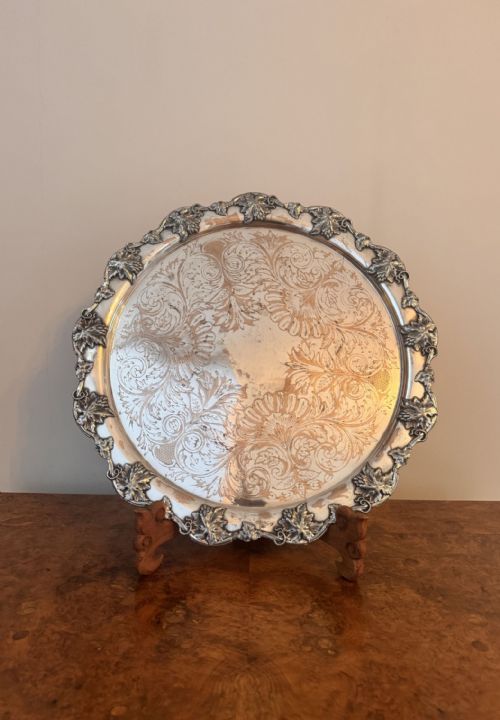
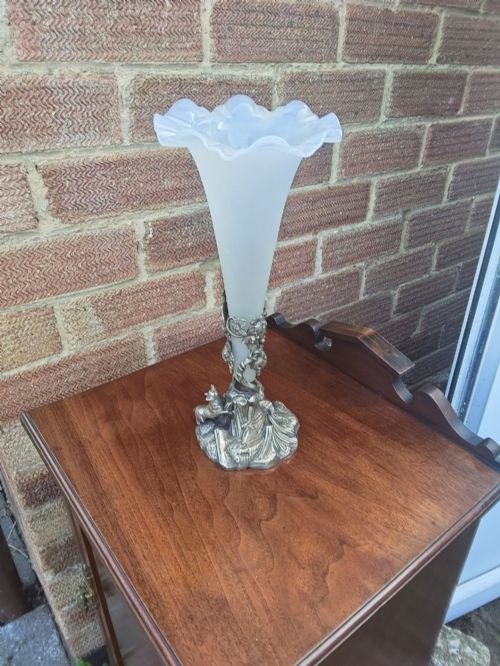
When browsing Victorian cast silver, buyers encounter substantial tableware, desk accessories, and novelty pieces shaped by molten pours rather than sheet metal fabrication. These items date primarily from the nineteenth century through the early twentieth century, spanning standard Victorian production and later Edwardian variations.
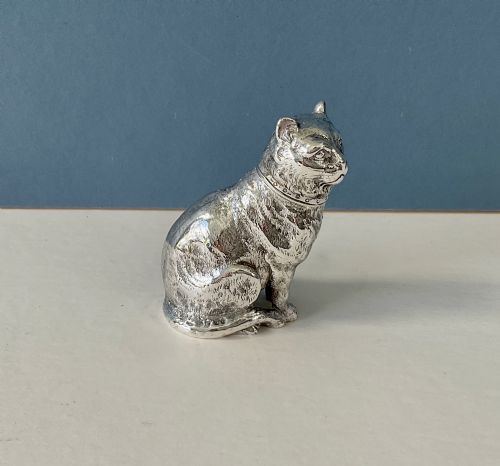
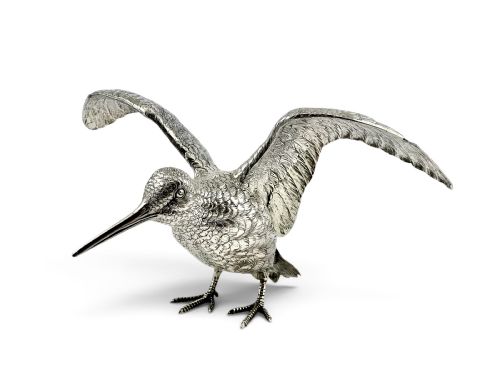
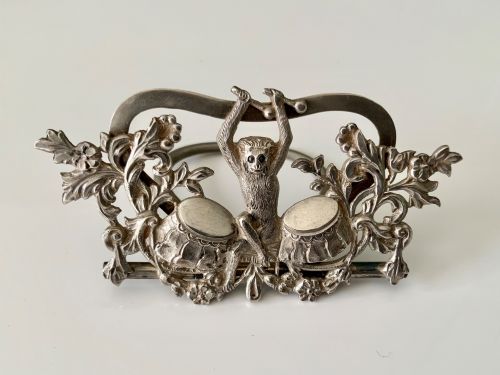
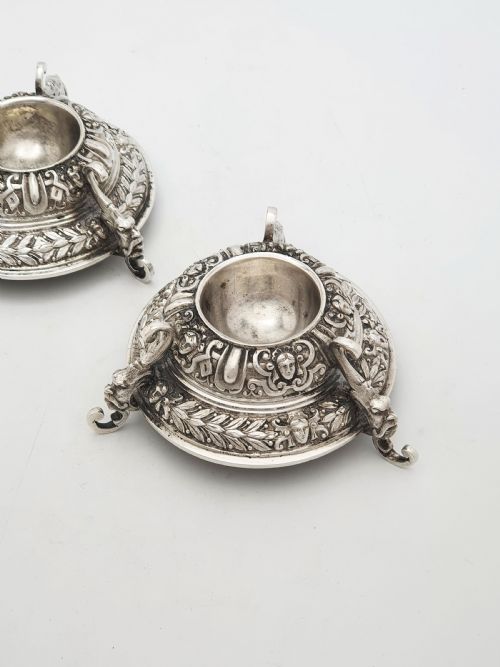
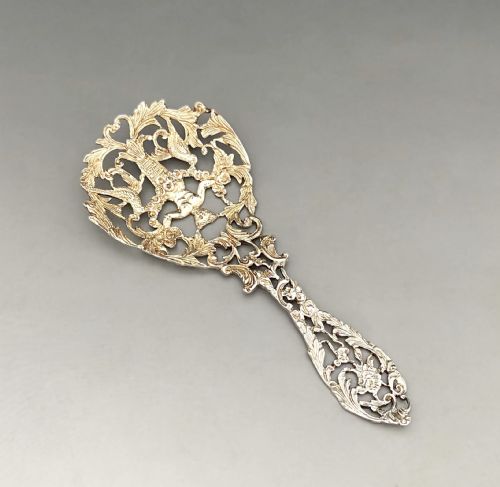
The most common forms appearing in this selection include pepper pots, figural salt cellars, snuff boxes, and serving flatware such as grape scissors and sugar sifters. Novelty designs depicting animals, birds, and architectural subjects dominate the smaller functional objects.
Originating predominantly from British silversmithing workshops, these pieces incorporate distinct regional hallmarks from London, Birmingham, Sheffield, and Newcastle. Collectors find both utilitarian table elements and purely decorative mantel or desk ornaments.
Quality Factors
Workmanship from notable silversmiths demonstrates superior hand-finishing, where chasing tools clean up the cast surface to accentuate depth and dimension. Complete, legible hallmarking and original matching components further elevate the status of individual objects.
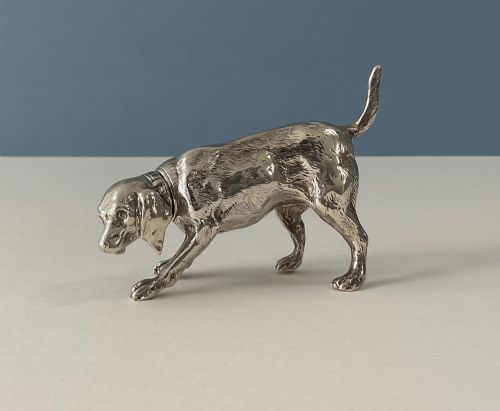
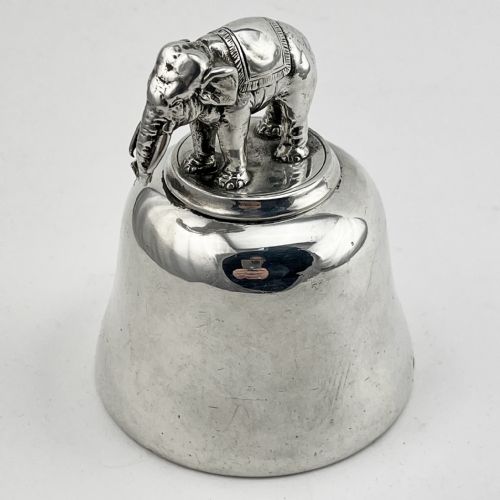
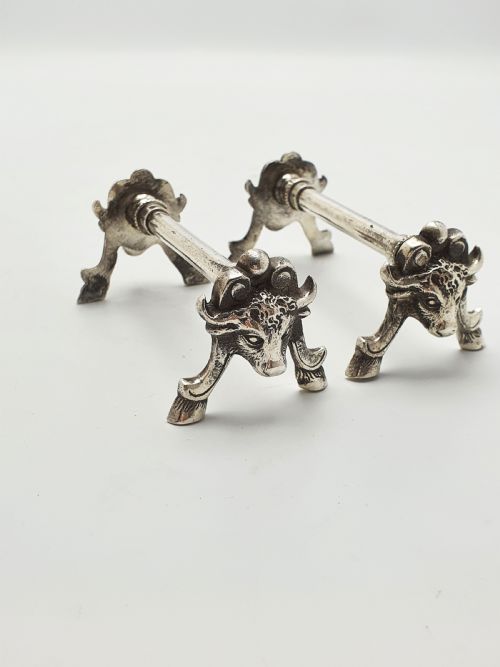
Listings feature numerous animal novelties, including dogs, cats, foxes, and birds executed in sterling silver and pewter.
William Comyns·Edward and John Barnard·Nathaniel Mills·Sampson Mordan and Co·Stephen Smith·Francis Higgins·Edward Edwards·John Gilbert
The Victorian Cast Silver Glossary
- Hallmark
- Official stamp applied to precious metals indicating the standard of purity, the assay office, and the date letter. These marks provide definitive evidence of origin and age.
- Chasing
- A metalworking technique where the silversmith depresses metal from the front using hammers and punches to create raised decorative designs. This hand-work brings crispness to cast surfaces.
- Sifter
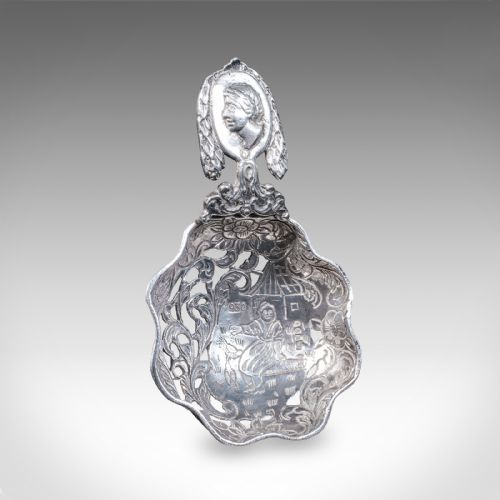
- A pierced spoon or caster used for sprinkling powdered sugar over food or documents. They frequently feature elaborate floral or figural cast terminals.
- Novelty
- An object made in an amusing or unusual shape, such as an animal, bird, or building. Victorian silversmiths applied this playful approach extensively to pepper pots and inkwells.
- Cast
- Molten metal poured into a mould to solidify into a specific shape. This method creates heavier, more sculptural items than spinning or stamping sheet silver.
Victorian Cast Silver: Frequently Asked Questions
How do I clean Victorian cast silver?
Use a soft microfiber cloth and a mild silver cleaning paste specifically formulated for antique metalwork. Avoid harsh abrasive dips that strip the dark oxidisation from recessed cast details.
Take care around hinged components on snuff boxes and intricate figural crevices on novelty peppers. Gentle hand washing in warm soapy water is suitable for items without fitted wooden or fabric elements.
What is a novelty pepper pot?
A novelty pepper pot is a functional table condiment container shaped like an animal, bird, or human figure. Silversmiths designed these small sculptures to add humour to dining tables while dispensing ground spice.
Examples often feature removable heads or screw-bottom plates for refilling. The perforations for dispensing the spice are integrated subtly into the natural contours of the design.
How can I read silver hallmarks?
Examine the stamped marks using a jeweler loupe to locate the maker mark, standard mark indicating sterling purity, assay office symbol, and date letter. Reference tables help match the specific letter shape to the exact year of manufacture.
These tiny punches appear on the base, rims, or interiors of vessels and flatware. Clear hallmarks confirm the authenticity and precise British origin of the piece.
Were these pieces used daily?
Many of these items served practical roles in wealthy Victorian households for dining, writing desks, and tea service. Salt cellars, sugar sifters, and inkwells saw regular handling by family members and guests.
Other objects, such as decorative spoons or small figural paperweights, spent time displayed in cabinets or on drawing-room tables. Wear patterns often reflect this balance of active domestic service and decorative display.