
Victorian Cast Iron Seat
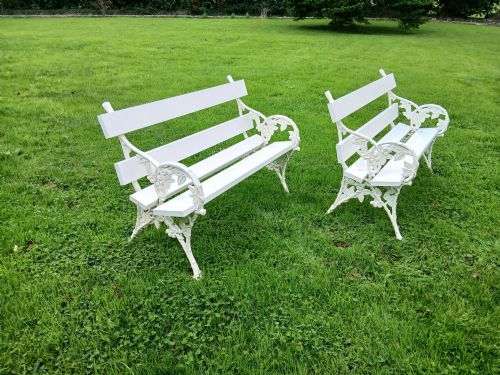
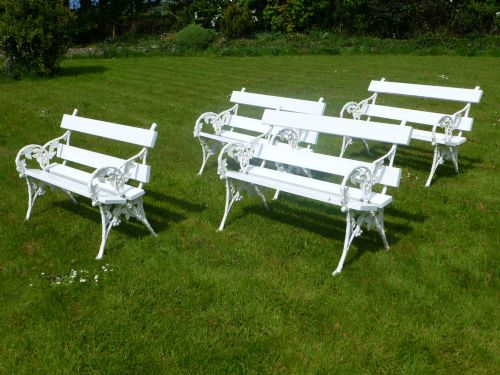
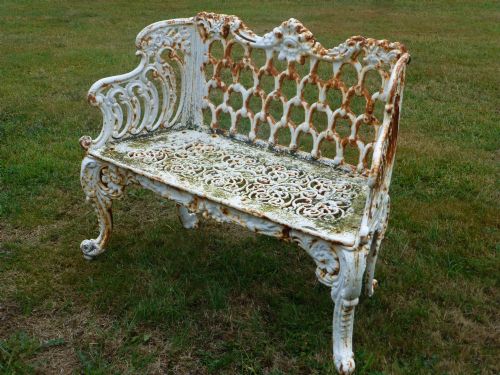
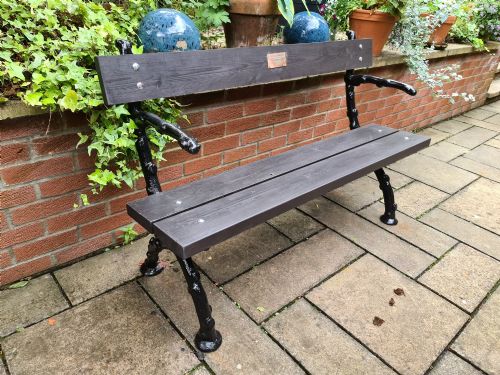
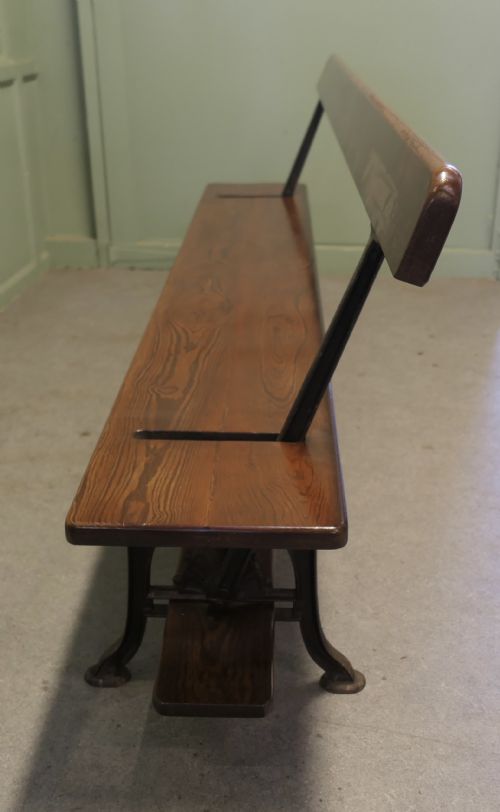
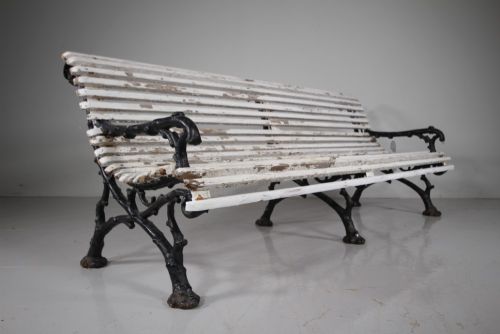
These Victorian cast iron seat examples offer sturdy outdoor character, combining heavy metal framing with wooden slats to anchor a garden landscape.
Understanding the Victorian cast iron seat
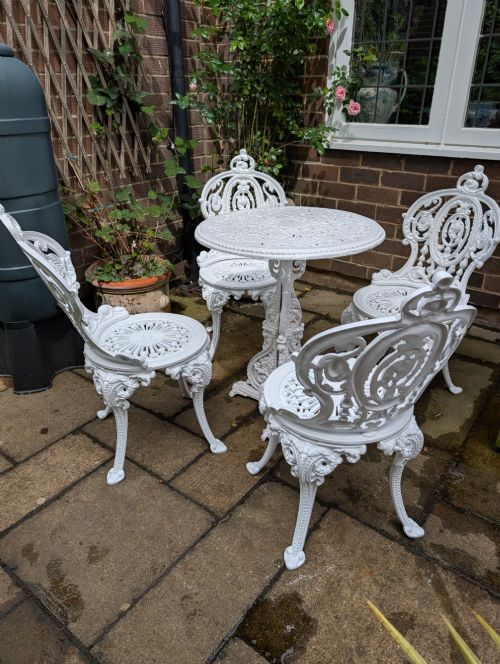
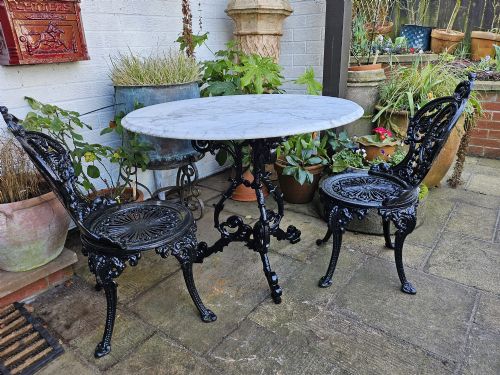
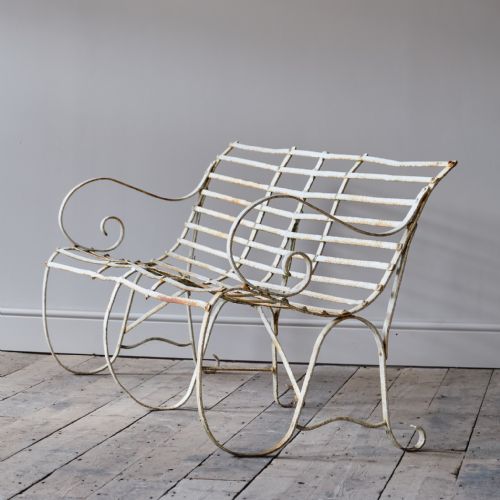
A Victorian cast iron seat brings robust metalwork into outdoor spaces, taking the form of garden benches and chairs designed to withstand the elements. These pieces feature heavily patterned ends and backs produced during the nineteenth century.
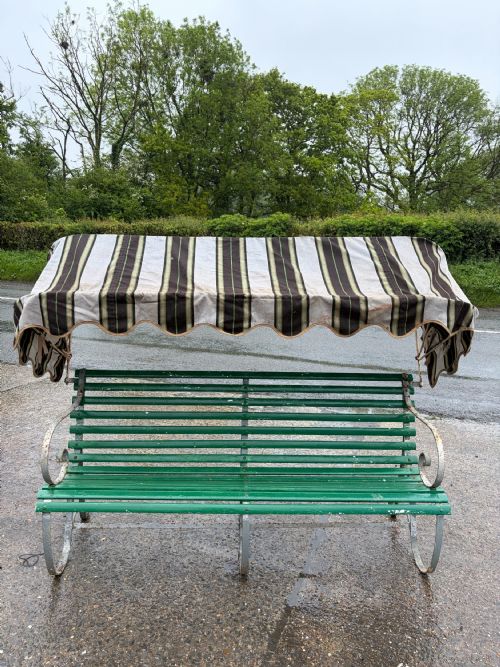
The selections available here predominantly showcase nineteenth-century manufacturing, spanning specific decades like the eighteen-fifties, sixties and seventies. Alongside standard garden benches, the range occasionally includes nursery swings and seating paired with timber slats.
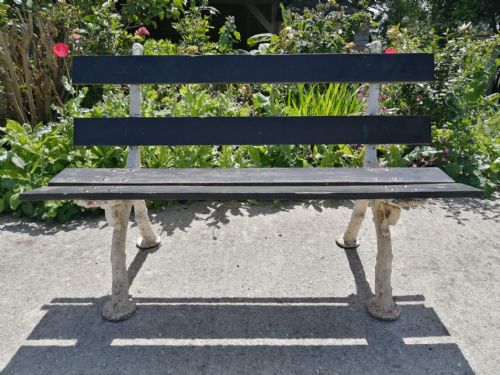
Makers utilised durable casting techniques to create elaborate botanical motifs, such as blackberry leaves, roses, and rustic branch patterns. Buyers encounter both complete benches and pairs, often presenting painted surfaces or refurbished wood components.
Materials and construction methods
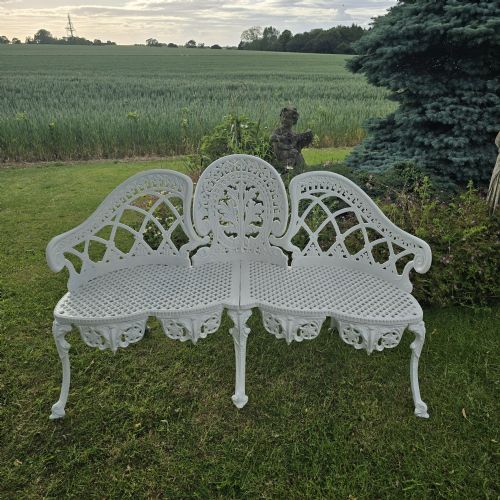
Foundries poured molten cast iron into sand moulds to form the intricate bench ends, structural brackets, and backs. This method allowed makers to achieve high detail in botanical patterns like the serpent and twig or blackberry leaf designs.
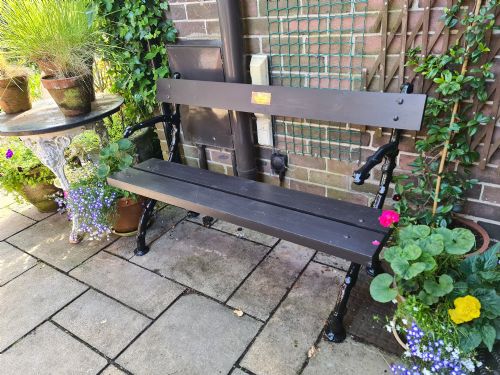
Wooden elements such as pine and timber slats were integrated into the iron frames to form the sitting surface and backrests. Paint finishes were applied to protect the metal from corrosion while enhancing the decorative appearance of the garden furniture.
Retail Price Guide 2026
Typical UK retail prices for victorian cast iron seat, calculated from the Sellingantiques database of over a million retail prices indexed since 2003. This retail price guide relies exclusively on Sellingantiques data; no external sources or auction records are used, so the figures do not describe the wider market.
One nineteenth-century seat takes the form of a dog seated before a tree, holding coats rather than people.
Distinctions in craftsmanship and design
Quality rests in the crispness of the casting detail, where superior examples exhibit sharply defined botanical motifs and clean lettering or foundry marks. Lesser pieces show softened relief work from worn moulds.
The complexity of the pattern dictates the standing of the bench, with naturalistic designs like entwined serpents or specific foundry attributions holding greater interest than plain utility forms. Original pairings and matching sets also elevate the piece.
Falkirk Foundry·Carron Foundry·John Finch·Phoenix Foundry
The Victorian Cast Iron Seat Glossary
- Cast Iron
- An iron-carbon alloy poured into moulds to create rigid, decorative forms. It forms the heavy structural ends of these garden seats.
- Victorian Gothic
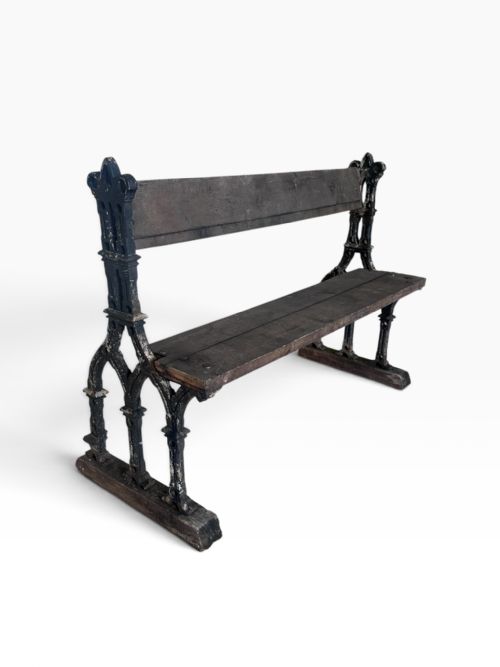
- A nineteenth-century revival style drawing on medieval architectural motifs. This aesthetic influences the pointed arches and tracery seen on certain bench backs.
- Foundry
- A factory where metal is melted and cast into shapes. Named foundries like Falkirk and Carron produced marked garden furniture.
- Rustic Pattern
- A design style imitating natural branches and twigs. It appears frequently on nineteenth-century garden seats featuring faux-wood cast iron framing.
Frequently Asked Questions
How do I date a cast iron garden seat?
Dating relies on stylistic clues, foundry marks, and registration numbers cast directly into the iron frame during production. Nineteenth-century examples often display specific botanical motifs and manufacturing stamps associated with known foundries of the period.
Comparing the casting sharpness and pattern registration against documented historical pieces helps narrow down the decade of manufacture. Documentary evidence from trade catalogues further assists in confirming production eras.
Can these garden seats stay outside year round?
Cast iron and timber seating is built for outdoor exposure, though winter weather can accelerate paint degradation and wood weathering. Regular maintenance helps protect the metal from rust and the wooden slats from moisture damage.
Many owners choose to apply protective coatings or store the furniture under cover during harsh winter months. This preserves the structural integrity of both the metal frame and the attached wooden components.
Are replacement wooden slats acceptable?
Replacing deteriorated wooden slats with new timber is a common and necessary part of maintaining antique garden benches. Original pine or timber components frequently rot over time while the cast iron frame remains sound.
Using correctly profiled timber matching the original dimensions ensures the bench retains its historical appearance. Refurbished examples often feature new wood paired with the cleaned nineteenth-century iron ends.
What is the serpent and twig pattern?
The serpent and twig pattern is a distinct nineteenth-century Victorian design where cast iron branches entwine with snakes to form the backrest and armrests. This decorative motif reflects the period fascination with naturalism in garden ornament.
Found on benches from the mid nineteenth century, this pattern showcases the high skill level of period foundry workers. Such themed castings are particularly sought after by collectors of garden antiques.