


Victorian Cast Iron Mirror
These Victorian cast iron mirror pieces combine heavy metal frames with glass plates for domestic and hall use.
Victorian Cast Iron Mirror
A victorian cast iron mirror brings together sturdy metalwork and functional glass, frequently appearing as wall mirrors, overmantels, and hall stands. These items originate predominantly from the nineteenth century, including specific dates such as eighteen seventy and eighteen ninety.
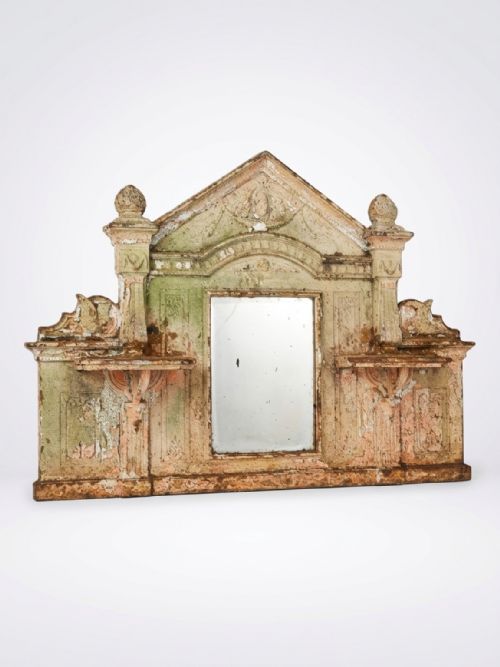
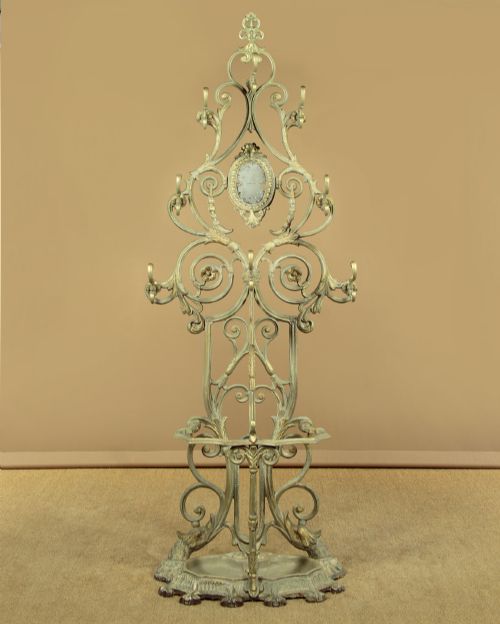
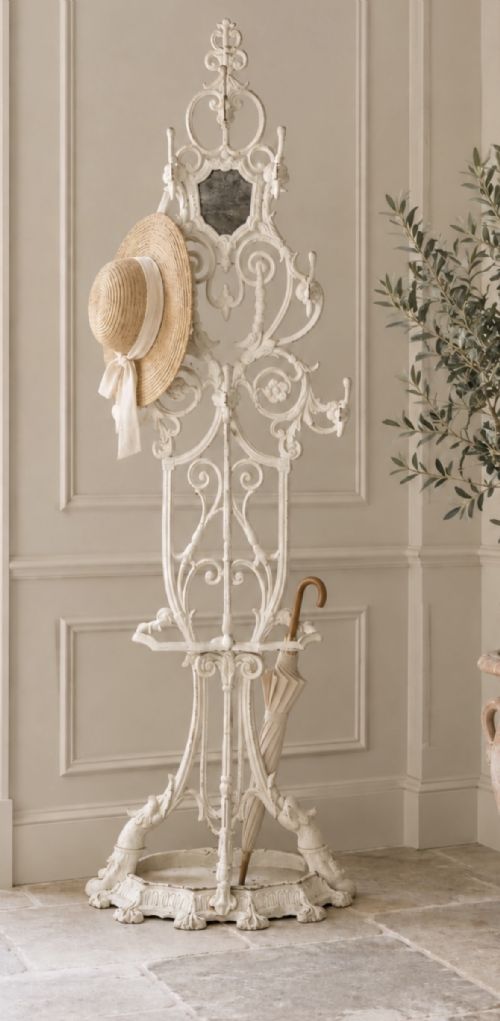
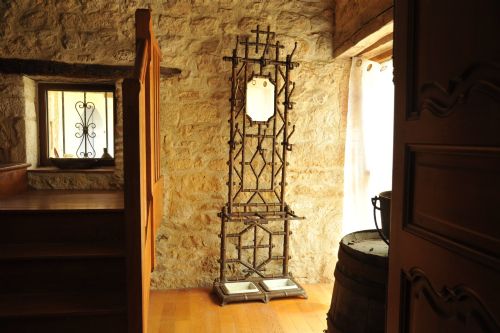
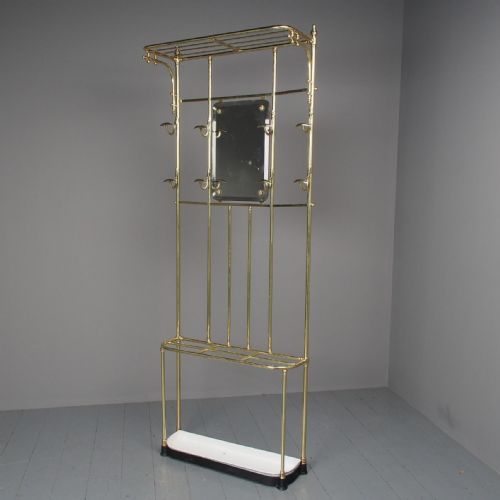
Buyers frequently encounter larger overmantel examples designed for placement above fireplaces, alongside hall stands that integrate coat hooks and umbrella holders. The selection also encompasses French nineteenth century designs, French chateau styles, and pieces exhibiting Victorian Gothic Revival or Rococo Revival aesthetics.
Forms extend beyond simple hanging frames to include complex hall furniture and even garden urns produced in the same period. The structural core relies on cast iron, sometimes paired with marble components or finished with paint.
How they were made
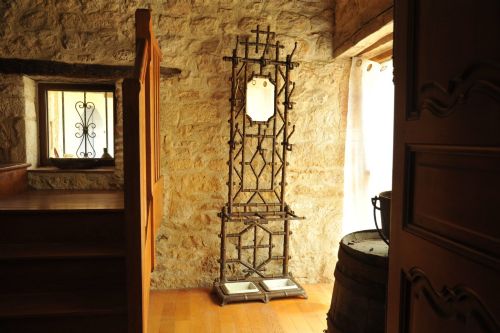
Foundries produced these items by pouring molten iron into sand moulds to create intricate relief decoration, crisp floral motifs, or faux bamboo detailing. This casting method allowed makers to achieve deep texture and robust structural frames suitable for heavy domestic service.
Glass plates were subsequently fitted into the cast metal rebates, backed for protection, and secured with traditional fixings. Many surfaces received protective or decorative coats of paint, while certain hall stands incorporated contrasting materials like marble trays and brass elements.
Some hall stands hid tiny iron drip trays beneath the umbrella hooks to catch muddy puddles from wandering Victorian guests.
What varies in quality
The sophistication of the casting work largely defines the tier of a piece, distinguishing sharp, deep relief moulding from softer, shallower impressions. Finer items display meticulous clean-up of the metal seams after casting, preserving crisp ornamental lines.
Design ambition also separates standard production from superior examples, particularly where makers incorporated mottos, figural elements like cherubs, or complex structural ironwork such as faux bamboo sections. The retention of original finish components and integrated accessories like drip pans adds further distinction.
Coalbrookdale
The Victorian Cast Iron Mirror Glossary
- Cast iron
- Iron alloy poured into a mould to shape it while molten. This material provides the heavy, rigid framework characteristic of these mirrors and stands.
- Overmantel mirror
- A large mirror designed to hang or stand specifically on the mantelpiece above a fireplace. These often feature wide frames to anchor the visual weight of a hearth.
- Hall stand
- A piece of hallway furniture combining a mirror, coat hooks, and umbrella storage. Many examples in this category are built entirely from cast iron.
- Gothic Revival
- An architectural and decorative style drawing on medieval ecclesiastical forms. Pieces in this aesthetic display pointed arches, heavy tracery, and solemn ornamentation.
- Rococo Revival
- A design movement favouring asymmetrical scrollwork, C-scrolls, and exuberant natural motifs. This style produces frames with lively, curving botanical details.
Victorian Cast Iron Mirror: Frequently Asked Questions
How heavy is a cast iron mirror?
These pieces possess substantial weight due to the dense iron frames and fitted glass plates. Wall mounting requires secure fixings anchored directly into masonry or heavy timber studs.
Larger overmantel versions often rest on mantel shelves with supplementary wall tethers to ensure stability and safety.
Where were hall stands placed?
Hall stands stood directly in entranceways and lobbies of nineteenth century homes. They provided immediate facility for hanging coats, hats, and placing wet umbrellas upon entry.
The integrated mirror allowed individuals to check their appearance before stepping out through the front door.
Can these mirrors go outside?
While cast iron withstands outdoor conditions and appears in garden urn items, standard mirrors feature silvered glass and backing materials vulnerable to moisture. Exterior placement requires sheltered spots to prevent corrosion of the mirror plate and iron frame.
Indoor spaces remain the primary environment for items containing original mirror glass.
What is faux bamboo iron?
Faux bamboo iron refers to metal cast specifically to replicate the segmented stalks and nodes of natural bamboo plants. Foundries achieved this decorative texture during the late nineteenth century to satisfy popular taste for exotic styles.
This technique appears frequently on French coat and umbrella stands from that era.