



Victorian Cherub Wall Mirror
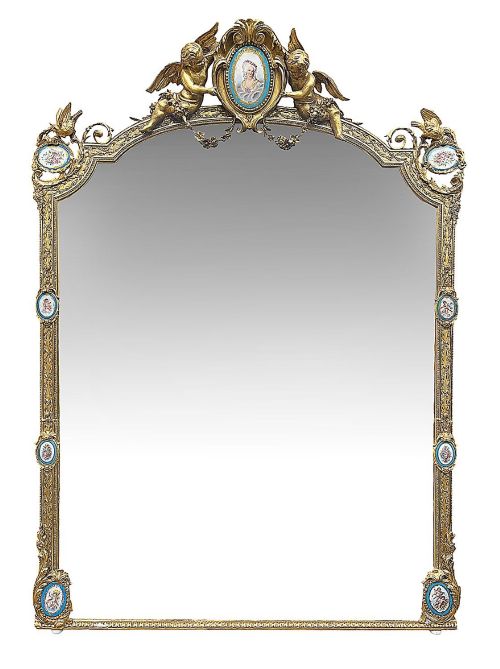
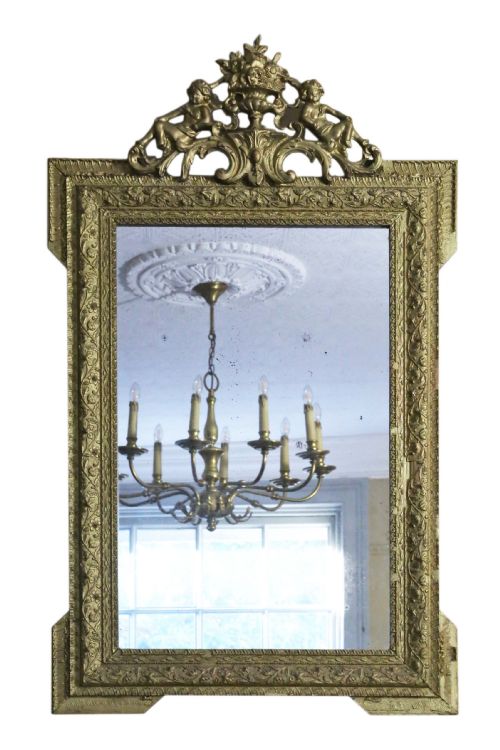
A victorian cherub wall mirror brings exuberant sculptural character and antique charm to any room through carved figures and gilded frames.
Victorian Cherub Wall Mirror
A victorian cherub wall mirror combines functional reflective glass with ornate decorative framing featuring putti and cherubic motifs. These pieces typically manifest as wall hanging mirrors or larger overmantel mirrors designed to anchor a room.
The aesthetic draws heavily from revivalist movements, incorporating styles such as Rococo Revival, Baroque Revival, and French Chateau influences. These objects serve as focal points in halls and lounges, carrying historical weight from the nineteenth century.
Variations on this page range from compact brass wall-hanging designs with original plates to substantial giltwood overmantels with decorative pediments. Collectors encounter diverse regional interpretations including Italian carved fruitwood and continental porcelain oval frames.
Materials and construction methods
Makers utilised traditional framing materials including giltwood, gesso, composition, and carved hardwoods like mahogany and walnut. Cast iron also appears in specific sculptural frames, notably through works associated with Coalbrookdale.
Surface ornamentation relies on intricate carving, applied gesso, and gold leaf gilding to create reflective, high-relief decorative elements. Mirror glass plates are set within these heavy frames, occasionally retaining their original aged silvering and bevelled edges.
Cast iron mirrors on this page include built-in mottos, proving that nineteenth-century founders liked their reflections with a side of life advice.
Discerning quality in these mirrors
The depth and crispness of the carving determine the refinement of the piece, distinguishing hand-carved fruitwood or detailed giltwood from simpler moulded composition. Originality of components, such as the mirror plate and specific cresting details like putto motifs, holds significant weight.
Overall scale and proportion dictate presence within a room, with larger overmantel mirrors demonstrating ambitious nineteenth-century craftsmanship. The integrity of the gilded surface and the structural stability of the heavy frames further define the tier of an individual piece.
The Victorian Cherub Wall Mirror Glossary
- Giltwood
- Wood that has been coated with gold leaf or a gold-coloured metallic finish. This technique creates a brilliant reflective surface popular in nineteenth-century interior design.
- Gesso
- A plaster-like mixture applied to wood frames to provide a smooth base for gilding or intricate moulding. It allows craftsmen to shape elaborate decorative reliefs.
- Overmantel mirror
- A large mirror specifically designed to hang above a fireplace mantelpiece. These pieces often feature wide frames and grand pediments.
- Putto
- A plump, naked male child figure frequently depicted in classical art and architectural decoration. These figures appear as cherubs on many nineteenth-century frames.
- Composition
- A moulded material made from whiting, resin, glue, and linseed oil pressed into decorative relief ornaments. It was widely used as a cost-effective alternative to hand carving.
Victorian Cherub Wall Mirror: Frequently Asked Questions
How do I hang a heavy antique mirror?
Heavy nineteenth-century mirrors require secure wall fixings anchored directly into structural studs or solid masonry.
Professional mirror hangers should be consulted to ensure the weight of giltwood and cast iron frames is properly supported.
Are these mirror plates original?
Many pieces retain their original glass plates, which often display subtle foxing, minor pitting, and age-related oxidation.
Original plates contribute to the authentic historical character of the object, distinguishing period pieces from modern replacements.
Where should I place an overmantel mirror?
Overmantel mirrors are traditionally hung directly above a fireplace to reflect light and anchor the main reception room.
They also function effectively in grand hallways and lounges when mounted above sideboards or console tables.
How do I clean a gilded frame?
Dust gilded and gesso surfaces gently with a very soft, dry brush to avoid damaging the delicate metallic finish.
Liquid cleaners and abrasive cloths must be avoided entirely to preserve the original gold leaf and composition details.