




Victorian Entry Wall Mirror
A victorian entry wall mirror brings immediate depth and functional presence to a hallway, combining glass and timber in pieces built to last.
Victorian Entry Wall Mirror
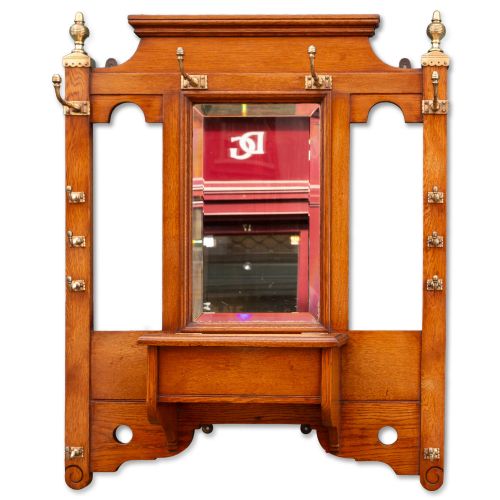
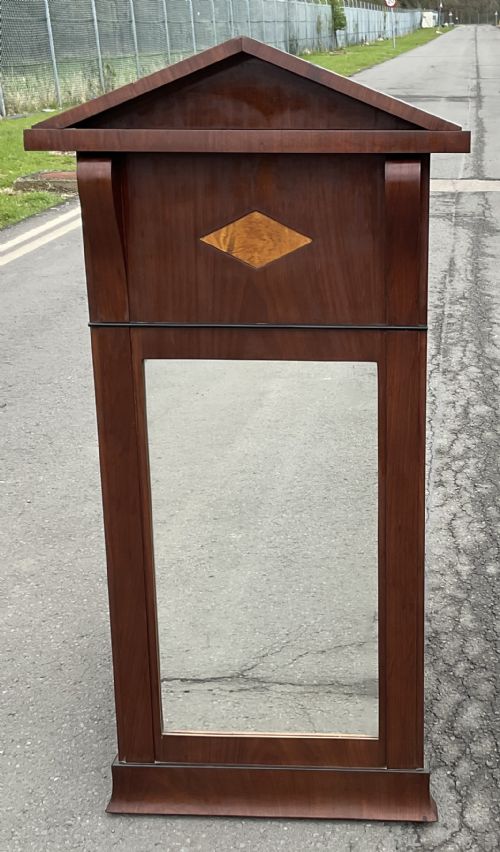
When you search for a victorian entry wall mirror, you encounter a practical category spanning tall hall mirrors, coat racks, and console tables with integrated glass. These items originate from the nineteenth century, with styles including late Victorian, Empire, Aesthetic Movement, and Rococo Revival. Most examples encountered here merge functional storage with reflective glass for the entrance of a home.
The forms range from simple wall-mounted mahogany or oak coat racks to elaborate giltwood console tables paired with pier mirrors. You also meet French mirrored portmanteaus and cast iron frames featuring integrated mottoes. Each variation serves the historical purpose of greeting visitors and checking one's appearance before leaving the house.
Materials and construction
These pieces rely on solid hardwoods like mahogany, walnut, and oak, often paired with decorative giltwood or cast bronze and iron. Makers integrated substantial mirror glass plates into frames designed to withstand daily use in busy entranceways. Marble tops frequently appear on console tables, adding weight and a cool surface beneath the glass.
Hand-carved details define the more ornate styles, particularly in Rococo Revival and Neoclassical frames where giltwood and mahogany are shaped with floral or classical motifs. Structural elements include brass hooks for hanging coats and sturdy brackets supporting heavy wall-mounted mirror plates.
One cast iron mirror includes an integrated motto, ensuring guests receive textual advice before they even remove their coats.
Evaluating quality and execution
The distinction between standard and superior pieces lies in the crispness of the hand-carving on giltwood or mahogany and the integration of the mirror plate into the frame. High-tier examples feature original glass with authentic foxing alongside substantial marble tops and robust cast bronze or brass elements that remain firmly secured to the timber structure.
Proportion and material selection dictate the visual weight of the piece, with dense burr walnut and richly figured mahogany representing the upper end of domestic production. The joinery on hanging coat racks and console tables shows whether a workshop prioritized enduring strength alongside decorative ambition.
Coalbrookdale
The Victorian Entry Wall Mirror Glossary
- Pier mirror
- A tall glass designed to hang on the narrow wall space between windows or above a matching console table. These items reflect ambient light deep into nineteenth-century hallways.
- Portmanteau
- A combined hall stand incorporating a mirror, coat hooks, and sometimes umbrella storage. This piece acts as a comprehensive furniture item for an entrance hall.
- Giltwood
- Timber coated with a thin layer of gold leaf or gesso finish. It provides a bright, reflective surface characteristic of revival styles.
- Console table
- A table fixed to a wall and supported by console brackets or legs, frequently paired with an entry mirror. It offers a slim surface for small items.
- Foxing
- The natural age spots and discoloration that develop on older mirror glass over time. This chemical shift indicates genuine historical age in the reflective plate.
Victorian Entry Wall Mirror: Frequently Asked Questions
How do I hang a heavy hall mirror?
Heavy nineteenth-century mirrors require secure fixing into solid masonry or direct attachment to wall studs using robust brackets. The substantial weight of mahogany frames and glass demands proper structural support.
Consult a professional installer to assess the wall type and ensure the hanging hardware matches the load capacity of the specific piece.
What is a portmanteau in furniture?
A portmanteau is a multipurpose hall stand that combines a mirror with coat hooks, hat pegs, and umbrella stands. These large pieces served as the main storage station in Victorian entranceways.
They allowed households to organise outerwear and accessories efficiently within a single consolidated footprint.
How do I care for original mirror glass?
Clean original glass gently using a soft cloth and mild, non-ammonia cleaning solution to preserve the surface. Avoid spraying liquids directly onto the edges where moisture can seep behind the silvering.
Allowing the silvered backing and natural foxing to remain intact maintains the historical character of the antique.
Where were pier mirrors placed?
Pier mirrors were traditionally hung on the narrow stretch of wall between two windows, known as the pier. This placement maximised daylight in dimly lit Victorian reception rooms and hallways.
They were frequently positioned directly above matching console tables to create a unified decorative arrangement.