


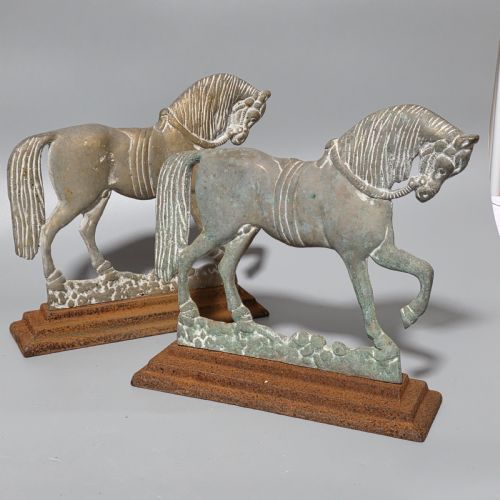


Victorian Cast Iron Doorstop
A victorian cast iron doorstop holds a heavy door while bringing distinct nineteenth-century form and presence to an interior.
Identifying these pieces
A victorian cast iron doorstop is a functional nineteenth-century weight designed to keep interior doors open, frequently cast into recognisable animal or figural forms. The selection here ranges widely across the nineteenth century, including specific dates such as eighteen eighty and eighteen ninety.
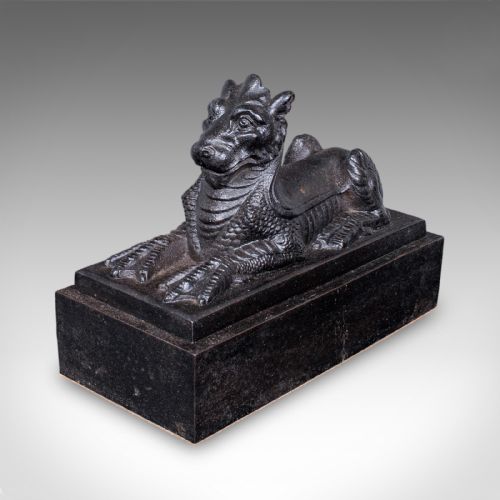
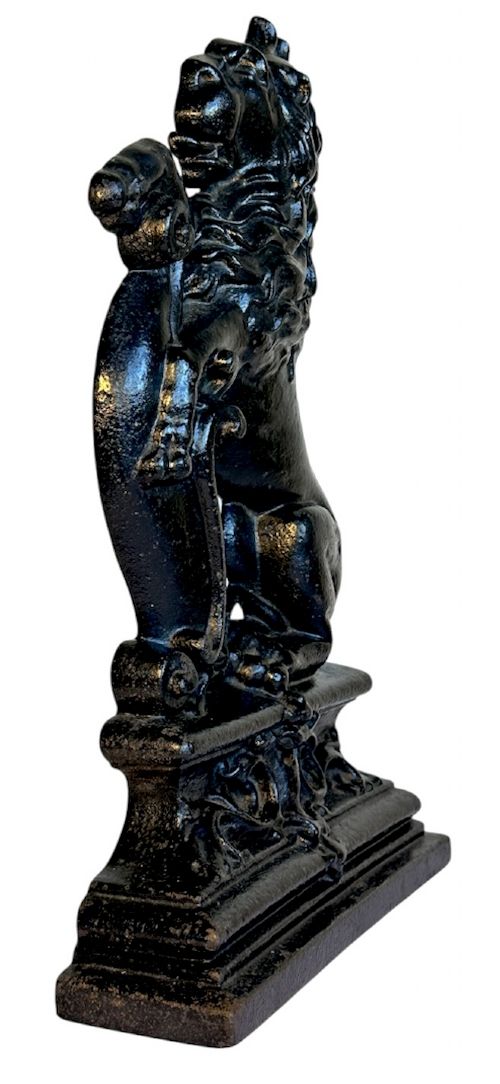
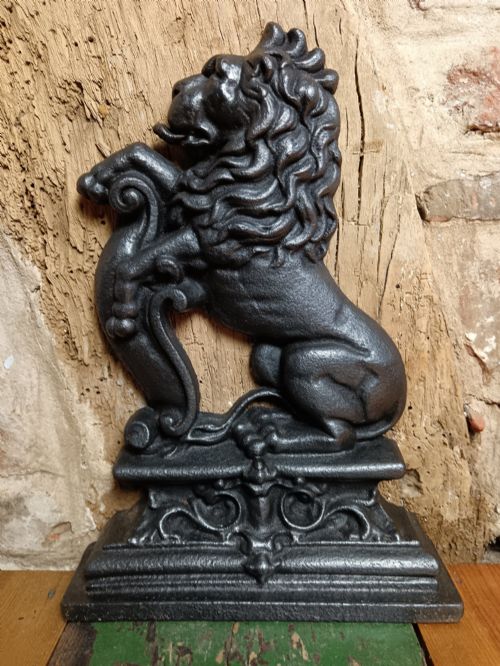
Figural subjects dominate the form, featuring domestic animals and wildlife such as lions, stags, sheep, dogs, and horses alongside mythical creatures like dragons, unicorns, dolphins, and fish. Human characters also appear, most notably Mr Punch and Punch and Judy figures, as well as heraldic lions and woodcutters.
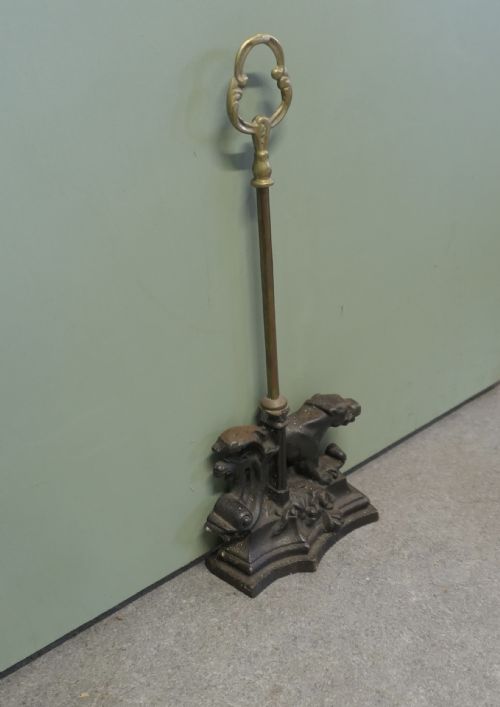
Many examples are cast entirely in iron, while others combine cast iron with brass elements or sit upon brass and cast iron bases or plinths. Pairs are occasionally found, particularly among horse, fish, and Punch and Judy subjects.
Materials and construction
The primary material is cast iron, poured into moulds to create heavy, durable weights suited to holding doors. Some pieces incorporate brass components or rest upon wooden elements.
Surface treatment often involves paint applied directly to the iron, preserving original decorative finishes and ornament. Combinations of cast iron and brass yield contrasting metallic tones within single pieces.
Retail Price Guide 2026
Typical UK retail prices for victorian cast iron doorstop, calculated from the Sellingantiques database of over a million retail prices indexed since 2003. This retail price guide relies exclusively on Sellingantiques data; no external sources or auction records are used, so the figures do not describe the wider market.
Mr Punch keeps watch by the skirting board, forever frozen in mid-mischief.
Judging quality and character
The presence of original painted surfaces adds depth to a piece, distinguishing items that retain their early decorative finishes from those altered over time. The integration of mixed materials, such as brass details or specialised plinths, also shapes the character of the object.
John Crowley·Kenrick
The Victorian Cast Iron Doorstop Glossary
- Door porter
- An alternative nineteenth-century term for a heavy doorstop designed to hold doors open. These portable weights perform the same function as fixed door stops.
- Plinth
- A solid base or pedestal upon which the main figure of the doorstop stands. Many brass and cast iron examples utilise a dedicated plinth for stability.
- Heraldic
- Pertaining to coats of arms and formal emblems, seen in figures like the rampant lion. These designs draw upon traditional heraldic imagery.
- Cast iron
- An iron-carbon alloy poured into a mould to form solid objects. This heavy material provides the necessary weight for holding doors.
- Folk art
- Utilitarian objects made outside academic traditions by makers using traditional techniques. Painted ornaments often embody this vernacular approach.
Frequently Asked Questions
How were these doorstops used?
They were placed on the floor directly in the path of a heavy interior door to prevent it from swinging shut. Their substantial weight kept them firmly in position.
Beyond their practical function, they served as decorative ornaments within nineteenth-century hallways and rooms.
What subjects are most common?
Animals form a large group, including lions, stags, horses, dogs, sheep, fish, and dolphins. Mythical creatures and figures such as Mr Punch also appear frequently.
Some examples feature heraldic designs or occupational figures like woodcutters.
Are these pieces found in pairs?
Pairs do occur, particularly among horse, fish, and Punch and Judy subjects. Single examples remain the most common finding.
Matching pairs were often utilised for wider doors or balanced placement across adjacent rooms.
Did makers sign these pieces?
Some pieces bear attribution to known foundries and makers like Kenrick or John Crowley, though many remain unmarked. Maker marks are typically cast directly into the iron.
Attribution often relies on design characteristics and foundry records rather than signature marks.