


Victorian Cast Iron Back
A victorian cast iron back brings dense industrial weight and robust relief moulding to a hearth or garden scheme.
Victorian Cast Iron Back
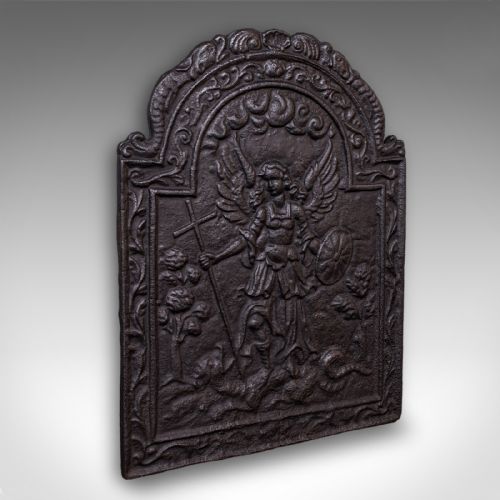
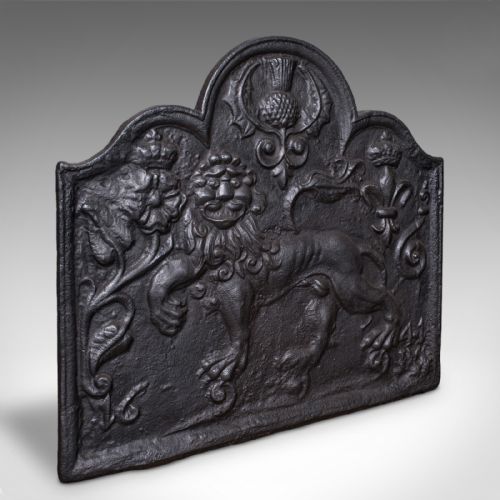
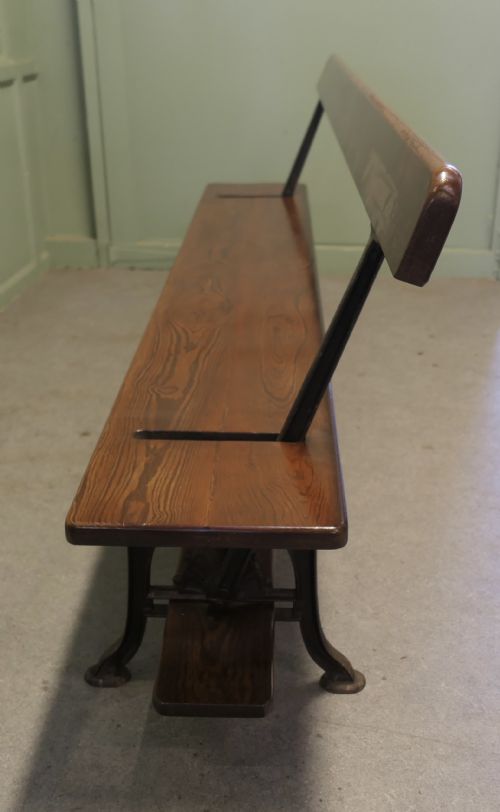
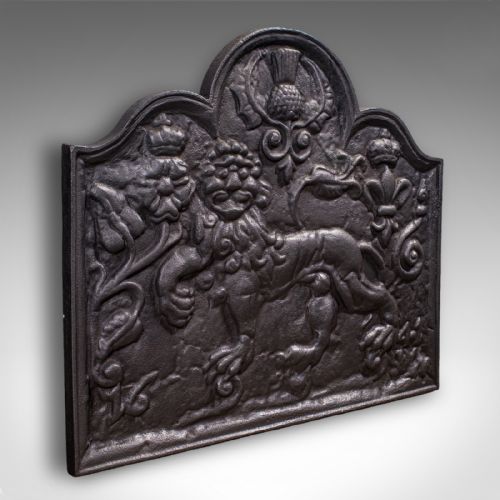
When you search for a victorian cast iron back, you encounter heavy hearth panels known as firebacks or fireplace reflectors, alongside robust seating frameworks such as tram benches, garden settees, and iron-framed armchairs. These objects emerge predominantly from the nineteenth century, spanning periods from early Victorian work up to the 1920s.
The fireback forms the most common discovery within this category, cast in English workshops to radiate heat forward into the room while protecting the masonry behind the grate. Alongside these hearth panels, buyers frequently meet garden seats, benches, and chairs incorporating iron elements, wood, and pitch pine.
Stylistic variation runs from plain utility pieces to ornate expressions of Victorian industrial, Gothic, heraldic, Neoclassical, and Carolean revival motifs. Each piece serves a functional purpose rooted in nineteenth-century domestic and public life, whether warming a chimney breast or seating passengers on a trolley bus.
How they were made
Foundries produced these items using cast iron poured into moulds to create deep relief panels, structural frames, and grates. Artisans combined this metalwork with secondary materials like pitch pine, oak, leather, and fabric, particularly in seating where upholstered button backs or wooden slats complemented the rigid iron chassis.
Surface treatments included protective dark paint, polished finishes, and natural oxidation acquired over decades of exposure to hearth smoke or garden weather. Joinery on the associated seating utilised sturdy timber planks secured to metal supports, while the cast panels relied entirely on the thermal mass and durability of heavy iron.
Some iron frames started life on Victorian tram and trolley buses before finding retirement as garden seating.
What varies in quality
Quality rests upon the crispness of the cast relief work and the depth of the moulding. Panels featuring detailed heraldry, Tudor revival crests, or intricate Tree of Life motifs display superior artistic ambition compared to plain utility plates.
The integrity of the metal and the retention of original supporting elements, such as grates, fenders, or matched wooden frames, distinguish standard utility items from finer decorative survivals.
Gillows of Lancaster
The Victorian Cast Iron Back Glossary
- Fireback
- A heavy metal plate placed at the back of an open hearth to reflect heat into the room and protect the brickwork.
- Reflector
- An alternative term for a fireback, describing its primary function of bouncing radiant energy outward.
- Relief
- Sculptural projection from a flat background surface, characteristic of decorative iron casting.
- Carolean Revival
- A design style drawing on late seventeenth-century motifs, seen in decorative panels and furnishings.
- Heraldic
- Incorporating coats of arms or crests, frequently cast into nineteenth-century ironwork.
Victorian Cast Iron Back: Frequently Asked Questions
What is a victorian cast iron back used for?
These pieces function primarily as heavy iron firebacks placed behind hearth grates to reflect heat and protect chimney masonry. Some examples serve structural roles as frames for garden benches, armchairs, and public transport seating.
Their substantial iron construction allows them to endure high temperatures indoors or weather conditions outdoors.
How do I install a cast iron fireback?
A fireback stands upright against the rear brick wall of an open fireplace, often supported by small feet or leaned directly against the masonry behind the grate.
Ensure the hearth space accommodates the weight and dimensions of the iron panel safely before positioning it.
Are these pieces purely decorative?
While many feature ornate relief work, heraldry, or revival motifs, they were engineered for practical utility in nineteenth-century homes and gardens. Firebacks managed radiant heat, while iron-framed seating provided durable everyday furniture.
Their survival depends on this robust combination of functional design and sturdy materials.
How do I identify a Victorian piece?
Identification relies on observing the casting style, material weight, and decorative vocabulary associated with nineteenth-century manufacturing. Characteristics like Gothic, Neoclassical, or Carolean revival motifs often point to this era.
Examining the depth of the iron relief and associated woods like pitch pine helps confirm the period.