

Victorian Carved Wooden Box
A victorian carved wooden box brings tangible history to a desktop, housing personal treasures in walnut, oak, and exotic woods.
Victorian Carved Wooden Box
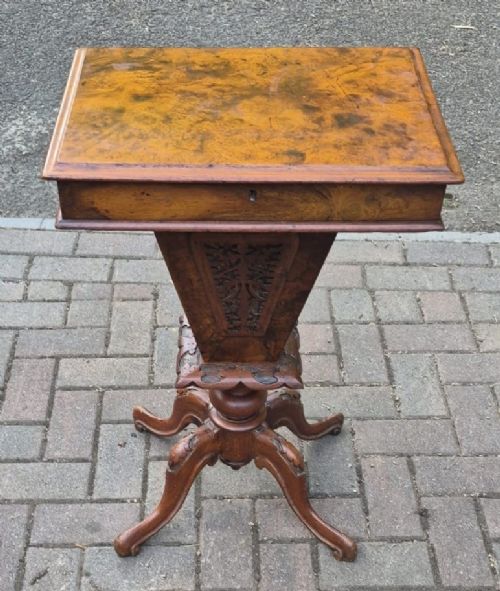
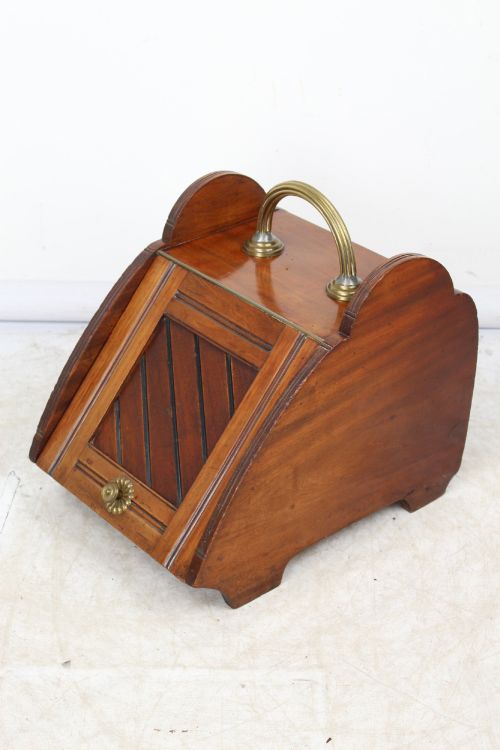
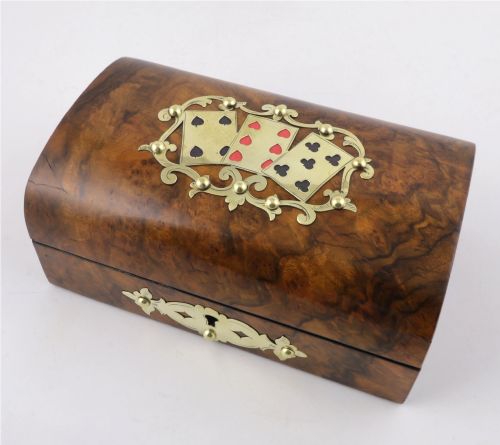
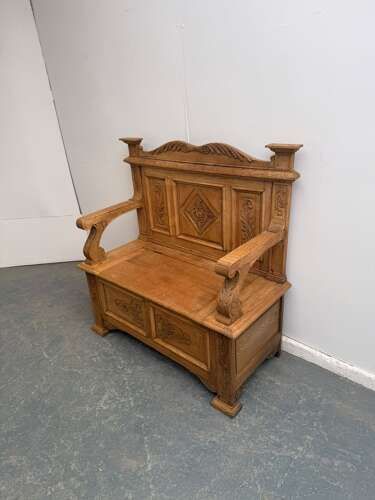
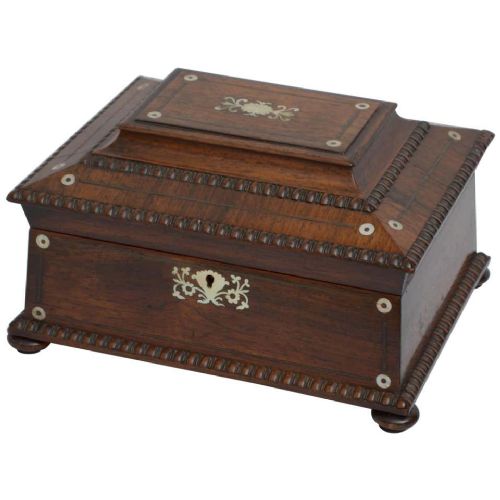
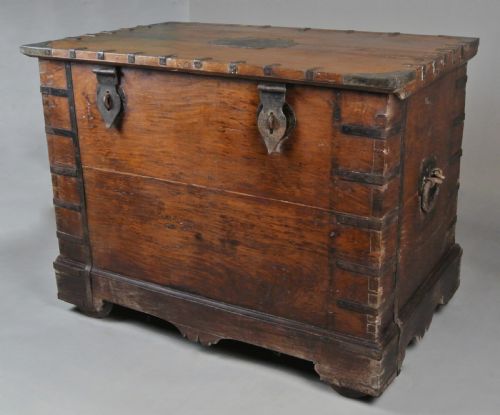
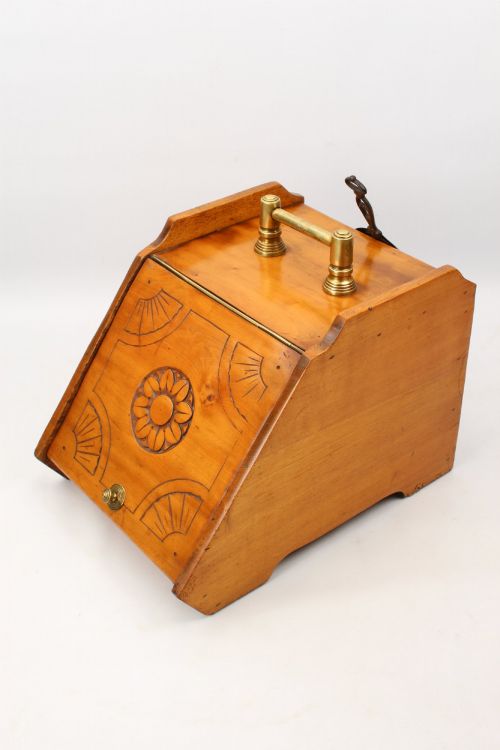
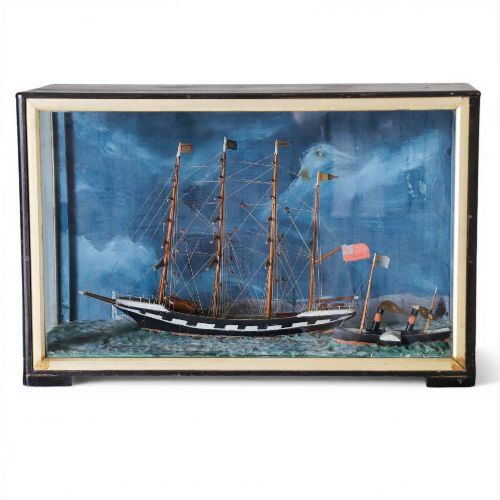
A victorian carved wooden box encompasses small desktop receptacles, tea caddies, correspondence boxes, and larger utilitarian items fashioned during the nineteenth century. Buyers seeking this search phrase encounter diverse forms ranging from intricate snuff boxes and card caskets to sewing boxes and larger maritime pieces.
The material palette is predominantly wood, featuring walnut, burr walnut, mahogany, oak, and fruitwood, frequently accented with brass, bone inlay, and iron hardware. These vessels served practical domestic purposes, from storing correspondence and gaming equipment to holding tobacco or jewellery.
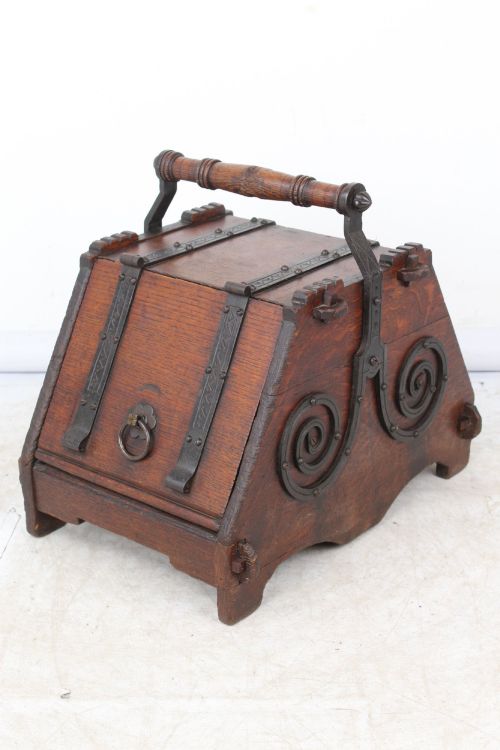
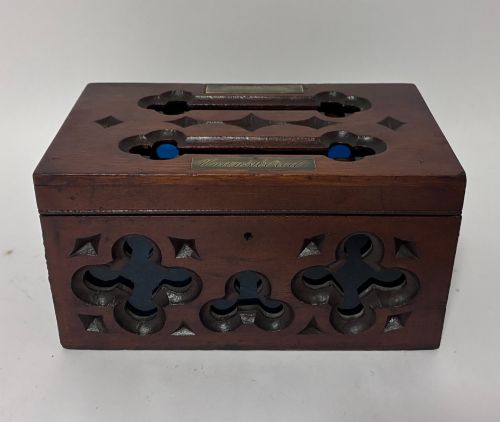
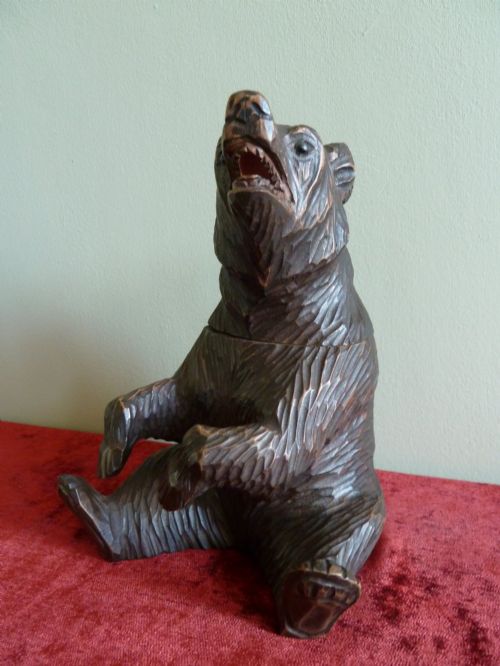
Origins span standard Victorian production, Black Forest carving traditions, folk art creations, and Gothic Revival designs. Pieces connect directly to nineteenth-century domestic life, reflecting the era's taste for decorative and functional wooden objects.
What varies in quality
The refinement of the hand carving dictates much of the distinction across pieces, separating standard production boxes from deeply sculpted Black Forest or folk art examples. Crisp execution of detail in foliage, figures, or geometric inlays indicates superior craftsmanship.
Selection of timber grade, particularly figured burr walnut or choice mahogany, heavily influences the visual impact of a piece. Original mounts, hinges, locks, and interior fittings preserved in usable condition maintain the integrity of the object.
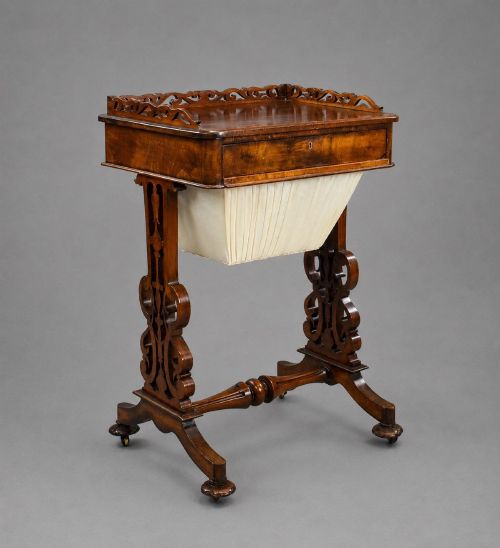
Object forms span tea caddies, correspondence boxes, sewing tables, and snuff containers.
Christopher Dresser
The Victorian Carved Wooden Box Glossary
- Burr walnut
- A timber harvested from walnut tree growths that produces highly figured, swirling grain patterns. Makers prized this material for veneering luxury boxes and tables.
- Treen
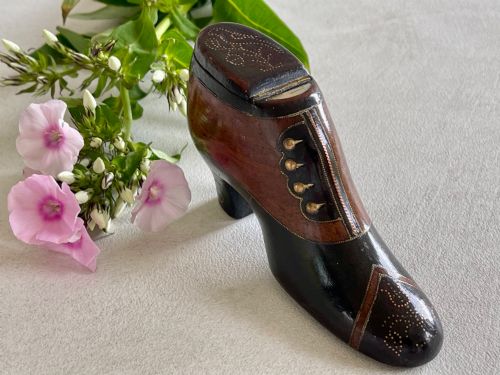
- Small handmade wooden household objects produced before the mass era. This category includes snuff boxes, shoe-form containers, and small treen puzzle boxes.
- Black Forest
- A style of wood carving originating from the mountain region of Germany. Pieces display naturalistic animal forms, foliage, and deep sculptural relief.
- Sarcophagus
- A box shape featuring a domed lid and sloping sides, resembling an ancient stone coffin. This form appeared frequently in nineteenth-century tea caddies.
Victorian Carved Wooden Box: Frequently Asked Questions
What did people store in these boxes?
Victorian households utilised these containers for storing valuables, writing paper, playing cards, and tobacco. Smaller vessels held snuff or sewing implements for daily use.
Different internal layouts, such as compartments for tea caddies or velvet-lined trays for jewellery, indicate the specific intended function of each box.
How do I identify a Black Forest box?
Black Forest carvings are typically rendered in lime or walnut wood, featuring distinct naturalistic motifs like bears, foliage, and deeply undercut relief work. These pieces originated from European mountain workshops in the nineteenth century.
The dynamic, sculptural subjects separate them from standard geometric or veneered British boxes of the same period.
Are original keys usually included?
Original working keys are uncommon because locks were frequently misplaced over generations of domestic use. Many boxes retain their original brass escutcheons and lock mechanisms even without the key.
Locks can sometimes be opened by specialists, but the presence of the original key remains a bonus for collectors.
How should I care for antique wood?
Maintain stable humidity levels and keep wooden boxes away from direct sunlight and heat sources to prevent timber splitting or veneer lifting. Occasional application of appropriate wax preserves the polish.
Avoid abrasive cleaners and harsh liquids, using only a soft, dry cloth for routine dusting of carved surfaces.