


Antique Velvet Lined Box
An antique velvet lined box holds personal treasures, from jewellery and silver to instruments and launching caskets, offering tactile luxury and period craftsmanship.
Antique Velvet Lined Box
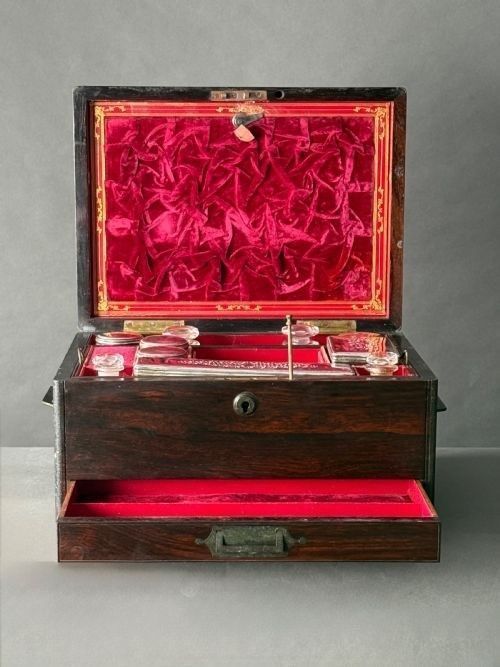
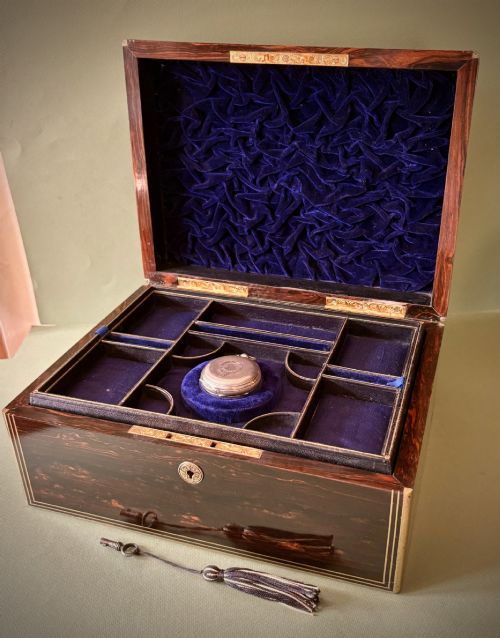
When you search for an antique velvet lined box, you encounter a diverse array of fitted receptacles designed to protect and display precious items. The selection spans Georgian, Victorian, and Edwardian periods, encompassing jewellery chests, vanity cases, bijouterie tables, and specialised presentation caskets.
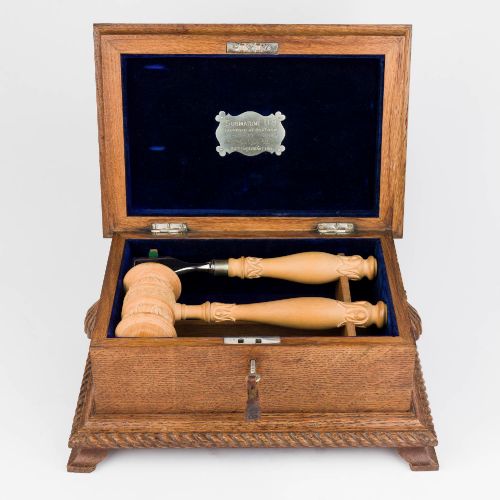
Beyond standard jewellery boxes, the evidence includes campaign silverware trunks, decanter boxes, instrument cases, and nautical launching caskets. These variations reflect the vast range of objects that required cushioned storage in previous centuries.
Materials and construction methods
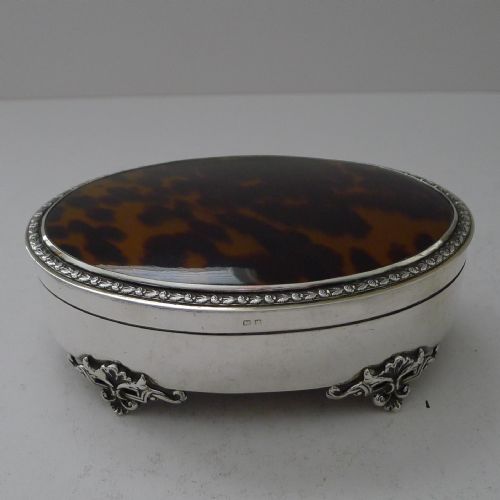
Cabinetmakers utilised durable hardwoods such as mahogany, rosewood, walnut, oak, and coromandel to construct the carcass of each box. Brass mounts, glass panels, and sterling silver or tortoiseshell inlays frequently decorate the exterior surfaces.
Interiors rely on tactile textiles like velvet to cushion fragile contents, paired with fitted compartments of wood, bone, or leather. Construction techniques range from traditional dovetail joinery in travel trunks to intricate marquetry and tramp art carving on decorative caskets.
Listings include boxes lined in velvet from the Georgian, Regency, Victorian, and Edwardian periods, utilising mahogany, rosewood, coromandel, and oak.
Factors determining the standard of a piece
Quality rests upon the selection of timbers and the precision of the exterior mounts and inlays. Dense grain patterns in rosewood, coromandel, or walnut, combined with cleanly fitted brass hardware, elevate a box above standard domestic utility.
Internal complexity also distinguishes finer examples, particularly those retaining fully fitted velvet interiors with original glass bottles, instrument trays, or silver hallmarks. The integration of structural joinery with delicate textile lining defines the upper tier of surviving pieces.
W.E Hill
The Antique Velvet Lined Box Glossary
- Bijouterie table
- A glass-topped display table with a velvet-lined interior designed to showcase small decorative objects and jewellery. These pieces rose to prominence during the Victorian and Edwardian eras.
- Campaign trunk
- A robust, portable storage chest built for travel, typically featuring reinforced brass corners and flush handles. These utilitarian pieces protected silverware and personal effects during military or maritime transit.
- Coromandel
- A dense, heavily figured timber imported from Asia, valued for its rich dark brown colour and contrasting stripes. Cabinetmakers utilised it for high-status Victorian dressing cases and boxes.
- Tramp art
- A style of folk art characterised by chip-carving wooden elements, often constructed from recycled cigar boxes. Pieces in this tradition display distinctive layered geometric patterns.
- Tea caddy
- A small lidded container built to store loose tea leaves securely. Early examples often incorporate internal compartments and velvet linings to preserve expensive aromatics.
Antique Velvet Lined Box: Frequently Asked Questions
What were antique velvet lined boxes used for?
These boxes served to protect and organise high-value personal possessions, ranging from jewellery and pocket watches to draughtsman's instruments and silver flatware. Fitted interiors kept delicate items secure during transport or daily domestic use.
Specialised examples held specific items such as decanters, cellos, conductor's batons, or naval launching caskets. The velvet lining prevented scratches and added a layer of refined presentation to the contents.
How do I identify the period of a box?
Dating relies on a combination of timber selection, construction techniques, and decorative styles. Georgian and Regency pieces often feature simpler classical proportions in mahogany or rosewood, while Victorian examples frequently employ heavier brass mounts, coromandel, and complex fitted compartments.
Edwardian items often lean towards lighter inlaid mahogany and display-oriented bijouterie forms. Hallmarks on integrated silver components provide more precise dates where present.
Are the velvet linings usually original?
Survival of original textile linings depends on the usage and storage conditions of each individual box. Some pieces retain their period velvet and silk fittings intact, showing appropriate signs of age and wear.
Because fragile textiles degrade over centuries, buyers should examine listings closely to determine whether the lining is period-correct or a later replacement.
How do I care for an antique wooden box?
Preservation requires maintaining stable indoor humidity levels to prevent the timber and internal veneers from warping or cracking. Avoid placing wooden boxes in direct sunlight or near heat sources.
Dust exterior surfaces gently with a dry cloth and protect internal velvet linings from moisture and direct contact with harsh cleaning agents.