


Victorian Carved Torchere
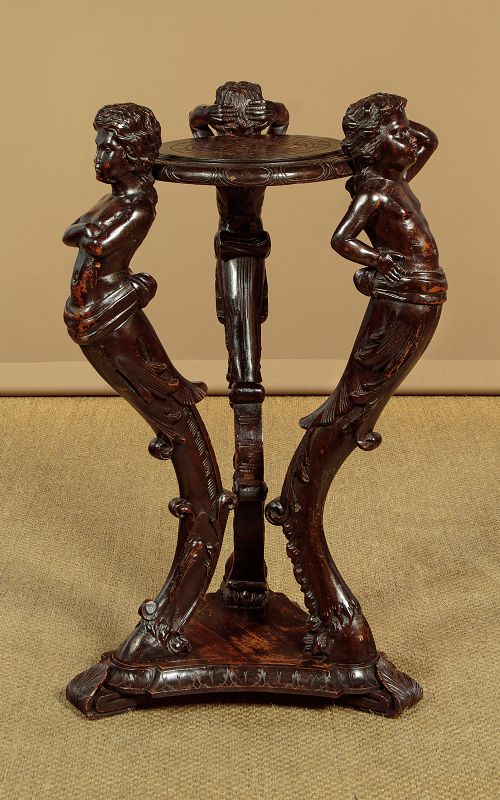
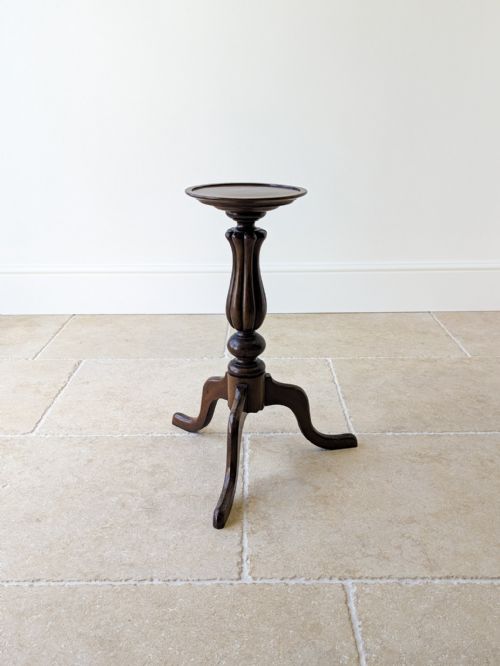
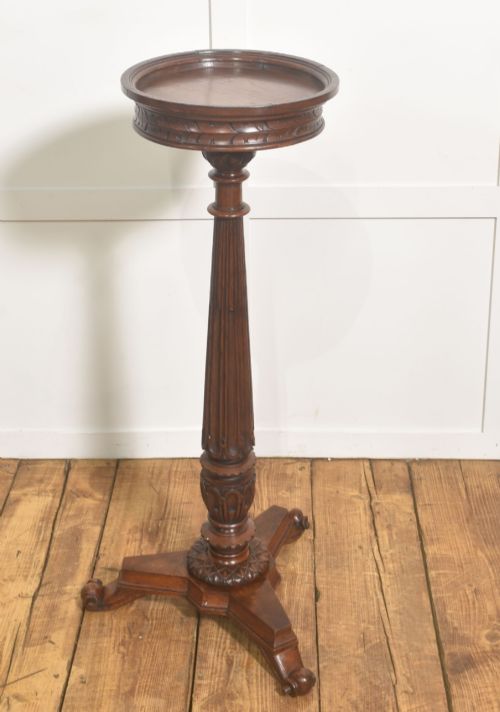
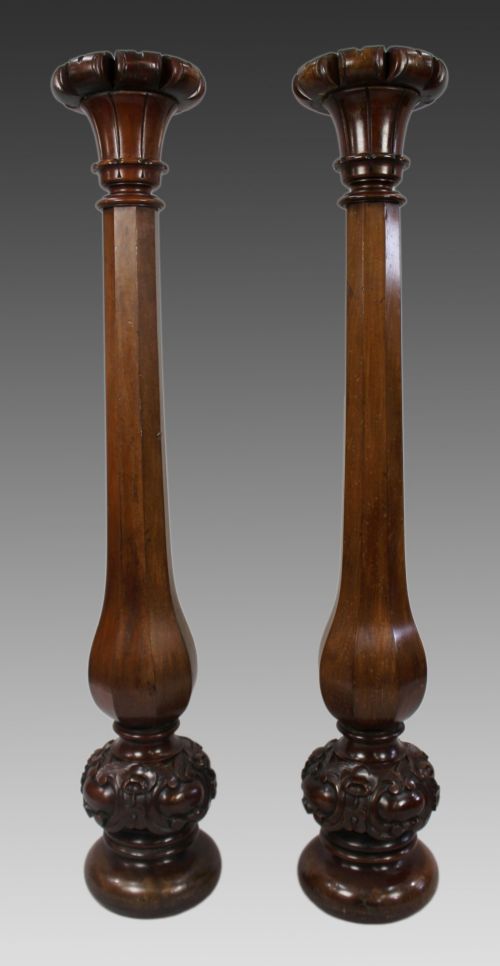
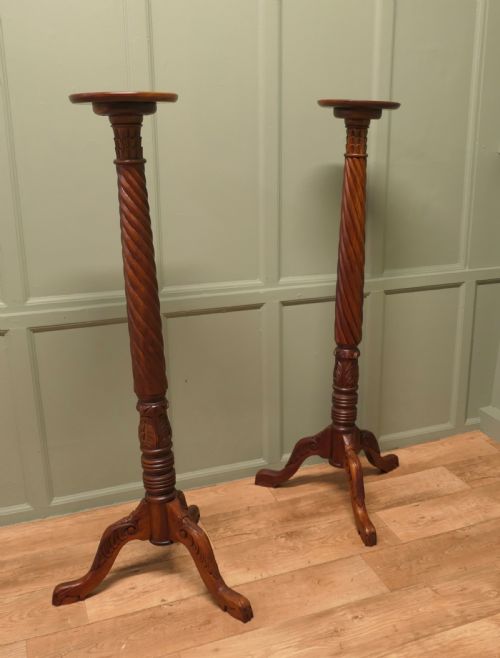
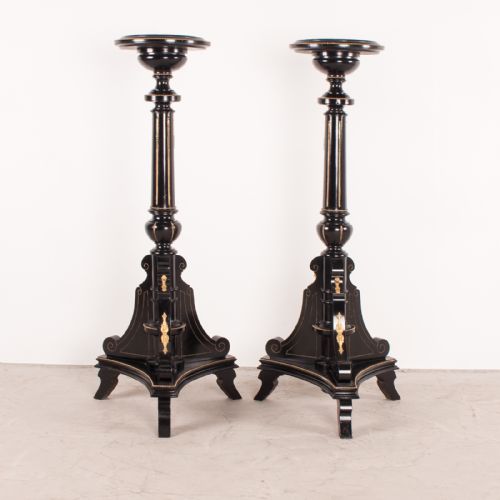
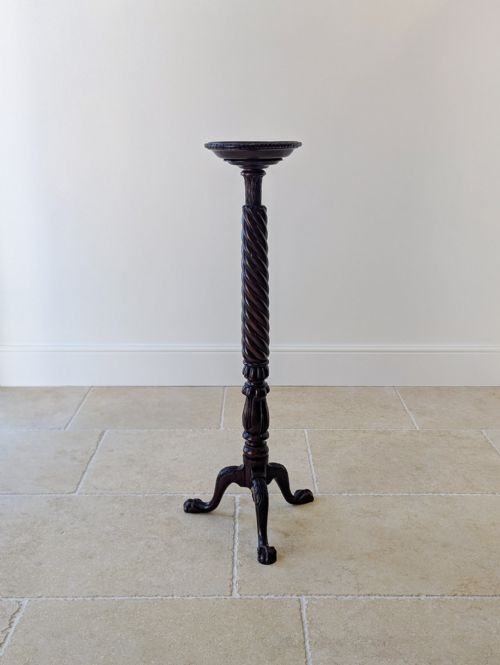
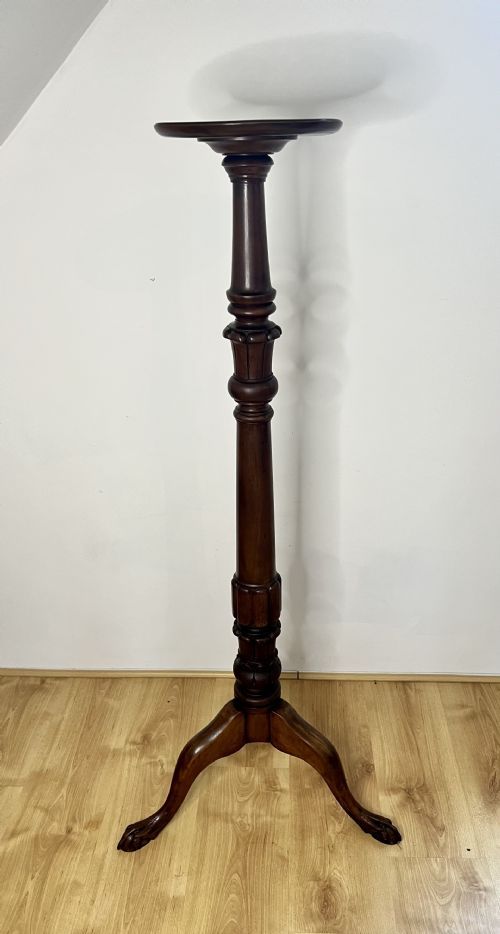
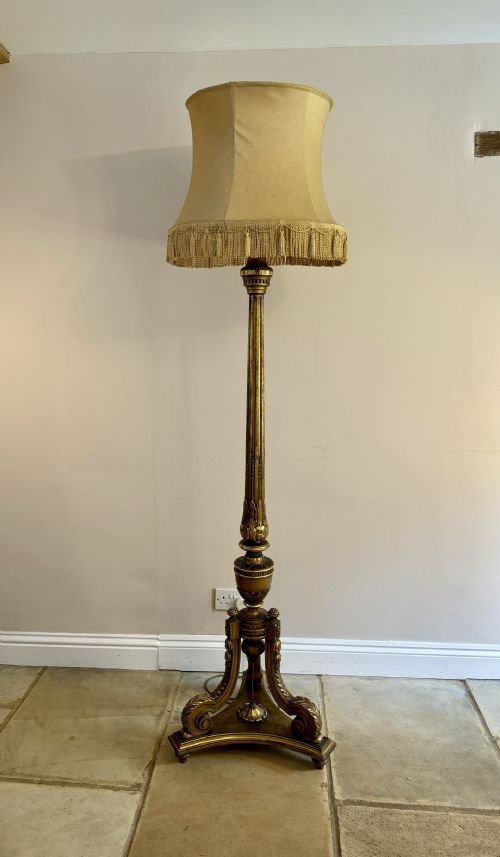
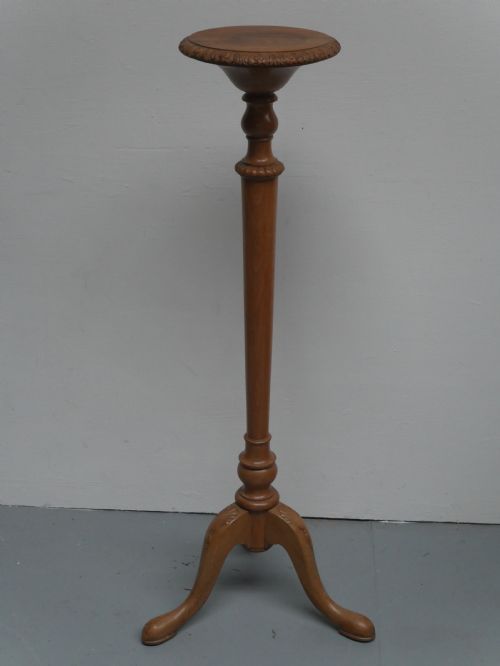
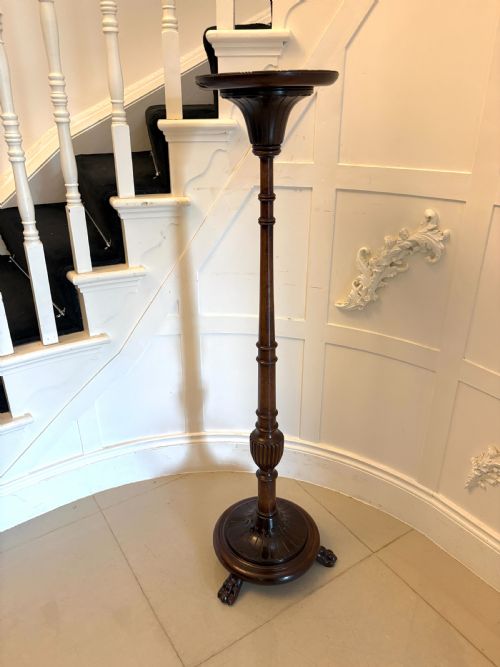
These a victorian carved torchere stands tall to hold lamps, plants or busts, bringing sculptural height and rich detail to a room.
Victorian Carved Torchere
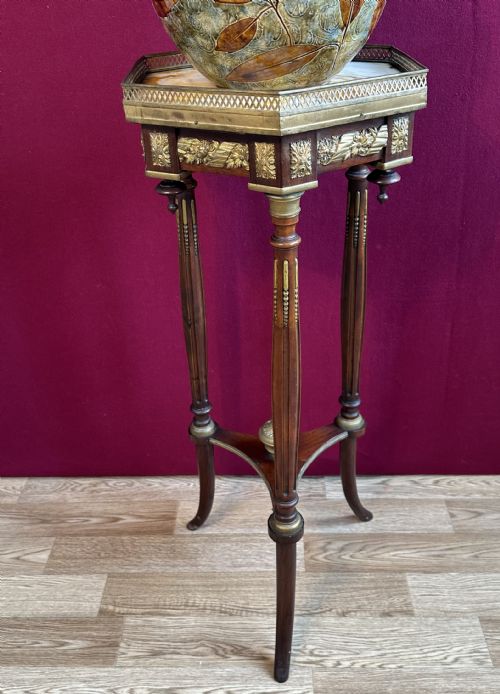
A victorian carved torchere is a tall, slender stand designed to elevate a lamp, plant, or bust above floor level. Buyers searching this phrase encounter forms ranging from simple tripod columns to elaborate figural and architectural pedestals.
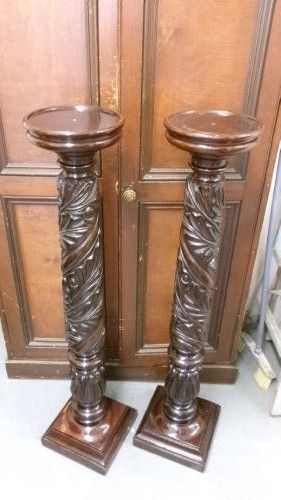
The materials and styles span traditional mahogany Chippendale revivals, walnut Blackamoor figures, and oak Gothic columns. Most examples date from the nineteenth century, often serving dual purposes as plant stands or jardiniere supports.
What varies in quality
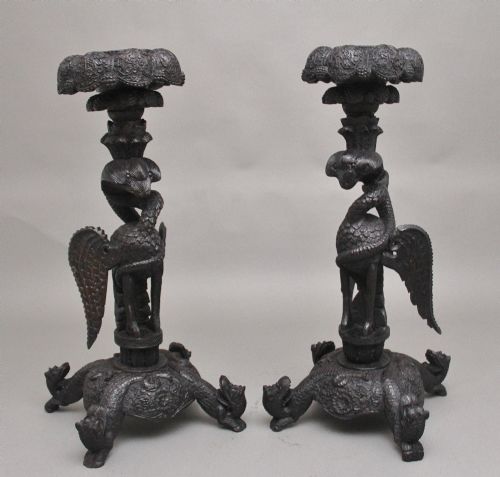
Quality rests in the depth and crispness of the hand carving rather than surface polish alone. Finer pieces display deeply undercut foliage and finely detailed figural work rather than shallow, mechanical stamping.
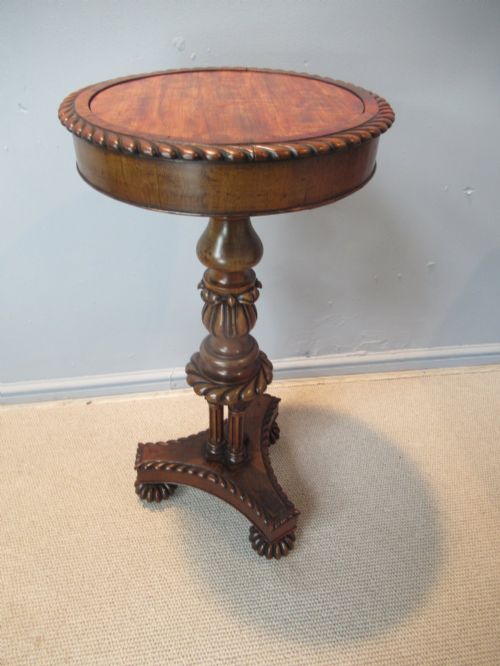
Structural integrity also separates standard production from exceptional work, particularly in the stability of tripod bases and the precise turning of tall columns.
Victorian Carved Torchere Retail Price Guide 2026
Typical asking prices for victorian carved torchere among the pieces listed under this phrase on Sellingantiques today, from the lower quarter to the upper quarter. They describe what is for sale here now, not the wider market.
Listings demonstrate a strong preference for mahogany and walnut, alongside rarer examples in rosewood, oak, and ebonised wood.
The Victorian Carved Torchere Glossary
- Torchere
- A tall stand originally intended to hold a candle or torch, later adapted for lamps and urns. It provides vertical accent in a room scheme.
- Jardiniere
- An ornamental pot or stand for holding plants or flowers. These often form the upper platform of a tall pedestal.
- Caryatid
- A sculptured female figure serving as an architectural support instead of a column. They frequently appear on nineteenth century stands.
- Ebonised
- Wood finished with a dark stain or paint to imitate ebony. This treatment was popular for decorative effect in nineteenth century furniture.
- Tripod
- A three-legged base providing stability for tall, slender furniture. Many nineteenth century plant stands utilise this configuration.
Victorian Carved Torchere: Frequently Asked Questions
What is a victorian carved torchere used for?
These tall stands were traditionally used to illuminate dark corners by holding lamps or candles. Today they serve equally well as elevated pedestals for indoor plants, bronze figures, or art pottery.
Their narrow footprint allows them to fit easily into corners or tight spaces between furniture while adding height and architectural interest to an interior.
How do I spot a real nineteenth century torchere?
Examine the timber closely for period-appropriate ageing, tool marks from hand carving, and traditional joinery methods. Nineteenth century pieces often use heavy native or imported hardwoods with solid timber construction.
Check for consistency in the patina and wear patterns around the base where feet or tripod legs meet the floor.
What styles are common in these stands?
Chippendale revival and Gothic revival styles dominate many nineteenth century examples, featuring classical columns, foliate carving, and spiral pillars. Other variations include Anglo-Indian rosewood designs and figural Black Forest or Venetian stands.
These diverse styles reflect the Victorian appetite for historicism and exotic revival aesthetics in domestic decor.