



Traditional Tall Plant Stand
A traditional tall plant stand lifts greenery into the light, bringing height and structural elegance to a corner.
Traditional Tall Plant Stand
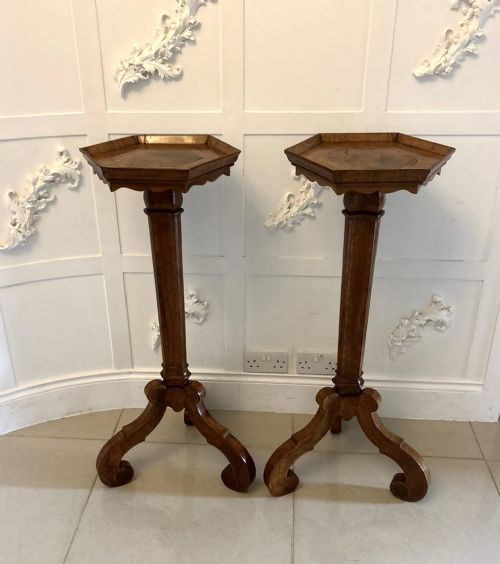
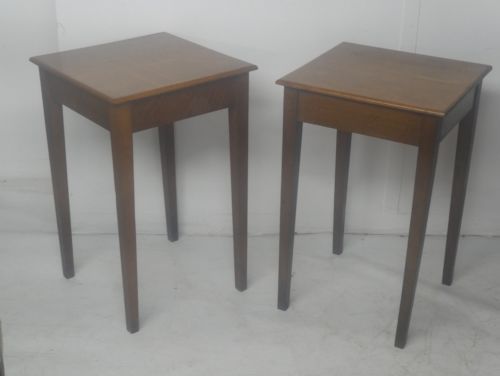
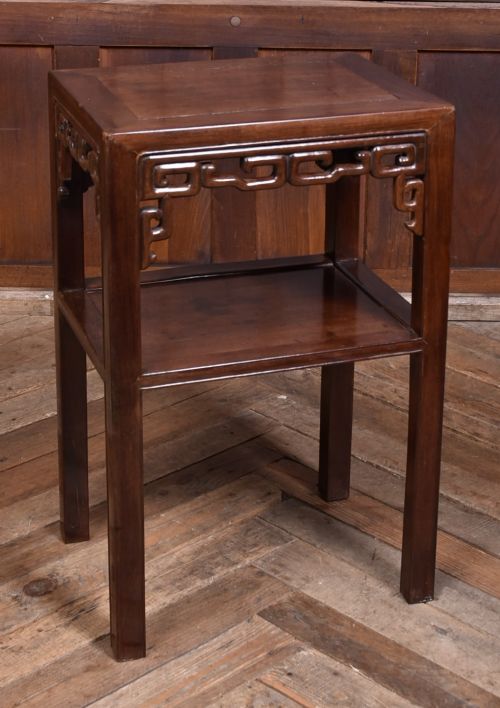
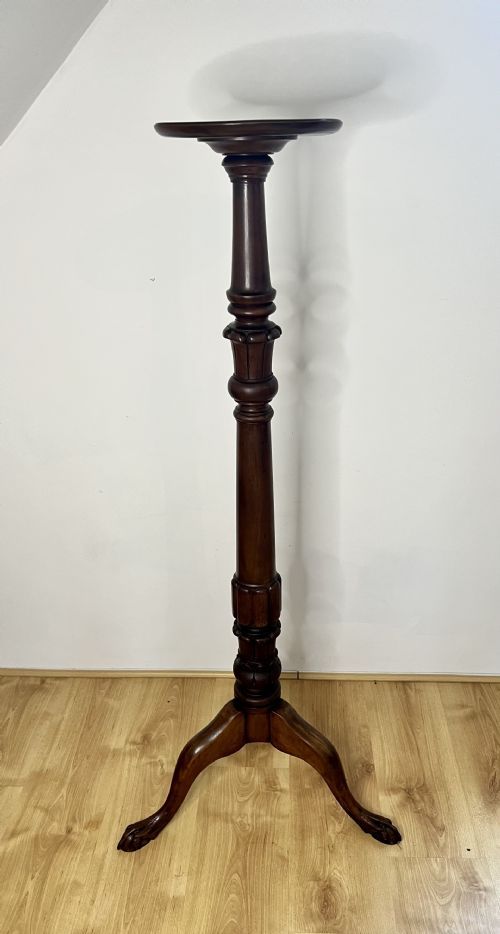
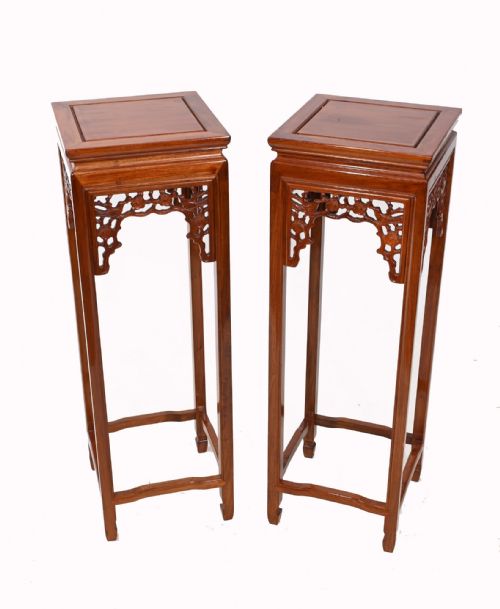
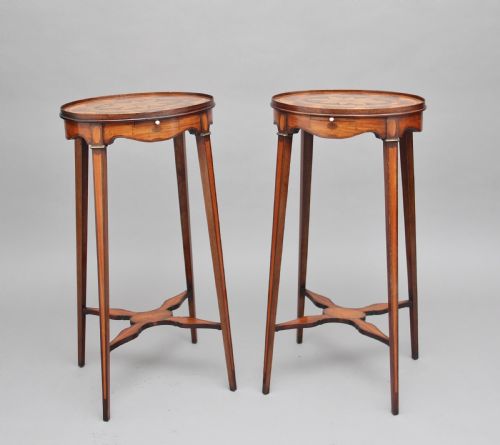
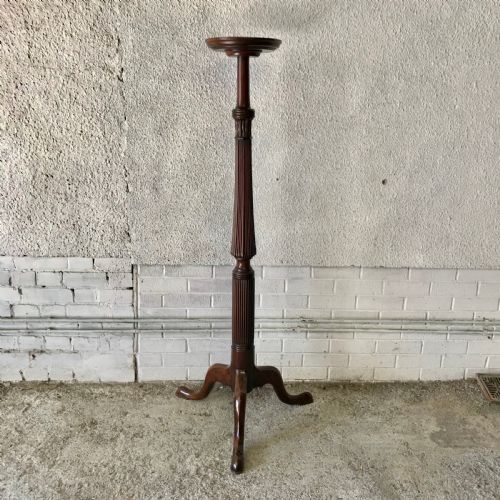
A traditional tall plant stand provides a raised platform for foliage, taking the form of torcheres, pedestal stands, and urn stands designed to occupy corners or empty spaces. Buyers seeking a traditional tall plant stand encounter forms ranging from Victorian mahogany torcheres to Scottish oak lamp tables and Chinese pedestal stand tables.
The selections span the nineteenth century through the early twentieth century, encompassing periods such as Victorian, Edwardian, and the Arts and Crafts movement. Makers and workshops from these eras utilised diverse cultural vocabularies, including Chinese traditional designs alongside Sheraton revival and Jacobean revival styles.
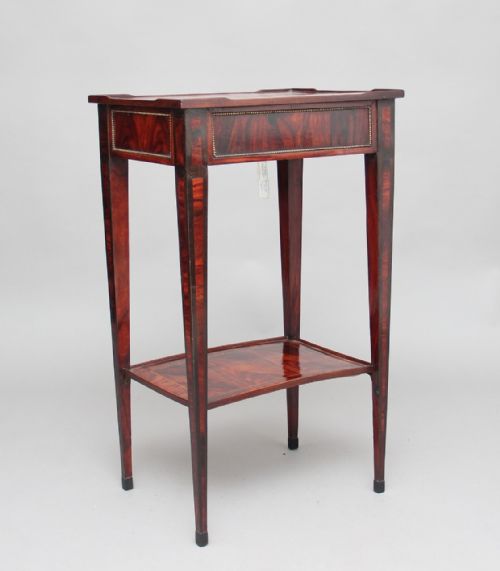
Most examples function equally well as occasional tables, jardinière stands, or lamp tables, reflecting how domestic furniture adapted to hold heavy ceramic planters or display decorative objects. The pieces appearing here rely on slender vertical proportions to command attention without crowding a room.
How they were made
Cabinetmakers constructed these stands predominantly in solid hardwoods such as mahogany, oak, and rosewood, often employing turned elements like barley twist stems. Wood inlay, bone details, and carved decoration added surface texture to the vertical shafts and circular tops.
Metal components, particularly brass, appear as structural supports or decorative mounts, while some forms integrate mixed media such as oriental hardwood paired with metal fittings. Construction techniques focused on stability at height, balancing narrow footprints with weighted or splayed bases to support heavy plants.
Traditional Tall Plant Stand Retail Price Guide 2026
Typical asking prices for traditional tall plant stand among the pieces listed under this phrase on Sellingantiques today, from the lower quarter to the upper quarter. They describe what is for sale here now, not the wider market.
What varies in quality
Quality rests on the integrity of the timber selection and the precision of the turning, where crisp hand-carved details or sharp barley twists distinguish finer workshops from simpler production. The choice between dense figured mahogany or richly grained oak elevates a utilitarian stand into a piece of fine furniture.
Structural joinery dictates longevity, particularly at the junction between the slender stem and the upper platform or base, where enduring stability requires expert construction. Refined surface finishes that preserve the natural grain without masking the age of the wood separate superior examples from lesser pieces.
The Traditional Tall Plant Stand Glossary
- Torchere
- A tall, slender stand originally designed to hold a light source or candle, later adapted to display plants or urns. These pieces feature elongated stems terminating in small circular tops.
- Jardinière
- An ornamental pot or stand for holding plants or flowers. In furniture terms, it refers to tables or pedestals specifically built with water-resistant liners or sunken tops.
- Barley twist
- A type of turning shaped like a spiral rope, popular in seventeenth-century furniture and revived during later periods. This technique adds dynamic movement to the vertical supports of tables and stands.
- Urn stand
- A small, elevated table designed to support a decorative urn, often repurposed as a plant stand. These stands typically feature inlaid tops and tapered legs reflecting classical design revivals.
- Pedestal stand
- A standalone column or pillar providing height for a bust, vase, or plant. They are characterised by a broad base, a vertical shaft, and a flat upper surface.
Traditional Tall Plant Stand: Frequently Asked Questions
What is a torchere stand?
A torchere is a tall, slender freestanding column originally built to hold a light or candle, though it is now commonly used for plants.
These pieces use height to draw the eye upward and occupy minimal floor space in a room.
How were plant stands used historically?
Victorians used these elevated tables to bring heavy potted plants and ferns into better light and away from cold floors.
They also served as display surfaces for prized ceramics, lamps, and decorative art objects in formal reception rooms.
Where should I place a tall plant stand?
These stands suit dark corners, empty hallways, or empty spaces beside windows where a vertical element breaks up flat walls.
Their narrow footprints allow them to fit into tight spots without obstructing pathways.
How do I identify a Victorian stand?
Victorian stands frequently employ dense mahogany, deep hand-carving, and formal silhouettes that reflect nineteenth-century revival styles.
Examination of the timber grain and the method of turning reveals the period handwork typical of the era.
Can these stands hold heavy pots?
Solid hardwood construction and sturdy central columns give these traditional stands the capacity to support substantial weight.
Checking the stability of the base and the tightness of the central joints ensures safe display for heavier planters.