




Victorian Carved Swing Mirror
A victorian carved swing mirror brings warmth and functional elegance to a bedroom, pivoting smoothly on upright supports to catch the light.
Victorian Carved Swing Mirror
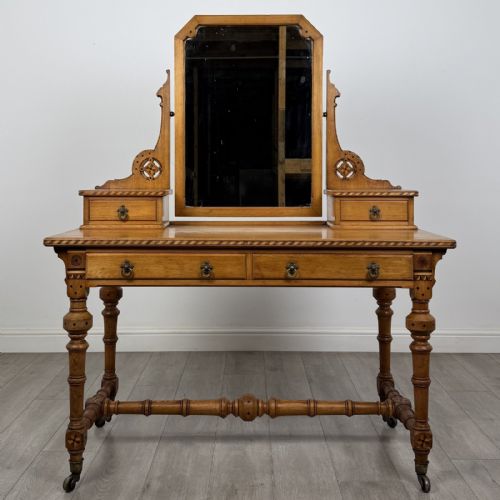
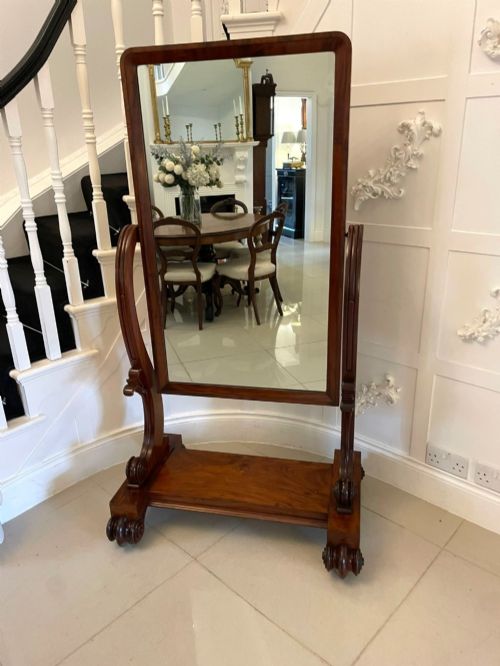
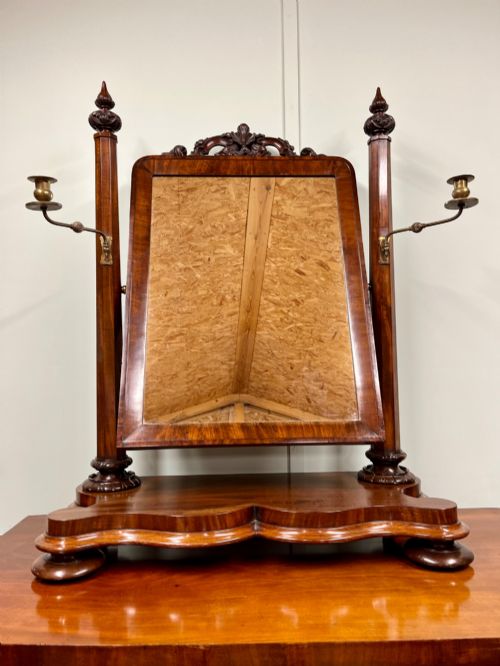
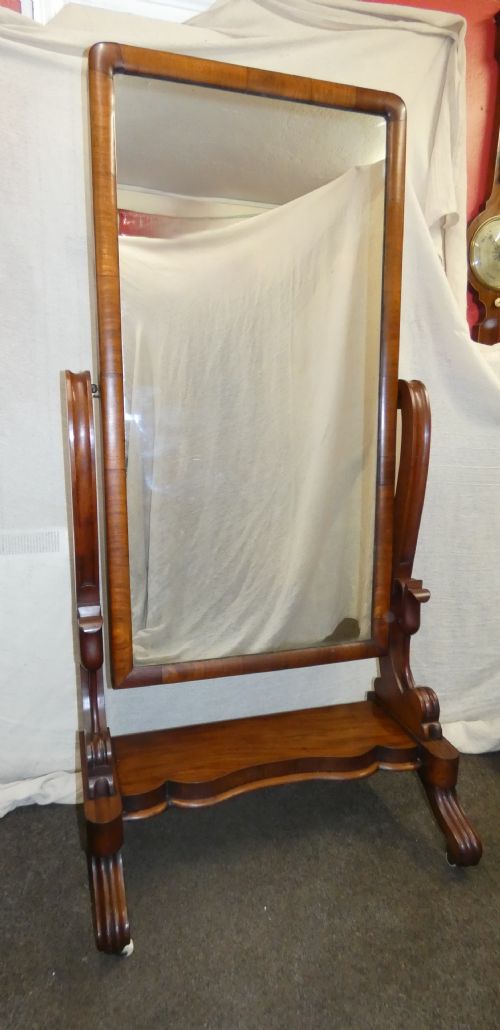
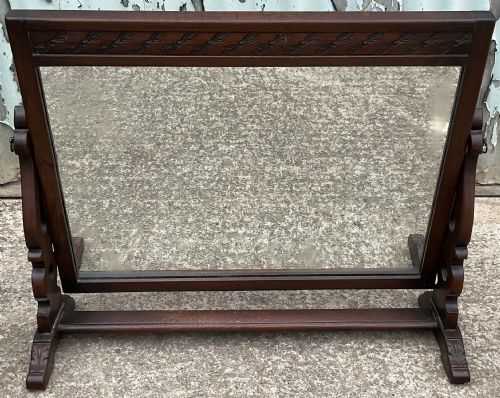
A victorian carved swing mirror takes several distinct forms, ranging from compact tabletop toilet mirrors to large floor-standing cheval mirrors designed for full-length viewing. Most examples encountered here sit upon dressing tables or chests of drawers, featuring pivoting plates framed by carved mahogany, oak, burr walnut, or satin birch.
The phrase encompasses pieces spanning the nineteenth century, with variations appearing in styles such as Regency, William IV, Rococo Revival, and Victorian Gothic Revival. Makers produced these items as essential dressing room furniture, often incorporating small trinket drawers or marble platforms into the base.
Materials and construction
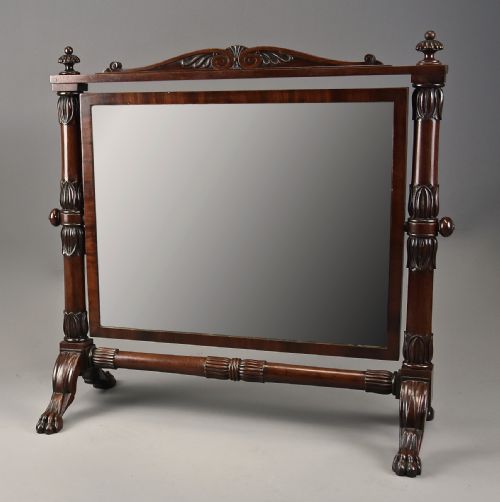
Cabinet makers relied predominantly on solid mahogany and flame mahogany veneer, alongside oak and burr walnut, building sturdy frames supported by turned columns or carved uprights. Brass fittings and pivot screws allowed the mirror glass to tilt securely to the desired angle.
Glass plates were silvered and set within rebated frames, while bases frequently featured compartmented drawers joined with traditional dovetailing. Elaborate carvings, applied mouldings, and canted corners completed the decorative scheme of these dressing mirrors.
Victorian Carved Swing Mirror Retail Price Guide 2026
Typical asking prices for victorian carved swing mirror among the pieces listed under this phrase on Sellingantiques today, from the lower quarter to the upper quarter. They describe what is for sale here now, not the wider market.
Listings feature mahogany, oak, burr walnut, and satin birch across nineteenth-century styles including Gothic Revival and Rococo.
Distinguishing quality
Quality reveals itself in the depth and crispness of the timber carving, the selection of figured veneers such as burr walnut, and the substantial weight of the frame. Superior examples demonstrate careful timber matching and robust secondary woods within the drawer construction.
The sophistication of the swivel mechanism and the retention of original mirrored glass further separate standard utility pieces from exceptional workshop productions attributed to prominent cabinet makers.
P and MA Nicholson
The Victorian Carved Swing Mirror Glossary
- Cheval mirror
- A large floor-standing dressing mirror supported in a frame that allows it to swing completely.
- Toilet mirror
- A smaller mirror designed to stand upon a dressing table, chest of drawers, or vanity.
- Swing mirror
- Any mirror mounted on pivots between two upright posts, enabling the glass plate to tilt.
- Flame mahogany veneer
- A decorative wood slicing chosen for its distinctive flickering flame-like grain pattern.
Victorian Carved Swing Mirror: Frequently Asked Questions
Where should I place a swing mirror?
These mirrors suit dressing tables, chest tops, or dedicated floor spaces depending on whether you select a tabletop toilet glass or a full-length cheval version.
Position them near a natural light source to make the most of the pivoting glass plate and brighten the room.
How do I date a Victorian mirror?
Examine the timber species, secondary woods, and construction methods like dovetailing on any base drawers to estimate the period.
Stylistic cues such as Gothic revival arches, Rococo curves, or Regency turned columns also help narrow down the decade.
Are the mirror plates original?
Many nineteenth-century pieces retain their original silvered glass, which often displays charming minor foxing or age spots.
Replacement glass does occur over time due to wear, so inspecting the silvering and backing provides clues to its history.
How do the swivel mechanisms work?
Side posts hold the frame using threaded brass screws, brass caps, or pivot pins that tighten to hold the mirror at your preferred angle.
Gentle adjustment keeps the tension balanced without straining the wooden uprights.