
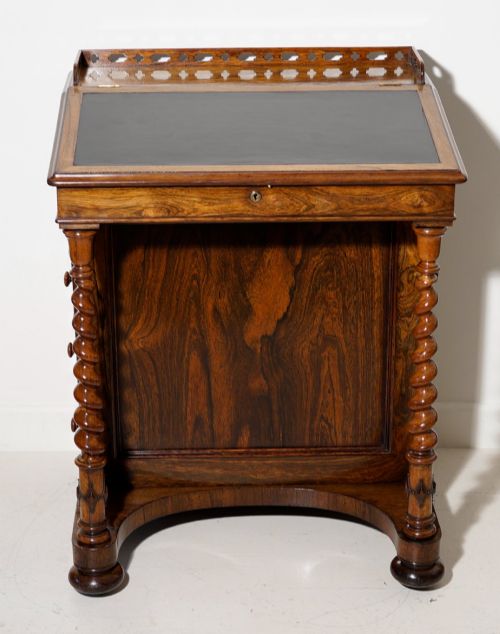
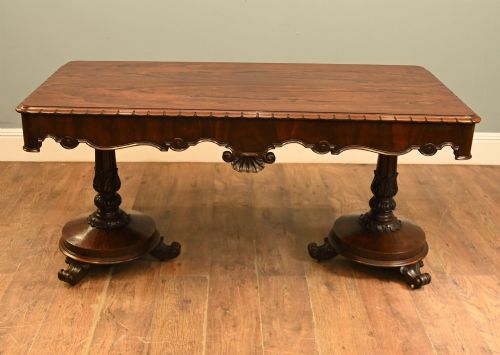
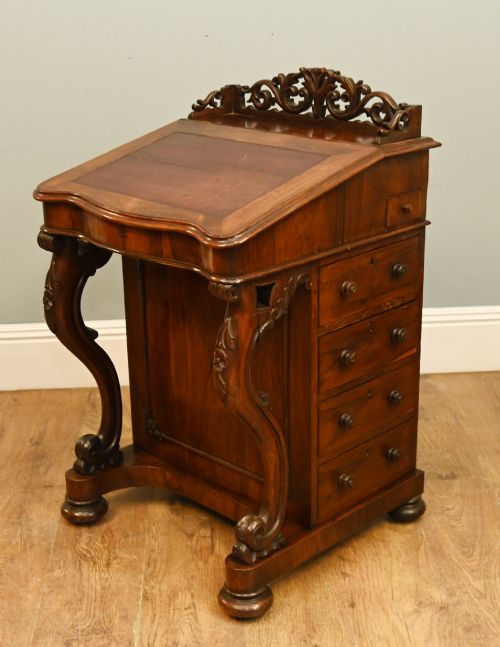
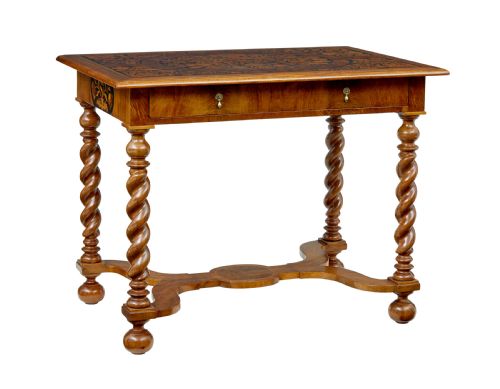
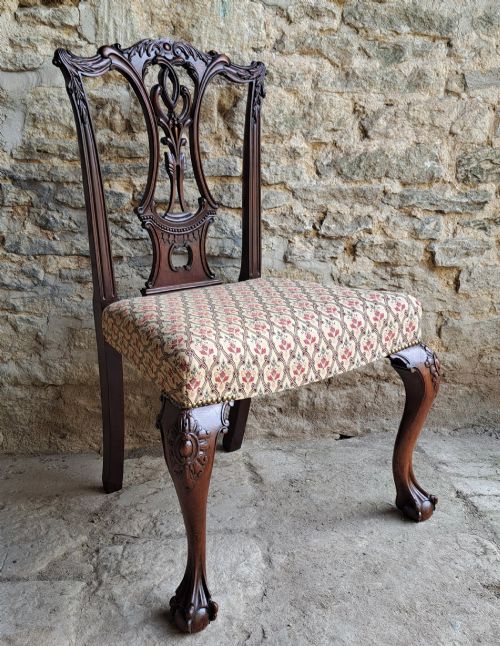
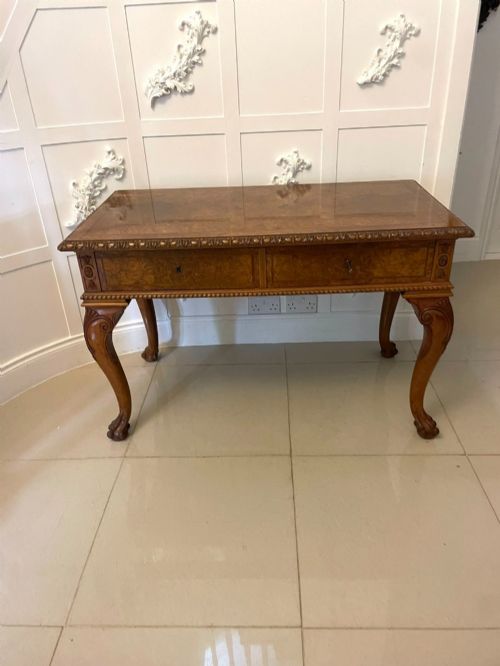
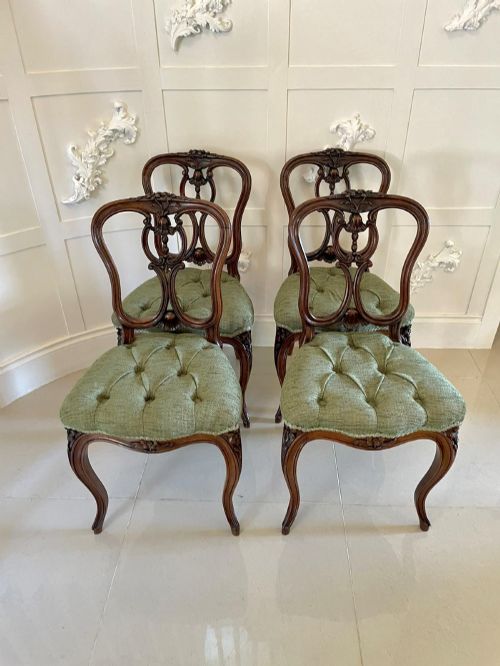

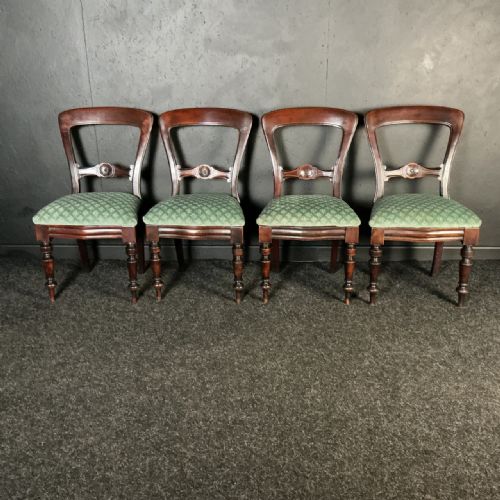
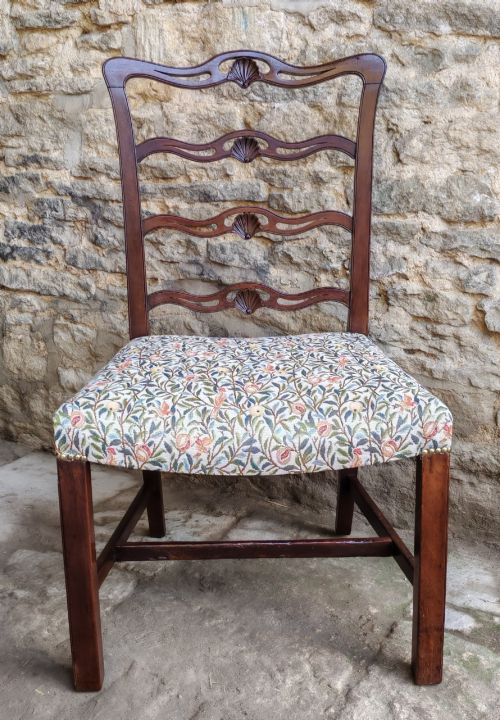
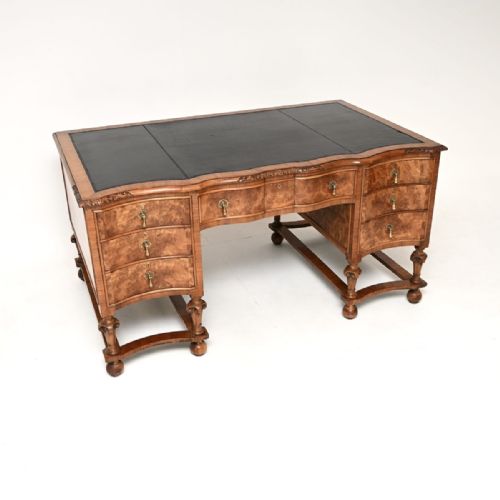
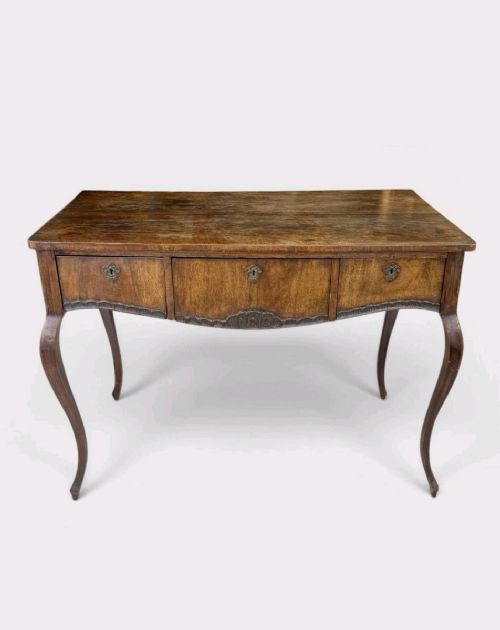
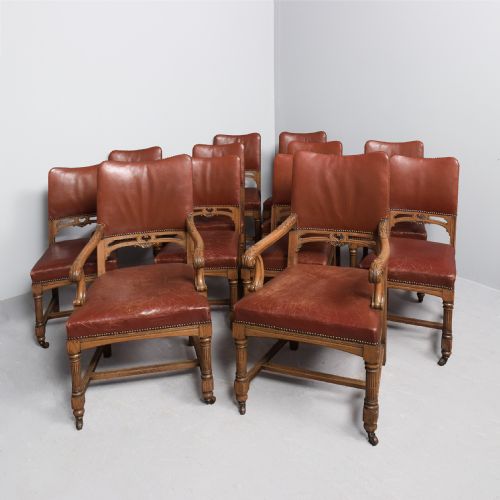
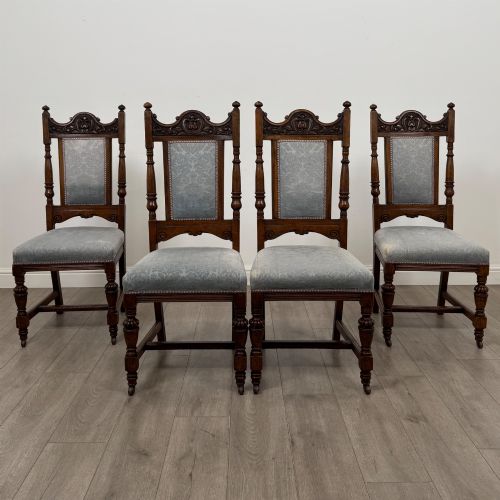
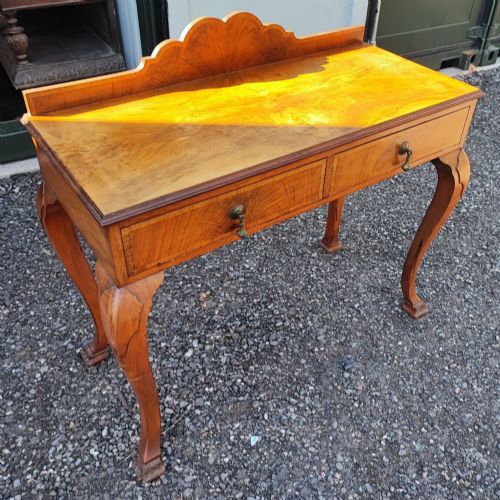
Victorian Carved Side Desk
These pieces combine practical writing surfaces with robust timber construction, giving you a victorian carved side desk built for daily study and correspondence.
Victorian Carved Side Desk
When you search for a victorian carved side desk, you encounter nineteenth-century furniture designed for compact writing tasks and domestic administration. These pieces appear primarily in oak and mahogany, often featuring single or double drawers beneath the writing surface.
The listings here span the Victorian era alongside related nineteenth-century periods, showing substantial carved detail. Side desks and writing tables of this form served studies, libraries, and hallways across British homes.
Makers utilised timber grains and applied carving to elevate utilitarian surfaces into decorative household furniture. Surviving examples retain their original structural integrity and timber patination from the period.
How they were made
Cabinet makers constructed these desks using solid hardwoods like oak, mahogany, walnut, and rosewood. Joinery relied on traditional methods, securing drawers with dovetailed joints and mounting hardware in brass.
Carving was executed by hand directly into the timber frame, displaying Gothic, Renaissance, or naturalistic motifs. Surfaces frequently received leather inserts for writing, bordered by blind tooling.
Several Victorian oak desks stare back at you through carved Green Man faces hiding amongst the foliage.
What varies in quality
Quality rests upon the depth and precision of the timber carving and the selection of figured veneers such as burr walnut. Superior desks display crisp relief work rather than mechanical repetition.
The choice of secondary timbers and the retention of original brass fittings distinguish high-grade workshop production from standard commercial output.
Maple and Co·Edwards and Roberts
The Victorian Carved Side Desk Glossary
- Partners Desk
- A large double-sided writing table designed for two people to work opposite one another. These often feature banks of drawers on both pedestals.
- Writing Table
- A freestanding table equipped with one or more drawers for stationery, intended primarily for correspondence rather than storage. They sit comfortably away from walls.
- Gothic Revival
- An architectural and decorative style drawing on medieval forms, characterised by pointed arches, tracery, and heavy carved oak. This aesthetic heavily influenced Victorian desk design.
- Burr Walnut
- A highly figured wood veneer taken from the wart-like growths on walnut trees. It creates intricate, swirling patterns across table tops and drawer fronts.
Victorian Carved Side Desk: Frequently Asked Questions
What is a side desk?
A side desk is a compact writing table designed to sit against a wall or in a hallway, offering a functional surface without dominating a room.
These pieces typically include one or more drawers beneath the top for holding writing materials and correspondence.
How do I date these desks?
Dating relies on examining the timber species, construction methods, and stylistic motifs present in the carving. Secondary woods and hardware styles offer further clues to the decade of manufacture.
Victorian pieces often combine traditional joinery with distinct revival styles popular during the nineteenth century.
Were these desks used daily?
These tables served as the primary writing surfaces for households managing correspondence, household accounts, and letter writing before the digital age.
Their sturdy construction in oak and mahogany ensured they withstood regular daily use across generations.
How do I care for the timber?
Maintain the wood by keeping the desk away from direct heat sources and strong sunlight, which can dry out the nineteenth-century finish.
Apply a microcrystalline wax periodically to nourish the grain and protect the surface patination.