

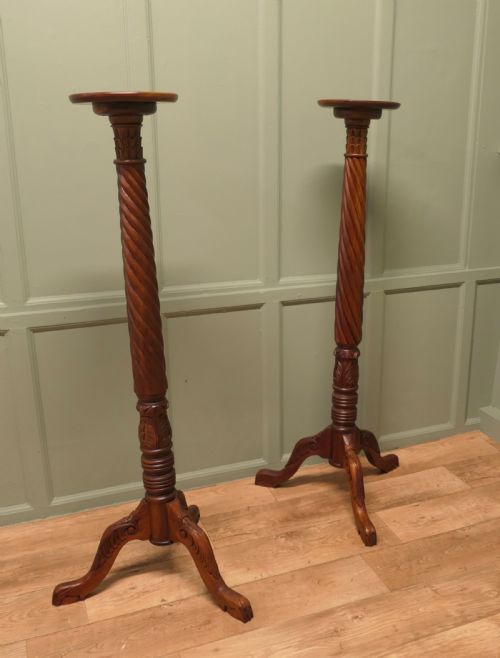
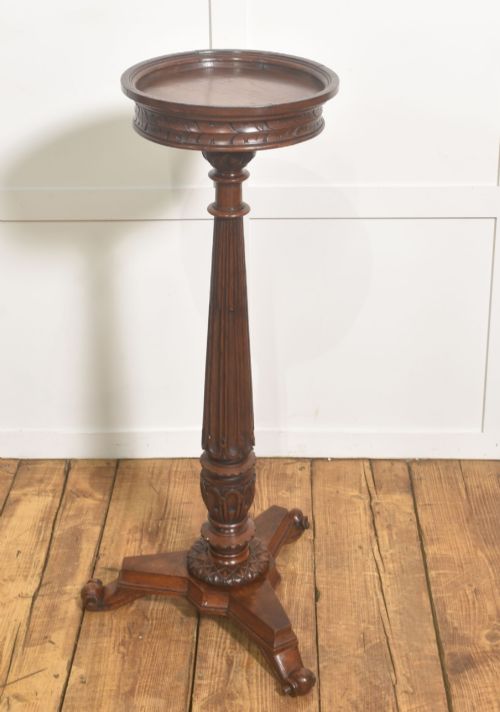
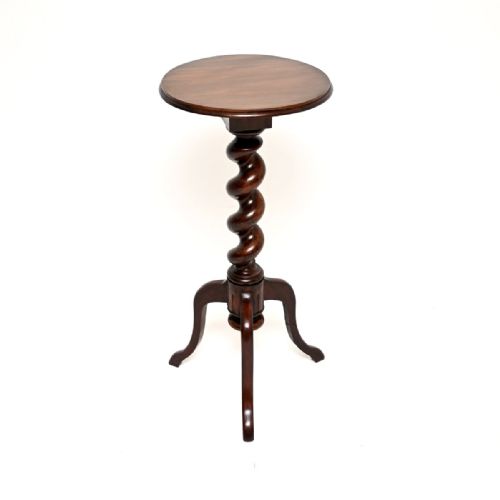
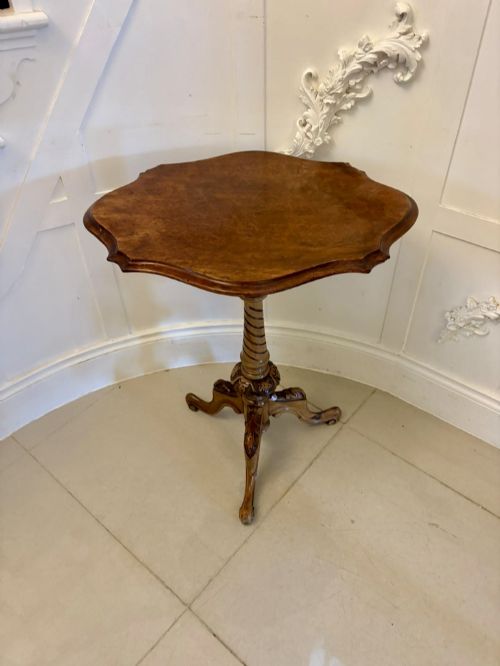

Victorian Carved Pedestal Column
These nineteenth century pieces of furniture provide a sturdy, raised platform for display, and a victorian carved pedestal column brings height and architectural presence to any room.
Victorian Carved Pedestal Column
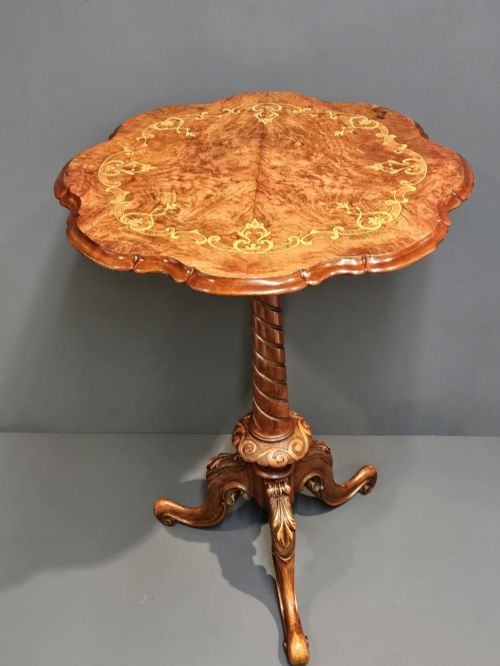
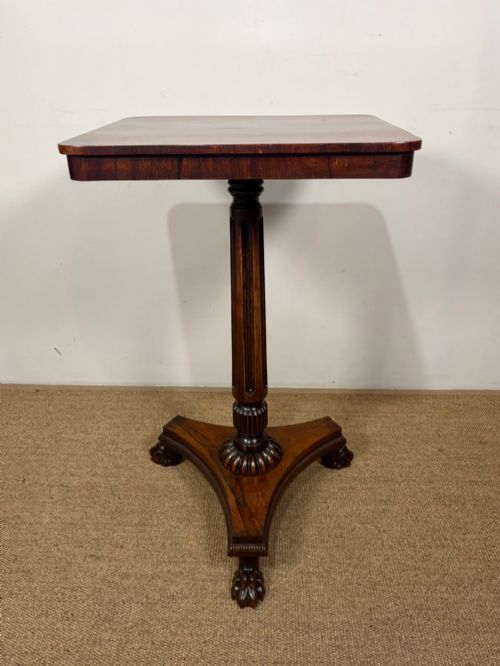
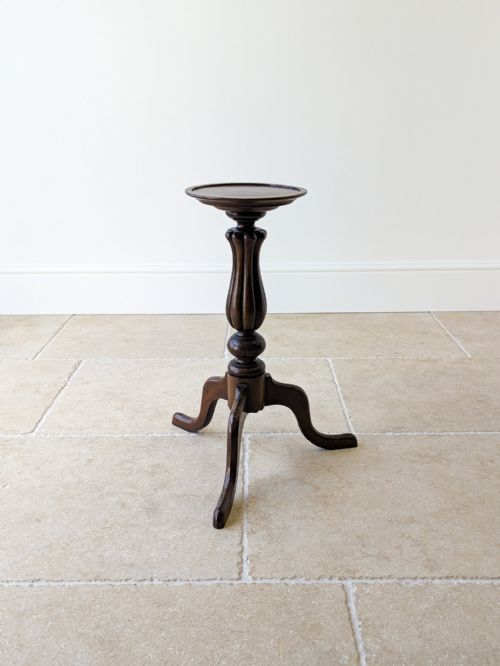
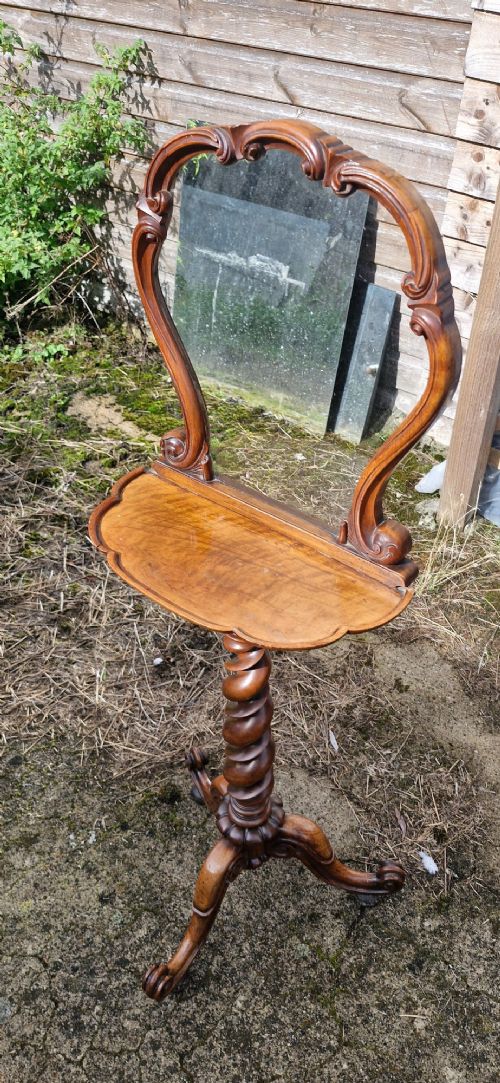
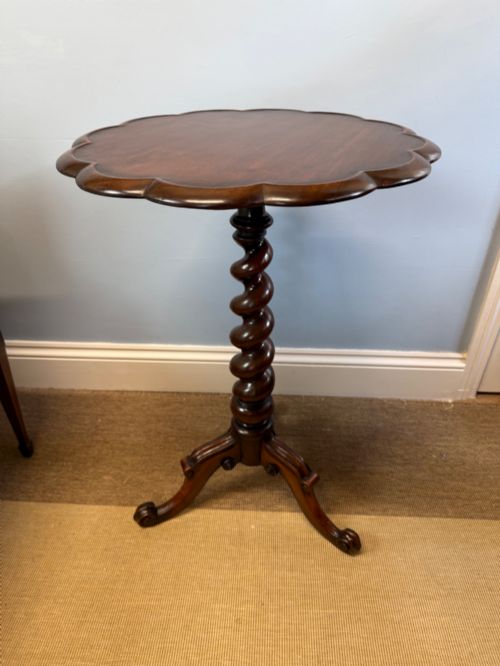
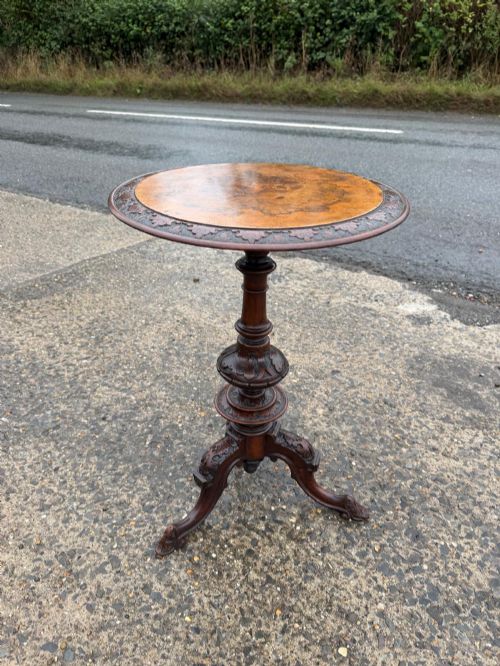
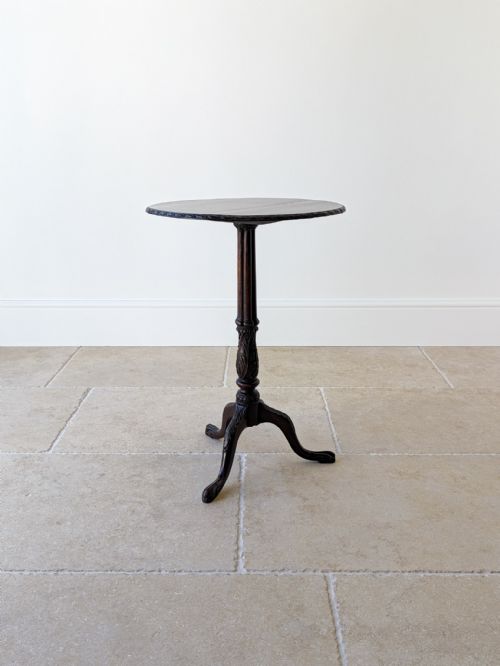
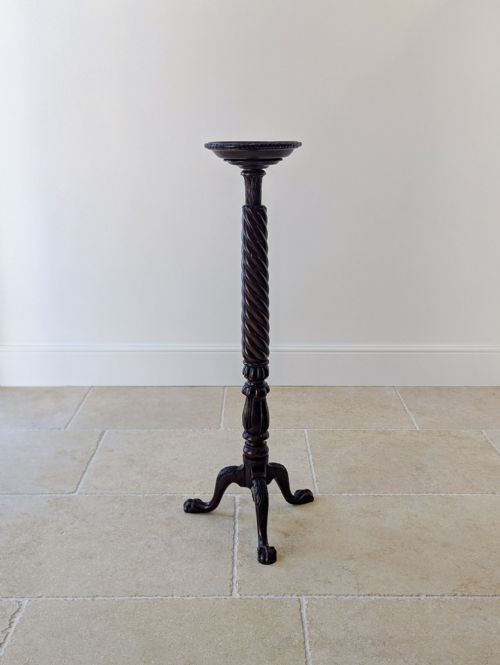
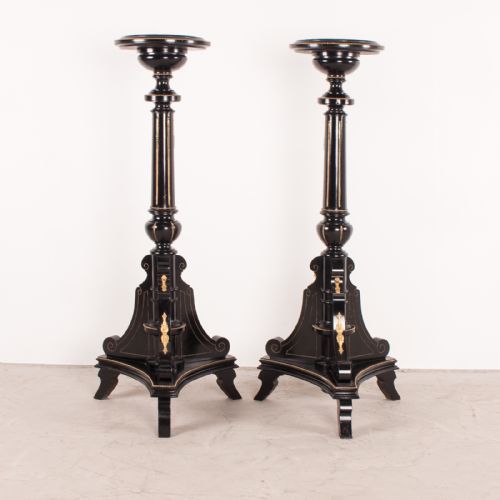
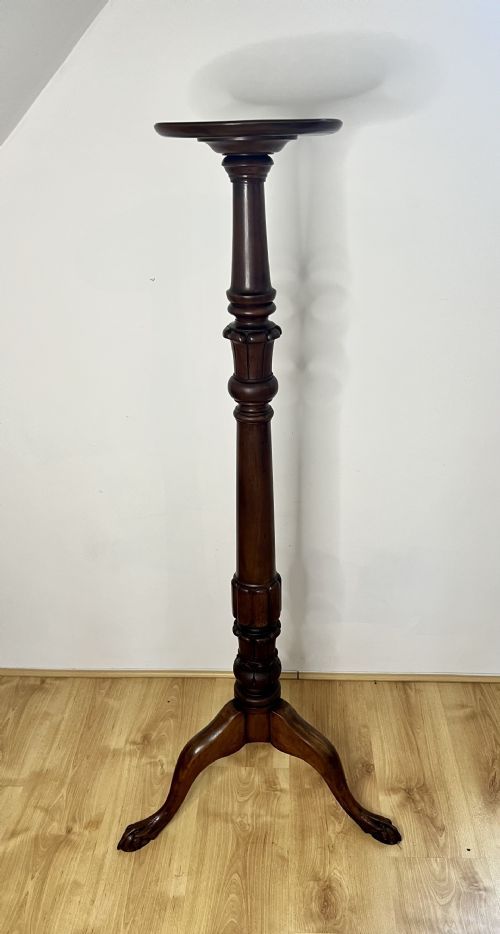
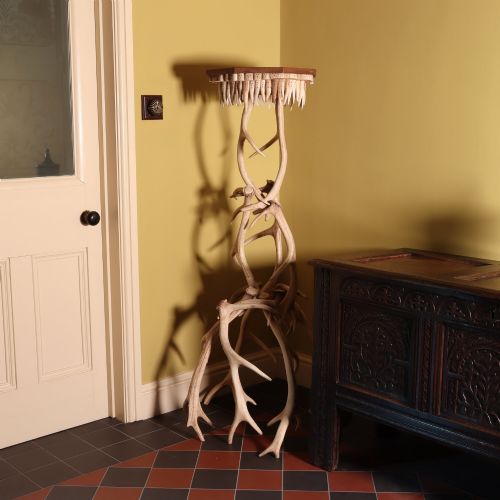
A victorian carved pedestal column encompasses tall torcheres, plant stands, lamp tables, and architectural columns designed to elevate sculptures, vases, or lamps. The examples on this page span the nineteenth century, including early and late Victorian periods, alongside Georgian revivals.
Makers utilised various timber and stone forms, ranging from tripod bases to heavy plinths and slender columns. Buyers encounter sturdy oak and mahogany standards alongside walnut and ebonised designs intended for prominent display corners.
The functions vary from simple plant holders to elaborate Italian carved walnut stands and French marble columns. Many pieces double as occasional tables or wine tables with circular tops.
Standards of Craftsmanship
Selection of timber grain dictates overall visual appeal, with burr wood veneers and figured mahogany commanding higher regard than plain painted pine or basic secondary woods. The integration of contrasting materials, such as amboyna and ebony, marks finer production.
Structural integrity relies on the weight and balance of the base, distinguishing heavy marble columns and solid tripod tables from lighter, more prone plant stands.
Victorian Carved Pedestal Column Retail Price Guide 2026
Typical asking prices for victorian carved pedestal column among the pieces listed under this phrase on Sellingantiques today, from the lower quarter to the upper quarter. They describe what is for sale here now, not the wider market.
Materials span native oak and mahogany alongside exotic amboyna, satinwood, and imported Italian Verde Antico marble.
The Victorian Carved Pedestal Column Glossary
- Torchere
- A tall, slender stand designed specifically to hold a lamp, candle, or small decorative object. These pieces frequently feature circular tops supported by carved columns and tripod or plinth bases.
- Pedestal
- A free-standing vertical column or support used to elevate a bust, vase, or statue. They appear in stone, wood, and earthenware across various nineteenth-century revival styles.
- Verde Antico
- A dark green serpentine breccia marble prized for classical columns and architectural ornaments. This material imparts a heavy, polished finish to Italian and French stands.
- Caryatid
- A sculpted female figure serving as an architectural support taking the place of a column or a pillar. They appear carved into wooden stands and pedestals from the nineteenth century.
- Barley Twist
- A spiral turning resembling a twisted rope, commonly utilised on the stems of occasional tables and plant stands. This decorative woodwork technique adds texture to vertical supports.
Victorian Carved Pedestal Column: Frequently Asked Questions
What were these stands originally used for?
Victorian households utilised these tall columns and stands to display decorative arts, oil lamps, indoor plants, and sculptural busts at eye level. Placing items on elevated surfaces protected them from floor drafts and drew the eye upward in principal rooms.
They also served as convenient side tables for wine or books in drawing rooms and libraries, combining utility with formal display.
How do I choose the right height?
Consider the object you intend to place on top and the existing furniture scale in your room. Taller torcheres suit corners and empty wall spaces, while lower plant stands and occasional tables work well beside seating.
Ensure the top surface diameter matches the base of your vase, lamp, or sculpture to guarantee stability.
How should I care for wooden columns?
Keep wooden stands away from direct heat sources and strong sunlight to prevent the timber from drying out and the veneer from lifting. Regular dusting with a soft, dry cloth maintains the polished finish of mahogany and walnut.
Apply a traditional beeswax polish occasionally to nourish the timber grain, avoiding silicone-based sprays.