


Tall Wooden Plant Column
A tall wooden plant column elevates a display, bringing height and sculptural form to interior spaces through traditional timber craftsmanship.
Tall Wooden Plant Column
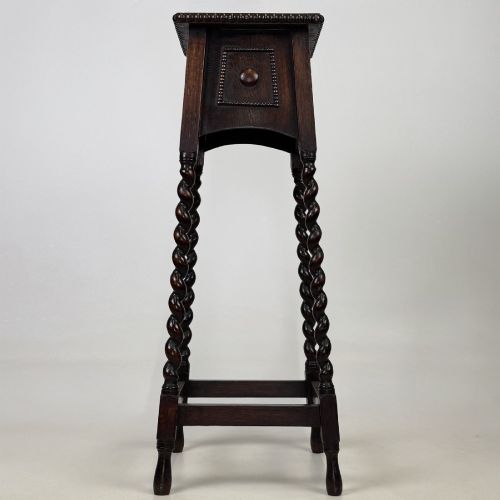
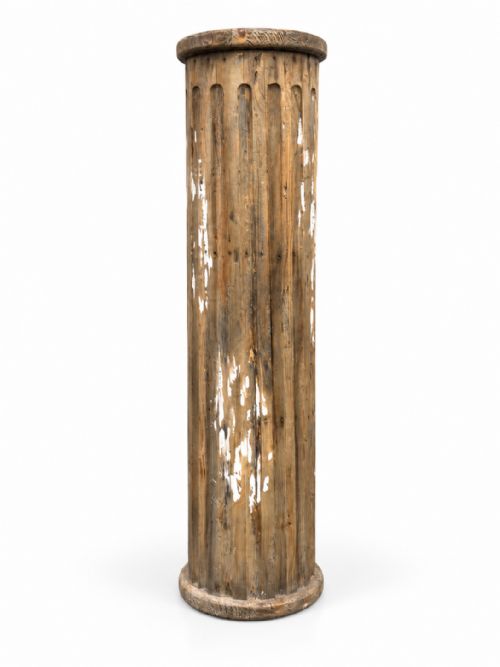
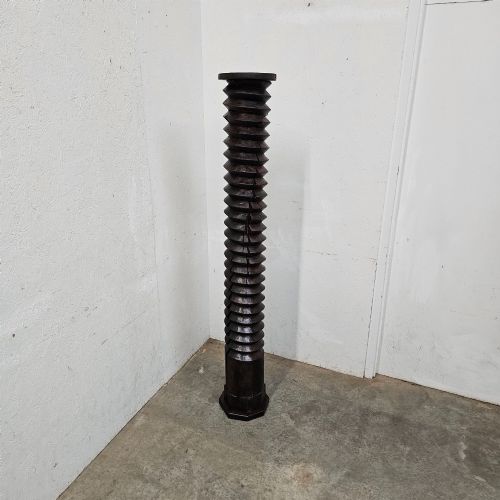
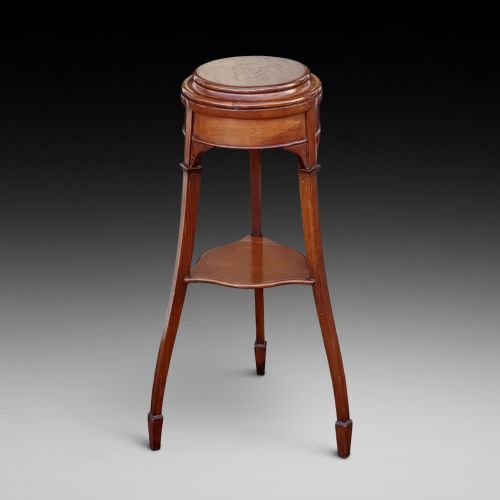
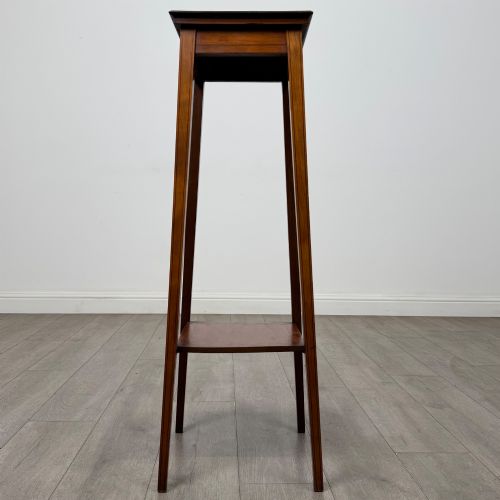
A tall wooden plant column functions primarily to elevate greenery, lighting, or decorative objects within a room. These pieces appear in forms such as plant stands, torcheres, pedestals, and plinths, designed to draw the eye upward.
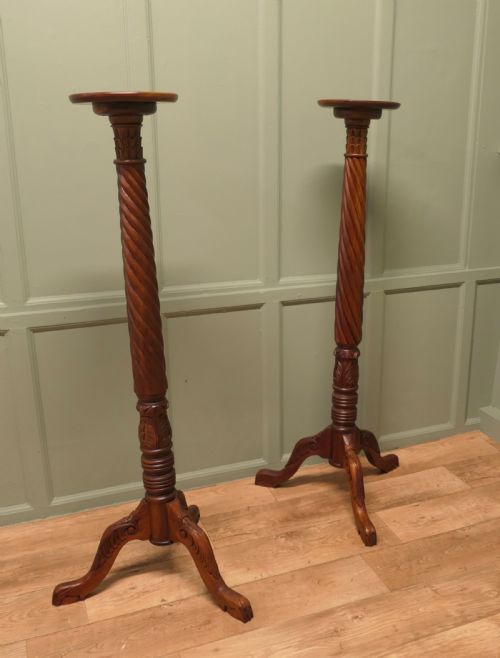
The selections available span multiple periods, notably the Victorian and Edwardian eras, alongside earlier Georgian examples and later pieces from the nineteen-twenties and thirties. Buyers encounter single columns as well as matched pairs utilised for balanced interior placement.
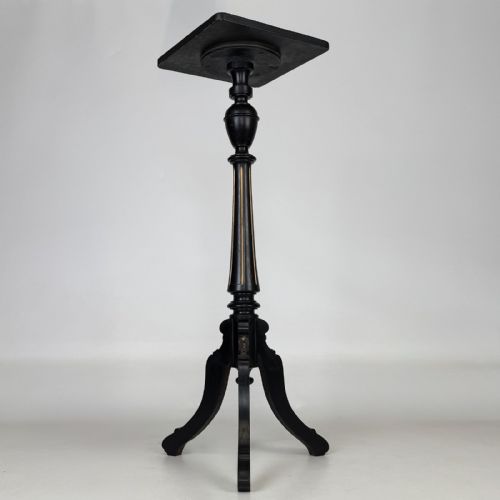
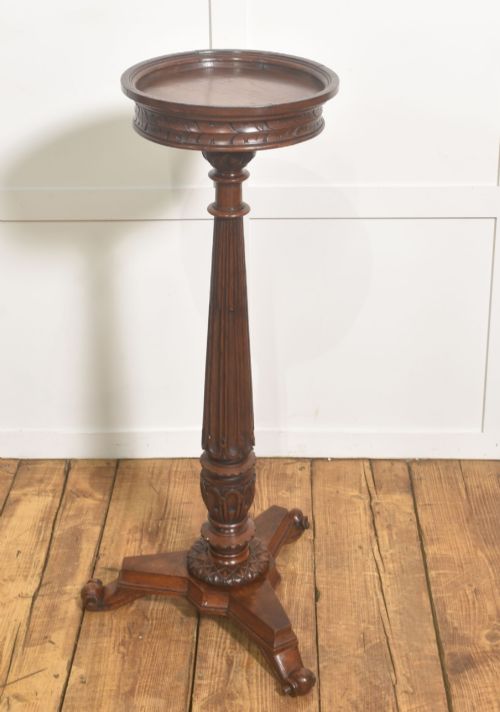
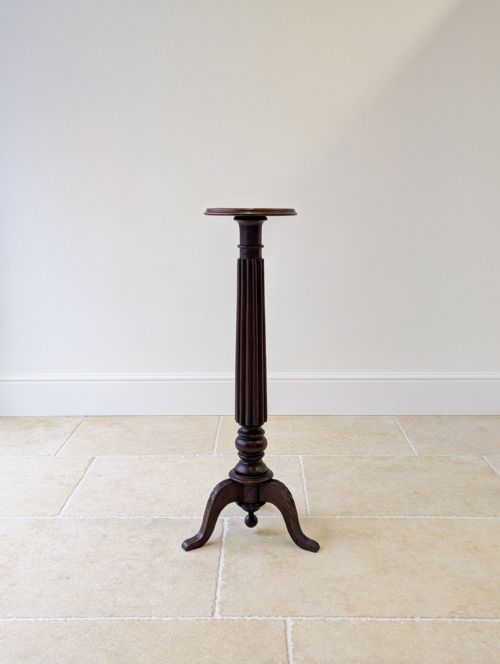
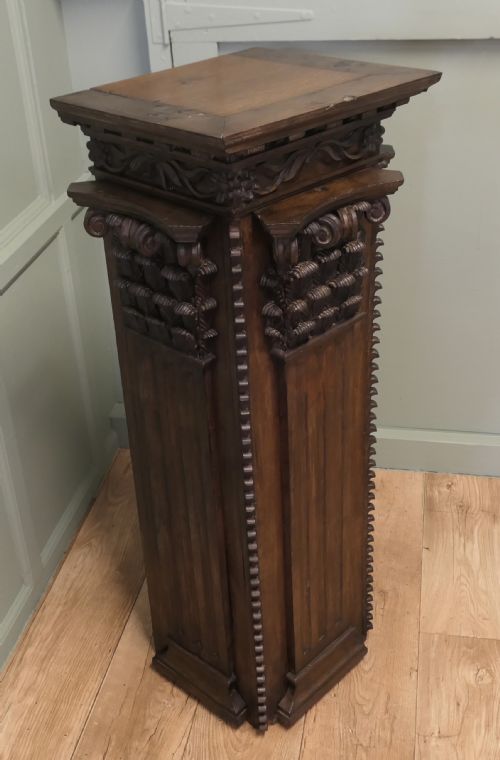
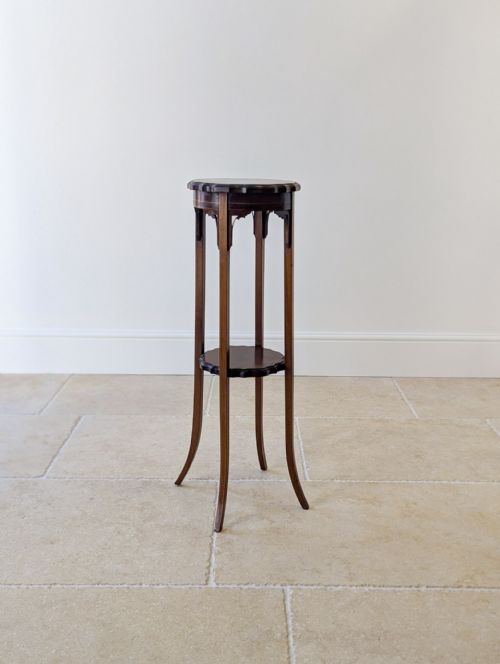
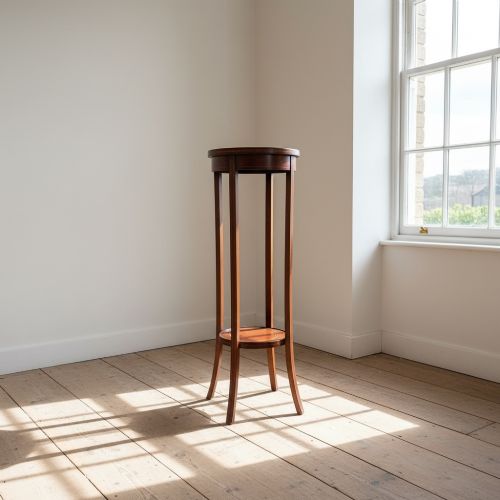
Originating as practical yet ornamental furnishings, these structures support jardiniere bowls, sculpted busts, and lamps. Their silhouettes range from slender turned columns to robust carved pillars resting on tripod or multi-sided bases.
Materials and construction
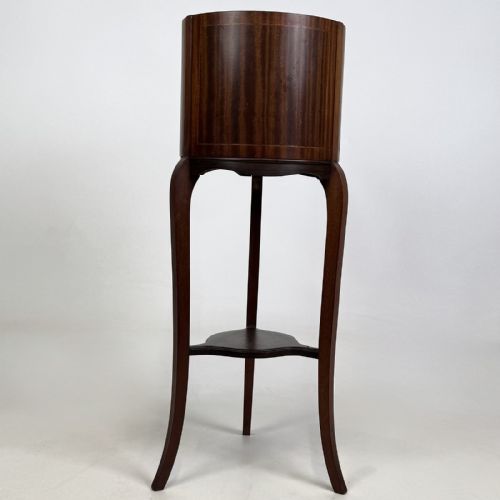
Makers utilised dense hardwoods such as mahogany, oak, and walnut, frequently selecting them for durability and deep grain patterns. Occasional pieces incorporate satinwood, birch, or ebonised wood to achieve contrasting tones and varied surface finishes.
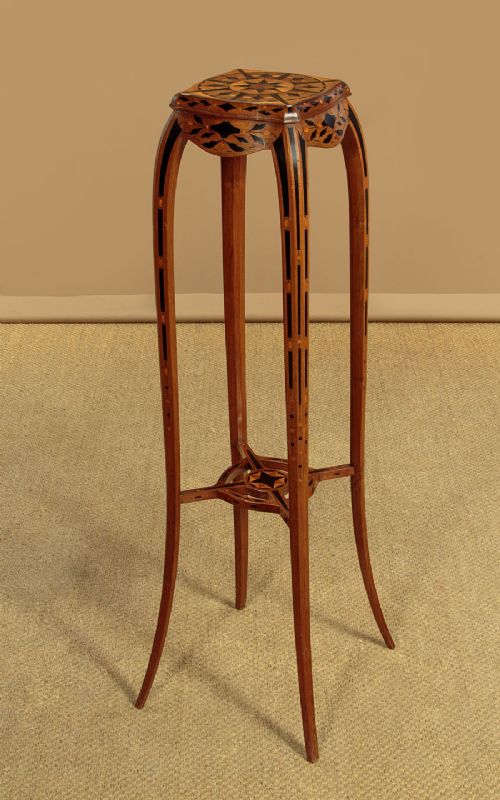
Construction techniques combine solid timber turning, intricate hand carving, and precise joinery to ensure stability under heavy loads. Some examples feature decorative inlay work, gilded highlights, or original painted surfaces applied directly to the wood.
Tall Wooden Plant Column Retail Price Guide 2026
Typical asking prices for tall wooden plant column among the pieces listed under this phrase on Sellingantiques today, from the lower quarter to the upper quarter. They describe what is for sale here now, not the wider market.
Support forms range from simple tripod bases to heavy carved columns designed for plant displays and sculptural stands.
Markers of quality
The distinction between standard utility items and superior examples lies in the crispness of the hand carving and the selection of figured timber veneers. Finer pieces display harmonious proportions, substantial weight, and well-executed structural details such as reeded shafts or gadrooned edges.
Preservation of original surface finishes significantly influences the character of each piece. Columns retaining their initial polish, period paint, or untouched patination demonstrate greater integrity than those altered by modern refinishing.
Shoolbred
The Tall Wooden Plant Column Glossary
- Plinth
- A heavy base or lower block supporting a column, statue, or urn. It provides a solid foundation for top-heavy displays.
- Jardiniere
- An ornamental pot or stand for holding plants and flowers. These holders often integrate directly into the top platform of the column.
- Gadrooning
- A decorative carved moulding consisting of convex curves in a parallel series. This embellishment frequently appears on the rims or bases of finer columns.
- Turned
- Shaped on a lathe to create symmetrical, rounded profiles along the vertical shaft. This method produces clean lines and balanced proportions.
Tall Wooden Plant Column: Frequently Asked Questions
How do I use a tall wooden plant column?
These columns suit corners, hallways, or reception rooms where vertical dimension enhances the room layout. They provide stable platforms for trailing plants, heavy urns, or sculptural lighting.
Positioning a pair on either side of a doorway or fireplace creates symmetry within a traditional interior scheme.
How do I tell Victorian columns apart from Edwardian ones?
Victorian examples tend to feature heavier proportions, dark mahogany or walnut timbers, and deep, elaborate hand carvings. They project a sense of formal presence and solid weight.
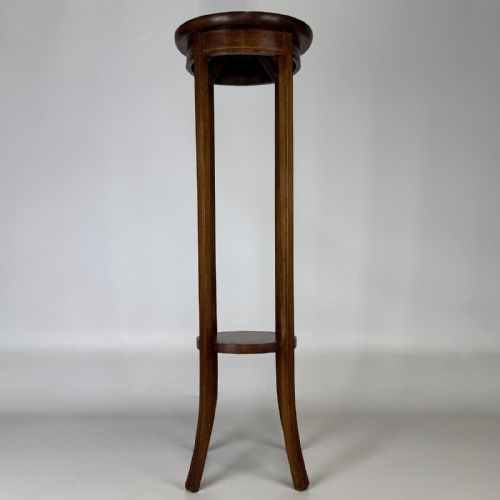
Edwardian pieces often display lighter satinwood inlays, slender turned shafts, and simpler decorative motifs reflecting Arts and Crafts influences.
Can these stands support heavy pots?
Solid mahogany, oak, and walnut construction provides inherent structural strength for substantial weight. Tripod bases and wide plinths offer reliable balance against tipping.
Checking the stability of the central joint and base attachment ensures safe display of heavier ceramic planters or marble items.