
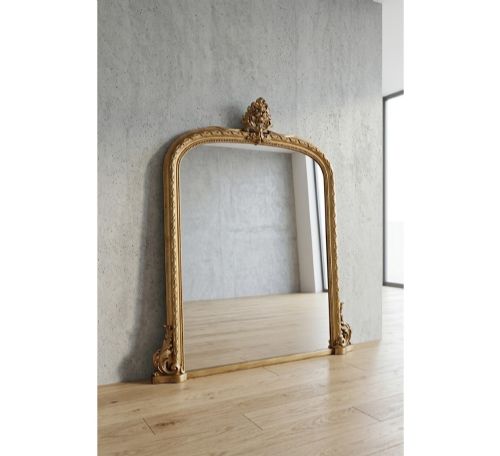
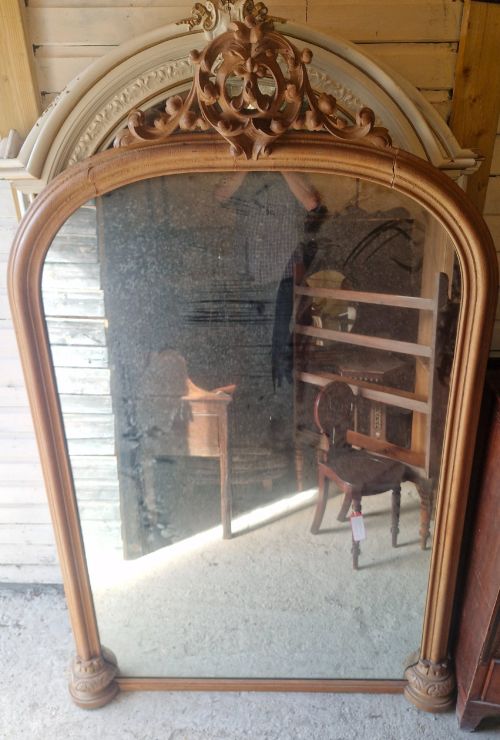
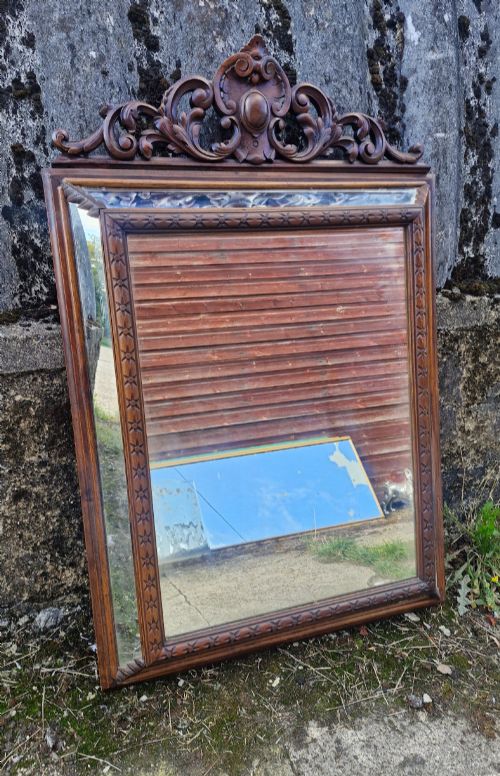
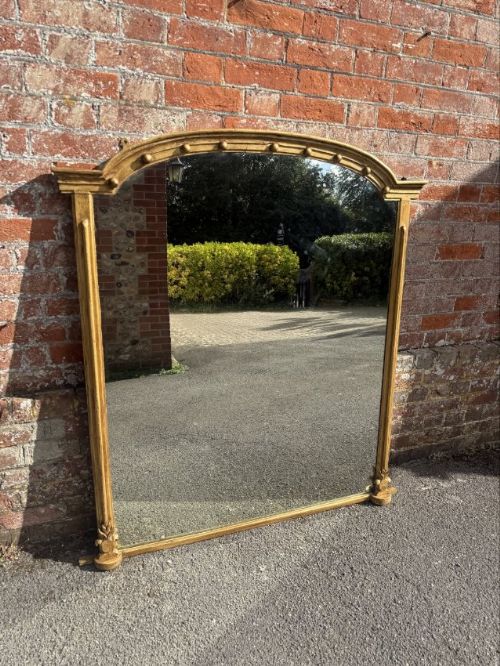
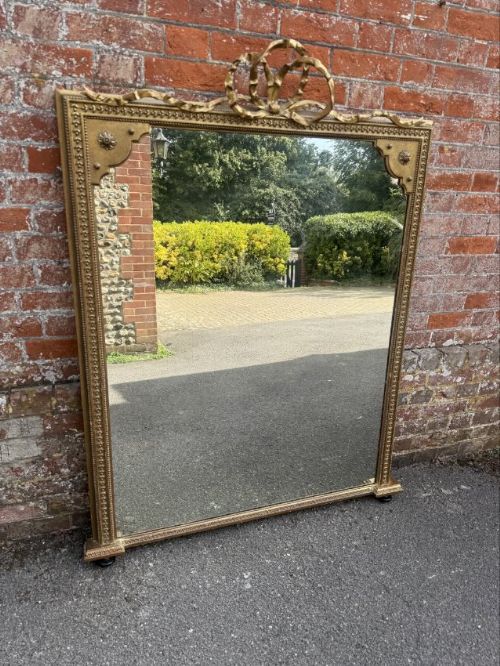
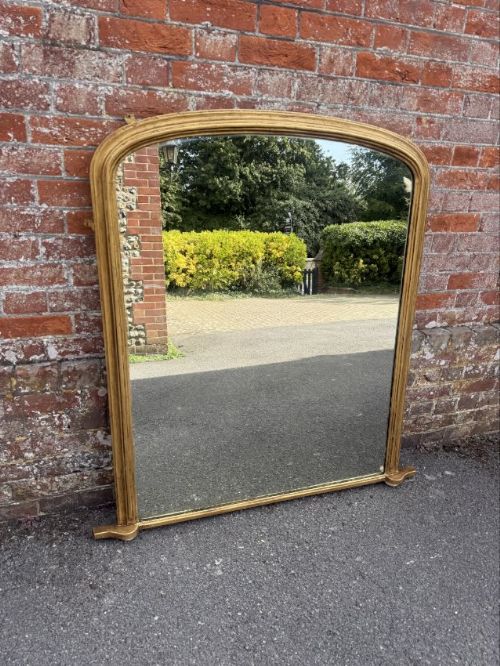
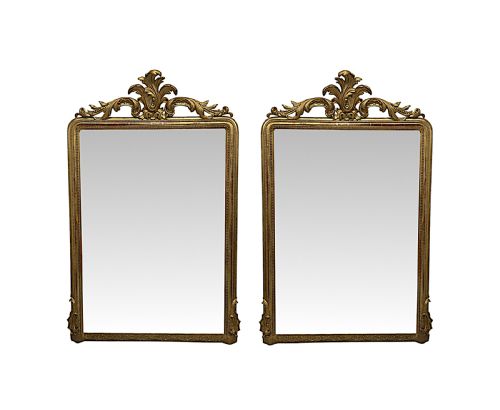
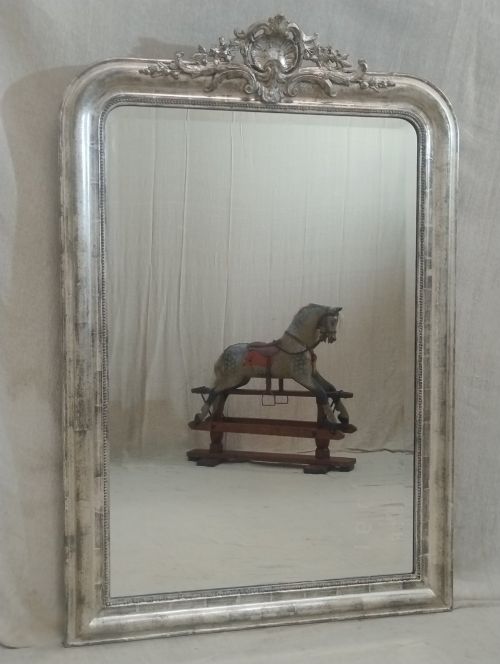
Victorian Carved Mantle Mirror
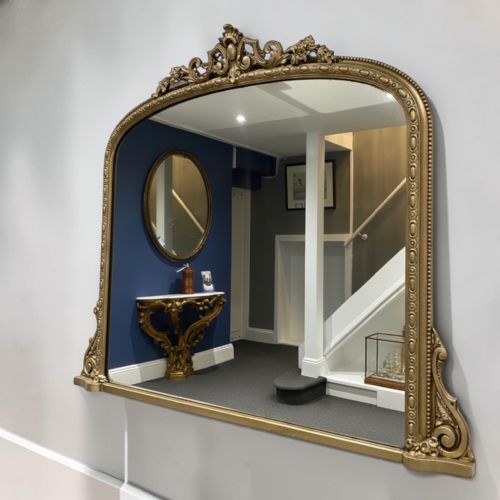
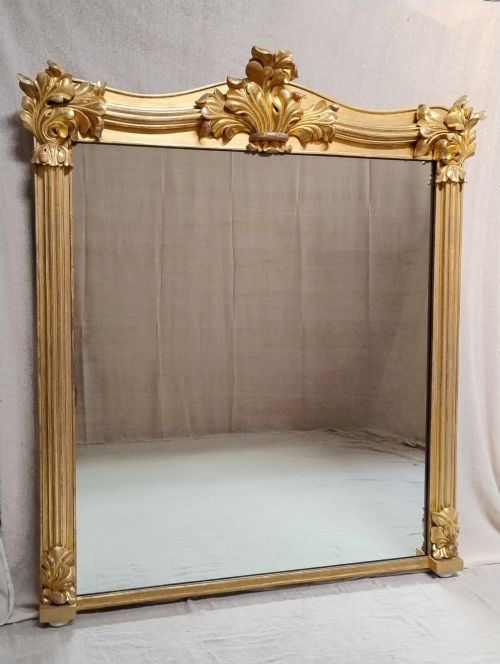
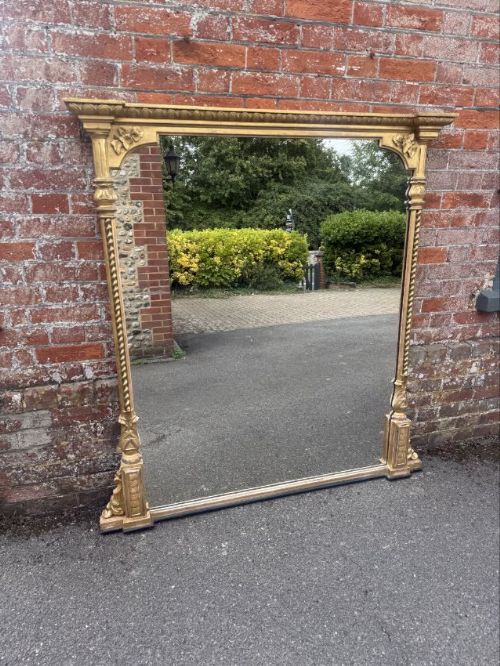
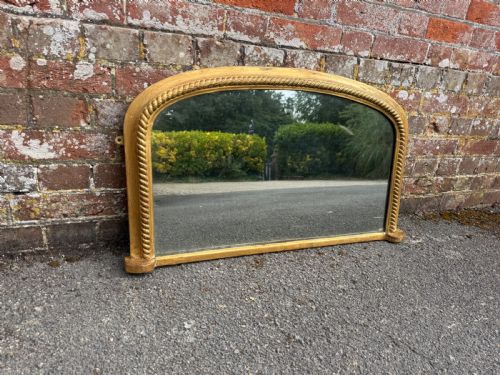
When choosing a victorian carved mantle mirror, buyers encounter substantial overmantel and wall-hanging glasses designed to anchor a domestic hearth.
Victorian Carved Mantle Mirror
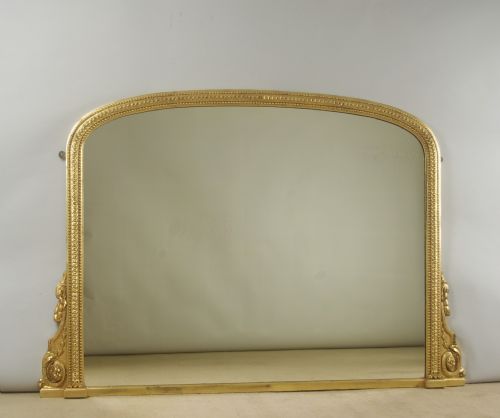
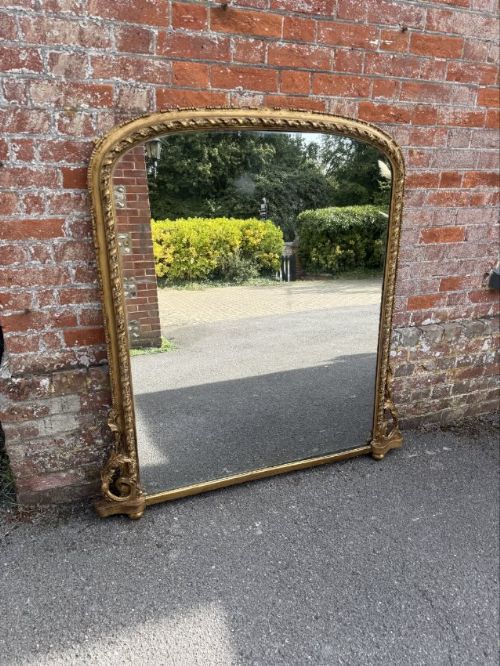
A victorian carved mantle mirror principally comprises large, architectural overmantel frames built to sit directly above a fireplace, alongside related wall-hanging formats.
The selections span the nineteenth century, including specific decades such as the eighteen-sixties, seventies, and eighties, with variations in stylistic influence from French rococo revival to English Gothic.
Makers and workshops constructed these pieces primarily in generous proportions, employing heavy wooden structures designed to dominate the chimney breast of a principal reception room.
How They Were Made
Carved wooden foundations of pine, oak, mahogany, or walnut provided the robust structural core required for heavy glass plates.
Layers of gesso were applied over the timber base and carved into intricate details such as rope twists, columns, ribbed mouldings, and foliate motifs.
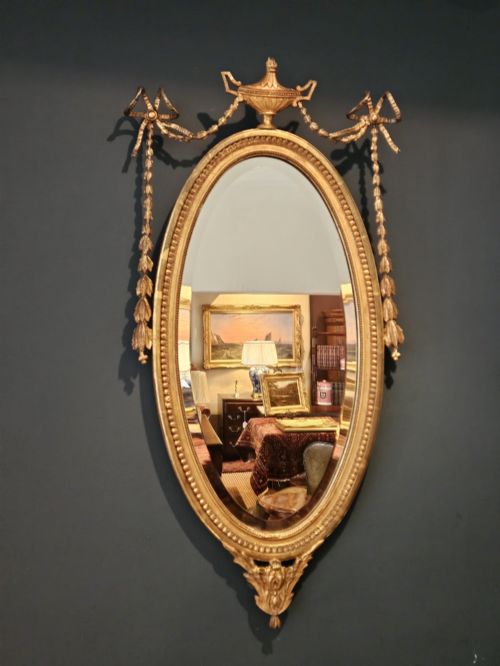
Finishes relied heavily on applied gold leaf or gilding, alongside silvered glass plates set individually or as triple-plate configurations.
Listings feature eighteenth and nineteenth-century forms utilising giltwood, gesso, mahogany, oak, and walnut materials.
What Varies in Quality
Depth and crispness of the hand-carved gesso ornamentation separate standard production pieces from ambitious workshop commissions.
Integrity of the original gilding and the survival of early or original mirror glass plates strongly influence the physical character of the object.
Architectural proportions, such as well-balanced arched tops or integrated central cartouches, determine the visual harmony of the finished frame.
The Victorian Carved Mantle Mirror Glossary
- Overmantel mirror
- A large mirror specifically proportioned to hang on the wall directly above a fireplace mantelpiece. These frames often feature low horizontal bases designed to rest partially on the shelf itself.
- Gesso
- A plaster-like mixture applied to wooden frames and carved or moulded into relief decoration before gilding. It allows for sharp decorative details.
- Giltwood
- Timber that has been coated with gold leaf or metal leaf over a prepared surface. It catches ambient light within nineteenth-century interiors.
- Triple plate
- A mirror construction utilising three distinct glass panels within a single frame. The central section is typically flanked by two narrower side plates.
- Cartouche
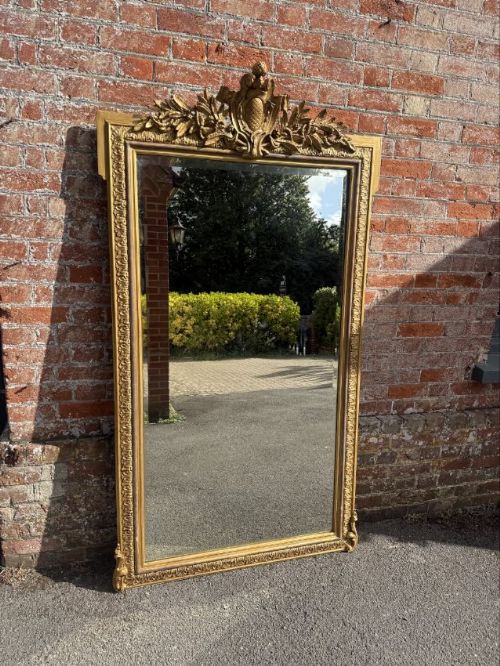
- An ornamental tablet or panel resembling a rolled-up scroll, frequently incorporated into the crest of an architectural frame. It serves as a central focal point for the carving.
Victorian Carved Mantle Mirror: Frequently Asked Questions
Where should a mantle mirror be hung?
These large mirrors are traditionally positioned directly above a fireplace mantelpiece to reflect light and anchor the architectural focus of the room.
Alternatively, substantial examples can function as wall-hanging leaner mirrors positioned against principal walls in large reception spaces.
How do I identify a nineteenth century piece?
Authentic nineteenth-century examples typically display heavy timber construction beneath gesso layers, utilising materials like oak, mahogany, or pine.
Stylistic markers such as rococo revival curves, French Chateau influences, and original gilt surfaces further distinguish the period.
Were these mirrors meant to be fixed to the wall?
Many overmantel pieces were built with sufficient weight and proportions to stand securely upon the wooden mantle shelf itself while anchored to the wall.
Others included dedicated hanging brackets for secure wall placement above domestic hearths.