
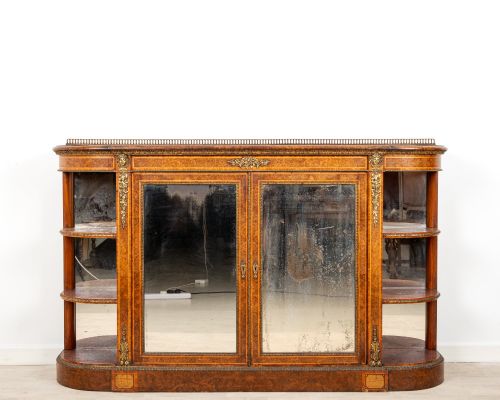
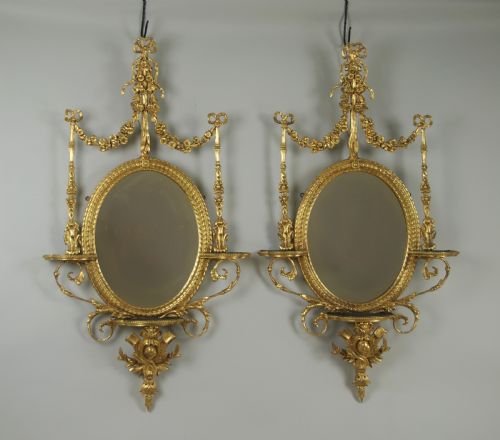
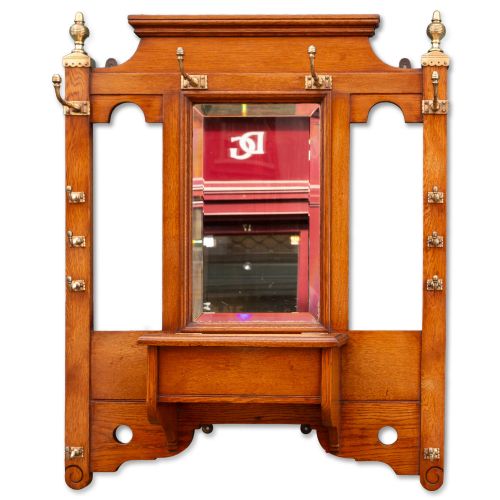
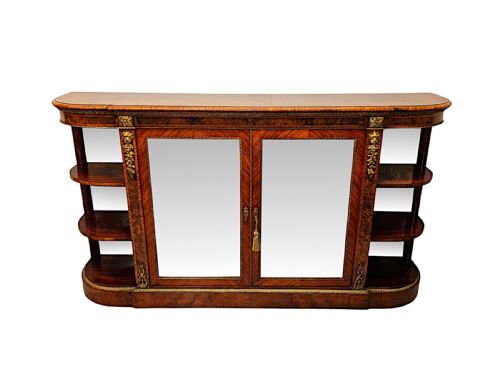
Victorian Mirror with Shelves
A victorian mirror with shelves combines practical display space with reflective glass, offering a useful piece that brings both function and decoration to a hallway or reception room.
Victorian Mirror with Shelves
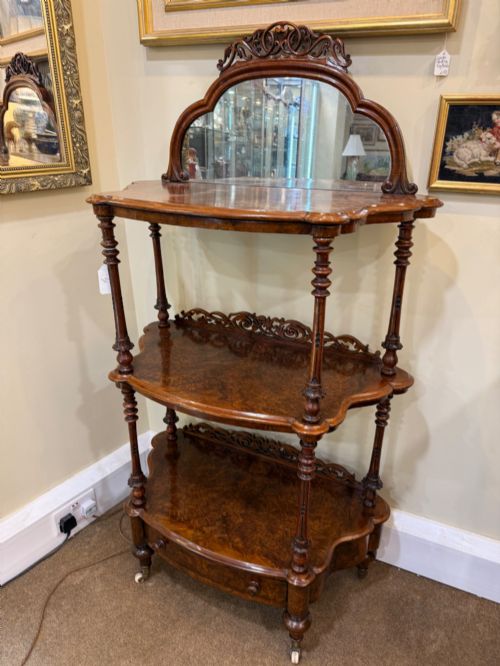
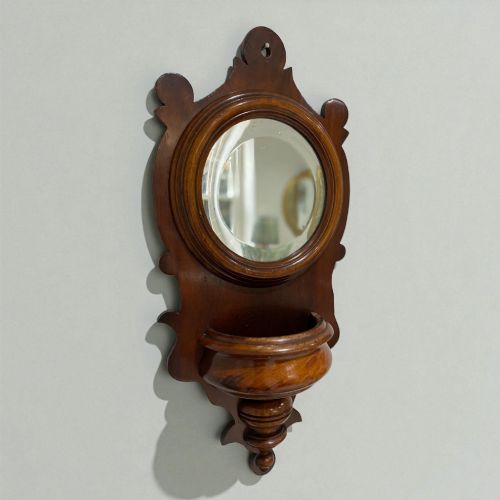
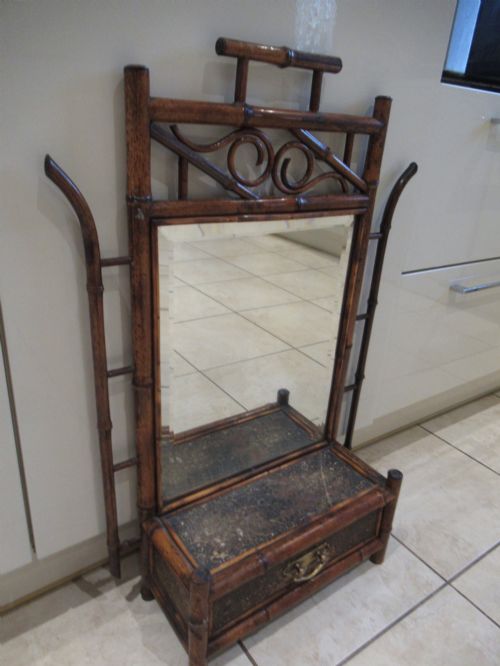
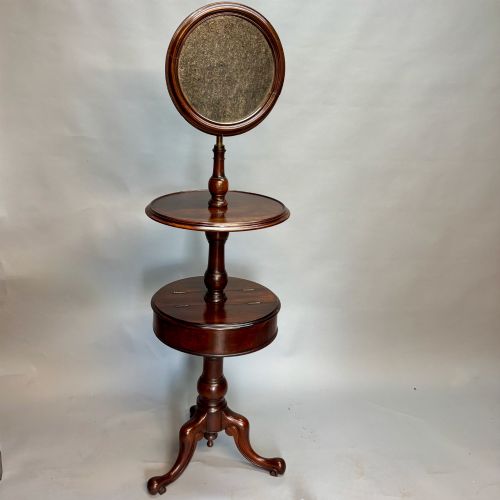
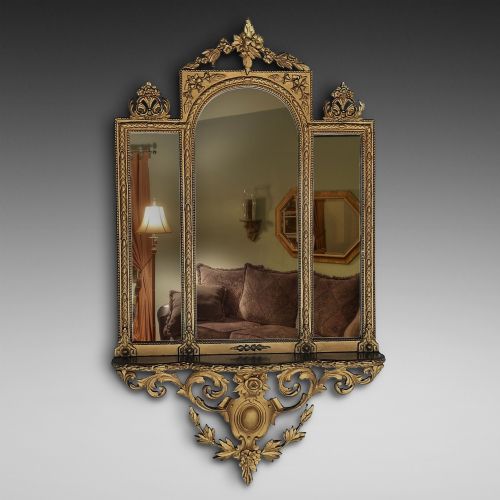
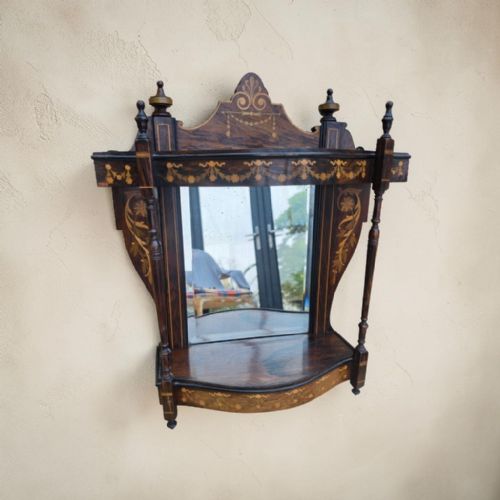
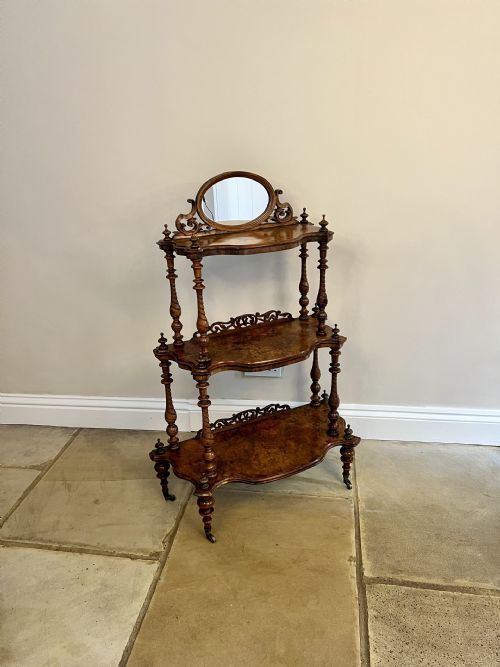
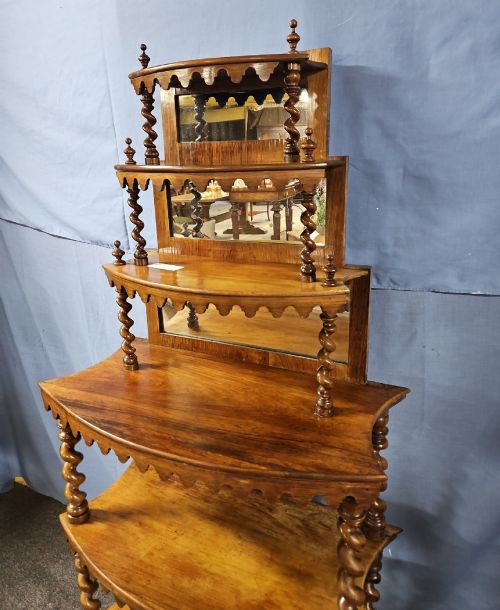
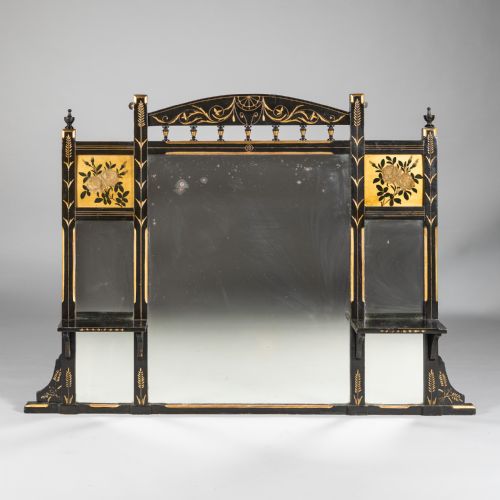
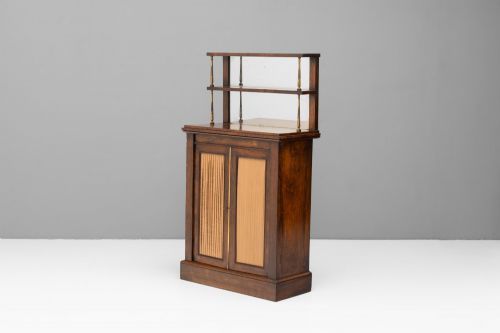
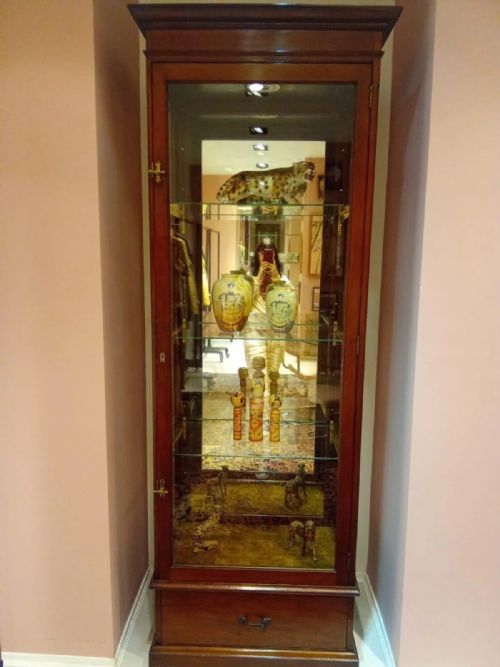
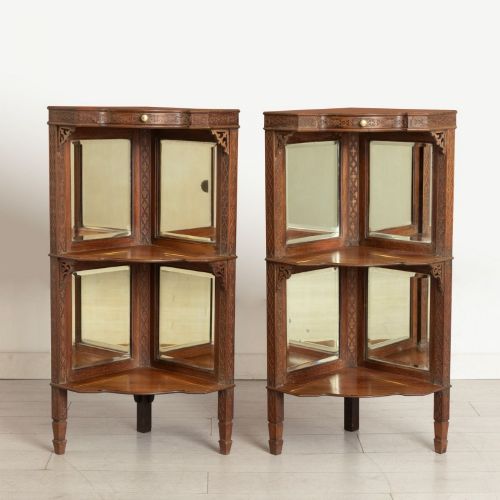
When you search for a victorian mirror with shelves, you encounter pieces designed to hold small decorative items while reflecting light across a room. The selection ranges from wall-mounted brackets and hall stands to overmantel pieces incorporating display ledges.
You are most likely to meet wall mirrors featuring small wooden ledges or display brackets, alongside larger overmantel versions built with timber frames. These objects originate primarily from the nineteenth century, spanning decades such as the eighteen-eighties and eighteen-nineties.
The forms vary from compact hallway furnishings to tall architectural overmantels designed to sit above a fireplace. Each piece integrates mirrored glass with functional platforms intended for holding ornaments or small personal effects.
How they were made
Carpenters constructed the frameworks using timbers such as mahogany, burr walnut, oak, rosewood, and pine, often enhancing the surfaces with marquetry inlay or ebonised finishes. Giltwood and gesso were frequently applied to create ornate frames, while brass components added structural support or decorative contrast.
The reflective surfaces consist of mirror glass, sometimes featuring bevel-cut edges to catch the light. Display brackets and shelves were secured directly into the wooden frames or mounted alongside the glass plates using sturdy fixings.
The inventory includes pieces from the Victorian and Edwardian periods, incorporating styles such as French Chateau, Regency, and Arts and Crafts.
What varies in quality
The standard of a piece depends on the depth of the carving, the crispness of the giltwood or gesso ornamentation, and the choice of cabinet timbers like burr walnut or figured mahogany. Finer examples display meticulous joinery and well-integrated display brackets that balance the weight of the mirror plate.
Quality also shows in the retention of original mirror glass and the harmony between the shelf structures and the main frame. Pieces featuring sophisticated inlays or stamped maker signatures represent a higher tier of nineteenth-century craftsmanship.
Gillows
The Victorian Mirror with Shelves Glossary
- Overmantel mirror
- A large wall mirror specifically designed to be positioned on the wall directly above a fireplace mantelpiece. These often incorporate small display brackets or shelves within their wooden framework.
- Giltwood
- Timber that has been coated with a thin layer of gold leaf over a prepared gesso surface. This finish creates a bright, reflective appearance characteristic of formal nineteenth-century frames.
- Gesso
- A plaster-like mixture applied to wooden frames and moulded into decorative reliefs before gilding or painting. It allows for intricate surface ornamentation.
- Burr walnut
- A highly figured wood veneer harvested from the burl growths of walnut trees. It provides a swirling, decorative grain pattern prized in Victorian cabinet making.
- Pier glass
- A tall mirror designed to hang on the pier of wall space situated between two windows. These frequently feature console tables or display shelves beneath the glass.
Victorian Mirror with Shelves: Frequently Asked Questions
Where should I hang a mirror with shelves?
These pieces suit entrance halls where the shelves hold daily essentials and the glass checks your appearance before you leave. They also work effectively in reception rooms above mantelpieces or console tables.
The horizontal surface provides a convenient spot for small ornaments, while the mirror plate brightens darker corners by reflecting ambient light across the space.
How do I care for the wooden frame?
Dust the timber regularly with a soft, dry cloth to prevent the buildup of dirt in carved recesses and around the shelf joints. Avoid using modern silicone sprays or harsh chemical polishes that can damage antique polishes and patinas.
Apply a traditional wax polish sparingly if the wood appears dry, buffing it gently to maintain a natural, soft sheen.
Are the mirror plates original?
Many nineteenth-century pieces retain their original glass, which often exhibits minor foxing, dark spots, or light surface blemishes caused by ageing behind the silvering layer. These characteristics confirm the age and authenticity of the object.
Replacement glass appears clearer and lacks the subtle distortions or surface imperfections typical of nineteenth-century manufacturing methods.
Can the shelves hold heavy items?
The display ledges and brackets are generally built for light decorative objects, small ceramics, or pocket items rather than heavy books. The structural security depends on how firmly the brackets are secured to the main frame and wall.
Check the fixings underneath the ledges to understand how much weight the timber supports can safely accommodate before placing items upon them.