
Victorian Carved Mahogany Mirror
A victorian carved mahogany mirror brings depth and warmth to a room, combining solid timber with polished glass and shaped frames.
Victorian Carved Mahogany Mirror
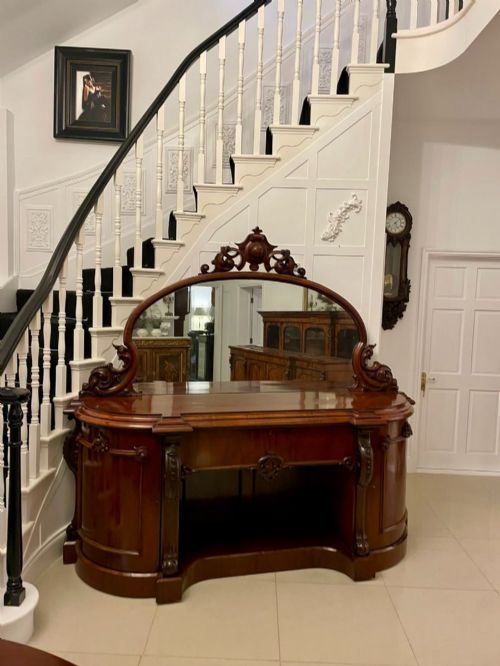
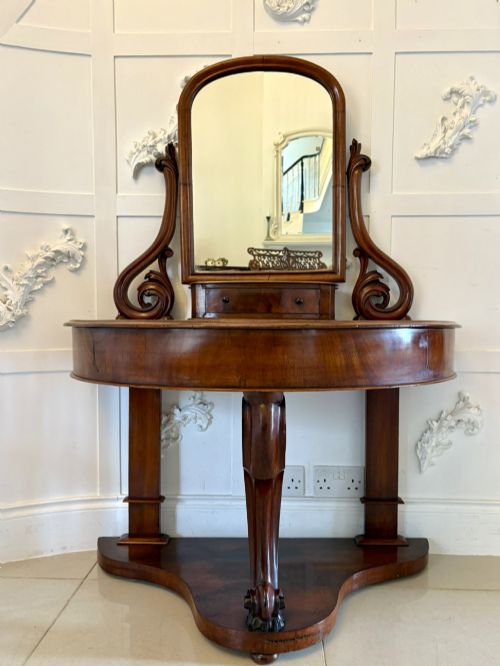
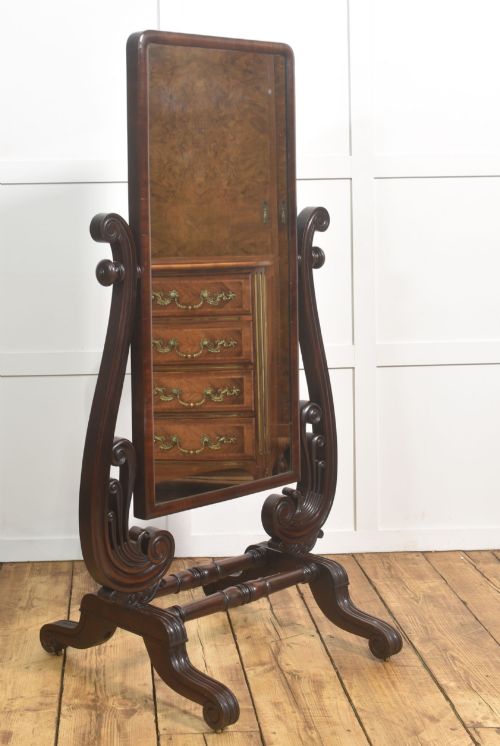
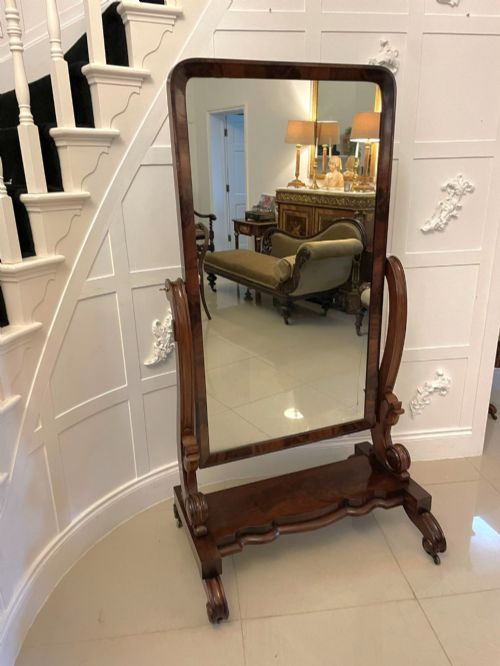
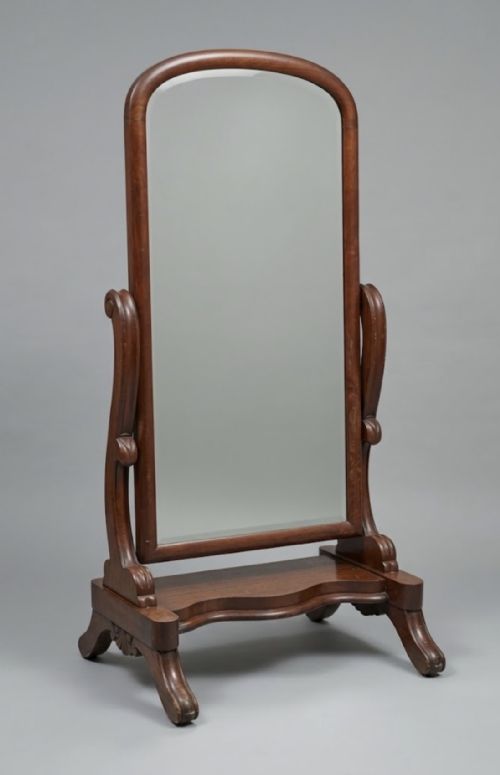
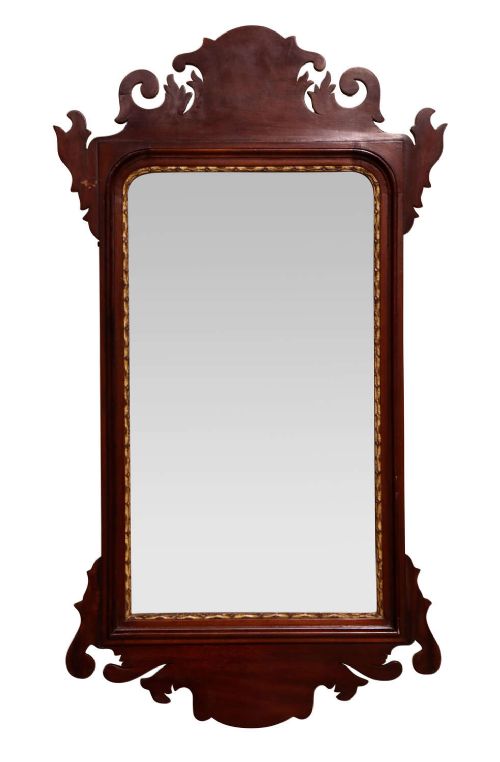
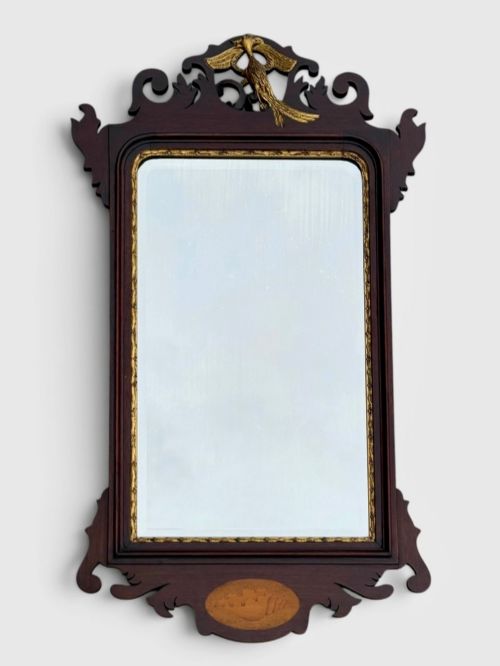
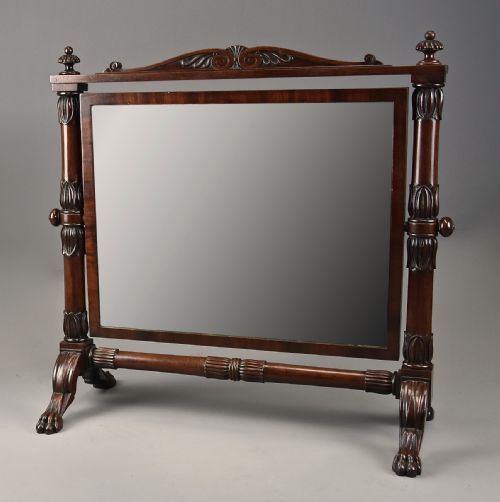
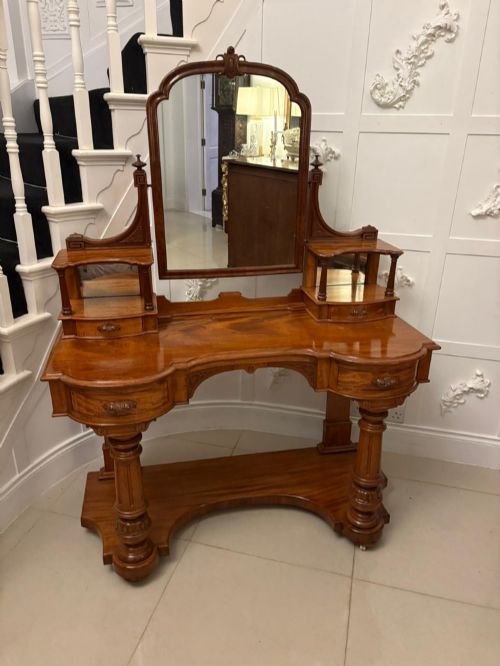
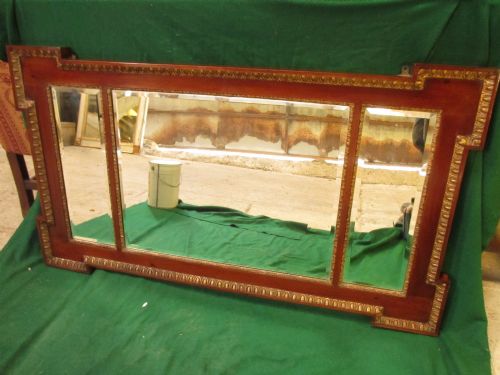
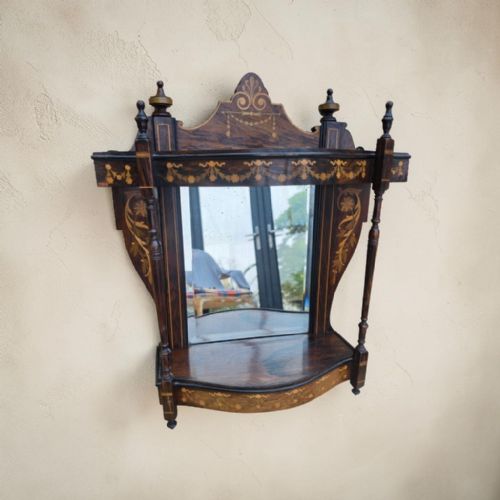
A victorian carved mahogany mirror appears in several distinct architectural and decorative guises across these records, ranging from large wall-hanging overmantels to freestanding cheval glasses and smaller toilet mirrors. The wall-mounted examples often feature decorative crestings such as the Ho-Ho bird, drawing on earlier Chippendale and Georgian design revivals popular during the nineteenth century. Cheval mirrors provide full-length reflections on pivoted floor stands, while dressing table and sideboard variations incorporate glass directly into larger cabinetry.
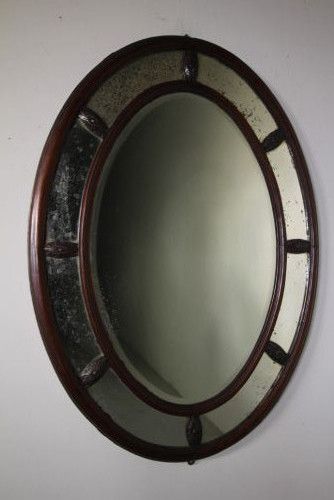
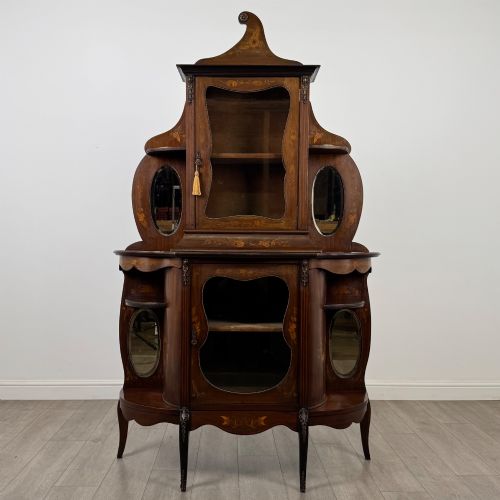
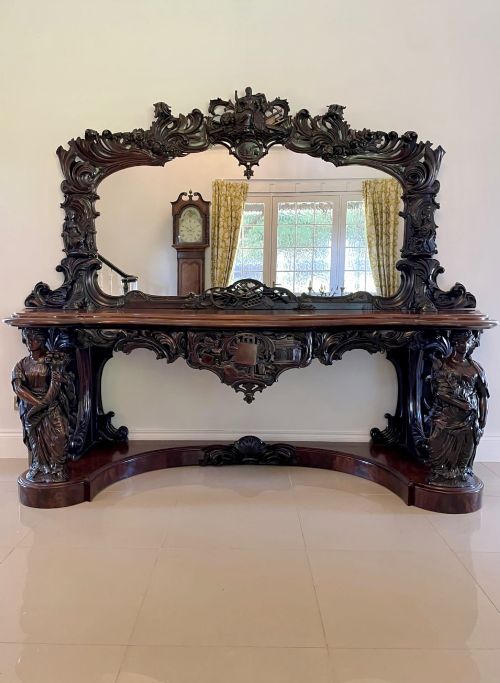
The larger pieces commonly met on this page combine functional storage or display with substantial timber framing. Sideboards, chiffoniers, and console tables frequently pair deep mahogany backboards with upright mirror plates, anchoring the glass securely within carved surrounds. Smaller wall mirrors and pier glasses focus attention on intricate fretwork, parcel-gilt accents, and shaped wooden frames designed to catch and reflect light in principal rooms.
Materials and construction techniques
Cabinet makers built these frames using dense mahogany timbers, often selected for rich grain patterns or enhanced with wood inlay and brass fittings. Workshops shaped the solid wood through hand-carving, creating detailed scrolls, floral motifs, and pierced fretwork along the borders. Many pieces incorporate glass secured into rebated frames behind protective backing boards, while larger cheval and overmantle designs rely on sturdy tenon and mortise joints to support the weight of heavy mirror plates.
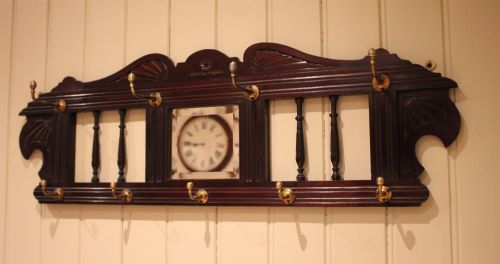
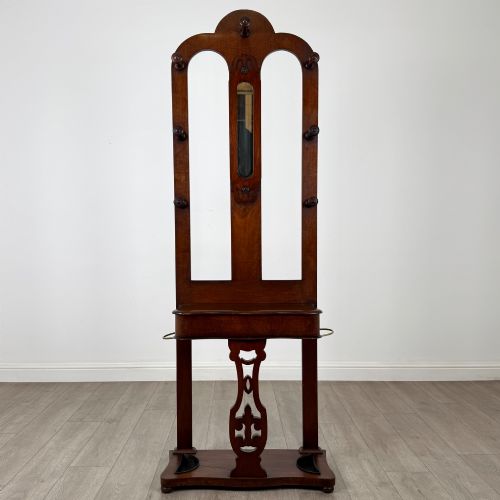
Surface finishes involved careful sanding, staining, and polishing to bring out the natural warmth of the mahogany. Giltwood and parcel-gilt highlights frequently accent specific carved elements like foliage or crestings, adding contrast to the dark timber. Where mirrors attach to sideboards, dressing tables, or hall stands, stable wooden supports and brass pivot screws allow the glass to tilt or remain fixed securely in position.
Several mirrors proudly retain their mischievous Ho-Ho birds perched atop the carved wooden cresting.
Indicators of quality and execution
The standard of a victorian carved mahogany mirror rests upon the crispness of the hand-carving and the structural integrity of the timber frame. Superior pieces display sharply defined scrolls, balanced proportions, and seamless joinery that conceals fastening points. Finer examples often utilise dense Cuban mahogany and incorporate thoughtful details such as gilded highlights or well-figured wood veneers.
Depth and clarity of the mirror glass also distinguish higher-grade items, alongside robust mounting systems that prevent warping or sagging over time. Mass-produced or simpler later variations display shallower carving and plainer framing, whereas exhibition-quality works demonstrate ambitious scale, intricate fretwork, and sophisticated revival styling.
P and MA Nicholson·William Kent·Edwards and Roberts
The Victorian Carved Mahogany Mirror Glossary
- Cheval mirror
- A freestanding full-length mirror supported on a vertical floor frame with pivot pins allowing the glass to swing. This form appears frequently in nineteenth-century bedrooms and dressing rooms.
- Overmantle mirror
- A wide mirror designed specifically to hang on the wall directly above a fireplace mantelpiece. These pieces often feature substantial timber frames and decorative crests.
- Fretwork
- Ornamental patternwork cut out of thin wood using a fretsaw, commonly seen in Chippendale revival mirror frames. This technique creates intricate openwork designs along the borders.
- Pier mirror
- A tall narrow mirror designed to hang on the wall space between windows, often placed above a matching pier table or console. The style reflects light into darker corners of a Victorian interior.
- Parcel-gilt
- Partially gilded woodwork where gold leaf is applied only to specific carved highlights against a dark mahogany background. This method accentuates particular decorative details.
Victorian Carved Mahogany Mirror: Frequently Asked Questions
How do I hang a heavy overmantle mirror safely?
Heavy overmantle mirrors require secure attachment directly into wall studs or masonry using appropriate steel brackets and fixings. The substantial weight of the timber frame and glass demands professional installation to distribute the load evenly.
Ensure the hanging wire or fixing loops attached to the rear of the mirror are structurally sound and capable of supporting the total mass before mounting it above a fireplace or console table.
What is a cheval mirror used for?
A cheval mirror provides a full-length reflection for dressing and grooming in a bedroom or dressing room. The pivoting frame allows the user to adjust the angle of the glass as needed.
Floor-standing versions remain stable on their own wooden bases without requiring wall attachment, making them easy to position in various rooms.
How do I clean antique mahogany frames?
Dust the carved mahogany frame regularly with a soft, dry cloth to prevent dirt accumulation in the recessed details. Avoid using modern silicone sprays or harsh chemical polishes that can damage the aged finish.
Apply a microcrystalline wax sparingly if the timber appears dry, buffing gently to maintain the natural lustre of the polished wood surface.
How do I distinguish original Victorian mirrors from later revivals?
Examine the construction methods, the backboards, and the characteristics of the mirror glass itself. Older pieces often show hand-planed timbers, oxidised brass screws, and slight imperfections or foxing within the glass plate.
Stylistic cues such as Chippendale revival fretwork or Aesthetic movement details also help place the piece within the broader nineteenth-century timeline.