
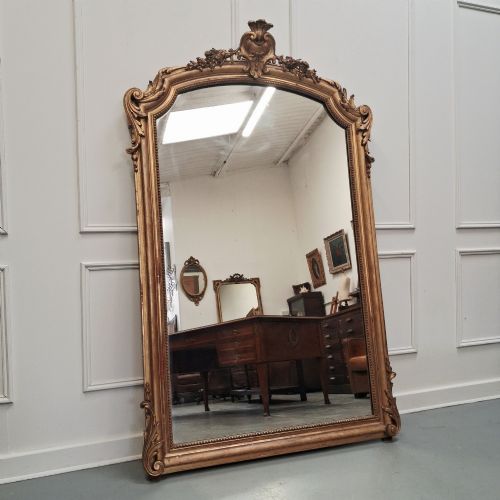
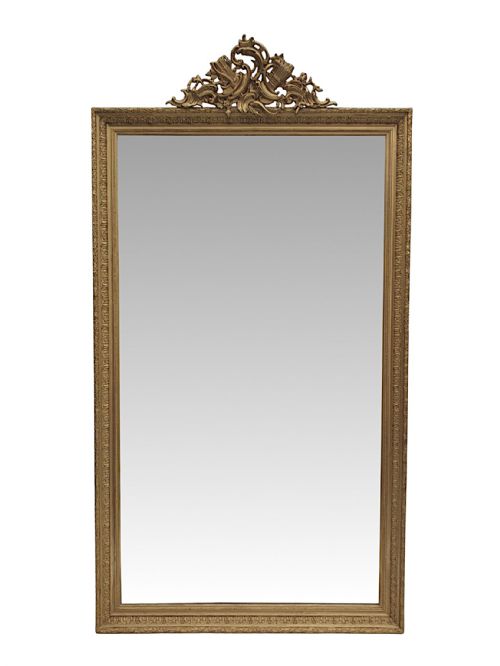
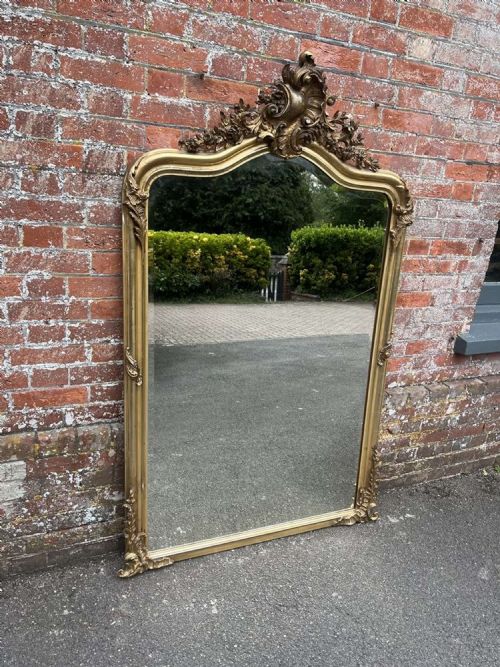
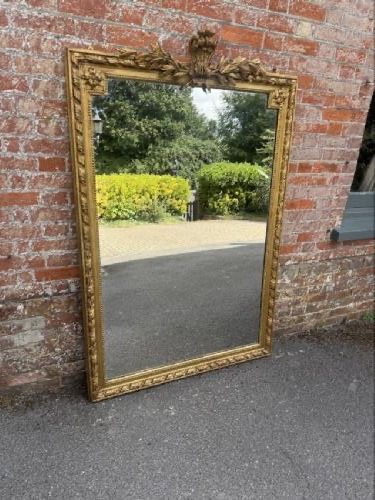
Carved Crest Overmantel Mirror
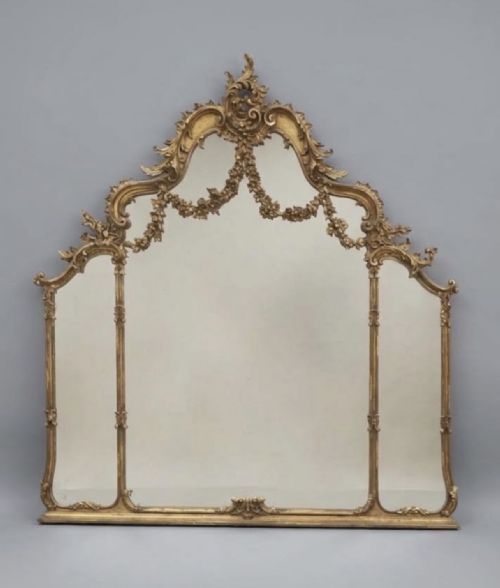
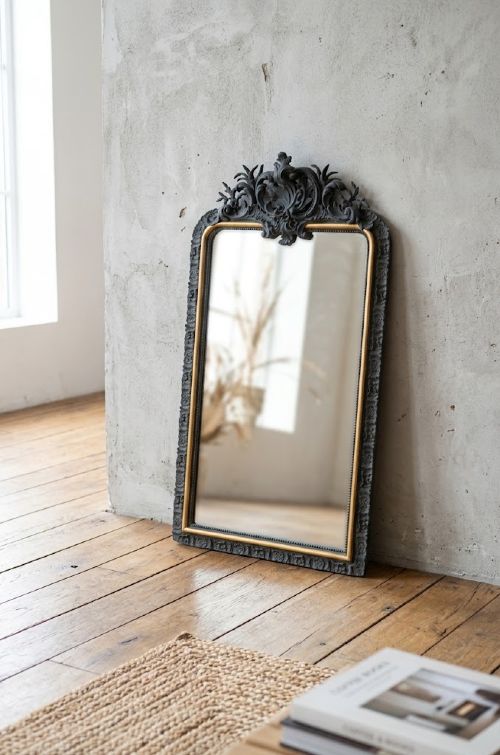
A carved crest overmantel mirror anchors a chimney breast with height and reflection, bringing light and scale to a room.
Carved Crest Overmantel Mirror
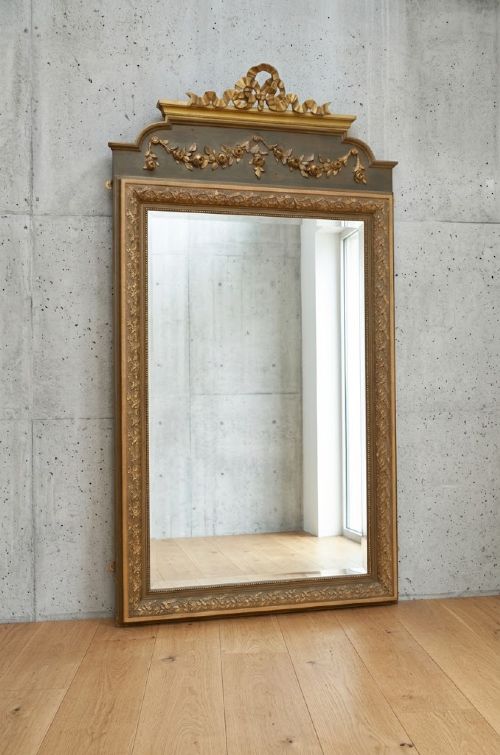
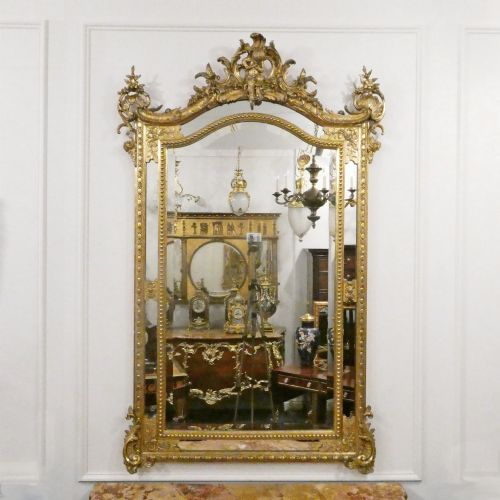
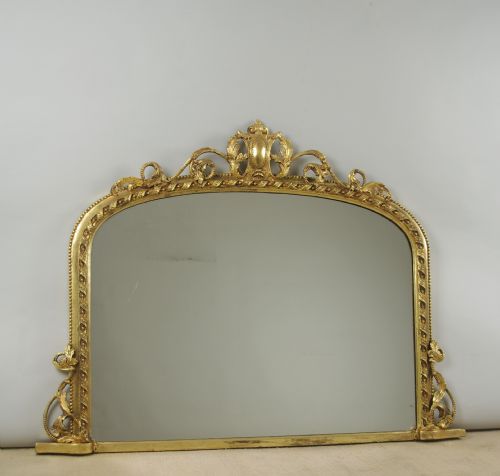
A carved crest overmantel mirror sits above a fireplace mantel, designed to fill the vertical space of a chimney breast. These pieces primarily date from the 18th century through to the early 20th century, emerging across English and continental workshops.
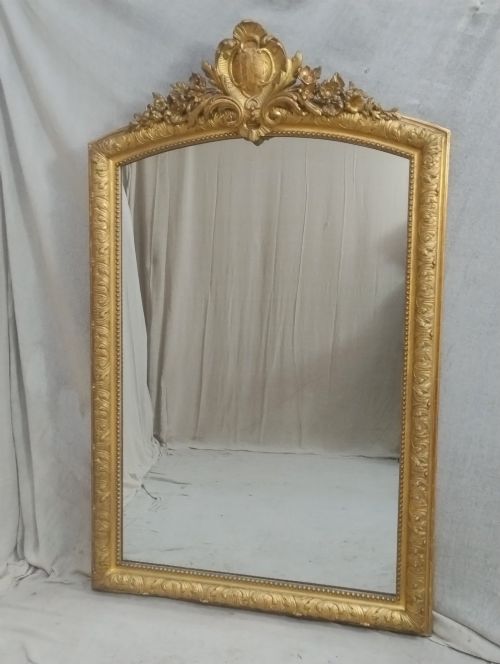
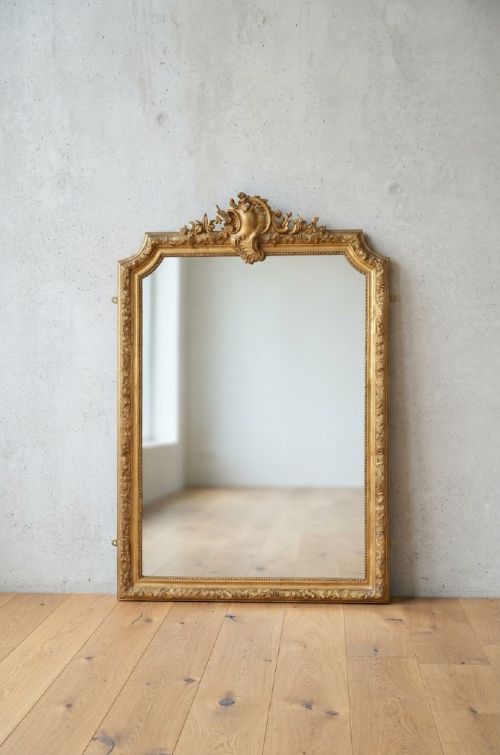
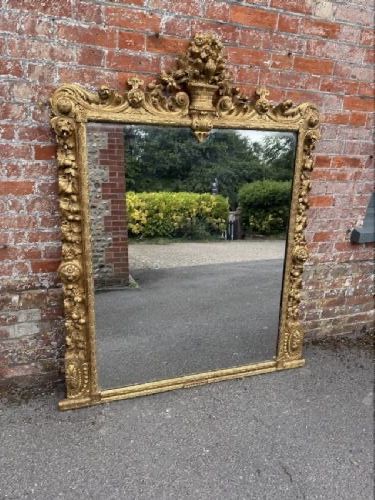
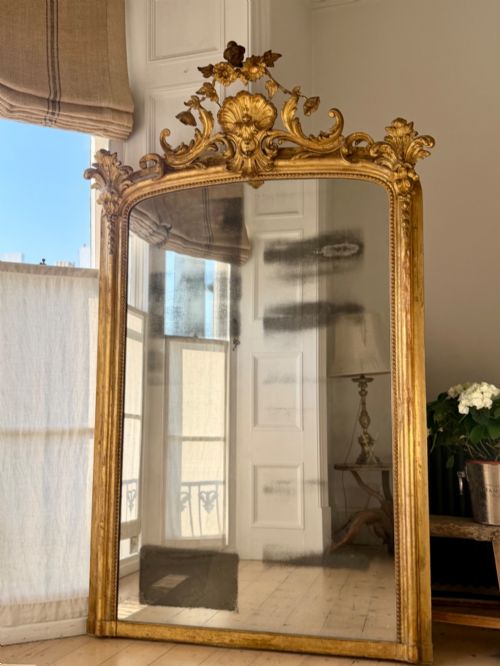
The most common examples on this page are substantial French and English wall and overmantel formats featuring architectural or floral crests. Makers constructed these mirrors to bounce natural light around high-ceilinged reception rooms and parlours.
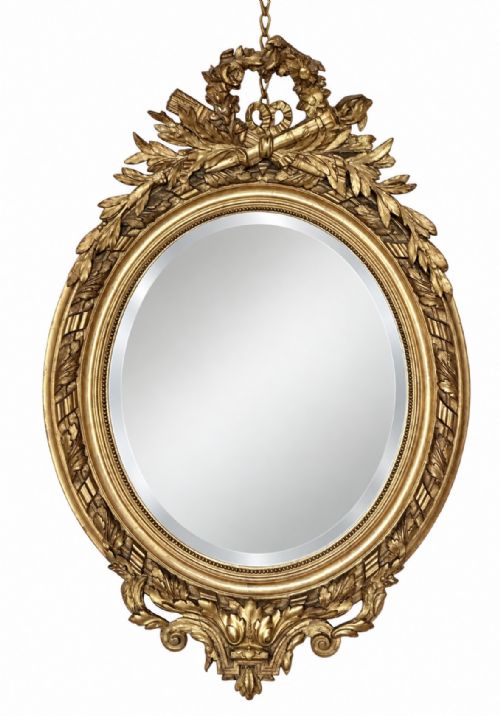
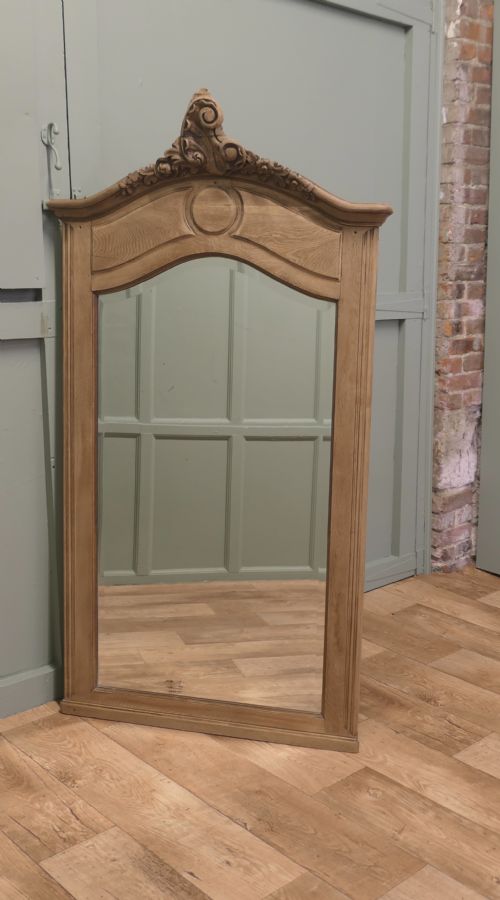
Buyers encounter varied regional styles, ranging from restrained English mahogany frames to ornate giltwood French designs influenced by Louis XV, Louis XVI and Napoleon III aesthetics. Each piece reflects the decorative priorities of its period, from classical symmetry to exuberant revivalism.
Materials and construction
Carpenters typically carved the primary framework from solid woods such as mahogany, oak or pine, providing a rigid structural carcass. Artisans then applied layers of gesso - a mixture of chalk and binder - directly onto the timber base to build up intricate relief details.
Guilders laid thin sheets of gold leaf over the prepared gesso surfaces, burnishing the metal to a brilliant shine or leaving sections matte for textural contrast. Silvered finishes and painted wood variations also appear, reflecting distinct regional workshop practices.
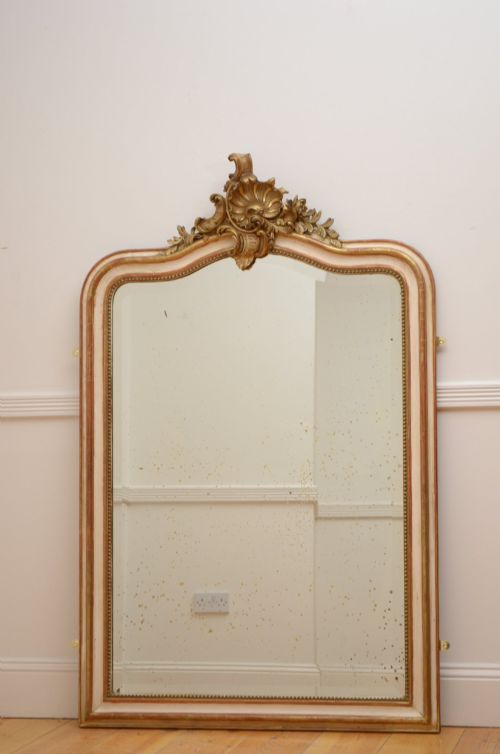
Original mirror plates in older examples consist of mercury glass or early float glass, often displaying natural foxing and age spots. Glazing was secured from the rear with wooden panels, holding heavy glass plates safely within the decorated frame.
Current listings feature pieces spanning the 18th century, Victorian era, and early 20th century, utilising giltwood, gesso, mahogany, and painted wood.
Judging the work
Quality rests in the crispness and depth of the hand-carved wooden or gesso crest, where deeper undercut foliage and sharp ribbons distinguish master carvers from standard production. Finer frames show meticulous hand-tooling rather than cast composition ornament pressed into the gesso.
The integrity of the gilding separates exceptional survivals from heavily restored pieces, with original gold leaf showing a warm, degraded patina over the red bole base. The retention of original mirror glass, complete with authentic foxing, adds considerable weight to an antique piece.
The Carved Crest Overmantel Mirror Glossary
- Overmantel mirror
- A large mirror specifically proportioned to hang on the wall immediately above a fireplace mantelpiece. They often feature low frames designed to rest directly on the shelf.
- Gesso
- A dense plaster mixture applied to wood frames to create a smooth surface for gilding or deep relief carving. Artisans carved intricate scrolls and floral motifs directly into this dried compound.
- Giltwood
- Timber that has been coated with a thin layer of gold leaf or gold paint. This finish protected the underlying wood while projecting wealth and reflecting candlelight.
- Foxing
- Age-related spots and browning that develop within antique mirror glass as the silver backing oxidises. This chemical process creates a characteristic mottled appearance across the reflection.
- Cartouche
- An ornamental frame or tablet resembling a rolled-up piece of parchment, often placed centrally on a mirror crest. Carvers used these spaces for heraldic crests or detailed foliage.
Carved Crest Overmantel Mirror: Frequently Asked Questions
How do I hang a heavy overmantel mirror safely?
Due to their substantial weight, these mirrors require secure wall fixings anchored directly into masonry or heavy timber studs rather than standard plasterboard. Many period examples were originally designed to rest its lower weight upon the mantelpiece while being tethered to the wall with heavy brackets.
Professional art handlers should assess the wall structure and fit appropriate load-bearing mirror plates or French cleats to the wooden back frame. Ensuring the weight distributes evenly prevents strain on the antique joints and historic crest work.
What is the difference between a pier mirror and an overmantel mirror?
Pier mirrors were traditionally constructed to hang on the narrow pier of wall space situated directly between two windows. Their proportions tend to be taller and narrower to fit these specific architectural gaps.
Overmantel mirrors are wider horizontal pieces built to span the broader expanse above a fireplace opening. While both share similar decorative crests and giltwood materials, their original placement dictates their distinct aspect ratios.
How should I clean an antique mercury glass mirror plate?
Cleaning antique glass requires minimal moisture and gentle products to protect the fragile silvering and original backing behind the plate. Avoid standard household ammonia sprays, which can seep behind the edges and accelerate degradation.
Use a soft, dry microfibre cloth to dust the surface gently. If marks require removal, apply a tiny amount of distilled water to the cloth rather than spraying the glass directly.
Can these mirrors be used in modern interiors?
These decorative pieces integrate easily into contemporary rooms by adding historic contrast and reflecting natural light into darker corners. Placing an ornate gilt frame against a minimalist painted wall highlights the sculptural quality of the woodwork.
Beyond traditional fireplace settings, they function effectively as standalone wall art in hallways or above low sideboards. Their reflective surface visually expands room dimensions while introducing period character.