
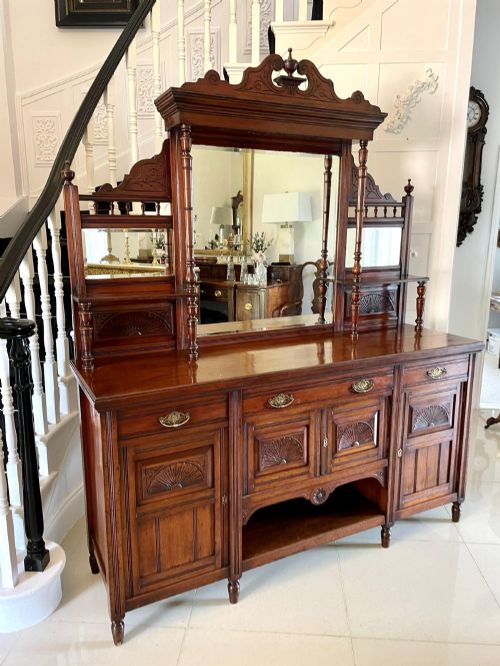
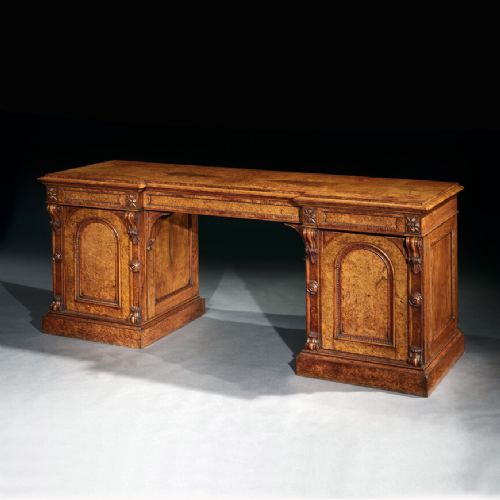
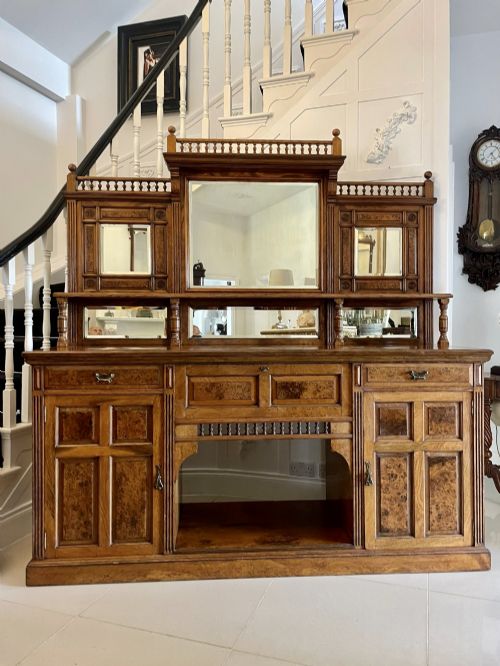
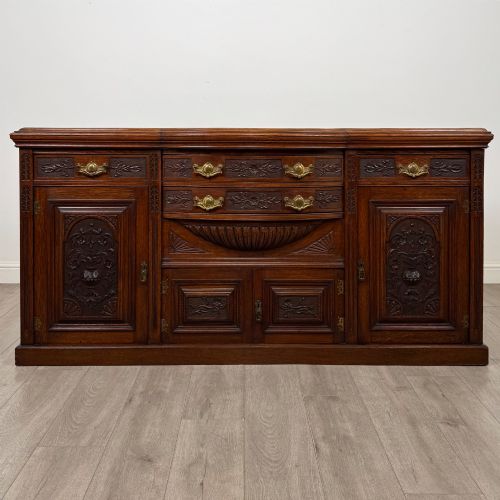
Victorian Carved Buffet Server
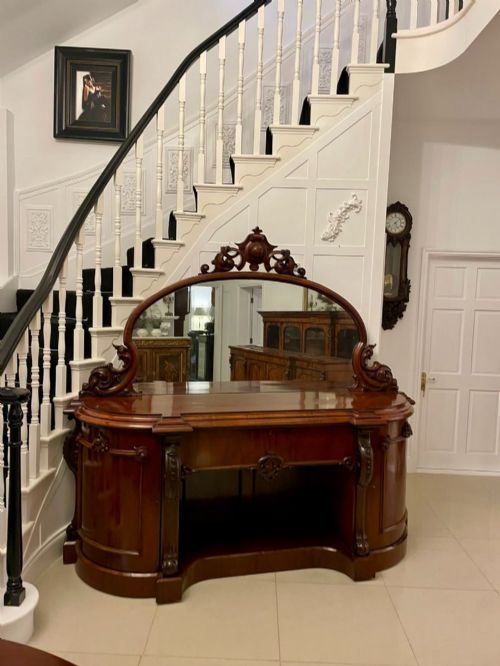
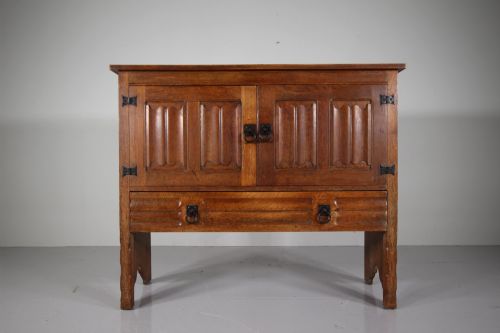
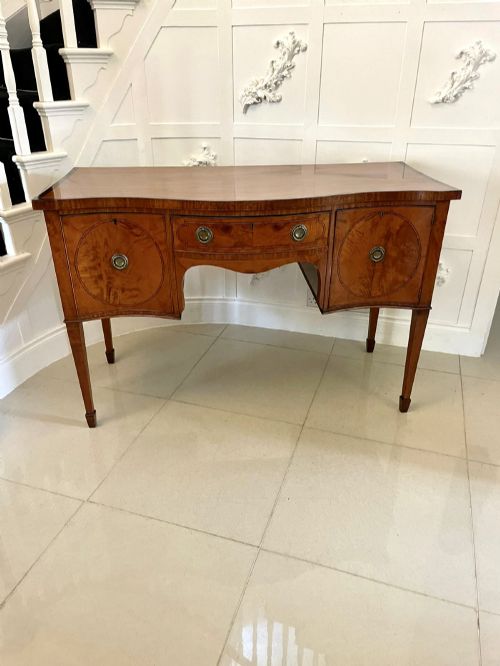
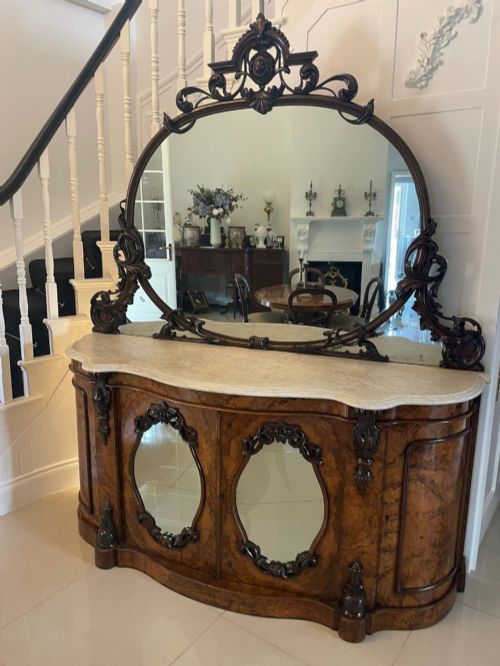
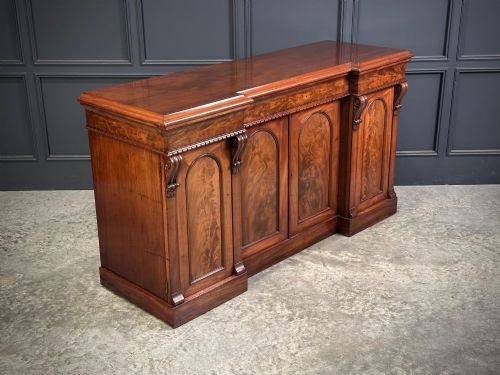
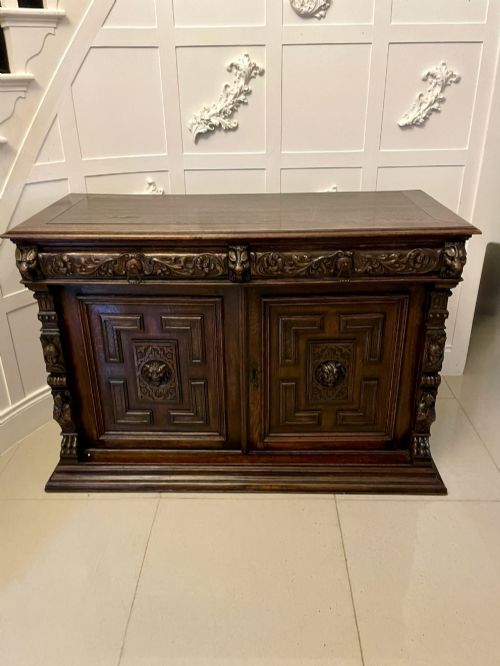
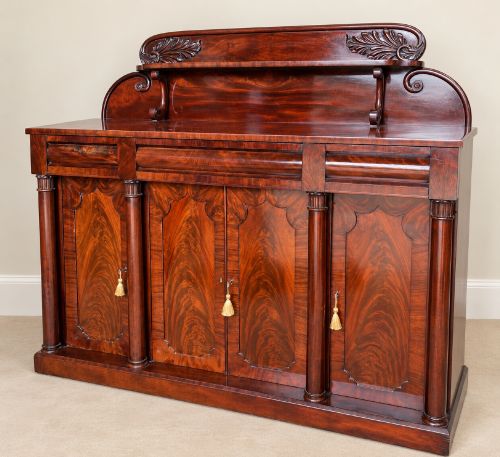
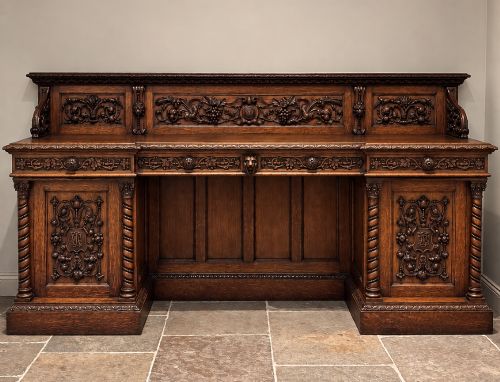
A victorian carved buffet server brings solid weight and deep timber grain to a dining room, offering serious surface space for heavy service.
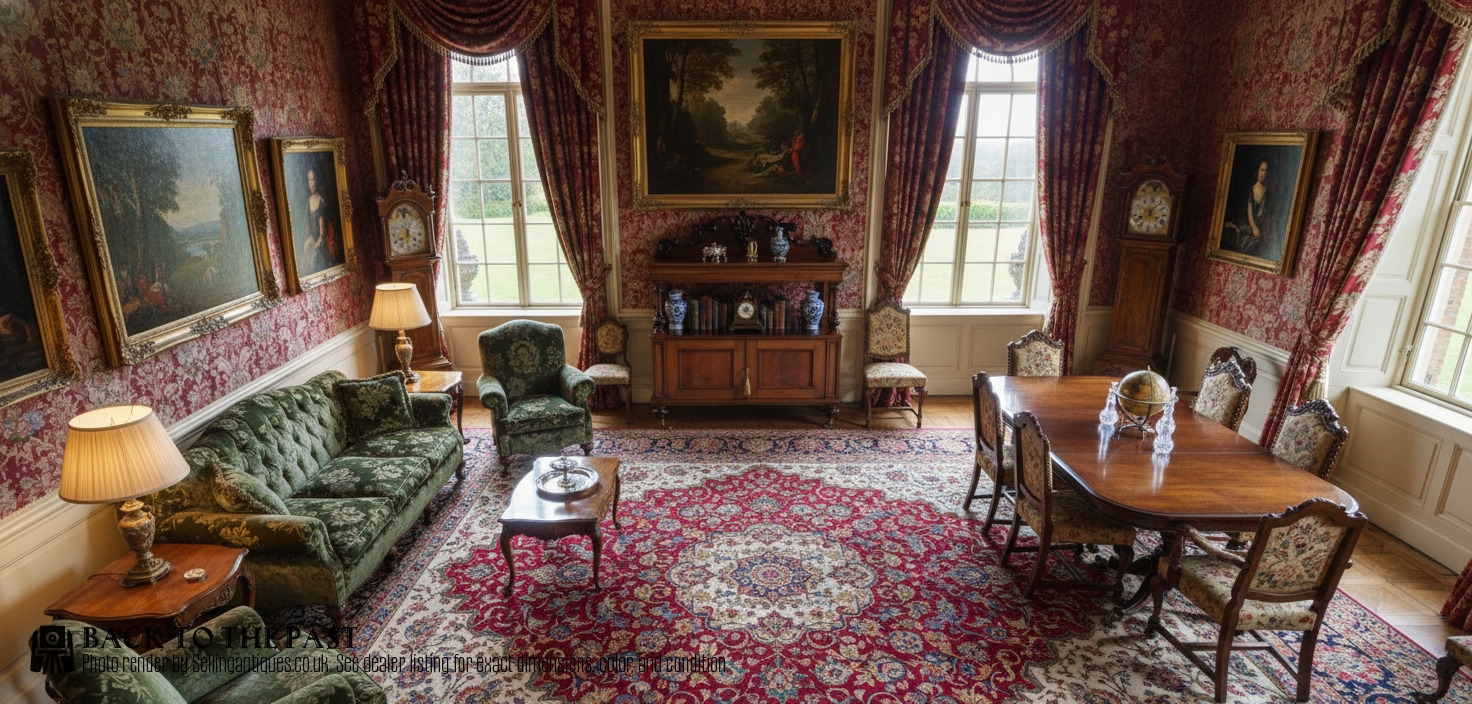
Victorian Carved Buffet Server
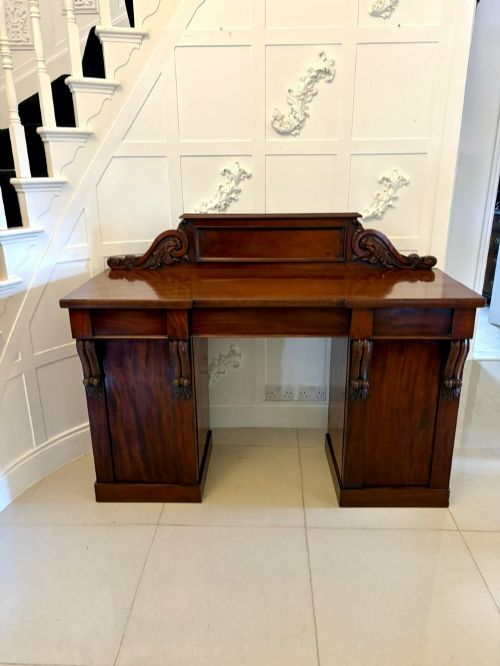
A victorian carved buffet server encompasses substantial oak, mahogany, and walnut forms designed for formal dining rooms during the nineteenth century. These pieces appear frequently as sideboards, credenzas, chiffoniers, and servers with ornate carved details and substantial proportions.
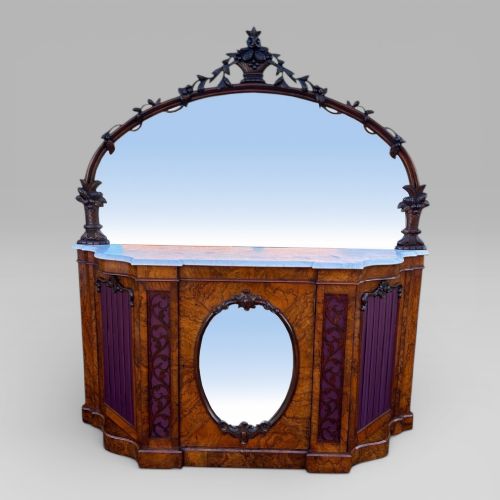
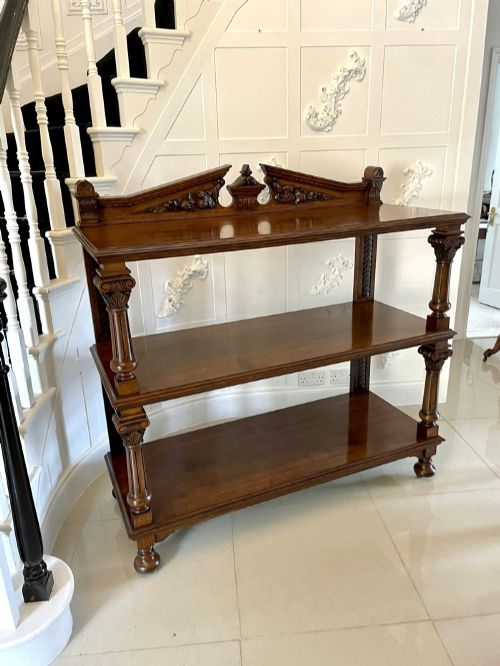
The selection ranges from mid-century mahogany designs to late nineteenth-century Gothic Revival and Renaissance Revival oak pieces. Buyers encounter mirrored backs, marble tops, tiered shelving, and heavy cupboard doors across the surviving examples.
Materials and Construction
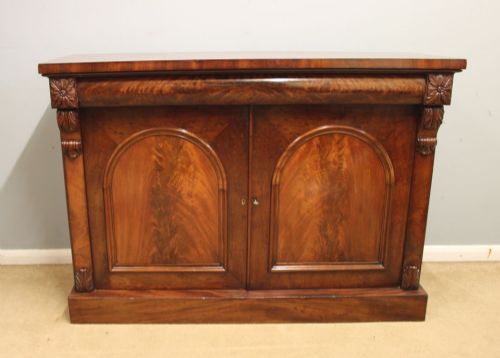
Cabinet makers utilised solid timbers alongside figured veneers, applying flame mahogany, burr walnut, and pollard oak to primary surfaces. Carved ornamentation, panelled doors, and architectural pediments required heavy joinery and dense hardwood stocks.
Secondary elements include brass hardware, glass inserts, and inset marble slabs for serving counters. Revolving tiers and adjustable shelving mechanisms incorporate turned wooden shafts and stable tripod or pedestal bases.
Listings demonstrate a strong prevalence of nineteenth-century oak and mahogany, with Gothic Revival and Renaissance Revival styles appearing frequently alongside standard Victorian forms.
Assessment of Quality
The standard of a victorian carved buffet server rests upon the depth and precision of the hand carving and the choice of timber figure. Figured mahogany veneers and burr walnut display dramatic natural grain patterns that separate standard production from superior pieces.
Construction methods determine durability, visible in the thickness of solid oak carcasses, the fitting of panelled doors, and the integration of mirror frames and superstructure shelves.
Gillows
The Victorian Carved Buffet Server Glossary
- Buffet server
- A low dining room sideboard or serving table used for holding dishes and serving food. These items feature cupboards, drawers, or open tiers.
- Mirror back
- An upright wooden superstructure containing a fitted mirror plate attached to the rear of the sideboard. This element reflects room light and displays decorative crests.
- Flame mahogany
- Timber cut from the fork of the mahogany tree to produce a rippling, flame-like grain pattern. Cabinet makers prize this veneer for principal display surfaces.
- Gothic Revival
- A nineteenth-century design style drawing inspiration from medieval architecture. Pieces exhibit pointed arches, tracery, and heavy carved mouldings.
- Chiffonier
- A compact sideboard or low cabinet equipped with drawers and enclosed shelving below an upper shelf. These pieces suit smaller dining spaces.
Victorian Carved Buffet Server: Frequently Asked Questions
How do I use a buffet server today?
These large timber units function effectively as sideboards in modern dining spaces or hallways, holding tableware, linens, and serving platters.
The broad top surfaces provide practical space for lamps, display items, or food and drink during gatherings.
What woods were used for these servers?
Cabinet makers built these pieces primarily using oak, mahogany, and walnut timbers, often selecting figured varieties for visual impact.
Surfaces frequently showcase flame mahogany veneer, burr walnut, or pollard oak alongside brass handles and occasional marble inserts.
How do I identify a Gothic Revival piece?
Gothic Revival examples display distinct architectural motifs such as pointed arches, quatrefoils, and heavy, deep-relief foliage carvings.
These pieces typically utilise solid oak and convey a stern, medieval character that separates them from smoother Regency or Victorian styles.
Are mirror backs original to the furniture?
Mirror backs integrated into nineteenth-century sideboards and credenzas are generally original components tied directly to the structural carcass.
The carved wooden frames surrounding the glass match the timber and decorative style of the lower cupboards and drawers.