
Antique Serving Sideboard Table
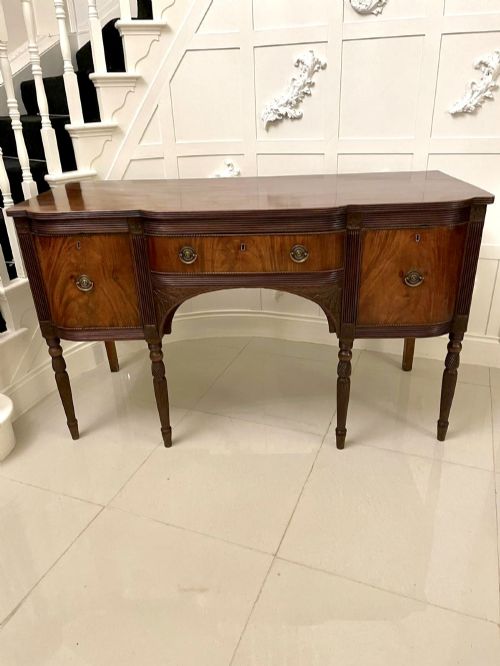
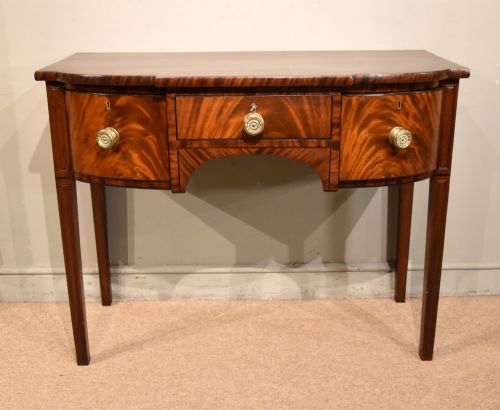
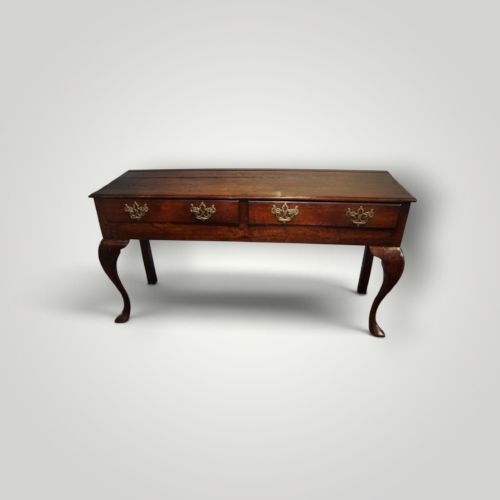
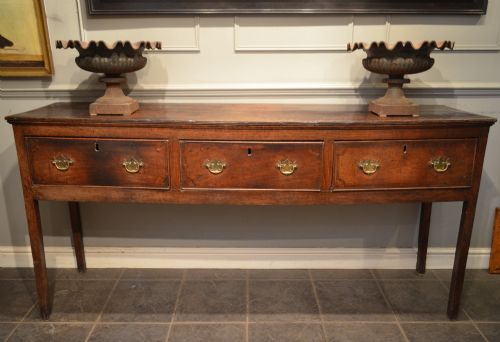
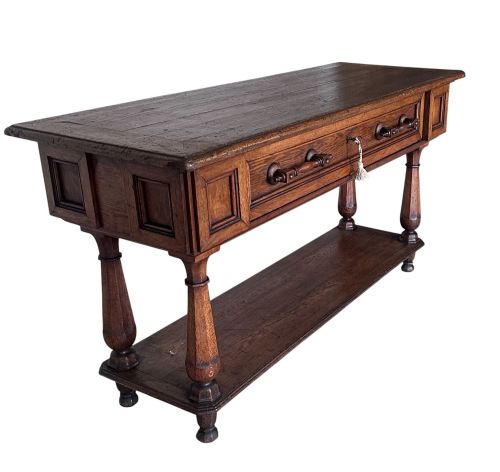
When you need an antique serving sideboard table, you are looking at substantial timber furniture designed to hold food, plate and glass during dining.
Antique Serving Sideboard Table
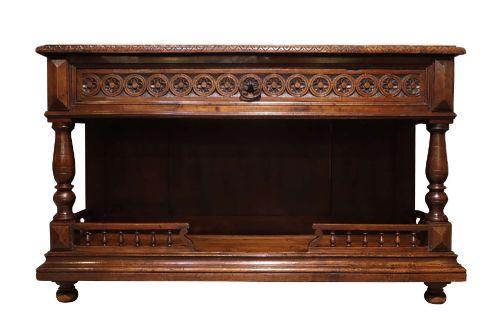
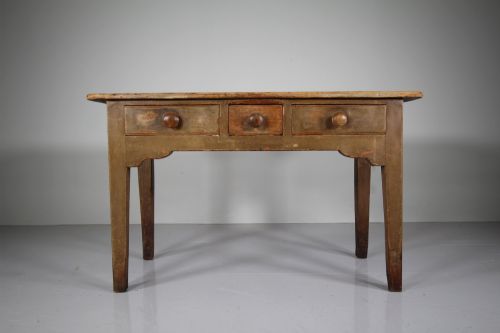
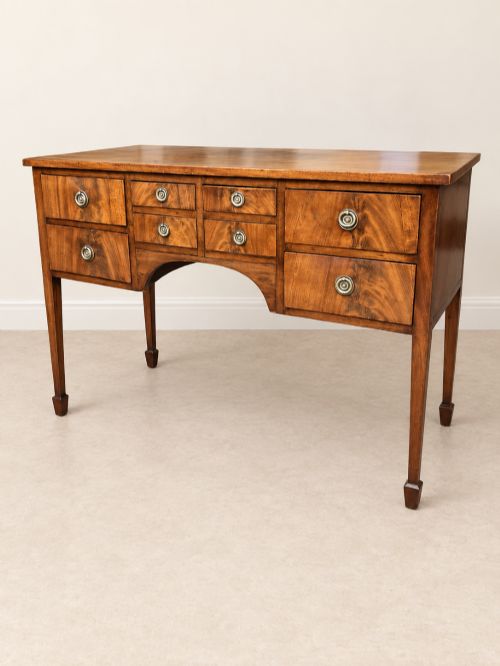
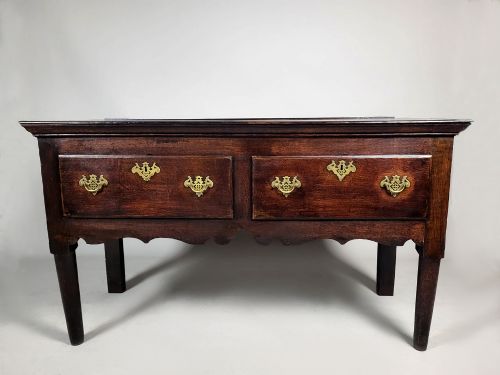
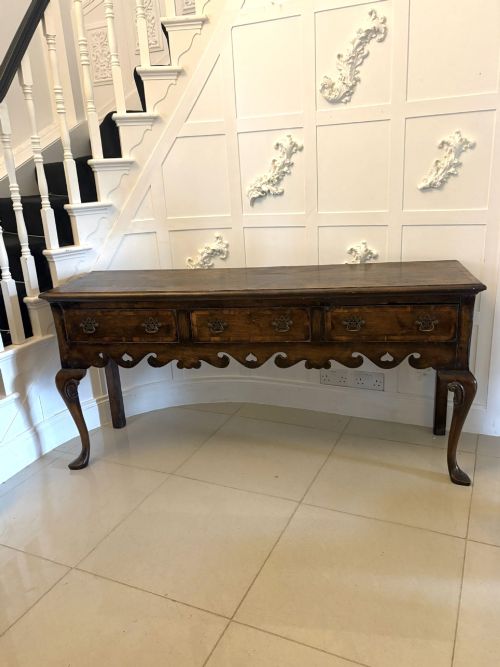
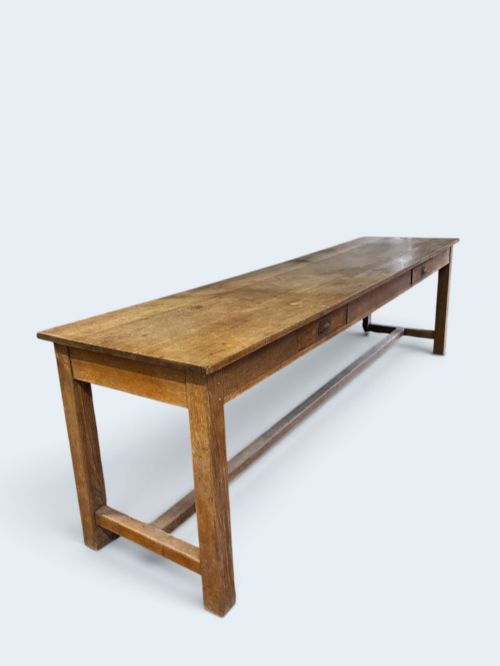
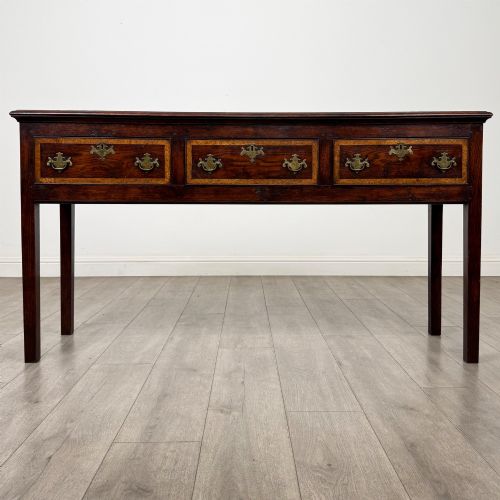
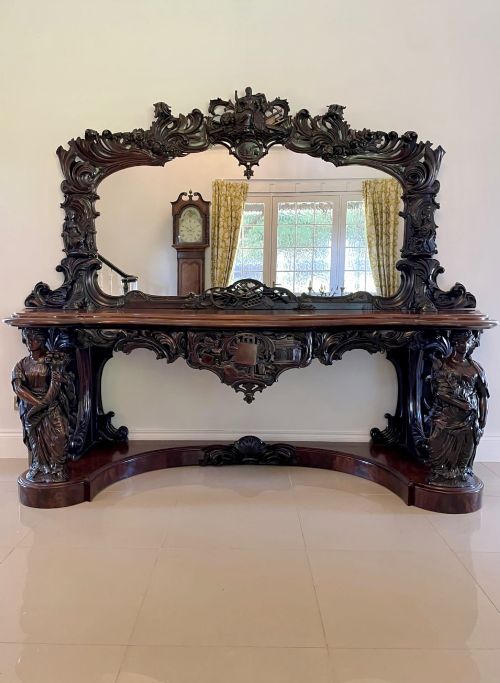
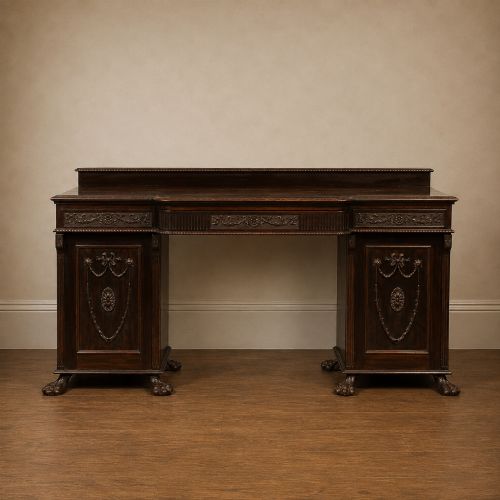
An antique serving sideboard table encompasses form designations such as sideboards, serving tables, console tables and dresser bases. These pieces emerge from centuries of dining traditions, spanning the 18th century through the Victorian and Edwardian eras. Mahogany and oak dominate the offerings, built primarily in English, Welsh, Scottish and continental workshops.
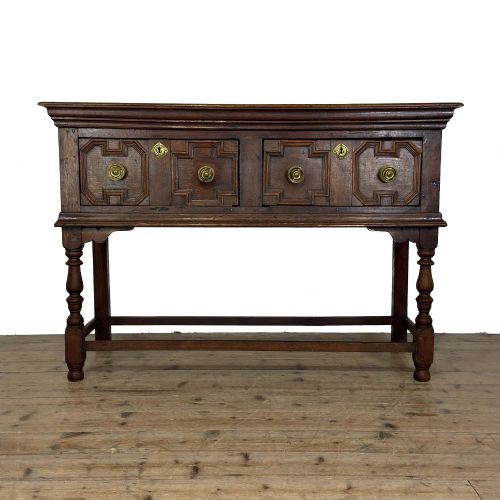
Buyers regularly encounter George III and Regency mahogany pieces alongside solid oak regional dresser bases and potboard servers. The selection also includes walnut, burr walnut and pine variations, stretching from plain farmhouse furniture to grand breakfront and mirror-back designs.
Materials and construction methods
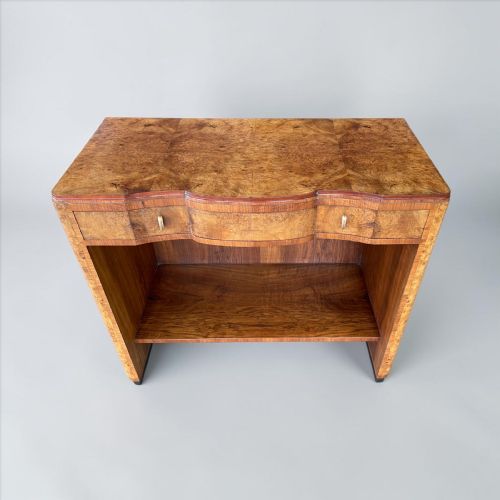
Cabinetmakers relied on dense hardwoods like mahogany and oak, often accented with boxwood stringing, brass fittings and figured burr walnut veneers. Timber selection dictated both structural stability and visual depth, particularly on prominent surfaces like tabletops and breakfront doors.
Joinery methods involved traditional mortise and tenon frames, dovetailed drawer construction and turned or cabriole legs. Workshops occasionally incorporated secondary timbers like pine for internal framing and drawer linings while reserving finer woods for visible exteriors.
Some dining rooms required metamorphic tables that could transform on command, proving that Victorians loved clever mechanical trickery with their mahogany.
Distinctions in construction and design
Quality rests in the selection of figured timber veneers, the crispness of carved details such as paw feet or brass inlay, and the structural integrity of the frame. Pieces produced by documented makers or adhering closely to neoclassical design principles often display superior proportion and balance.
Plain regional furniture relies on the honesty of solid oak construction and practical proportions rather than elaborate ornamentation. The distinction between everyday utility pieces and exhibition-grade furniture lies in the ambition of the design and the precision of the cabinetmaker's execution.
Maurice Adams·Gillows·Epstein·Harry and Lou Epstein
The Antique Serving Sideboard Table Glossary
- Dresser base
- A low wooden sideboard fitted with drawers, sometimes featuring an open potboard shelf beneath for storage. This form served domestic kitchens and dining rooms alike.
- Breakfront
- A cabinet or sideboard whose central section projects forward from the flanking outer sections. This architectural arrangement creates depth and visual rhythm on large dining room pieces.
- Potboard
- An open lower shelf built into the base of a dresser or serving table. The surface held heavy pots, trenchers and ceramic platters.
- Console table
- A wall-mounted or freestanding table supported by legs or brackets, designed for display and serving. These tables often feature decorative carved cabriole legs.
- Marquetry
- The art of applying decorative veneer pieces in wood to form geometric or floral patterns. Craftsmen utilised contrasting timbers like boxwood and mahogany to achieve shaded pictorial designs.
Antique Serving Sideboard Table: Frequently Asked Questions
How do I date a Georgian mahogany sideboard?
Dating relies on examining structural timber, hardware, leg design and cabinet proportions. Georgian pieces frequently feature straight tapered legs, cockbeaded drawer edges and solid mahogany secondary framing.
Later Victorian and Edwardian revivals often introduce heavier carving, mirror backs or machine-cut veneers that distinguish them from 18th-century originals.
Where were dresser bases used?
Dresser bases served primarily in domestic kitchens, pantries and dining halls as heavy-duty work surfaces and storage units. The lower drawers and potboard shelves held everyday utensils and serving platters.
Over time, these practical oak and pine pieces transitioned into formal dining rooms as secondary serving tables.
What timber was used most often?
Mahogany and oak remain the most prevalent woods across these listings, spanning Georgian, Victorian and Edwardian periods. Oak appears frequently in regional dresser bases and country furniture.
Mahogany dominates formal dining furniture due to its rich grain, structural strength and ability to take a deep polished finish.