

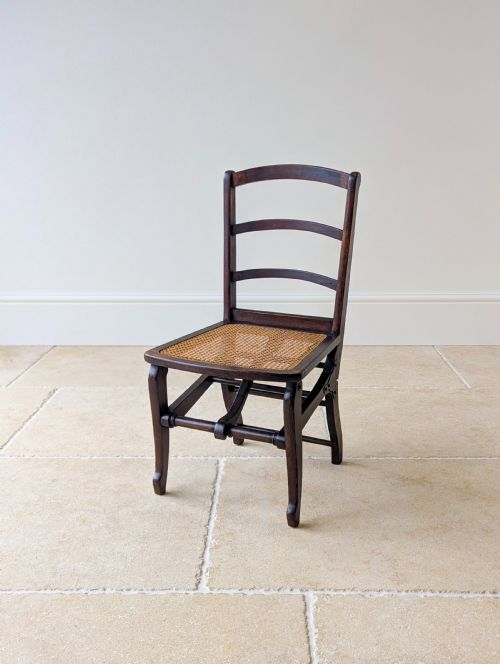
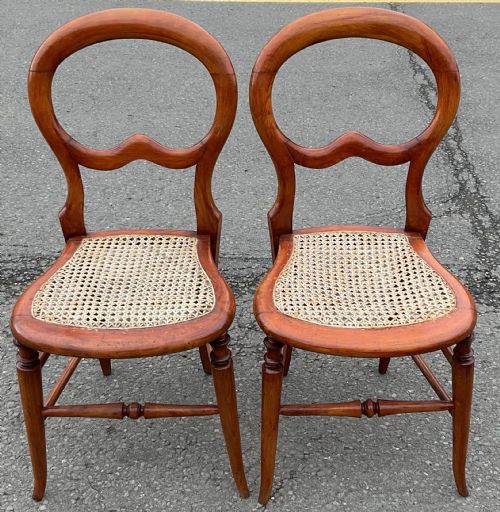


Victorian Cane Back Chair
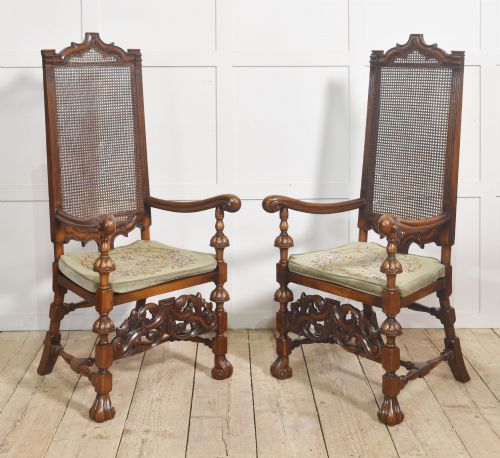
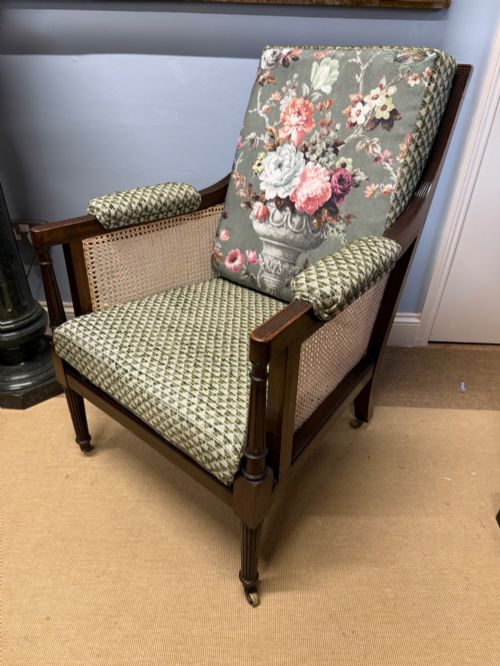
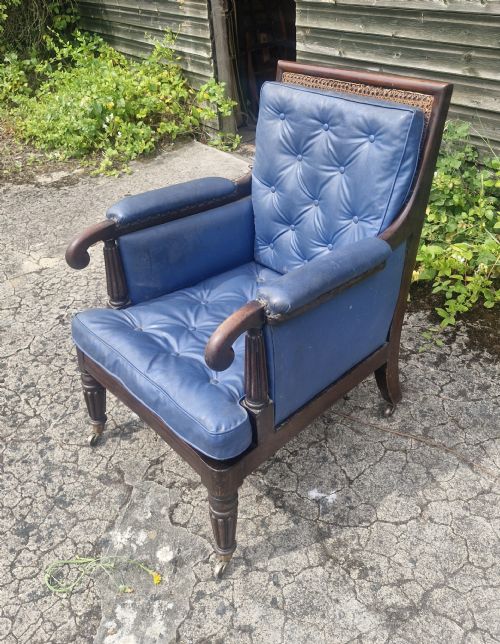
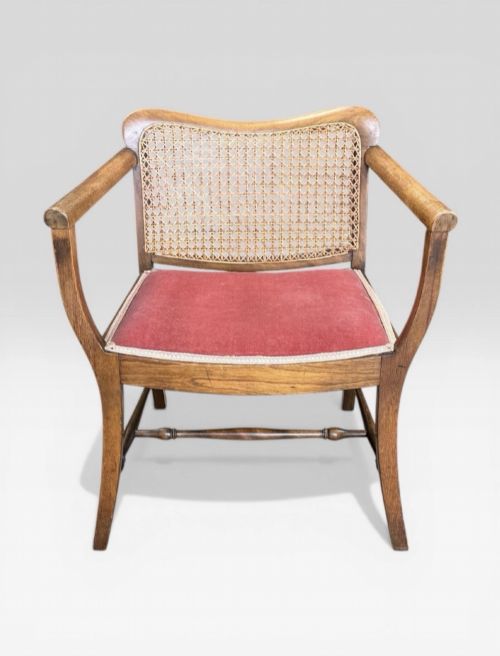
A victorian cane back chair brings textured panels of woven material into domestic seating across library, parlour and dining room.
Victorian Cane Back Chair
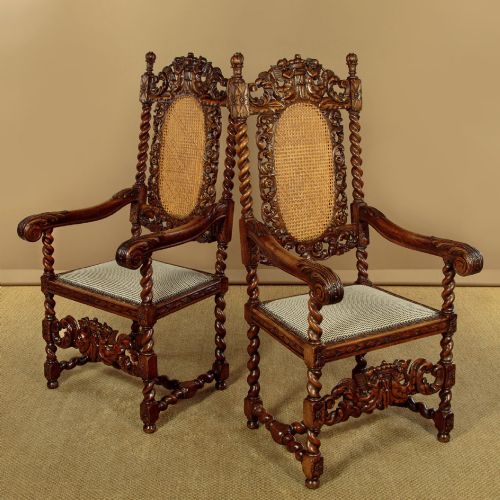
A victorian cane back chair forms part of a broad family of nineteenth century seating found in country houses, libraries and parlours. These pieces appear as armchairs, rocking chairs, dining chairs, side chairs, bedroom chairs, hall chairs and library chairs.
The selection ranges across several revivals and regional styles, including Carolean Revival, Anglo-Indian Colonial, Jacobean Revival, Victorian Country and Renaissance Revival. Pieces date from the nineteenth century into the Edwardian era and the early twentieth century.
Buyers encounter library armchairs, bergere chairs, folding campaign chairs, correction chairs, musician's chairs and throne chairs alongside matched dining sets. Woods include oak, mahogany, walnut, satinwood, ebony, beech and Indian rosewood.
How they were made
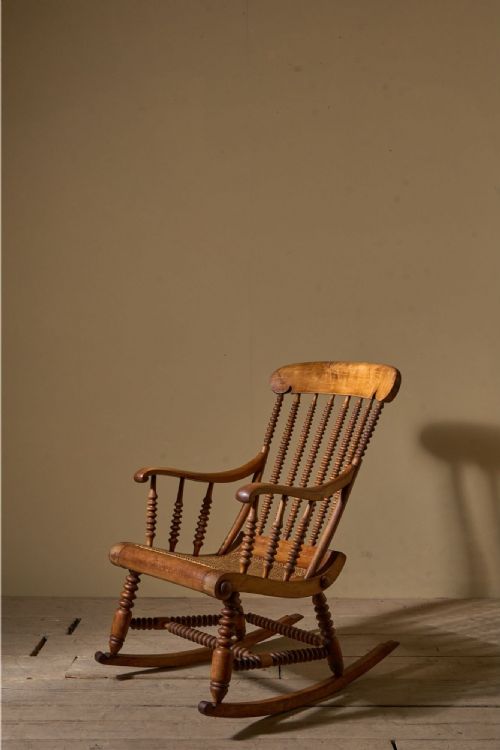
Craftsmen built these frames from hardwoods such as mahogany, oak and walnut, alongside bentwood techniques seen in rocking and bistro forms. Turning methods like bobbin turning and spindle work created distinctive structural members.
Caning panels were hand-woven through drilled holes or channels in the wooden frames, providing a flexible and breathable support for seats and backs. Upholstery elements sometimes included fabric or velvet cushions placed upon the woven bases.
Musician's chairs allowed Victorian performers to sit comfortably while keeping their scores close at hand during long parlour recitals.
What varies in quality
Quality rests upon the crispness of the timber carving and the tightness of the woven cane work. Heavy carving in oak and walnut distinguishes substantial library and throne chairs from simpler bedroom or side seating.
The integrity of the frame construction and the matching of sets dictate desirability among dining chairs and pairs. Timber selection ranges from standard regional hardwoods to imported satinwood, ebony and rosewood.
James Shoolbred·Thonet·Gillows
The Victorian Cane Back Chair Glossary
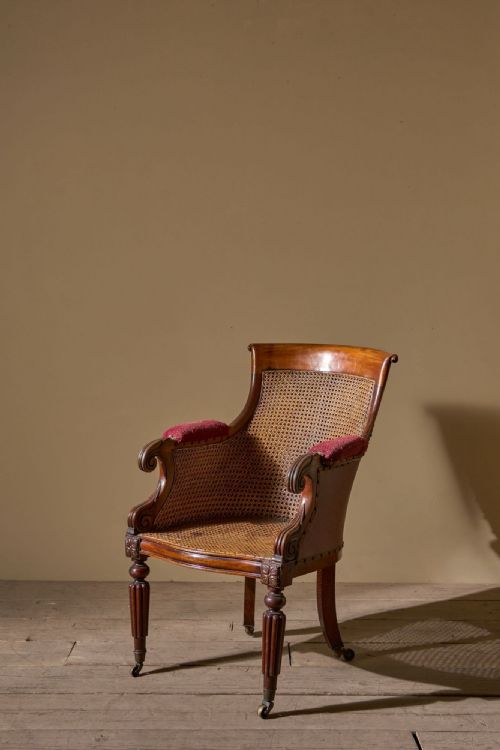
- Bergere
- An upholstered armchair with closed sides where the upholstered areas are frequently replaced with cane panels. This French-inspired form became popular in nineteenth-century libraries.
- Cane
- Strips of material derived from the outer bark of rattan palms, woven into intricate open patterns for seats and backs. It offers both resilience and flexibility.
- Correction chair
- A nineteenth-century seating form designed with a tall straight back to encourage upright posture among children or young adults. Examples frequently feature cane seats and backs.
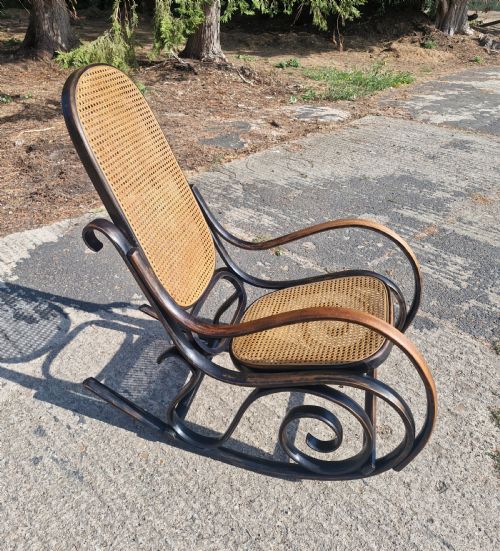
- Bentwood
- Wood softened by steam and bent into curved structural components without joints. This technique produced lightweight rocking and bistro chairs during the later nineteenth century.
Victorian Cane Back Chair: Frequently Asked Questions
How do I clean cane seats?
Wipe the woven surface gently with a damp cloth using warm water, avoiding harsh chemicals that dry out the natural material.
Allow the cane to dry completely before placing any weight or cushions back onto the seat.
Can broken cane be repaired?
Traditional cane weaving can be repaired by a skilled specialist who replaces the damaged sections by hand through the frame holes.
Complete re-caning restores the structural tension and appearance of historical seating.
Where were these chairs used?
These seats served multiple domestic functions across nineteenth-century homes, from formal dining rooms and libraries to private bedrooms and parlours.
Specialist forms like library armchairs and correction chairs fulfilled specific daily routines.
How do I date these chairs?
Dating relies on identifying stylistic revival markers, timber choices, turning types and construction methods recorded across the nineteenth and early twentieth centuries.
Comparing regional variations and documented cabinetmaker output helps narrow the period of origin.