


Antique Woven Rattan Seat
These antique woven rattan seat pieces bring tactile texture and timeless craft to a room, offering both everyday comfort and enduring character.
Antique Woven Rattan Seat
You are most likely to meet Victorian and Edwardian examples on this page, alongside pieces from the Regency era, the Arts and Crafts movement, and the mid-century period.
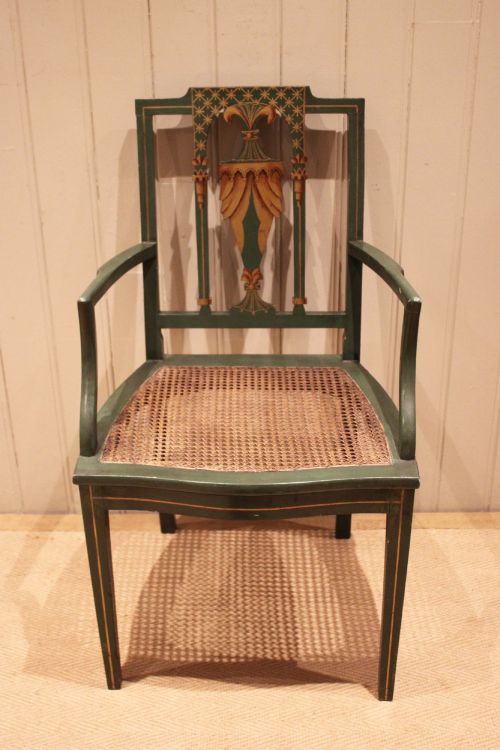
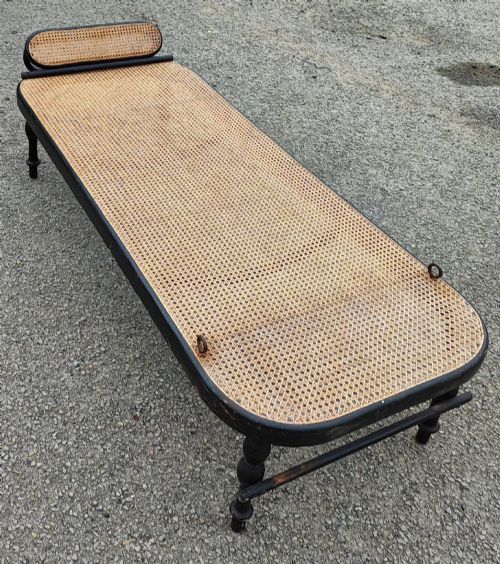
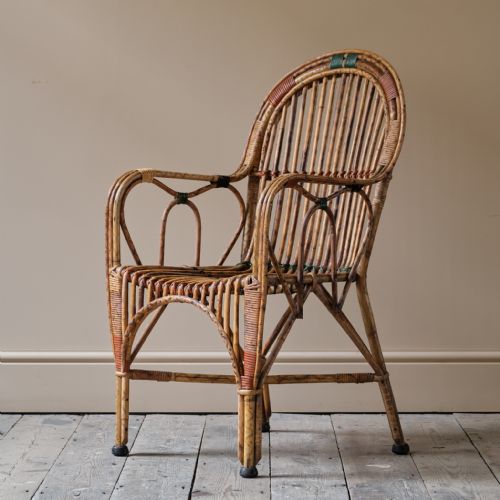
The assortment spans formal painted Hepplewhite styles, ebonised day beds, and robust wicker designs from workshops like Dryad, reflecting a rich history of seating manufacture.
Materials and construction
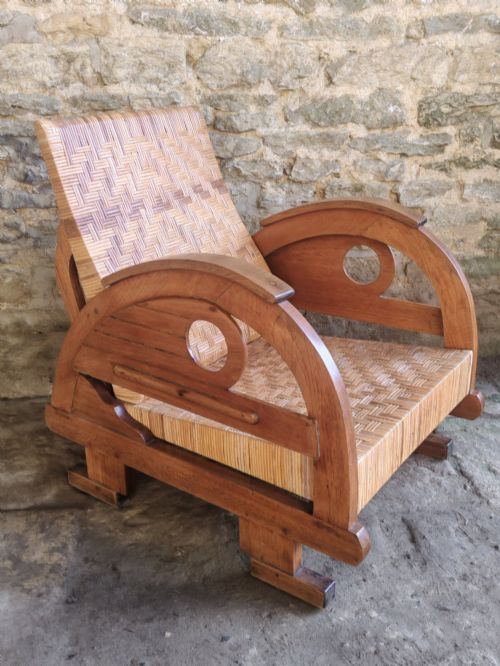
These pieces combine sturdy wooden frames in mahogany, teak, or ebonised wood with flexible woven plant fibres like cane and rattan.
Some examples incorporate supplementary materials such as brass fittings, painted finishes, and fabric upholstery to enhance both function and appearance.
The listings span from Regency and Victorian periods through to the Edwardian era and the nineteen-twenties.
Judging the range
Quality varies in the precision of the frame joinery and the tightness of the woven lattice work across the seat or back.
Distinction often lies in the sophistication of the timber turning, the presence of original painted or ebonised surfaces, and documented workshop attribution.
Dryad And Co·Dryad Of Leicester
The Antique Woven Rattan Seat Glossary
- Bergere
- A closed upholstered armchair with a wooden frame where the sides are typically filled with cane or rattan work. This French style became particularly popular in Edwardian seating.
- Cane
- Strips of material derived from the outer bark of the rattan palm, used for interlaced seating patterns. It provides a resilient and breathable surface.
- Ebonised
- Wood that has been treated chemically or painted to resemble ebony, achieving a dense black finish. This technique was frequently utilised on nineteenth-century statement furniture.
- Hepplewhite
- A lightweight, graceful furniture style originating in the eighteenth century, characterised by shield-back designs and tapered legs. Later revival pieces often adopted these refined proportions.
Antique Woven Rattan Seat: Frequently Asked Questions
How do I clean a rattan seat?
Dust the woven surface regularly with a soft brush to prevent dirt accumulation between the strands. Avoid harsh chemical cleaners that can dry out the natural plant fibres.
Occasionally dampen the rattan very slightly with a wrung-out cloth to maintain elasticity. Allow the material to dry completely before any weight is placed upon it.
Are these chairs suitable for daily use?
Most of these historic seats remain structurally sound for regular sitting when placed on level flooring. Heavier items like armchairs and sofas handle routine usage well.
Delicate antique weaves require sensible treatment to avoid puncturing or stretching the strands. Position them away from direct heat sources to preserve the timber and fibres.
What is the difference between cane and rattan?
Rattan refers to the solid climbing palms native to tropical regions, which provide sturdy material for furniture framing. Cane is specifically the peeled bark of the rattan plant used for weaving intricate patterns.
Furniture pieces often combine both materials, utilising thicker rattan poles for structural support and finer cane strips for flexible seating areas.
How can I date an antique rattan chair?
Dating relies on observing the prevailing style, such as Regency curves or Arts and Crafts simplicity, alongside timber types like teak and mahogany. Construction marks and workshop labels offer further chronological clues.
Compare the weave pattern and frame finish against known period examples to narrow down the decade of production. Documentation or maker signatures provide the most reliable dating.