

Victorian Candlestick Lamps
Victorian candlestick lamps transform period brass and silver plated lighting fixtures into functional interior pieces that bring heavy metal columns and glass fonts to modern desks.
Victorian Candlestick Lamps
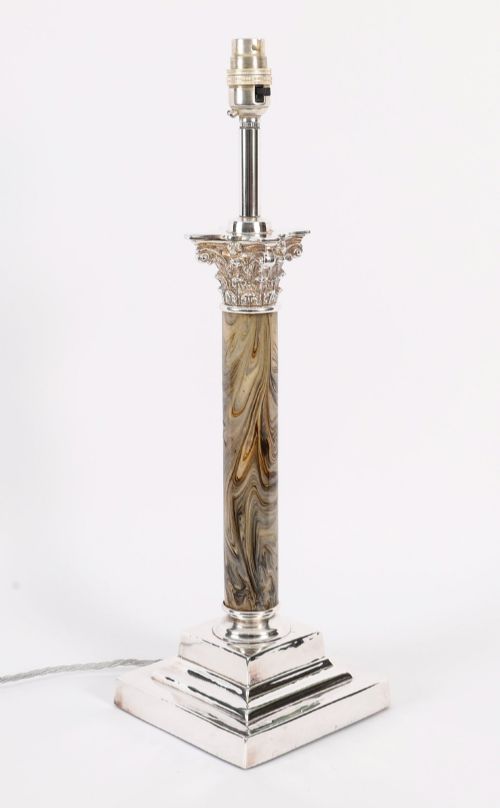
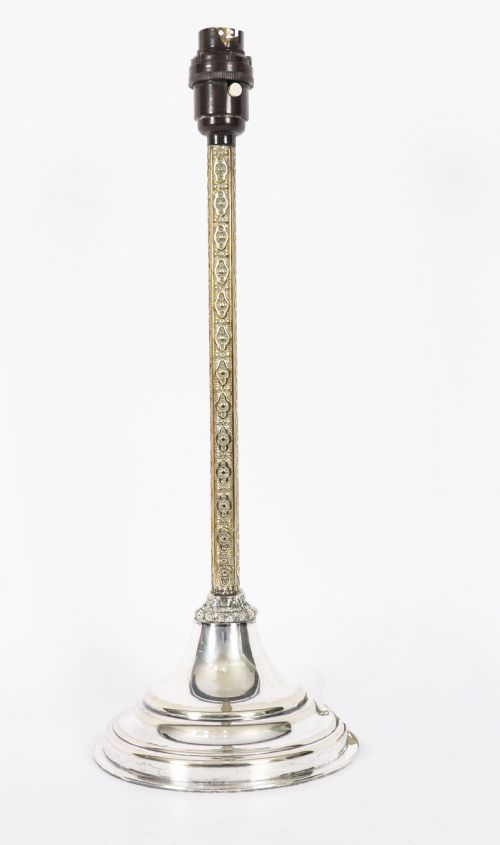
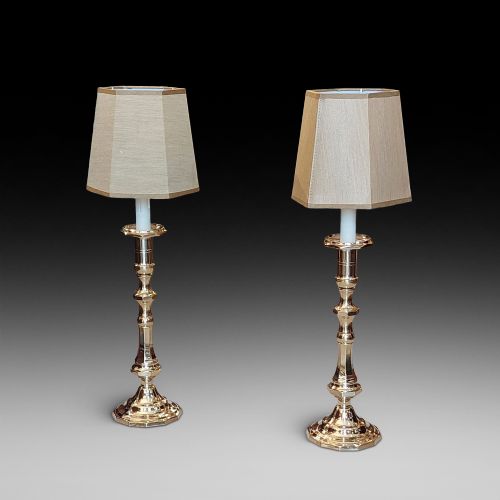
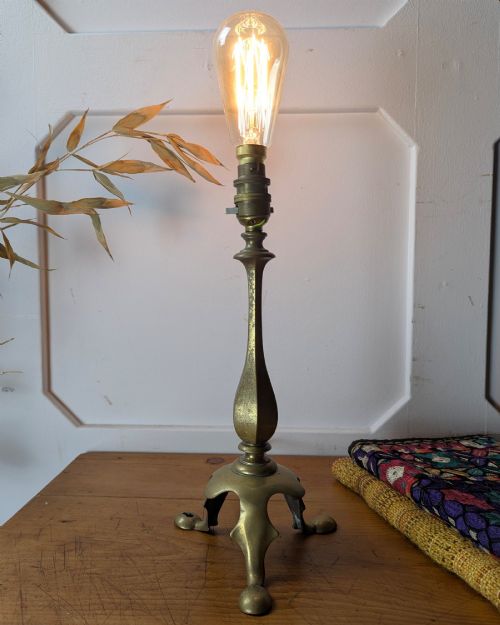
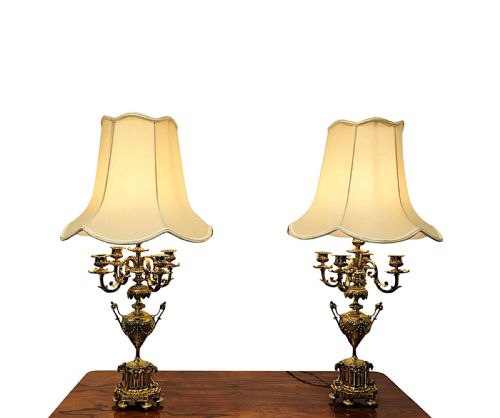
Victorian candlestick lamps take standard nineteenth-century lighting equipment, such as altar candlesticks, oil lamps, and columnar candleholders, and adapt them for electrical use. Buyers looking at this page encounter converted brass columns, church candlesticks, and silver plated column bases originating from the Victorian period through to the early twentieth century.
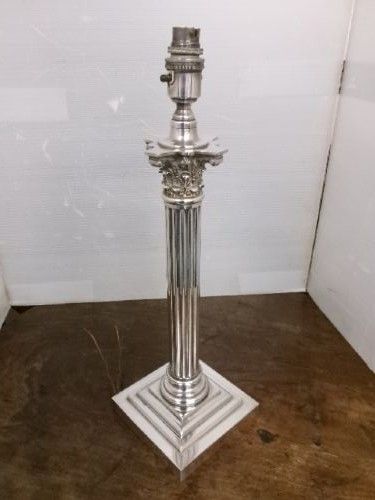
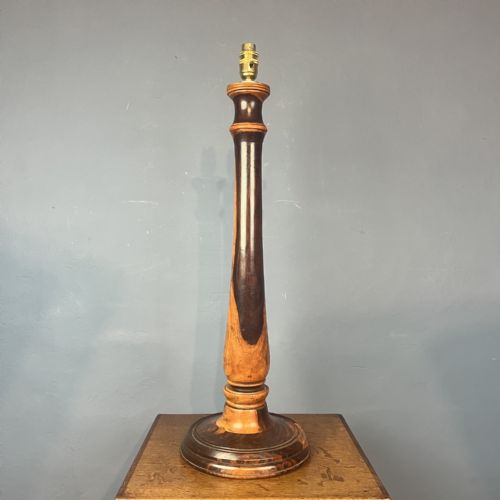
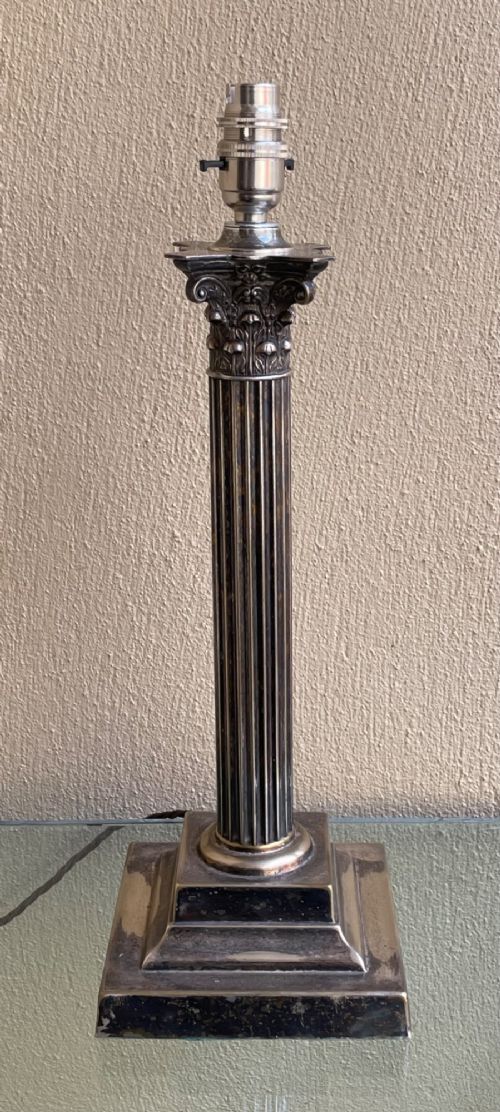
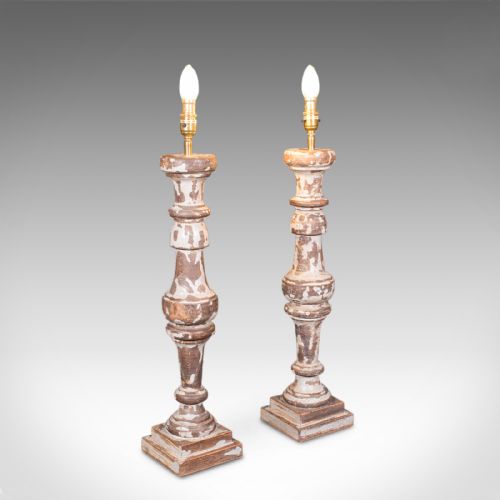
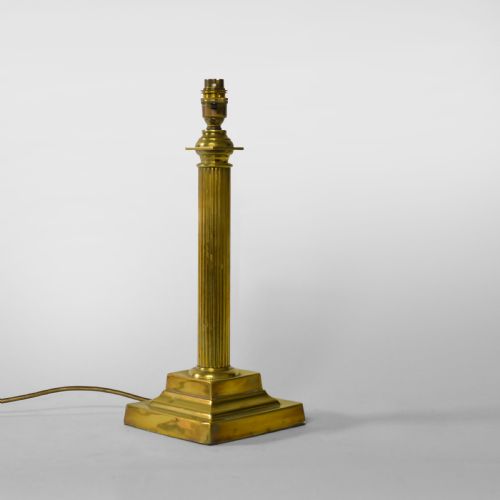
The most common forms on this page include heavy cast brass Corinthian or ionic columns, silver plated table lamps with lion's paw feet, and turned timber or lignum vitae bases. Many of these items started life as oil lamps or wax candleholders before receiving modern wiring.
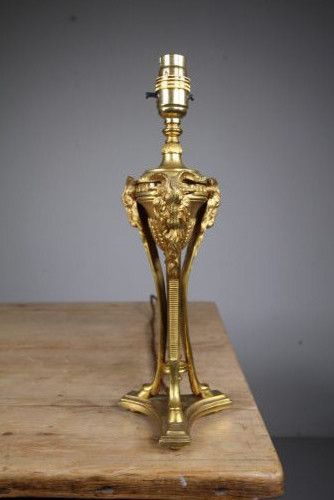
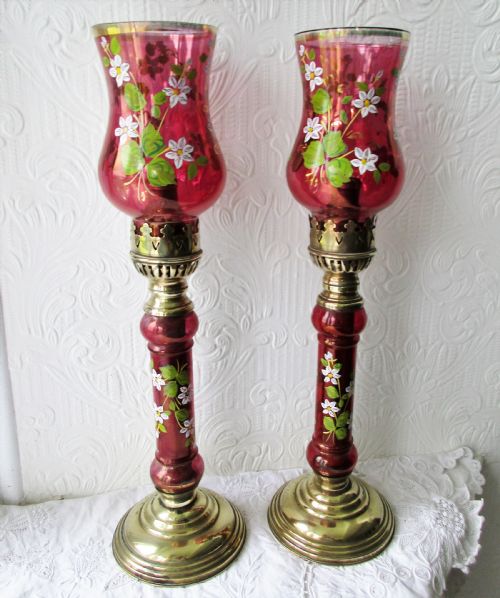
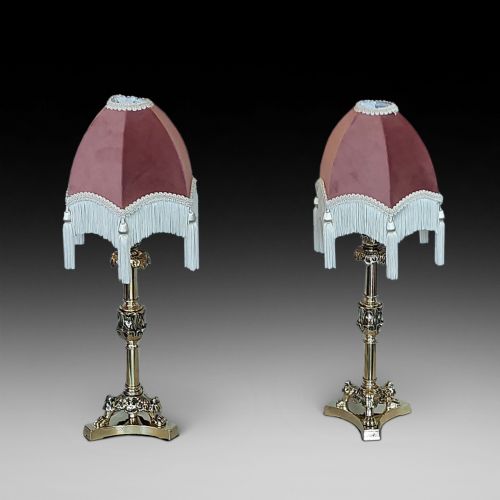
Makers and workshops utilised various materials ranging from basic cast brass to parcel gilt, ormolu, cut glass, and crystal. Some examples retain original fabric shades or glass components like peg oil lamps and storm shades.
Materials and Construction
Makers cast the main structural components in brass, bronze, and silver plate, frequently employing heavy metal turning on a lathe for columns and baluster shafts. Silver plated items often display detailed Corinthian capitals, rams' heads, or lion's paw feet soldered or bolted to weighted bases.
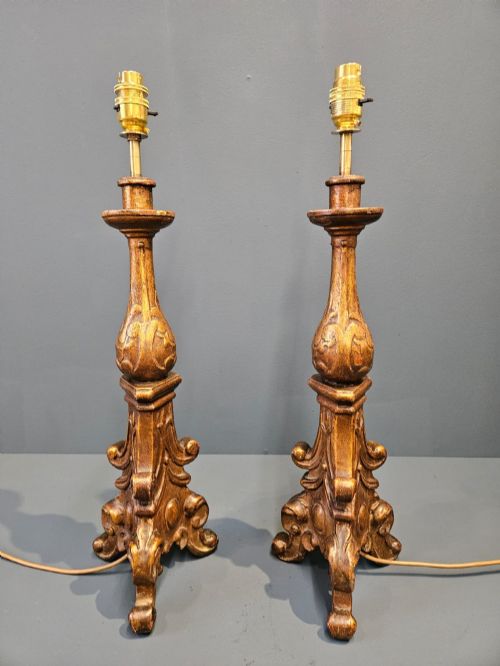
Glass elements such as satin glass peg fonts and cut crystal chambers were mouth-blown and wheel-cut before being mounted into metal collars. Timber examples utilise turned pine, lignum vitae, and gilt wood, sometimes combined with hand-painted decoration.
Victorian Candlestick Lamps Retail Price Guide 2026
Typical asking prices for victorian candlestick lamps among the pieces listed under this phrase on Sellingantiques today, from the lower quarter to the upper quarter. They describe what is for sale here now, not the wider market.
Some travel lamps even pack down small enough for a Victorian railway journey.
Assessing Quality and Execution
The weight of the metal casting and the crispness of the column fluting dictate the primary grade of execution. Superior examples display deep relief work on Corinthian capitals and solid brass construction rather than thin sheet metal over a lightweight core.
Original surface finishes, whether unpolished aged brass, intact silver plate without base metal show-through, or clean cut glass, separate better preserved pieces from those with heavy over-cleaning or structural alterations.
Mappin & Webb·Harrison Brothers & Howson·Veritas Lamp Works
The Victorian Candlestick Lamps Glossary
- Corinthian Column
- A classical column style featuring ornate acanthus leaves and scrolls at the top capital, frequently replicated in nineteenth-century brass and silver plated lamp bases. This form remains one of the most popular configurations for formal table lighting.
- Peg Oil Lamp
- A small oil container fitted with a lower peg that drops directly into the socket of a candlestick or lamp base. They often feature satin glass or coloured bodies.
- Ormolu
- Finely ground high-carat gold applied to a bronze base using a mercury amalgamation technique, yielding a rich golden finish seen on better French and English lighting.
- Altar Candlestick
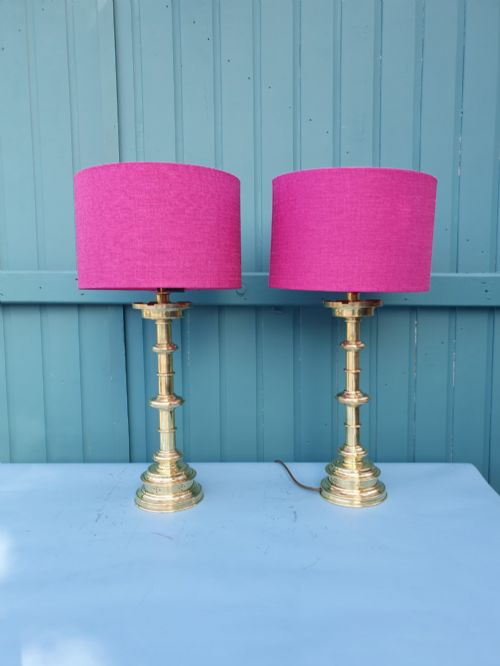
- Heavy ecclesiastical metal candlesticks designed for churches that were subsequently wired for domestic table illumination. They display substantial bases for stability.
Victorian Candlestick Lamps: Frequently Asked Questions
Were these lamps originally electric?
Most of these pieces started life as oil lamps, wax candleholders, or altar candlesticks during the nineteenth century. They were later adapted for modern interior lighting through professional wiring conversions.
Older metal columns and glass fonts remain intact while internal brass fittings accommodate modern bulb holders and safety standards.
How do I date a brass candlestick lamp?
Dating relies on stylistic clues like Gothic Revival motifs, Neoclassical columns, and the manufacturing methods used on the metal base. Maker marks, registry lozenges, and the weight of the cast brass also provide clear chronological markers.
Later twentieth-century adaptations often feature different internal thread types compared to mid-Victorian originals.
What is a peg oil lamp?
A peg oil lamp consists of a glass or ceramic oil reservoir featuring a protruding peg at the base. This design allowed the oil chamber to sit securely inside a candlestick holder.
Many survive today as converted table lamps with contrasting glass bodies and metal bases.
Can I use standard lampshades on them?
Most of these lamps accept standard shade carriers provided the fitter size matches the bulb holder. Some specialist forms, such as those with giffin shades or storm glass, require specific shade ring adapters to sit correctly.
Checking the harp or gallery dimensions ensures proper fit without straining the antique metal arms.