




Victorian Cameo Pin
A victorian cameo pin brings classical profiles and mythological subjects to your lapel, offering hand-carved shell or hardstone set in precious metal.
Victorian Cameo Pin
When you search for a victorian cameo pin, you encounter miniature relief carvings mounted as brooches and stick pins. These ornaments span the nineteenth century, drawing heavily on neoclassical taste and Grand Tour souvenirs from Italy.
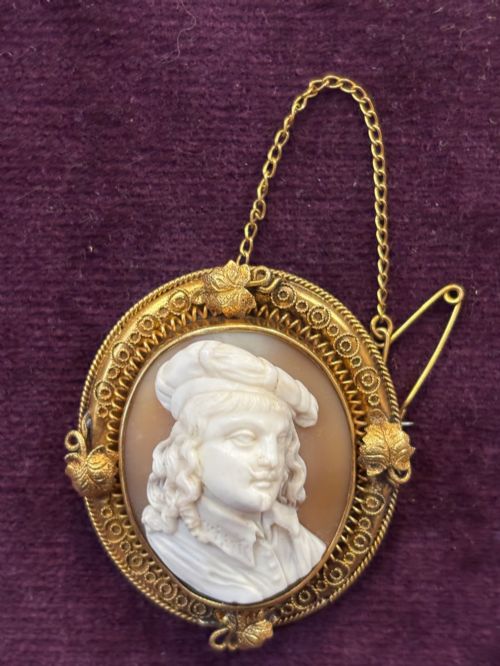
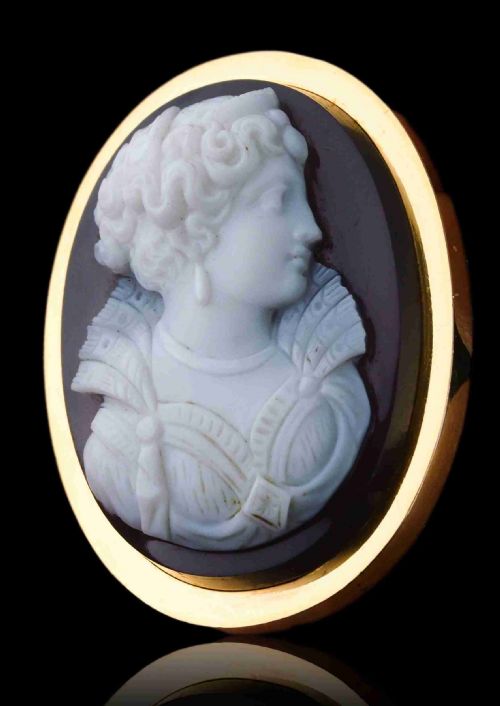
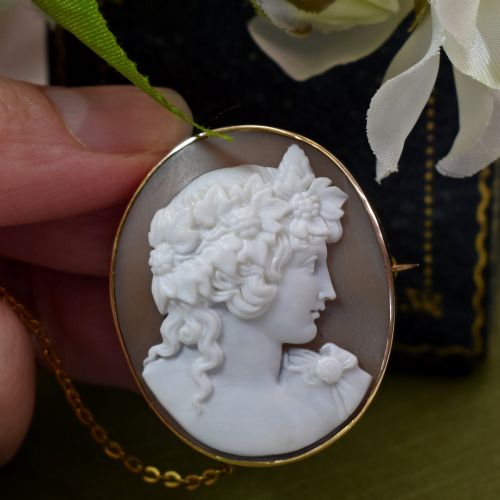
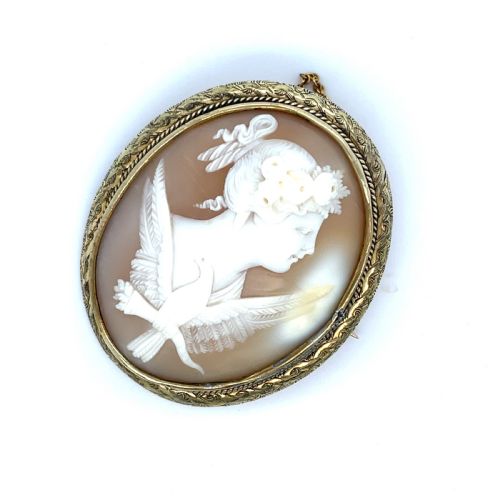
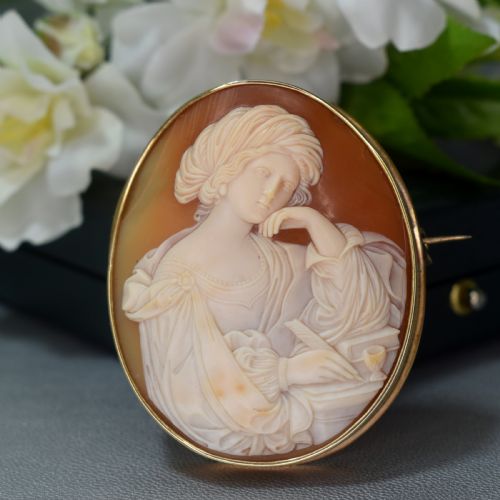
The pieces you meet most often on this page combine hand-carved shell with gold frames, frequently depicting classical deities, literary figures, or mythological scenes. Hardstone and lava stone examples appear alongside shell, set in mountings of varying carat weights.
Makers utilised materials ranging from silver and pinchbeck to high-carat gold to secure the carved panels. The subjects span from Bonnie Prince Charlie to Aphrodite, Psyche and Cupid, and the Persian Sibyl.
Materials and carving techniques
Carvers worked primarily with natural shell, layered hardstone like agate, and volcanic lava stone to create relief images against a contrasting background. Shell carvings exploited the colour layers of conch or helmet shells to lift the white figure from a warm brown or peach base.
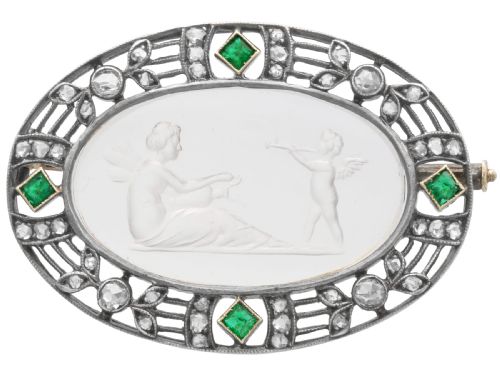
Mountings involved gold of various purities, silver, and pinchbeck, shaped into ornate frames, simple bezels, or delicate filigree work. Some pieces incorporate diamonds, emeralds, or crystal alongside the central carved panel.
Several pieces depict classical deities like Demeter and Flora, proving that nineteenth-century fashion took its gardening tips straight from Mount Olympus.
Judgments of quality in carving and metalwork
Quality rests primarily on the crispness and depth of the carving, where finer pieces display intricate detail in hair, drapery, and facial expression. Mass-produced or simpler items show softer edges and less anatomical precision in the figures.
The metal mount contributes significantly to the distinction between standard and superior pieces, with heavier gold frames, detailed filigree, or integrated precious stones elevating the work. The harmony between the carving and its surrounding metal frame defines the overall success of the object.
The Victorian Cameo Pin Glossary
- Cameo
- A method of carving an object such as an engraved gem, item of jewellery, or vessel. In these pieces, it refers specifically to a relief carving on shell, hardstone, or lava.
- Hardstone
- A term for semi-precious stones such as agate that are durable enough to be carved. These stones offer multiple colour strata for high-contrast miniature portraits.
- Pinchbeck
- An alloy of copper and zinc invented in the eighteenth century to imitate gold. It provides a warm metallic appearance without using precious metal.
- Grand Tour
- A cultural tour of Europe undertaken by wealthy young Europeans in the nineteenth century. Travellers frequently purchased Italian carved lava and shell cameos as mementos.
- Neoclassical
- A style inspired by the classical art and culture of ancient Greece and Rome. This aesthetic heavily influenced the subjects chosen for nineteenth-century carvings.
Victorian Cameo Pin: Frequently Asked Questions
How do I wear a cameo pin today?
These pieces function well pinned to jacket lapels, heavy knitwear collars, or securing scarves. Their traditional pin fittings suit sturdy fabrics.
Ensure the safety clasp is secure if present, as many antique mountings rely on a simple C-clasp without a locking mechanism.
What is the difference between shell and hardstone cameos?
Shell cameos utilise layered mollusc shells to create white figures against a dark background, offering a slightly translucent quality. Hardstone cameos employ banded stones like agate, which are harder to carve and result in sharper, more permanent details.
Hardstone pieces often command attention for their durability and the precision achievable in the harder medium.
How do I date a Victorian cameo pin?
Dating relies on the style of the metal mount, the subject matter, and the construction of the pin back. Earlier nineteenth-century examples often feature deep, heavy gold frames and high-relief classical subjects.
Later pieces from the end of the century may incorporate simpler silver or lower-carat gold mounts alongside different fastening mechanisms.
Were lava cameos made in Italy?
Yes, lava stone carvings were popular souvenirs produced in Italy for travellers on the Grand Tour. Artisans carved the soft volcanic material into classical masks, deities, and mythological figures.
These pieces typically feature grey, brown, or cream lava set into silver or gold frames.