



Victorian Cameo Jewellery
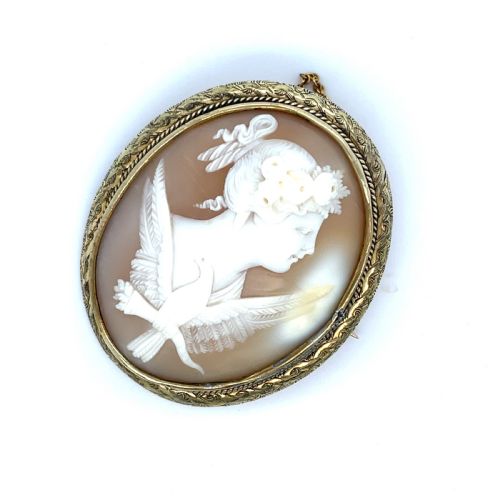
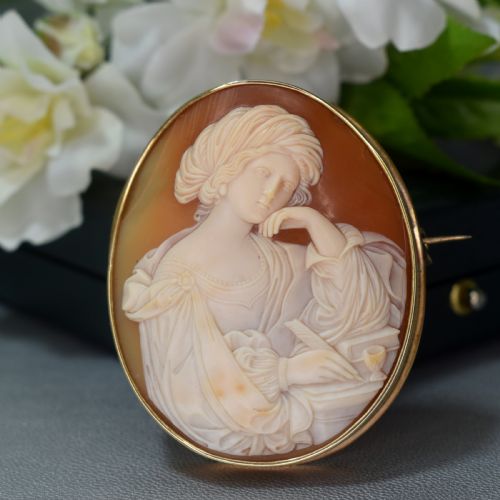
Victorian cameo jewellery combines layered carving with precious metals to create miniature classical portraits intended for personal adornment.
Victorian Cameo Jewellery
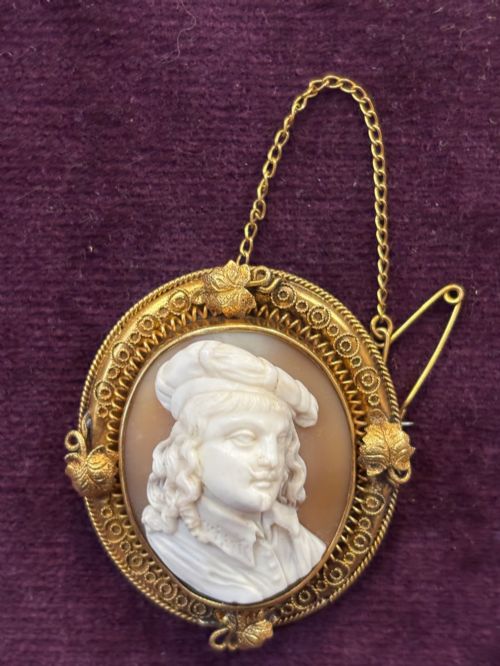
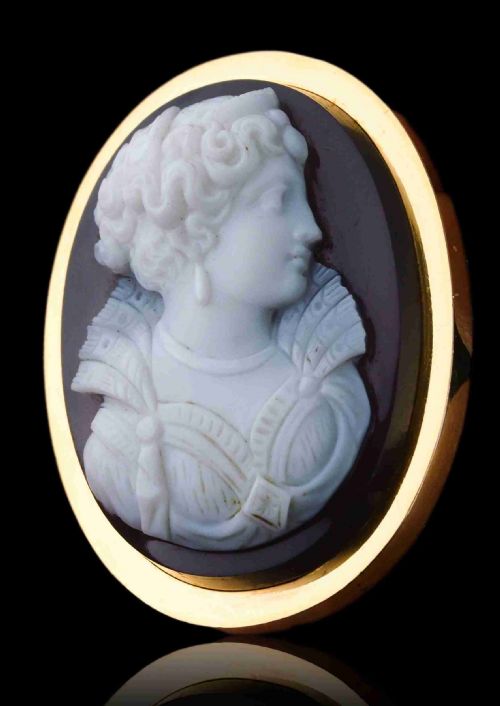
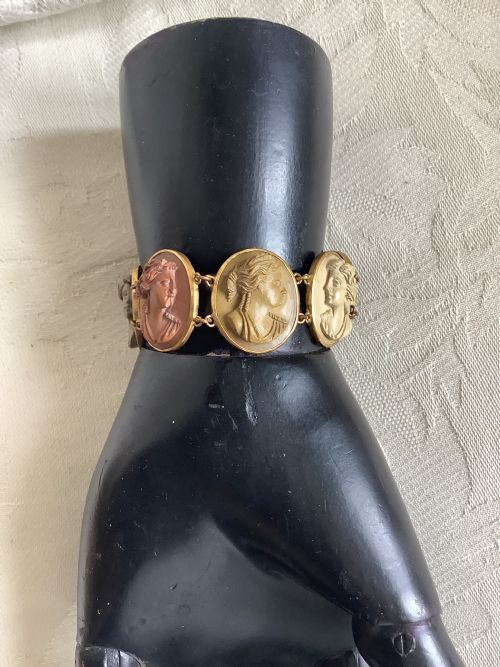
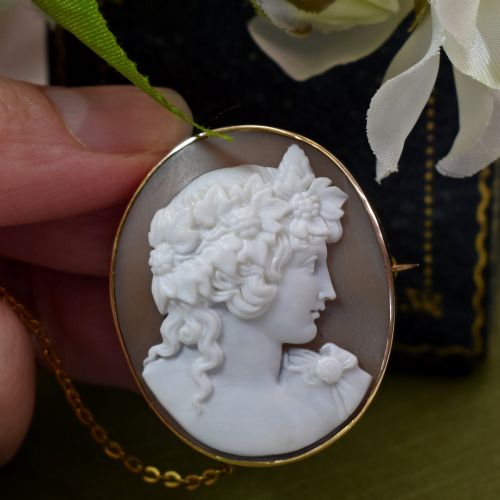
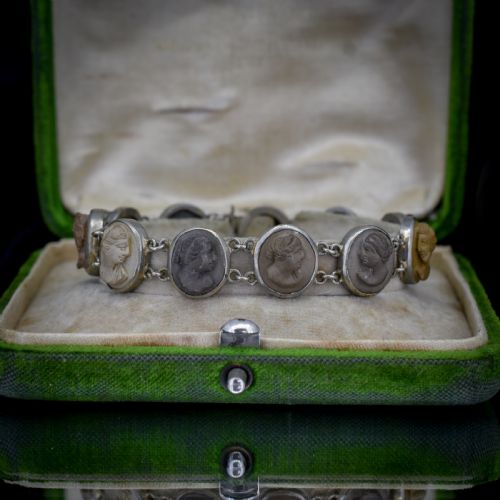
Shell and hardstone cameos dominate the selection, complemented by examples carved from lava stone, coral, and ceramic Wedgwood pieces. These items range from simple everyday dress pieces to elaborate matched suites mounted in high-carat gold frames.
Makers utilised both natural strata and synthetic layers to achieve contrast between the raised motif and the background field. Most pieces retain their original period mounts, reflecting the aesthetic preferences of the mid to late nineteenth century.
Materials and construction methods
Carvers selected conch shells, banded agates, chalcedony, and volcanic lava, exploiting natural colour variations to isolate the subject from the backing. Each material required distinct hand tools, from fine gravers for shell to abrasive wheels for hardstone.
Mounts were fabricated from yellow gold, ranging from low carat thresholds up to twenty carats, alongside silver, pinchbeck, and gilt brass. Goldsmiths frequently enriched these frames with filigree wirework, seed pearls, and enamel appliques.
The relief was secured within bezel settings or held by claws, occasionally backed by foil to alter the transmitted light through translucent stones. Structural integrity depended on the thickness of the initial blank and the depth of the lower strata.
Materials represented include natural shell, lava stone, red coral, hardstone agate, silver, and gold up to twenty carats.
Standards of execution
Mount quality separates standard factory production from bespoke goldsmith work, discernible in the weight of the gold, the neatness of the soldered joints, and the integration of decorative elements like foxtail tassels or matching safety chains.
Material selection dictates longevity and visual impact, where uniform agate banding or unblemished shell free from internal fractures elevates the overall merit of the object.
The Victorian Cameo Jewellery Glossary
- Cameo
- A method of carving an object such as a gemstone, shell, or layer-stone so that a raised relief image stands out from a background of a different colour.
- Hardstone
- A collective term for semi-precious stones of considerable hardness, including agate, onyx, and jasper, utilised for durable cameos.
- Grand Tour
- A cultural itinerary undertaken by wealthy Europeans that popularised the acquisition of Italian lava stone and shell souvenirs.
- Pinchbeck
- An alloy of copper and zinc invented in the eighteenth century to imitate gold, commonly found in period frames.
- Neoclassical
- A style reviving the art and culture of ancient Greece and Rome, which heavily influenced Victorian portrait subjects.
Victorian Cameo Jewellery: Frequently Asked Questions
How do I care for shell cameos?
Shell is a delicate organic material that requires gentle cleaning with a soft, dry cloth rather than chemical immersion or ultrasonic cleaning.
Store pieces away from direct sunlight and extreme temperature fluctuations to prevent the natural layers from drying out or splitting.
What is the difference between shell and hardstone?
Shell cameos utilise the layered exterior of marine molluses, yielding warm tones and translucent backgrounds that respond well to transmitted light.
Hardstone cameos employ banded minerals like agate, offering greater durability and sharper, opaque contrast between the subject and the field.
Were all cameos made in Italy?
While Italian workshops in Rome and Naples produced vast quantities of shell and lava pieces for travellers, French and English goldsmiths also carved stones locally.
Many Continental carvings were exported unmounted and subsequently set into British gold frames by regional jewellers.
How can I tell if a mounting is original?
Original mounts exhibit construction techniques consistent with the nineteenth century, such as hand-cut pin stems, C-clasps, and integrated hinge assemblies.
The wear patterns on the gold or silver should match the age and handling marks visible on the carved relief itself.