

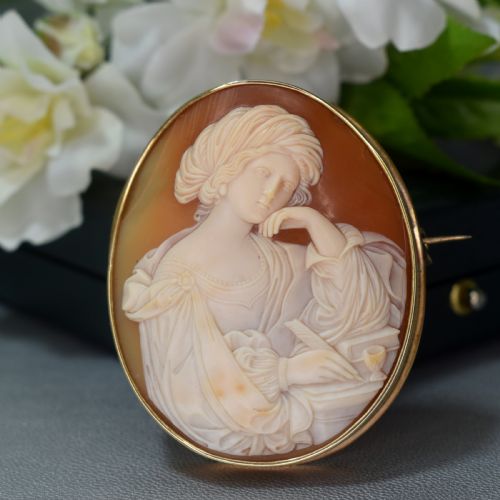


Victorian Shell Cameo
A victorian shell cameo carries hand-carved classical figures in relief, offering portable art that collectors prize for portraiture and mythological detail.
Victorian Shell Cameo
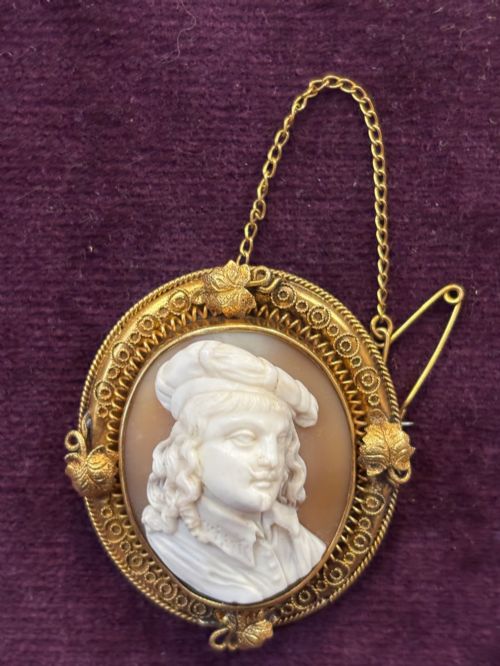
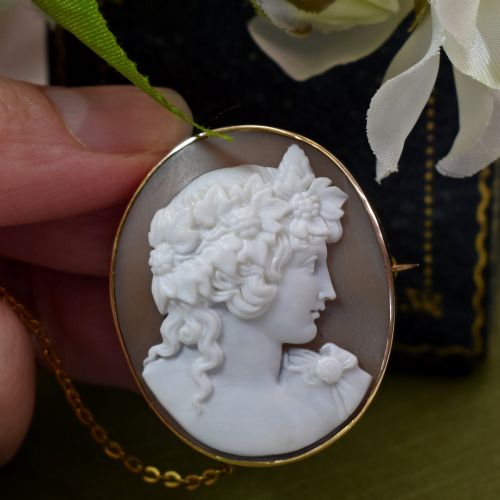
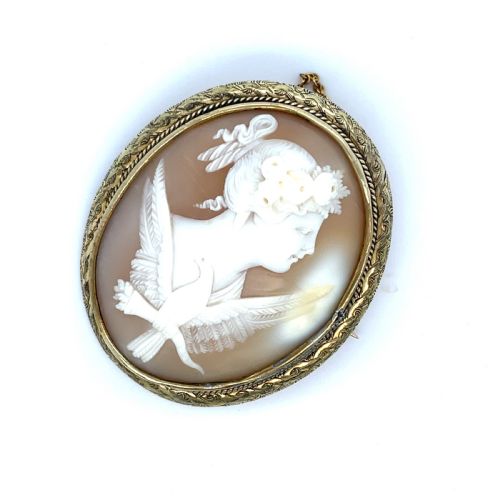
A victorian shell cameo displays carved layers of mollusc shell, most frequently appearing as brooches, earrings, and pendants mounted in gold or silver. These pieces depict mythological deities, classical profiles, and historical figures drawn from antique sources.
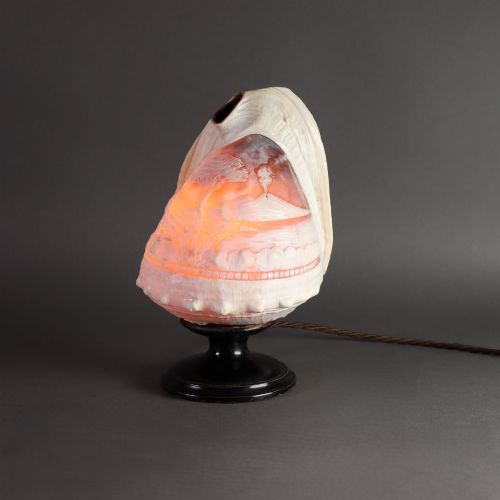
Brooches dominate the selection, often framed in ornate gold or pinchbeck metalwork. Buyers also encounter drop earrings, bracelets, and larger decorative table items carved from conch shells.
The objects span the nineteenth century and extend into later revival periods, connecting classical subjects with Victorian jewellery design.
Materials and Technique
Carvers utilise natural shell varieties, selecting specimens with distinct colour strata to achieve contrast between the raised figure and the dark background. Conch shells provide distinct pink tones for specific carved subjects.
Mounts incorporate 9ct gold, 15ct gold, 18ct gold, silver, and pinchbeck, frequently shaped with wirework, filigree, or detailed scroll frames.
Listings feature 9ct gold, 15ct gold, 18ct gold, silver, and pinchbeck frames housing carved shell subjects.
Quality and Craftsmanship
The weight and purity of the metal frame, whether standard 9ct gold or heavier 18ct gold settings, contribute significantly to the standing of each piece.
R. Pernice
The Victorian Shell Cameo Glossary
- Cameo
- A method of carving an object such as a gemstone or shell where a relief image is created by cutting away surrounding material. The contrasting layers produce a distinct two-tone picture.
- Pinchbeck
- A form of brass alloy made from copper and zinc to imitate gold. It appears frequently in nineteenth-century jewellery mounts.
- Conch shell
- A large spiral shell derived from marine gastropods. Carvers utilise its pink or orange material for specific figural motifs.
- Grand Tour
- A cultural journey undertaken by nineteenth-century travellers across Europe. Such trips inspired the acquisition of classical art and carved shells depicting Italian scenes.
- Relief
- Sculptural technique where figures project from a flat background. High relief involves figures standing out prominently from the base layer.
Victorian Shell Cameo: Frequently Asked Questions
How do I wear a shell cameo brooch?
Pin the piece securely to heavy fabrics such as wool lapels or velvet collars using the fitted pin and safety catch. Ensure the weight of the gold frame is supported by sturdy cloth to prevent sagging.
For alternative styling, threaded chains convert pendant-mounted brooches into necklaces, pairing the carved shell with pearls or gold links.
What mythological figures appear on these cameos?
Carvers frequently depicted Greek and Roman deities including Venus, Nike, Bacchus, and Flora. Portraits of classical heroines and sibyls also recur across nineteenth-century examples.
Specific subjects often trace back to antique sculpture or paintings encountered during European travels.
How do I clean a shell cameo?
Wipe the surface gently with a soft, dry cloth to remove dust. Avoid chemical dips and prolonged immersion in water, which damage natural shell layers and degrade metal settings.
Consult a professional restorer if stubborn residue accumulates within the intricate carved recesses.
Are all these pieces from the Victorian era?
Most items date from the nineteenth century, though the selection includes later revival periods and mid-century conch shell pieces. Stylistic markers and metal types help distinguish the original Victorian items.
Frames and mounting techniques offer additional clues for dating individual items accurately.