

Victorian Cabinet with Brass
A victorian cabinet with brass brings together rich timbers and warm metal mounts, offering both practical storage and undeniable presence for the home.
Victorian Cabinet with Brass
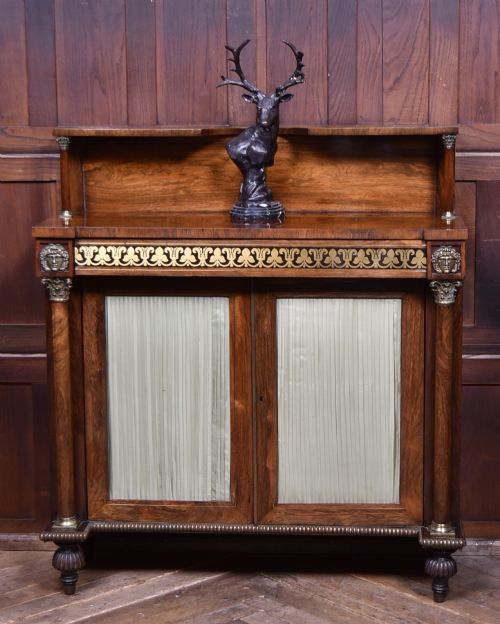
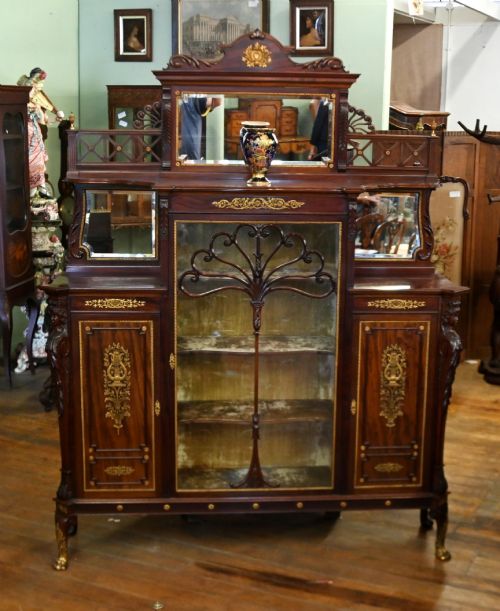
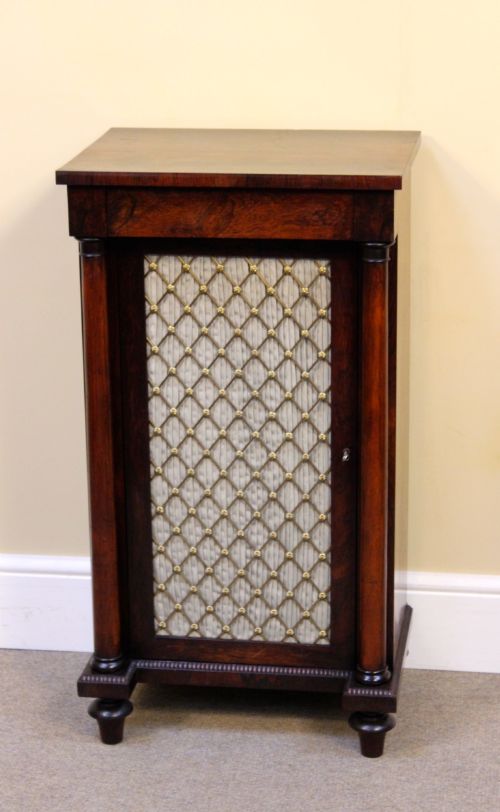
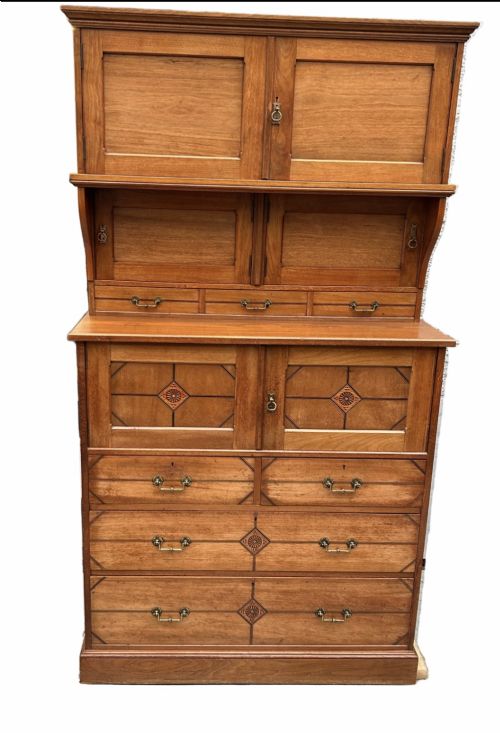
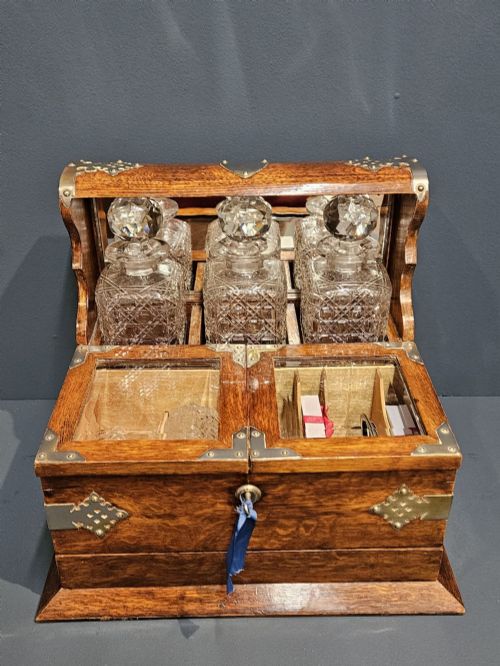
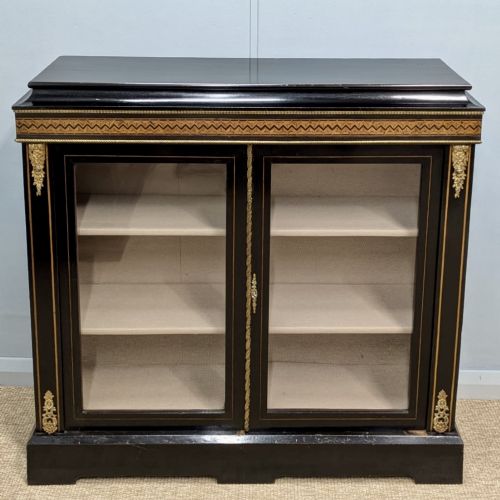
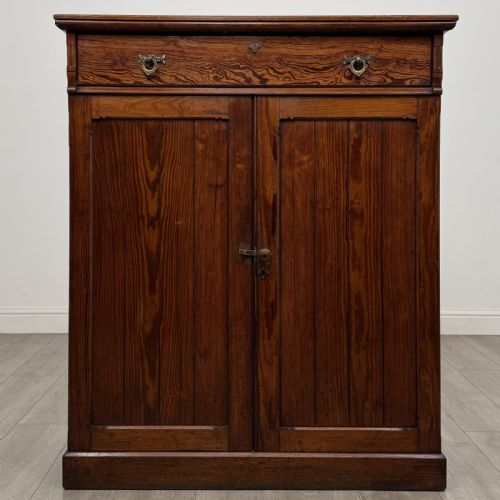
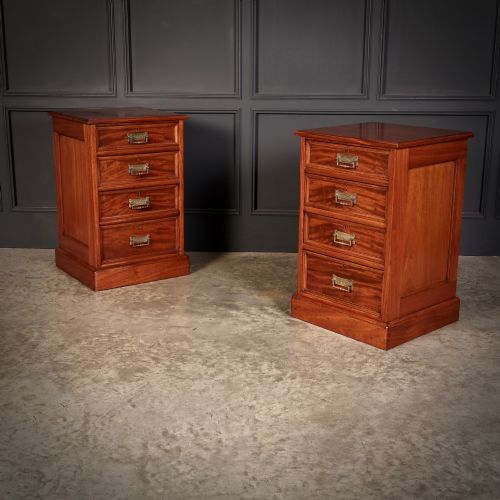
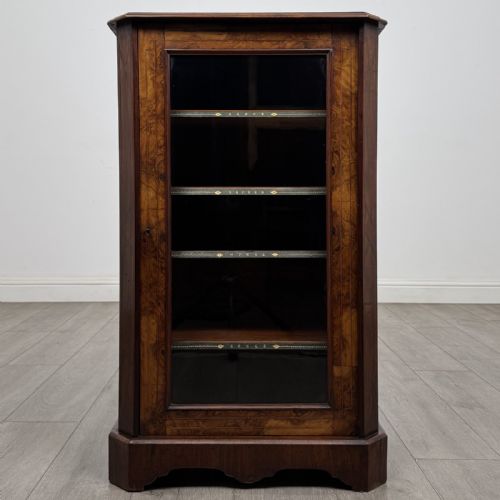
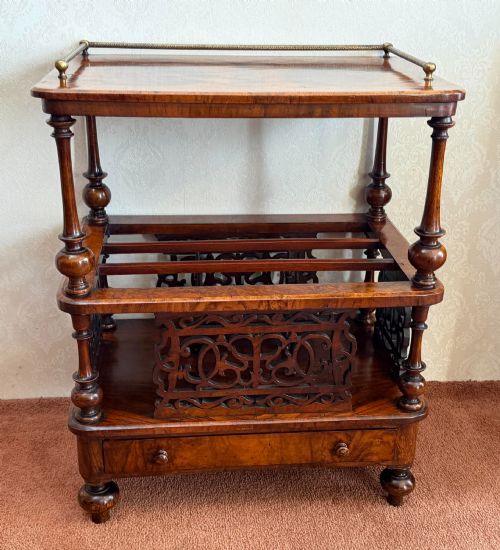
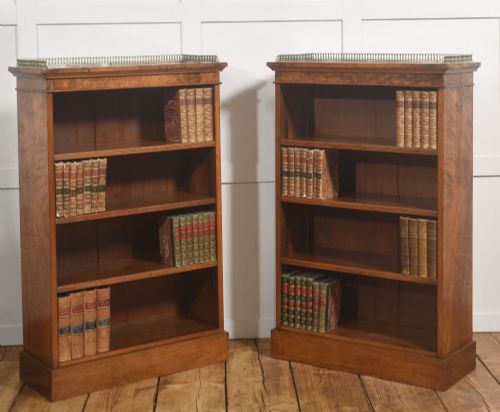
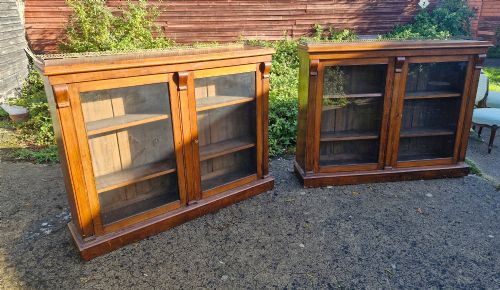
When searching for a victorian cabinet with brass, buyers encounter a diverse selection of furniture spanning the nineteenth century, including glazed bookcases, side cabinets, and inlaid bureau de dame desks. These pieces served varied domestic functions in period homes, from displaying collections behind glass panels to securely storing writing materials and household papers.
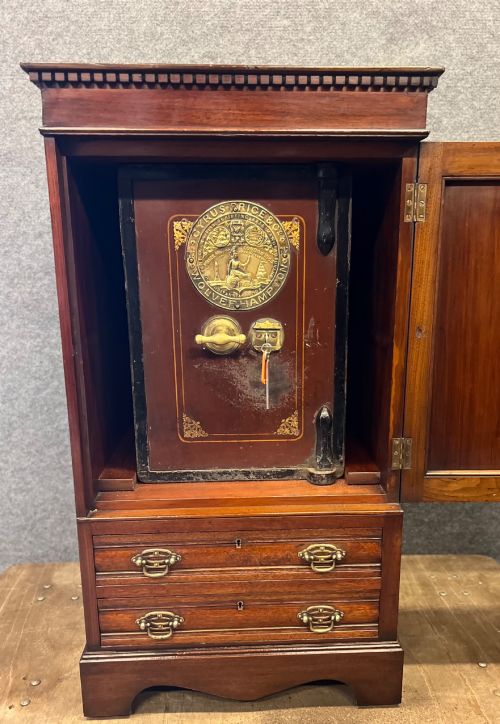
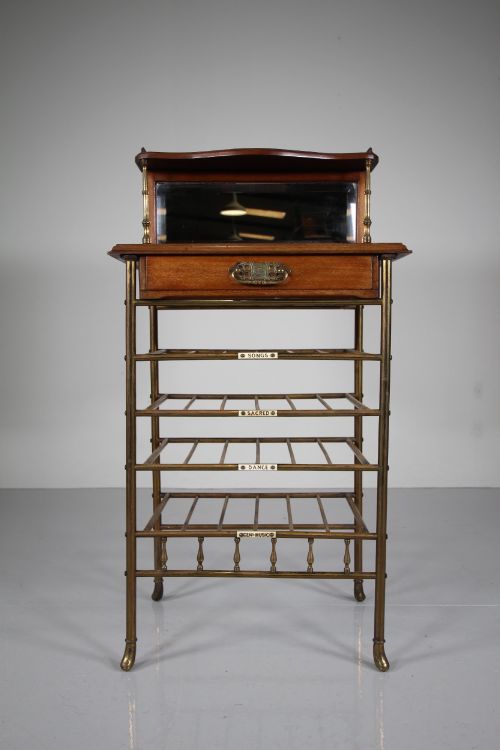
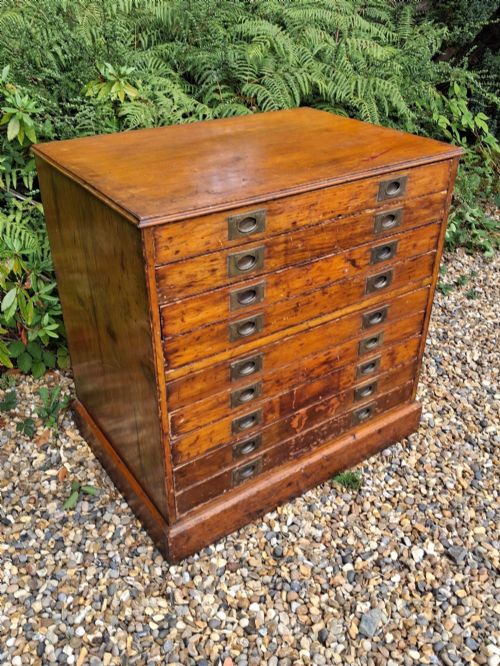
The most common examples on this page utilise figured woods such as walnut, mahogany, and rosewood, frequently enhanced by brass galleries, handles, inlays, or castors. Alongside traditional side cabinets and bookcases, the selection encompasses specialised forms like apothecary chests, shop display units, and heavy fireproof safes.
Origins range across standard Victorian production periods, featuring stylistic influences from French Empire to Edwardian transitions. Buyers find both compact bedside cupboards and substantial country house library bookcases, each incorporating metal details that punctuate the polished timber surfaces.
Materials and Construction
Cabinetmakers constructed these pieces primarily using solid frames of mahogany, oak, or walnut, applied with choice veneers like burr walnut, amboyna, and tulipwood to create striking grain patterns. Artisans incorporated marquetry, ebonisation, and delicate timber bandings to enrich the exterior surfaces before finishing them to a high polish.
Brass formed an essential structural and decorative component, appearing as cast handles, protective galleries atop open bookcases, delicate stringing inlaid into timber, and heavy working hinges or locks. Ormolu mounts and castors provided both ornamental contrast and functional mobility, fastening securely to the denser hardwood bodies.
Victorian Cabinet with Brass Retail Price Guide 2026
Typical asking prices for victorian cabinet with brass among the pieces listed under this phrase on Sellingantiques today, from the lower quarter to the upper quarter. They describe what is for sale here now, not the wider market.
The inventory encompasses diverse forms, from glazed display bookcases and pier cabinets to heavy fireproof safes and apothecary chests.
Distinctions in Craftsmanship
The distinction between standard utility furniture and superior cabinetmaking rests on the selection of timber veneers and the precision of the brass integration. Finer pieces display meticulously matched burr walnut or rosewood grains across multiple doors and drawers, accompanied by crisply cast brass mounts rather than stamped substitutes.
Structural integrity reveals itself in the seamless joining of secondary timbers, the smooth glide of drawers fitted with scalloped brass handles, and the retention of original glass panes within glazed display doors. The depth of the hand-applied polish and the preservation of integrated hardware elements separate exceptional examples from simpler workshop output.
Robert Strahan·Robson & Sons·Milners·George Price·Short & Mason
The Victorian Cabinet with Brass Glossary
- Ormolu
- Gilded bronze or brass mounts applied to furniture for decorative enrichment. These metallic ornaments add a sculptural contrast to dark timber surfaces.
- Credenza
- A low cabinet or sideboard, frequently featuring glass doors and elaborate mounts. This form originated for the display of plate and porcelain.
- Marquetry
- Decorative patterns formed by inserting thin pieces of wood, ivory, or metal into a veneered surface. It creates elaborate pictorial or geometric designs across cabinet doors.
- Secretaire
- A desk or writing cabinet featuring a fall-front flap that conceals small drawers and pigeonholes. These items combine the utility of a writing surface with enclosed shelving.
Victorian Cabinet with Brass: Frequently Asked Questions
How do I identify a Victorian brass-mounted cabinet?
Look for characteristic nineteenth-century timber choices such as burr walnut, rosewood, or mahogany paired with period brass handles, hinges, and galleries. Construction methods typically involve solid secondary timbers and hand-cut dovetails beneath the decorative veneers.
Examine the style of the brasswork, as Victorian pieces frequently utilise cast mounts and pierced galleries that reflect stylistic revivals from French Empire to late nineteenth-century aesthetics.
Were brass galleries functional or decorative?
Brass galleries served a practical purpose by forming a protective barrier along the top shelves or surfaces of open bookcases and side cabinets. They prevented delicate ceramic items and books from sliding off polished timber tops during daily use.
Over time, these railings also became a distinct stylistic feature that defined the refined appearance of nineteenth-century library and display furniture.
Where were these cabinets placed in period homes?
These cabinets occupied principal reception rooms, libraries, and private studies within nineteenth-century houses, serving both storage and display roles. Glazed bookcases and credenzas showcased treasured collections, while smaller bureau desks provided private writing spaces.
Bedside cabinets and apothecary chests fulfilled more intimate domestic functions within private chambers, keeping necessary personal items concealed yet accessible.
How should I care for timber and brass furniture?
Maintain the polished timber surfaces by applying quality beeswax periodically and avoiding placement near direct heat sources or strong sunlight. Dust brass components gently with a soft cloth to preserve their natural finish without using harsh abrasive cleaners.
Ensure the room maintains stable humidity levels to protect delicate veneers and prevent the wood from expanding or contracting against the metal fittings.