
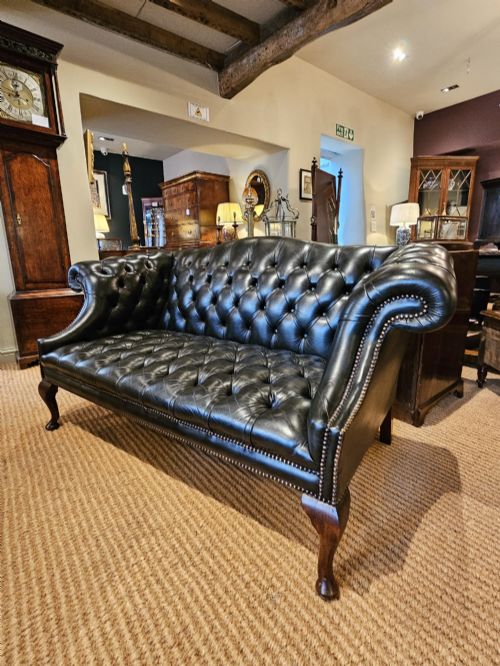
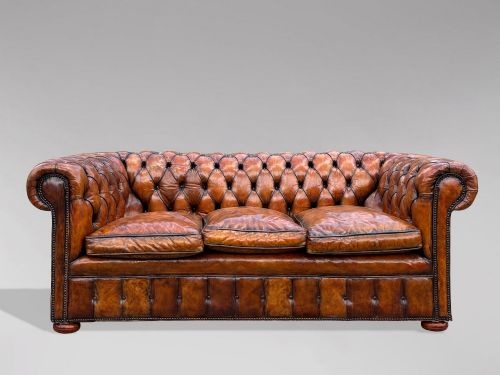
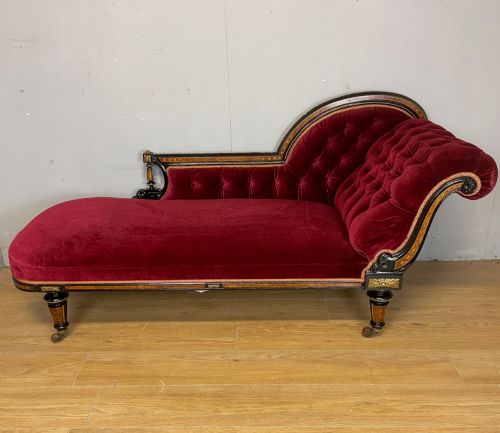
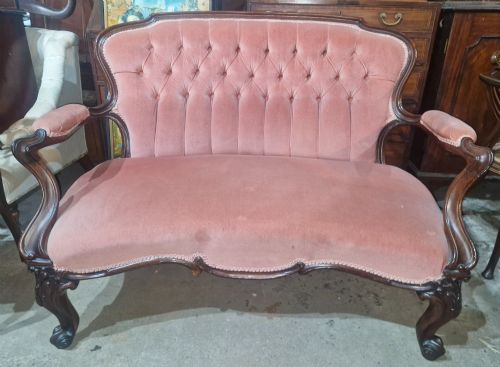
Victorian Buttoned Sofa
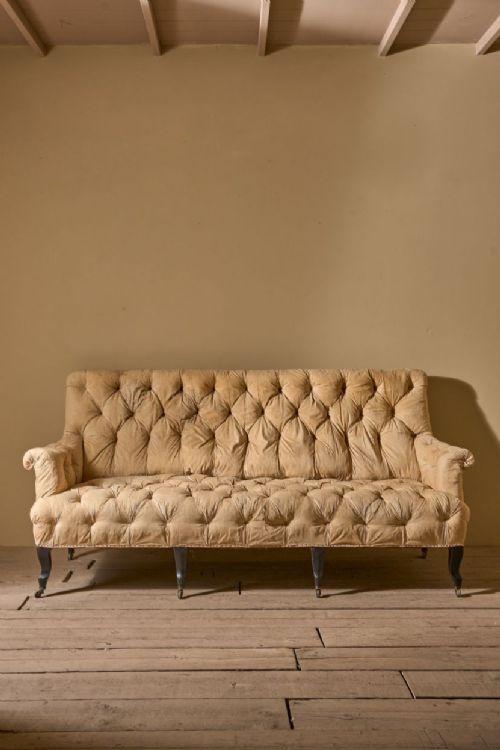
A victorian buttoned sofa brings deep upholstery and distinct period form into a room.
Victorian Buttoned Sofa
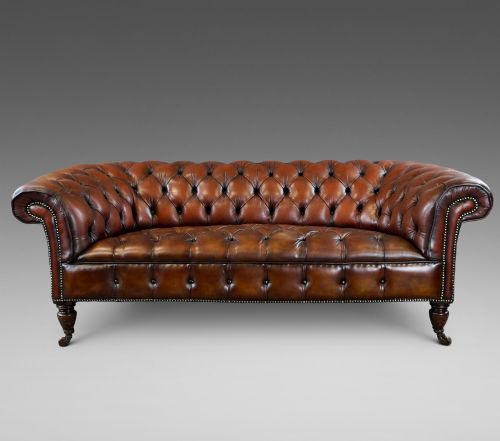
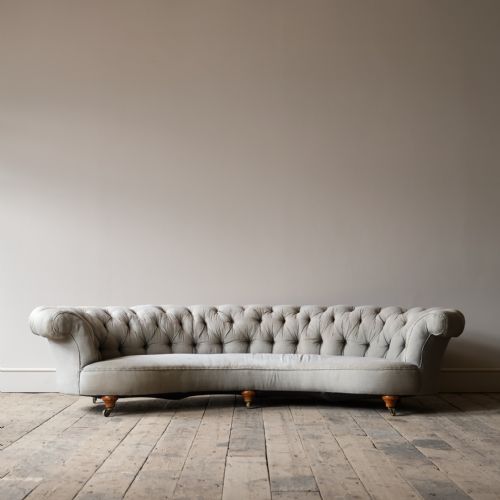
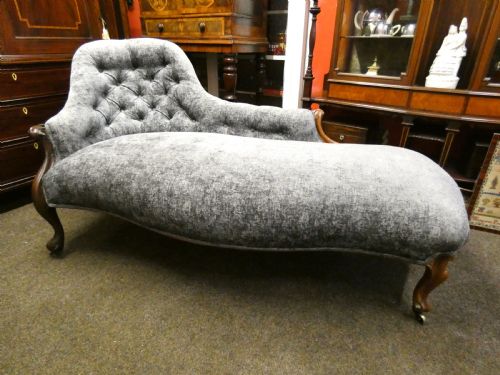
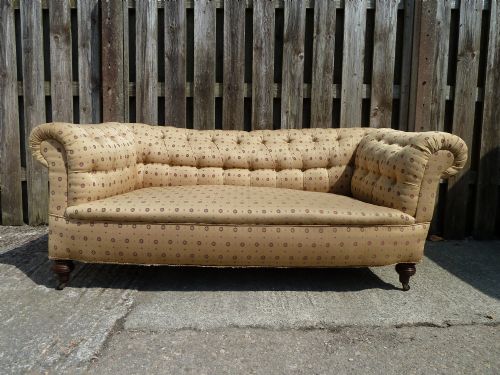
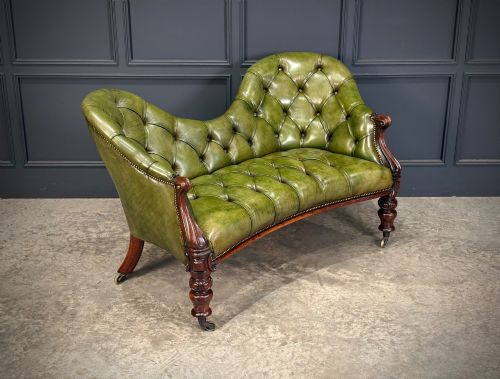
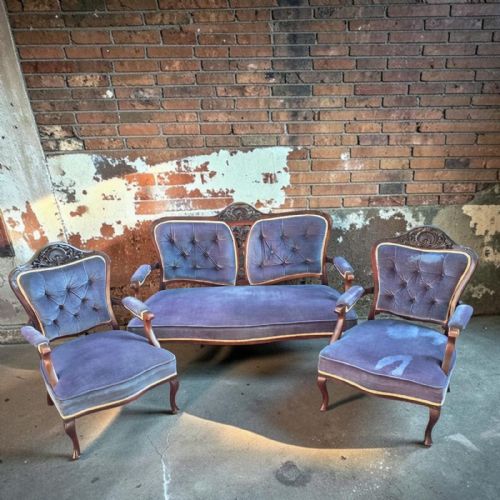
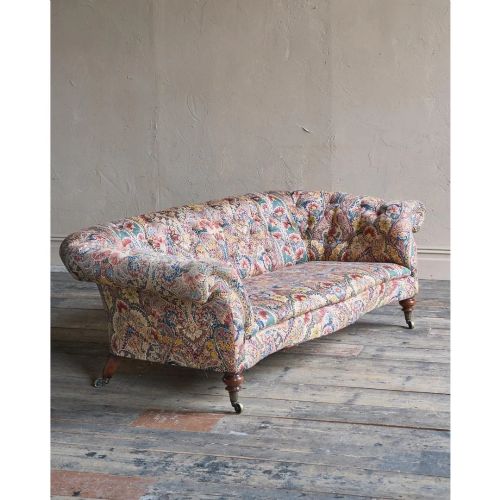
When you search for a victorian buttoned sofa, you encounter a range of nineteenth-century seating forms that rely on tufted upholstery and heavy timber frames. These pieces span from traditional deep-sprung Chesterfields and library settees to elegant salon suites and chaise longues.
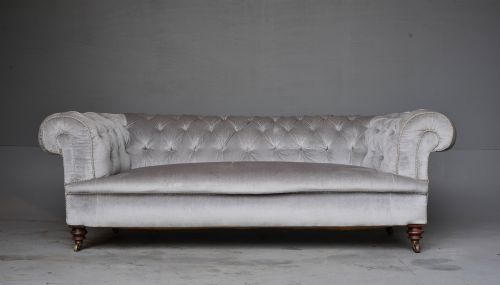
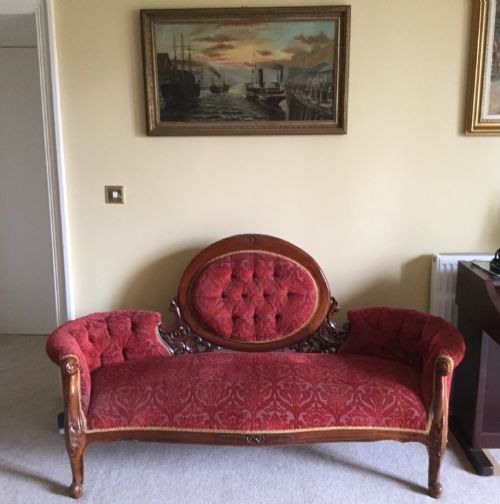
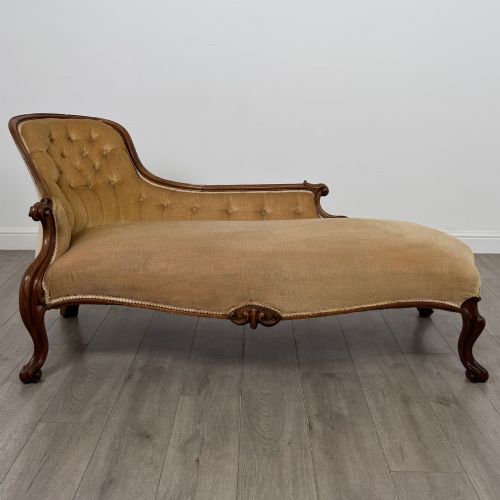
The version you are most likely to meet on this page is the leather or velvet upholstered Chesterfield, alongside rosewood, mahogany, and walnut framed daybeds and settees. They originate from the nineteenth century, with specific examples appearing across the mid and late Victorian eras.
Makers and workshops of the period produced these forms for formal parlours, libraries, and country houses, employing generous proportions and scroll arms. The defining characteristic across these variations remains the buttoned back or seat construction.
How they were made
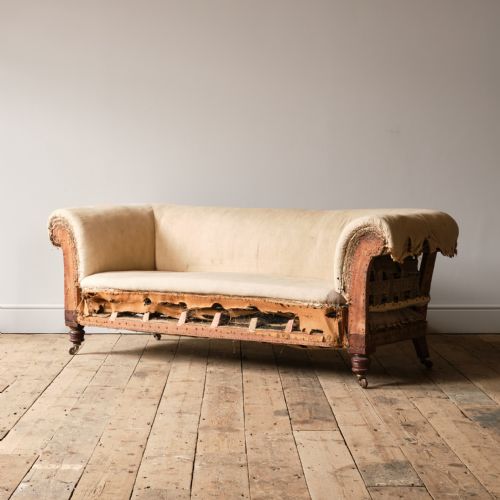
Makers constructed the primary frames of these sofas from dense hardwoods such as mahogany, walnut, and rosewood, often featuring hand-carved details or applied ormolu decoration. Workshops employed sturdy joining techniques to support the heavy internal sprung bases and robust timber chassis.
Upholstery methods involved deep tufting and buttoning through layers of horsehair and padding, secured with heavy fabric, velvet, or leather. Brass castors and brass detailing frequently finished the legs of these substantial seating pieces.
Listings feature items from the nineteenth century through the early twentieth century, utilising mahogany, walnut, rosewood, leather, and velvet.
What varies in quality
The integrity of the timber frame and the depth of the hand-carving distinguish standard production from superior pieces. Workshop attribution, such as work originating from established makers, elevates the standing of a sofa.
The execution of the buttoning and the choice of covering material, whether premium leather or deep pile velvet, mark the distinction between everyday furniture and exhibition quality examples.
Howard & Sons·C. Hindley & Sons·Jackson and Graham·H. Goodall & Sons·Holland & Sons
The Victorian Buttoned Sofa Glossary
- Chesterfield
- A large upholstered sofa characterised by equal height arms and back, traditionally finished with deep buttoning. This form serves as a staple of nineteenth-century seating.
- Chaise Longue
- An upholstered long chair or daybed designed for reclining, often featuring a single raised arm or backrest. These pieces frequently appear in rosewood or mahogany.
- Settee
- A small or medium-length upholstered seat intended for multiple occupants, distinct from a larger sofa. They often incorporate carved wooden frames and open arms.
- Ormolu
- Gilt bronze ornamentation applied to furniture frames, common in nineteenth-century pieces influenced by French design. It provides metallic contrast against dark woods.
- Brocade
- A rich, woven fabric frequently utilised for re-upholstering Victorian seating. It adds texture and pattern to the sprung base or back.
Victorian Buttoned Sofa: Frequently Asked Questions
Where were they placed originally?
These sofas were positioned in the primary reception rooms, libraries, and drawing rooms of large nineteenth-century homes. Chaise longues and daybeds frequently occupied boudoirs or quiet corners for resting.
Larger salon suites and conversational seating arrangements filled central spaces where hosts entertained guests. Their heavy frames and grand upholstery suited the formal interior design of the period.
How do I live with one?
Living with a nineteenth-century sofa involves accommodating its substantial physical footprint and weight within a modern room layout. Leather and heavy fabric surfaces require standard conditioning and gentle maintenance to preserve the material.
These pieces anchor a room visually, pairing well with both period surroundings and contemporary minimalist interiors. Their robust construction ensures they remain functional daily seating.
How do I tell periods apart?
Distinguishing between periods involves examining the transition of timber choices, frame carvings, and upholstery styles from the early nineteenth century onward. Earlier pieces often display restrained classical lines, while mid to late Victorian items feature heavier carving and pronounced scroll arms.
Maker stamps and specific stylistic markers, such as Napoleon III or Aesthetic Movement influences, provide clearer dating evidence. Construction methods inside the frame also shift from hand-tied springs to later industrial techniques.