


Victorian Butter Dish
When you search for a victorian butter dish, you are looking at lidded tableware made to serve dairy at the nineteenth-century table.
Victorian Butter Dish
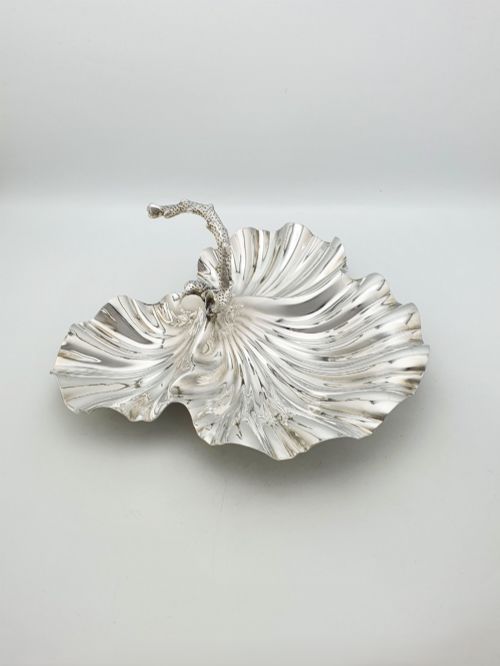
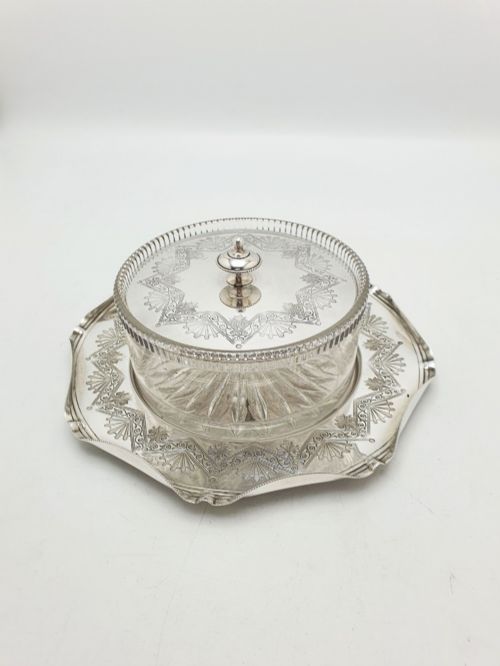
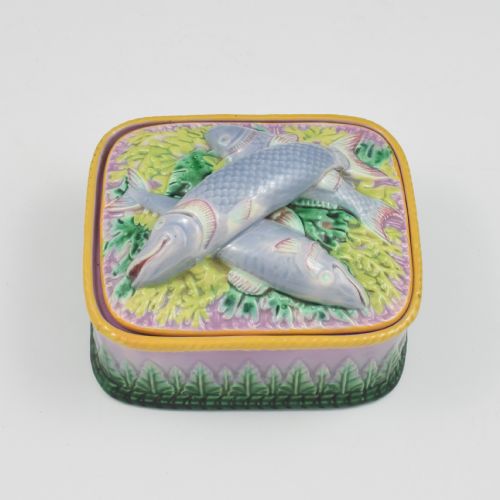
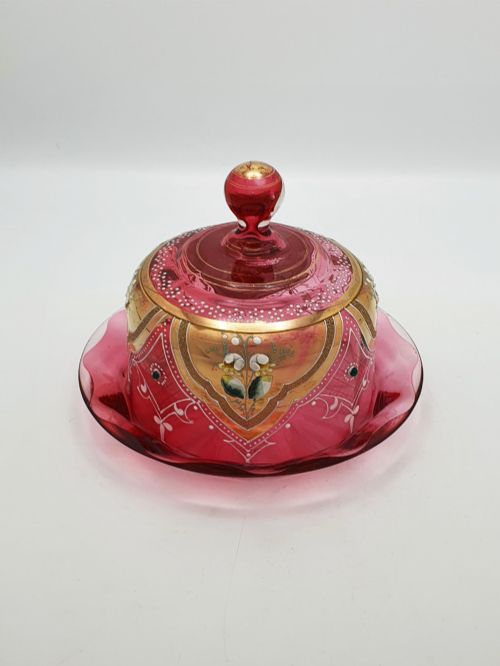
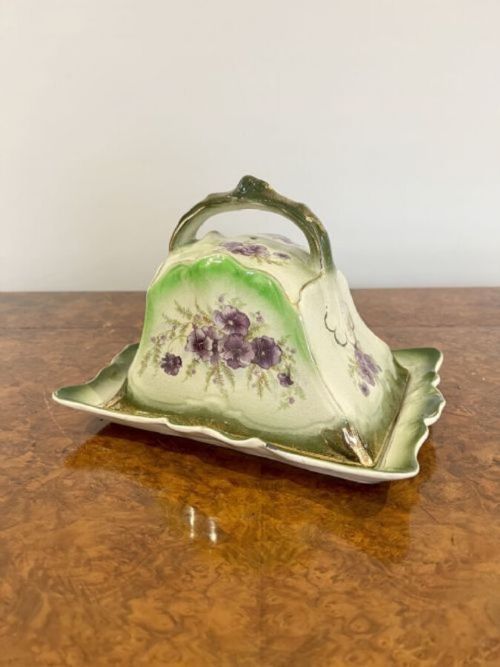
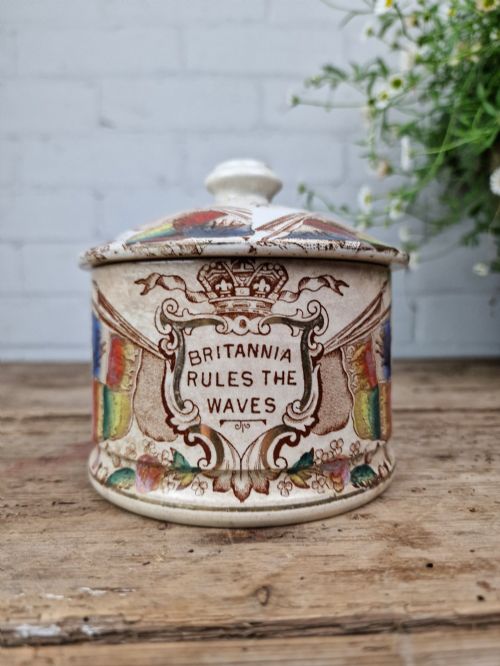
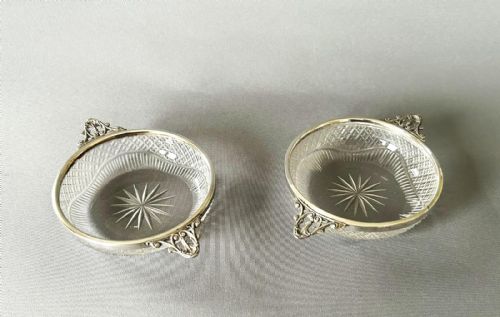
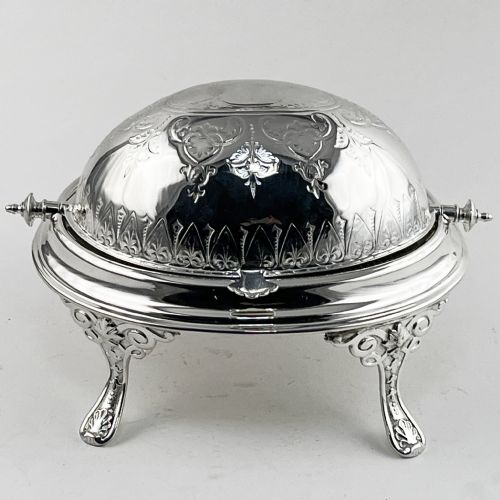
A victorian butter dish takes several distinct forms across the available periods, most commonly appearing as a silver-plated stand fitted with a clear glass liner and a matching cover. Other surviving examples employ earthenware, majolica, or coloured glass such as cranberry and opaline to protect the dairy.
Makers shaped these serveware pieces into naturalistic shells, rolling cylindrical lids, and lidded boxes designed to sit centrally on dining tables. The selection ranges from plain household tableware to ornate silver designs incorporating marine or animal motifs.
How they were made
Silversmiths utilised electroplated nickel silver alongside sterling silver, shaping metal through casting, piercing, and hammering to create stands and rotating covers. Glass liners were blown, cut, or moulded to fit snugly within these metal housings.
Ceramic versions relied on earthenware and majolica bodies shaped in moulds, then finished with coloured glazes. Makers applied gilt highlights and decorative handles to complete the earthenware and glass assemblies.
Surviving Victorian butter dishes occasionally feature cows, cats, and cherubs perched atop the lids to guard the dairy.
What varies in quality
The standard of a victorian butter dish rests on the weight of the silver or silver plate and the crispness of any cast ornamentation such as shell edges or animal finials. Thicker glass liners with clean wheel-cut facets separate superior examples from simpler pressed-glass alternatives.
Ceramic variants depend on the depth of the majolica glaze and the precision of the mould work, where sharper relief denotes a higher grade of production. Original matching components, such as integrated knives or matching saucers, alter the integrity of the piece.
George Jones·Thomas Forester And Sons·Elkington·Edward And John Barnard·Stephen Smith·Martin Hall·Josiah Williams And Co·Thomas Harwood
The Victorian Butter Dish Glossary
- Electroplated Nickel Silver
- A base metal alloy of copper, nickel, and zinc coated with a layer of silver through an electrolytic process. This technique allowed manufacturers to produce affordable tableware that mimicked solid silver.
- Majolica
- A type of earthenware coated with an opaque tin-lead glaze and painted with metallic oxide colours. It was widely utilised during the nineteenth century for brightly coloured and naturalistic serving vessels.
- Cranberry Glass
- A rich red glass produced by adding gold chloride to the molten batch. It gained popularity during the Victorian period for decorative tableware and liners.
- Opaline Glass
- An opaque or translucent pale glass developed in France and England during the nineteenth century. It often displays soft green or white tones and was frequently moulded into shell forms.
Victorian Butter Dish: Frequently Asked Questions
What was a victorian butter dish used for?
These dishes held butter on the dining table, keeping the dairy cool and protected from dust under a fitted lid.
Many designs included glass liners to prevent the salt in the butter from reacting with the silver plate beneath.
How do I clean a silver plated butter dish?
Wash the glass liner in warm soapy water and dry it thoroughly before replacing it in the metal stand.
Use a soft cloth and a mild silver polish on the metal portions, avoiding harsh abrasives that remove the silver plate.
How do I date a ceramic butter dish?
Examine the underside for registration marks, impressed numbers, or factory stamps that indicate the year of manufacture.
Stylistic cues such as naturalistic majolica shell motifs also point toward the late nineteenth-century production dates.