

Victorian Buffet Cabinet
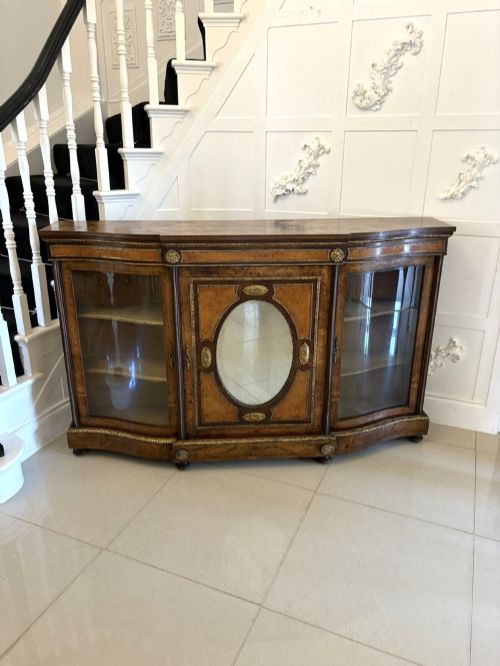
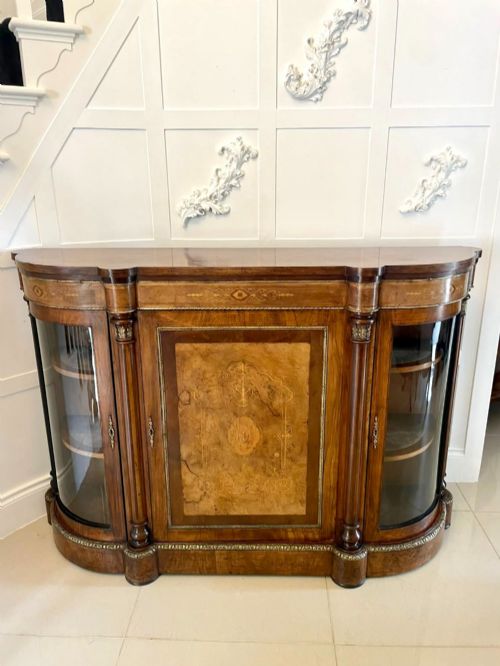
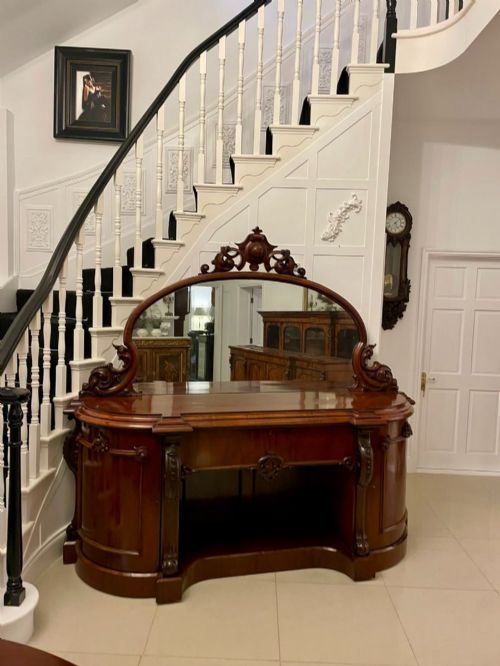
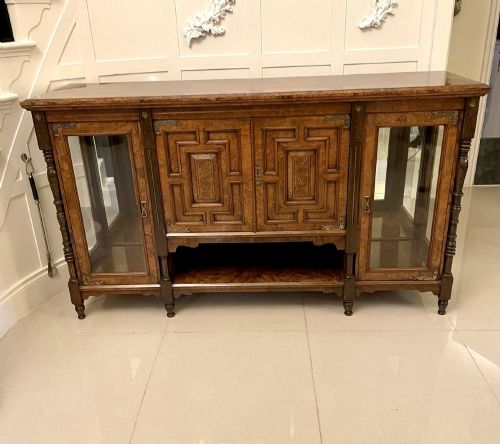
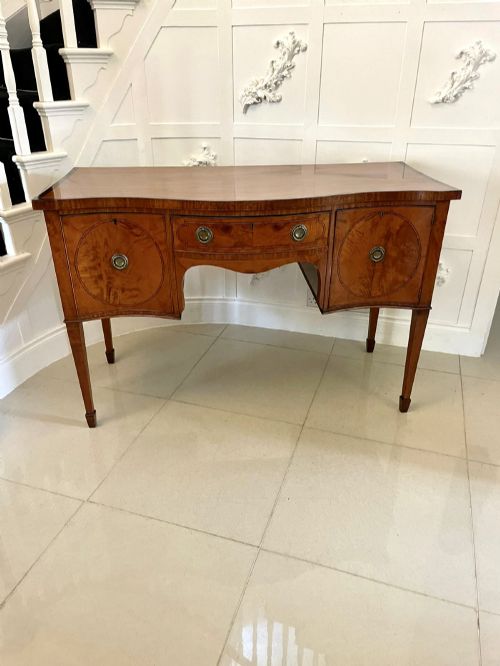
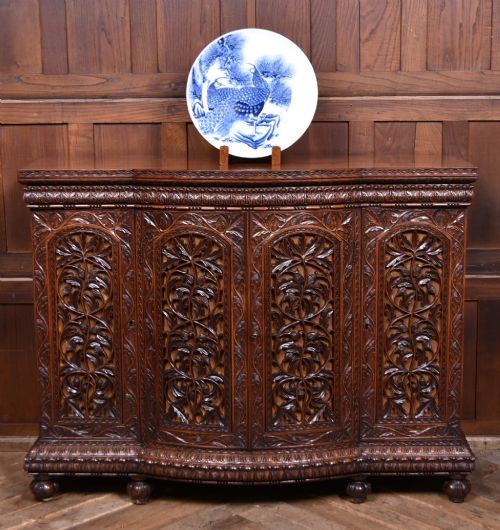
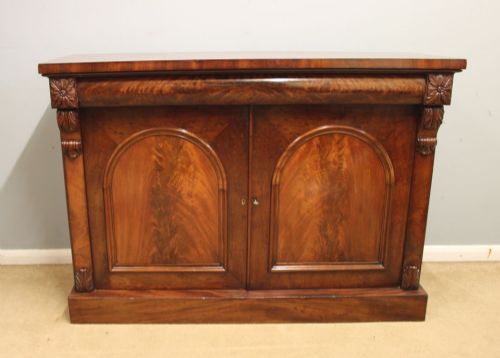
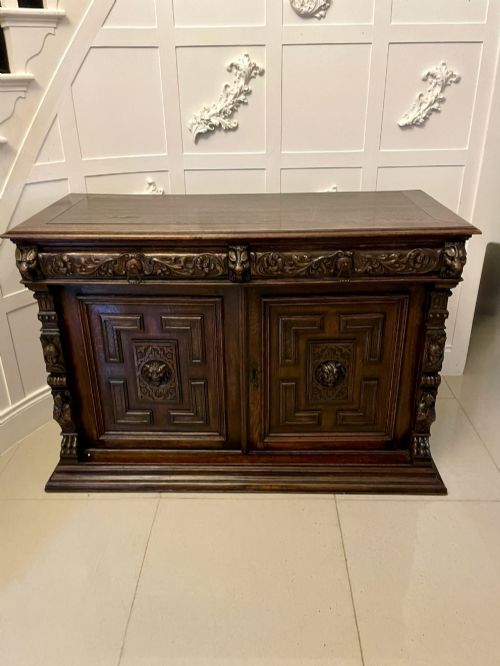
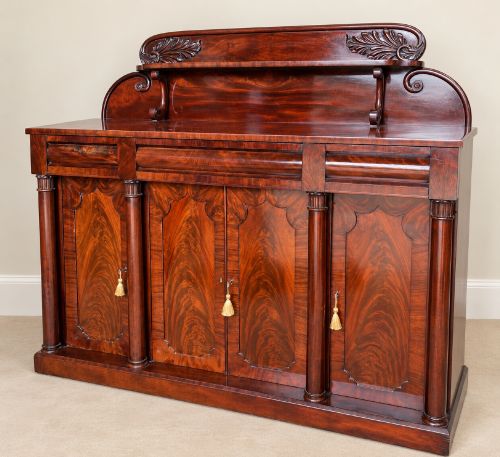
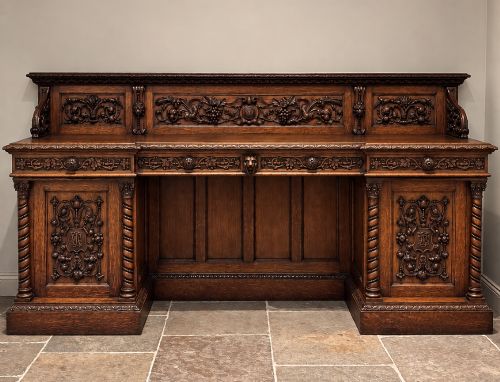
A victorian buffet cabinet anchors a dining room with substance, bringing together deep mahogany, figured walnut and heavy carved oak for practical service.
Victorian Buffet Cabinet
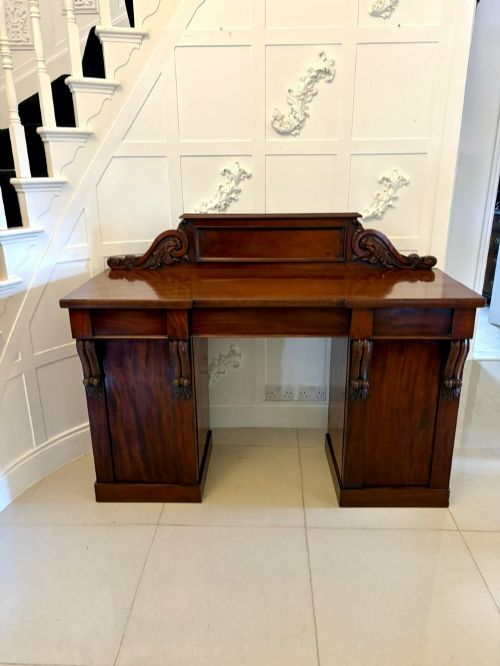
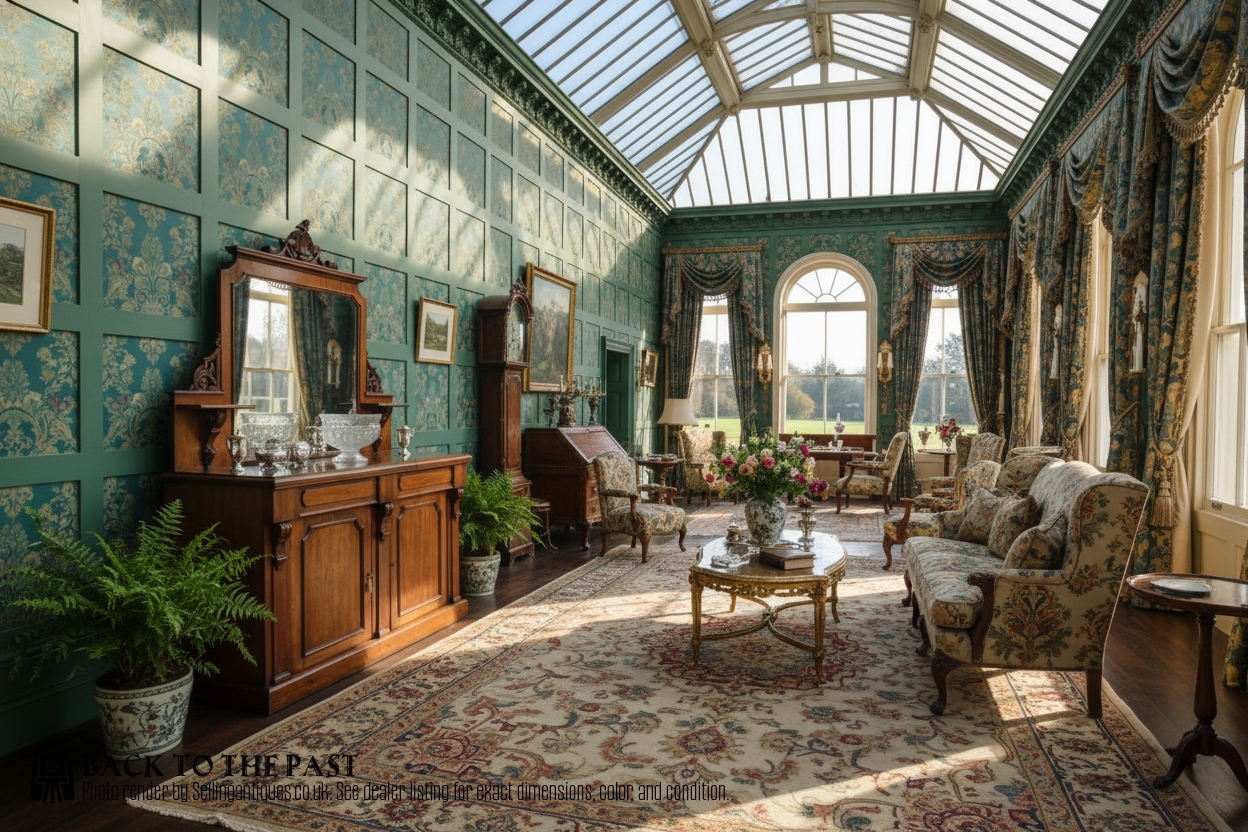
A victorian buffet cabinet encompasses a range of dining and serving furniture, appearing most frequently as sideboards, credenzas, and chiffoniers from the nineteenth century.
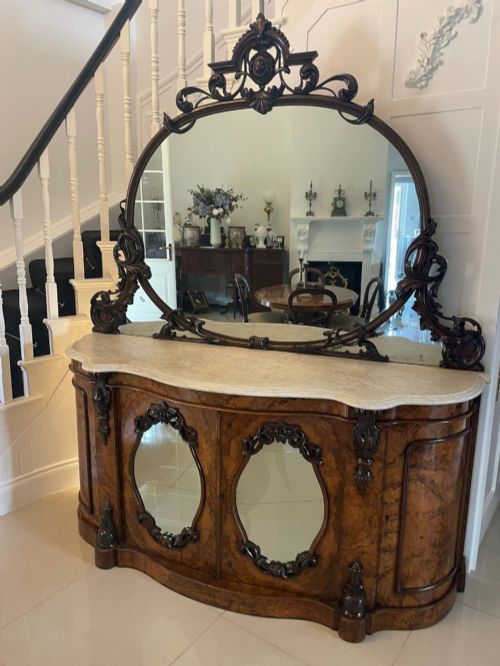
Makers of the period drew upon styles such as Gothic Revival, Renaissance Revival, and Sheraton Revival, often combining storage cupboards with display shelves and mirror backs.
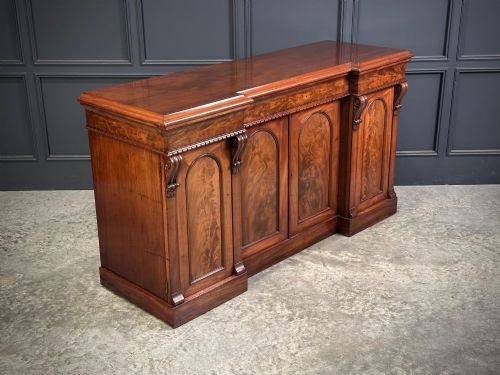
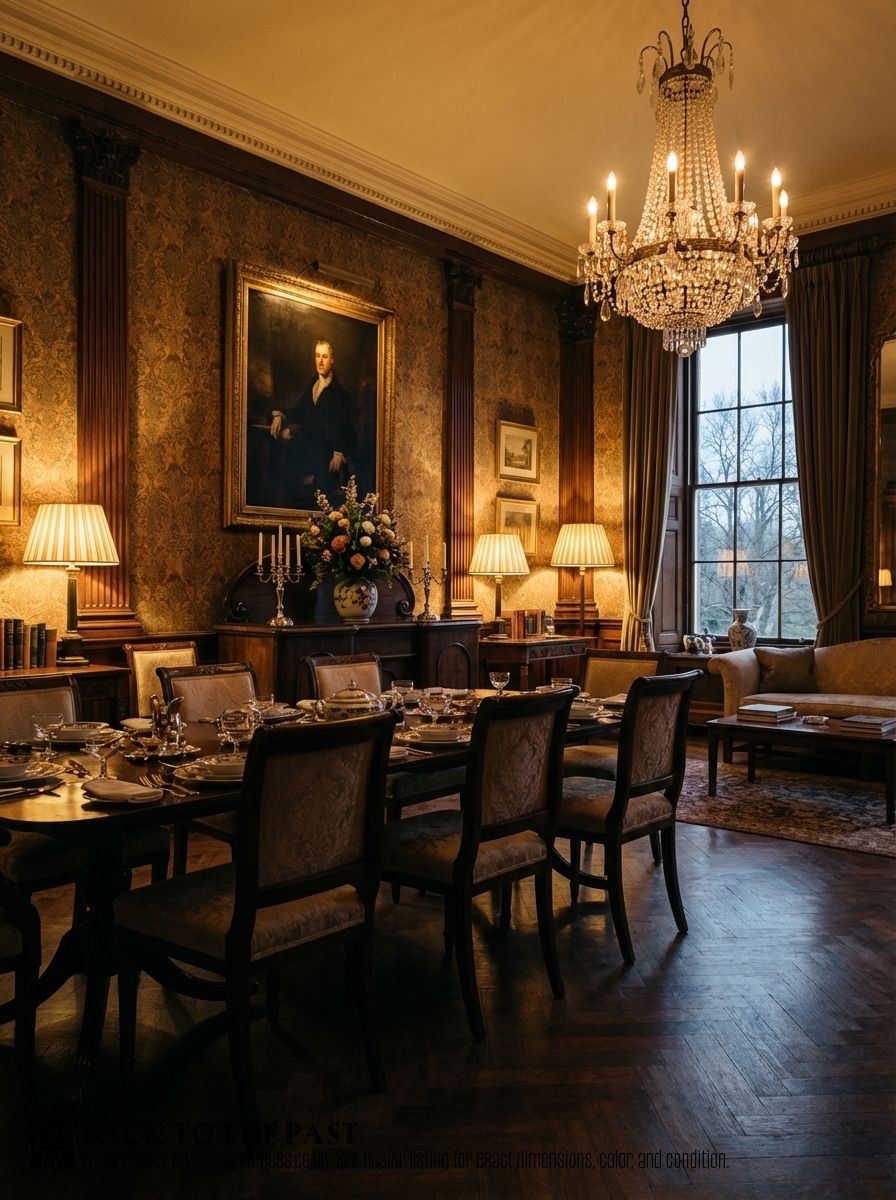
The pieces emerge from domestic dining rooms and country houses, taking the form of breakfront units, narrow dresser bases, and glazed cabinets.
Materials and Construction
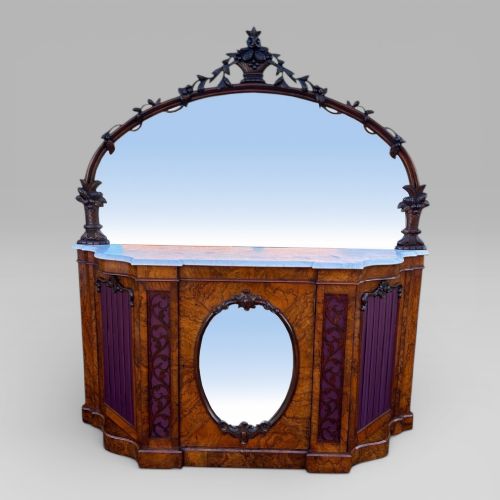
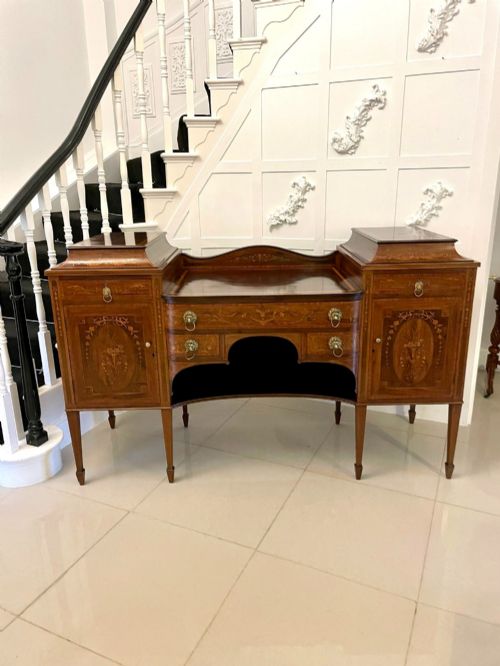
Workshops utilised dense timbers including mahogany, burr walnut, oak, padouk, and rosewood, frequently applying flame veneers and marquetry inlay to primary surfaces.
Constructive details incorporate marble tops, brass mounts, ormolu enrichments, and glazed doors, supported by carved wooden frames and panelled doors.
Victorian Buffet Cabinet Retail Price Guide 2026
Typical asking prices for victorian buffet cabinet among the pieces listed under this phrase on Sellingantiques today, from the lower quarter to the upper quarter. They describe what is for sale here now, not the wider market.
One recorded piece served aboard HMS Espiegle, proving that even naval officers required proper dining furniture at sea.
Judging Quality
The distinction between tiers rests upon the selection of timbers, where figured grains, symmetrical burr walnut veneers, and matched mahogany panels elevate a piece.
Carved elements demonstrate the hand of the maker through depth and precision, distinguishing standard production items from heavily ornamented exhibition pieces.
Hewetsons London
The Victorian Buffet Cabinet Glossary
- Credenza
- A low cabinet, frequently fitted with mirrored doors and ormolu mounts, used originally for display and serving. These pieces often feature burr walnut and marquetry.
- Chiffonier
- A compact sideboard featuring enclosed cupboards below and a raised shelf or small mirror above. They typically date from the earlier decades of the Victorian era.
- Marquetry
- The art of forming decorative patterns using thin veneers of different coloured woods. Cabinet makers applied this technique to cabinet doors and drawer fronts.
- Ormolu
- Gilded bronze mounts applied as decorative highlights to furniture. Makers used them to accentuate the corners and panels of walnut and ebonised pieces.
- Breakfront
- A piece of furniture whose central section projects forward from the flanking outer sections. This architectural arrangement creates depth and shadow across the facade.
Victorian Buffet Cabinet: Frequently Asked Questions
What is a victorian buffet cabinet used for?
These pieces served originally in dining rooms to store tableware, linen, and bottles, while providing a flat surface for serving food during meals.
Today, they function as substantial storage units and display surfaces in living spaces and hallways.
How do I date a victorian buffet cabinet?
Dating relies upon identifying stylistic shifts, such as the heavier Gothic carvings of the mid-nineteenth century or the lighter marquetry and satinwood of the later aesthetic movement.
Timber choices also provide clues, as early decades favoured rosewood and mahogany, while burr walnut gained prominence toward the middle of the era.
Where should I place a large buffet cabinet?
Such substantial pieces require a wall with sufficient length and clearance to accommodate their depth and mirror backs without overwhelming the room.
Placing them away from direct sunlight and heat sources protects the polished timber and delicate veneers from drying out.
How do I care for marble top sideboards?
Marble surfaces need regular dusting with a soft cloth and immediate wiping of acidic liquids like wine or citrus to prevent staining.
Applying a neutral stone soap occasionally maintains the polish without harming the natural material.