



Victorian Bronze Putti
These Victorian bronze putti figures capture neoclassical charm in cast metal, bringing classical winged infants to mantelpieces and tables.
Victorian Bronze Putti
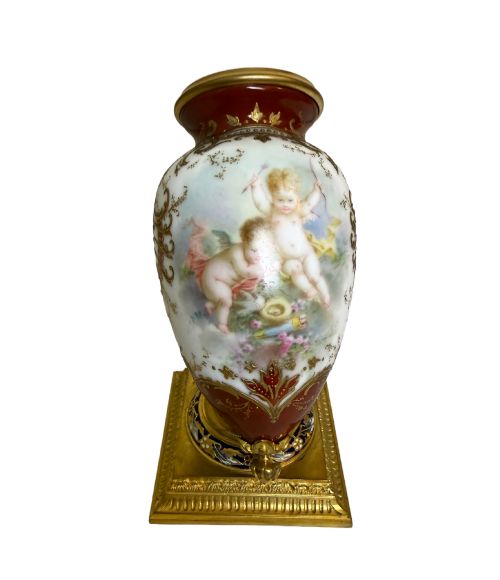
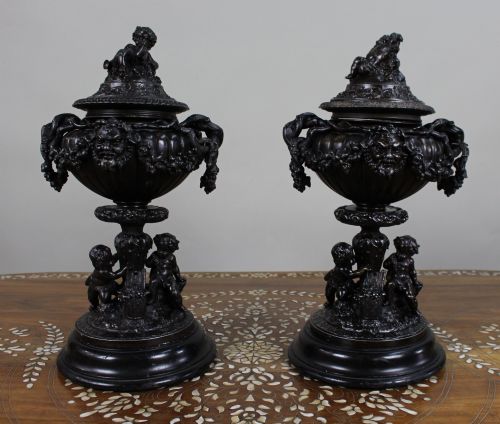
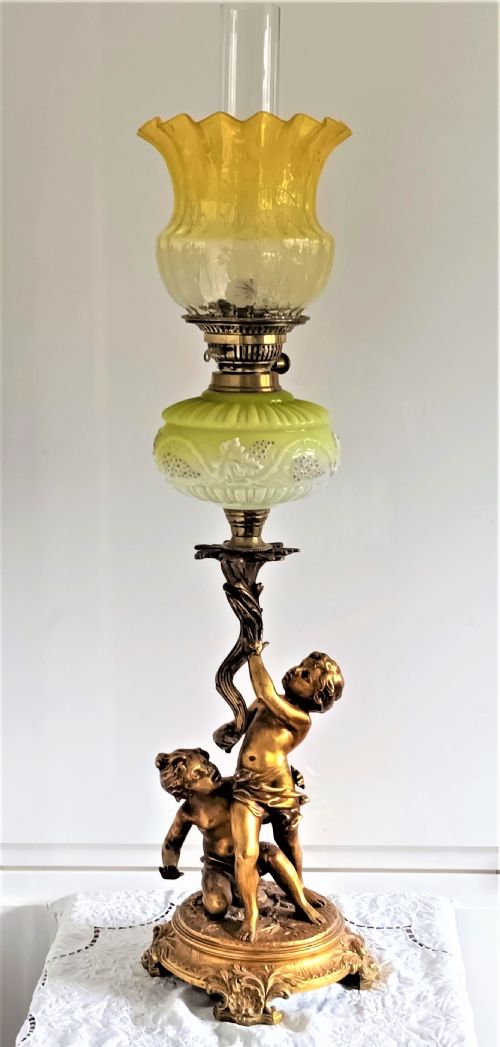
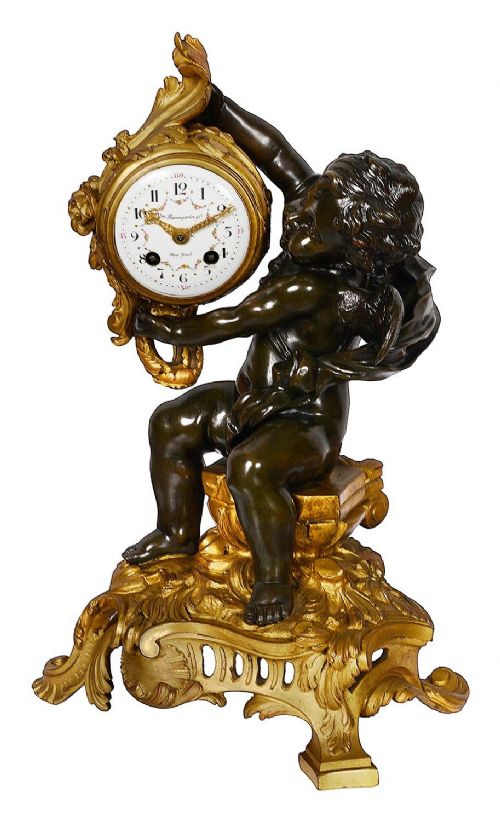
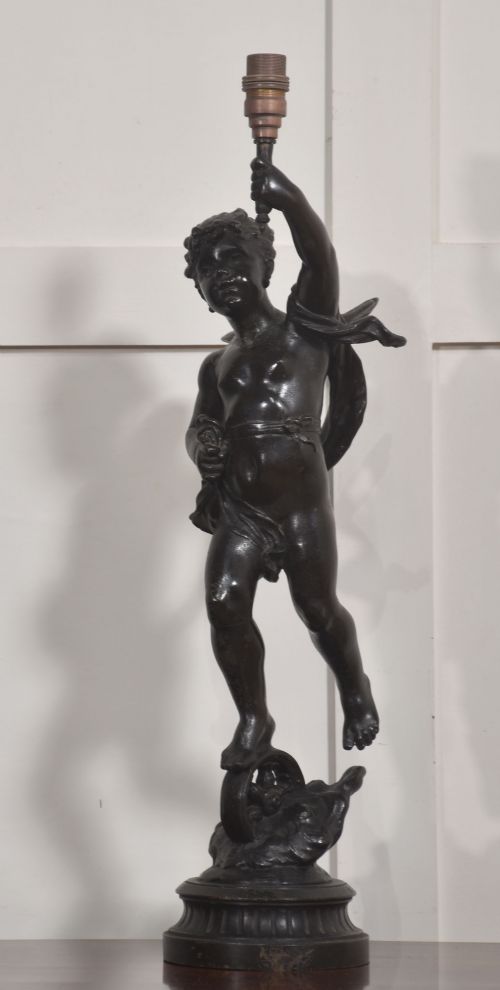
Victorian bronze putti encompass cast metal sculptures, mantel clocks, and lamps depicting winged infants derived from classical mythology. These pieces frequently emerge in French Rococo Revival and Italian Grand Tour styles from the nineteenth century.
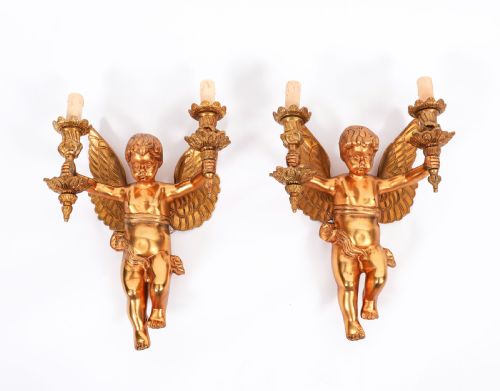
Collectors encounter single statuettes, matched pairs upon marble bases, and functional items such as candelabra and inkwells. The figures often hold grapes, musical instruments, or adopt hunting poses typical of nineteenth-century decorative arts.
How They Were Made
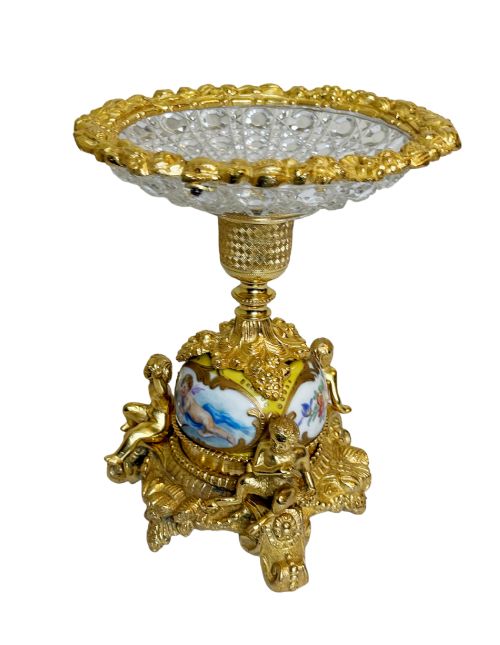
Foundries utilised traditional lost-wax or sand-casting techniques to shape molten bronze into detailed figures, frequently applying fire-gilding or ormolu finishes. Marble plinths and cut crystal components provided weighty supports and contrasting textures for the metalwork.
Secondary materials such as enamel, porcelain, and bronzed spelter supplemented pure bronze in clocks and lighting fixtures. Hand-finishing involved meticulous chasselling to sharpen feather details and facial expressions on the cast figures.
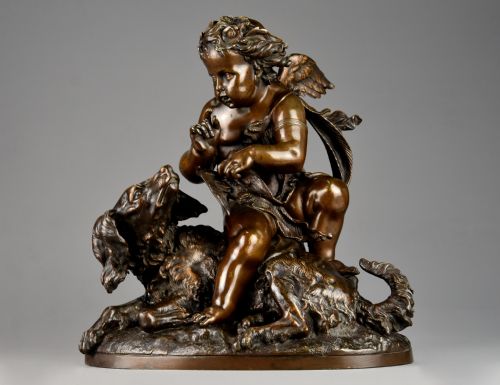
A bronze putto occasionally teams up with a spaniel dog or harvests grapes with surprising enthusiasm.
What Varies in Quality
Original fire-gilding retains a warm, durable lustre that differs from later chemical surface treatments. The integration of high-grade coloured marbles and signed clock movements elevates the standing of an assembly.
Aug. Moreau·Phillipe H. Mourey·John Bennett
The Victorian Bronze Putti Glossary
- Putto
- A plump, naked winged infant depicted in classical art. These figures appear frequently in Renaissance revival works and nineteenth-century decorative bronzes.
- Ormolu
- Ground gold applied in a mercury amalgam to bronze. This technique imparts a rich golden sheen common on French clock garnitures and decorative mounts.
- Spelter
- A zinc alloy used as a cheaper substitute for bronze. It takes patination well but proves lighter and more brittle than genuine copper alloys.
- Grand Tour
- The nineteenth-century practice of collecting souvenirs across Europe. Italian bronze statuettes on marble bases often originated from these travels.
- Garniture
- A set of three or more matching decorative objects for a mantelpiece. These typically comprise a clock flanked by matching candelabra or vases.
Victorian Bronze Putti: Frequently Asked Questions
What is a putto?
A putto is a chubby, winged infant figure derived from classical mythology and Renaissance art. These figures often symbolize love or domestic harmony in nineteenth-century sculpture.
In decorative bronzes, putti frequently engage in activities like playing musical instruments, harvesting grapes, or hunting. They form the central decorative motif of these Victorian works.
How were bronze putti used?
Victorian households displayed these figures as standalone mantel sculptures, bookends, or decorative groups. They brought classical elegance into nineteenth-century domestic interiors.
Many pieces served functional roles as lamp bases, clock garnitures, inkwells, and doorstops. Bronze was chosen for its durability and capacity to hold fine detail.
How do I distinguish bronze from spelter?
Bronze possesses a heavier weight, a resonant tone when tapped, and a warm, deep metallic grain beneath the patina. Spelter feels significantly lighter and more brittle upon inspection.
Underneath worn highlights, spelter reveals a greyish-white metal base, whereas bronze shows a golden-brown copper alloy underneath. Genuine bronze accepts finer and sharper chasing work.
What is a Grand Tour bronze?
Grand Tour bronzes were small-scale sculptures purchased by wealthy travellers in Italy during the nineteenth century. They served as portable reminders of classical antiquities.
These pieces typically feature dark patination and mount onto heavy marble bases. They represent popular subjects from ancient mythology for Victorian collectors.