


Victorian Bronze Dog Sculpture
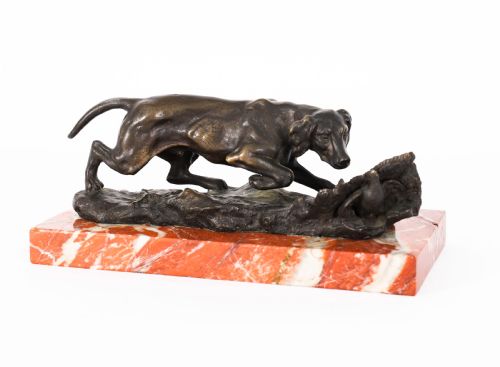
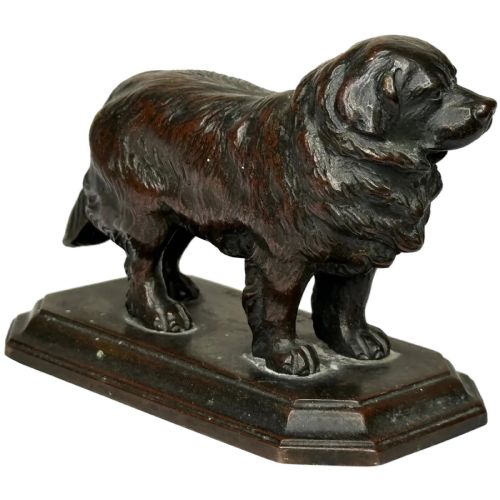
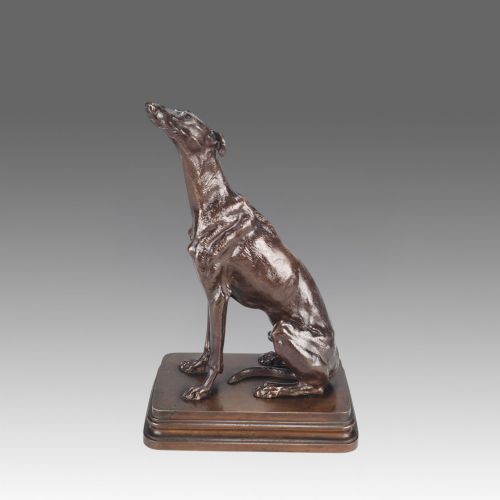
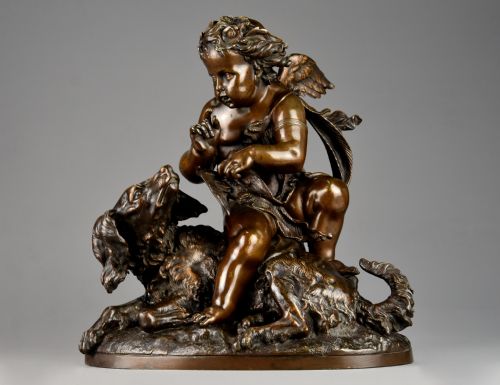
These victorian bronze dog sculpture pieces capture hounds, spaniels and bulldogs in bronze and patinated metal, bringing nineteenth-century animalier art directly to the desk or mantelpiece.
Victorian Bronze Dog Sculpture
A victorian bronze dog sculpture brings nineteenth-century animalier art into domestic spaces through figures of hounds, pugs, greyhounds and spaniels. These pieces capture working dogs and pets in realistic or humorous poses, often mounted on marble bases or integrated into desk accessories like inkwells.
The objects seen here date predominantly from the nineteenth century, including specific decades from the eighteen-seventies to the nineteen-twenties. French animalier bronzes and Austrian cold-painted pieces form the core of what is available, spanning utilitarian inkwells, paperweights and standalone decorative figurines.
Makers and founders from this era produced works ranging from substantial hunting groups to small, characterful desk ornaments. Buyers encounter both French studio casts and Austrian cabinet bronzes, reflecting the widespread popularity of canine subjects during the period.
How they were made
Foundries utilised the lost-wax casting method or sand casting to capture fine muscle tone, fur texture and collar details in bronze. Many figures received a dark patination, whilst others were finished with cold-painted enamel details applied by hand over the metal.
Sculptures are frequently mounted on heavy bases of polished marble or paired with cast brass and ormolu mounts. Alternative materials recorded include bronzed plaster, combining traditional sculptural forms with more accessible workshop media.
Among the stately hounds sits a cheerful pug and an audacious bulldog caught mid-mischief.
What varies in quality
The crispness of the chase-work and the depth of the foundry patination determine the visual power of a cast. Finer pieces retain subtle anatomical transitions and sharp facial expressions without soft edges from worn moulds.
The integration of the subject with its base or functional elements, such as an inkwell lid or marble plinth, separates standard commercial production from the work of recognised animalier sculptors.
Carl Kauba·Alfred Dubucand·Pierre Jules Mene·Prosper Lecourtier·Jules Moigniez·Auguste Nicholas Cain·Arthur Waagen·Joseph Francois Victor Chemin·Franze Bergman·Stephan Buchinger
The Victorian Bronze Dog Sculpture Glossary
- Animalier
- A nineteenth-century artistic movement dedicated to the realistic portrayal of animals, particularly wild beasts and domestic hounds. French sculptors popularised this genre through dynamic bronze casts.
- Cold-painted bronze
- A technique where polychrome paint is applied to a cold bronze casting rather than fired in a kiln. This finish is characteristic of Austrian cabinet bronzes.
- Patination
- The chemical treatment or natural ageing applied to the surface of bronze to colour the metal. Founders used patination to create deep brown, black or greenish tones.
- Ormolu
- Gilt bronze mounted as decorative trimming or furniture hardware. In these listings, ormolu appears alongside bronze in desk accessories and multi-figure groups.
- Lost-wax casting
- A historic method of metal casting where a wax model is melted from a mould to create a hollow bronze sculpture. This technique allows for complex undercuts and fine surface detail.
Victorian Bronze Dog Sculpture: Frequently Asked Questions
What are animalier bronzes?
Animalier bronzes are nineteenth-century sculptures focusing specifically on the anatomy and movement of animals. These works were created across France and Austria during a period of intense interest in natural history.
Artists observed creatures in motion, translating hounds and sporting dogs into expressive bronze casts intended for domestic display.
How were desk inkwells used?
Desk inkwells served as functional writing accessories in nineteenth-century studies and offices. A hinged dog figure typically lifted to reveal a glass or ceramic insert for liquid ink.
Many incorporated pen trays or multiple wells, combining utility with decorative canine sculpture.
What is cold-painted bronze?
Cold-painted bronze refers to figures painted by hand after the metal casting process was complete. Austrian workshops used this method to give realistic colour to pugs, bulldogs and birds.
Because the paint was not kiln-fired, surviving pieces often show characteristic surface wear from handling.
How do I identify nineteenth-century casts?
Nineteenth-century casts usually feature foundry stamps, artist signatures or registration marks stamped directly into the metal. The weight and composition of the bronze, alongside the hand-finished chasing, indicate the period.
Base materials such as heavy black marble also help date a piece to the Victorian era.