


Victorian Bronze Candelabra
Victorian bronze candelabra bring heavy nineteenth-century metalwork and intricate candle-bearing arms into domestic rooms.
Victorian Bronze Candelabra
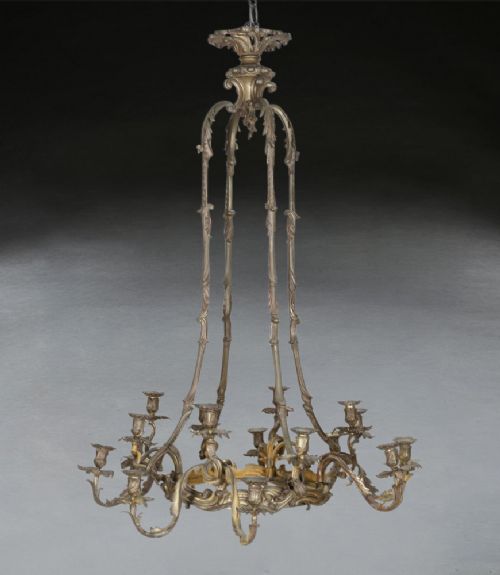
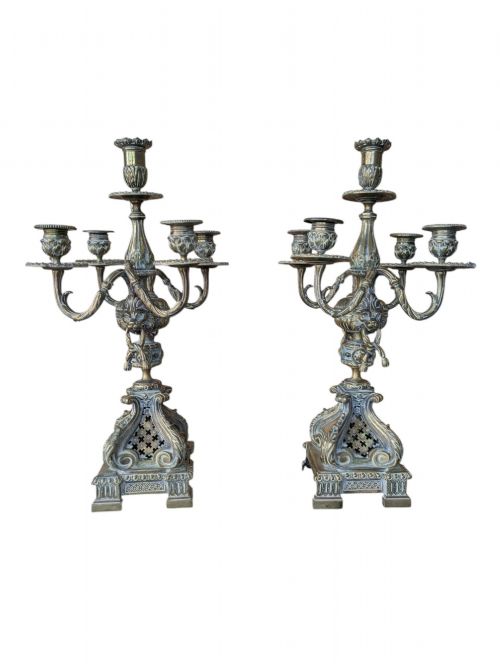
When you search for Victorian bronze candelabra, you encounter multi-branched lighting fixtures designed to hold multiple candles upon tables, mantelpieces, or walls. These pieces emerge primarily from the nineteenth century, spanning French and English workshops with diverse decorative revivals.
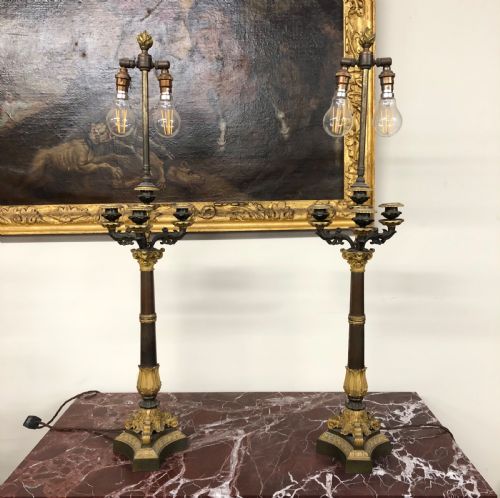
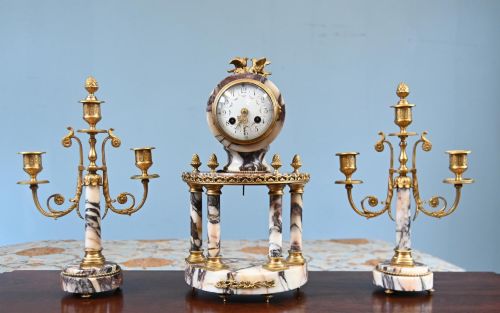
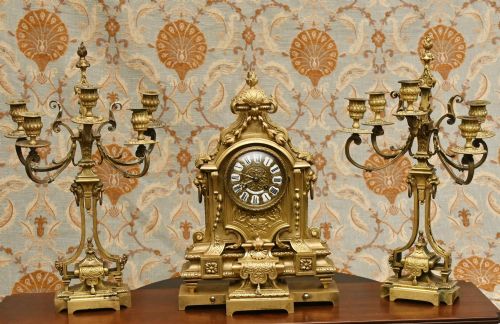
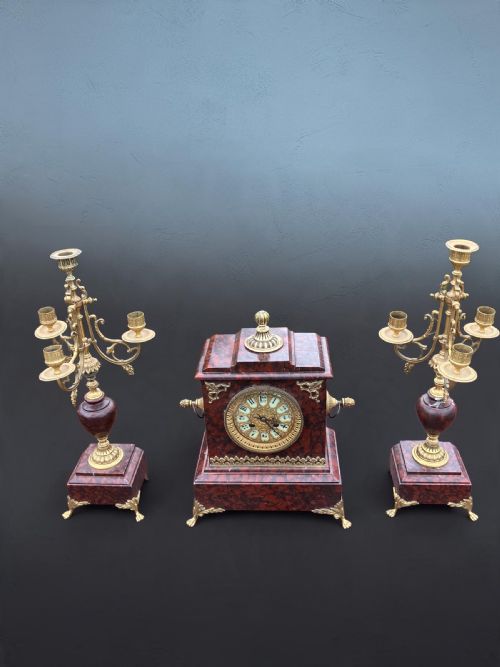
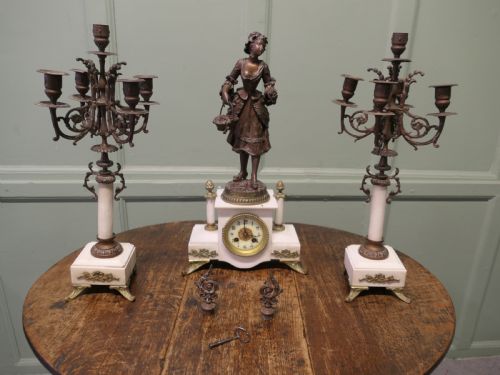
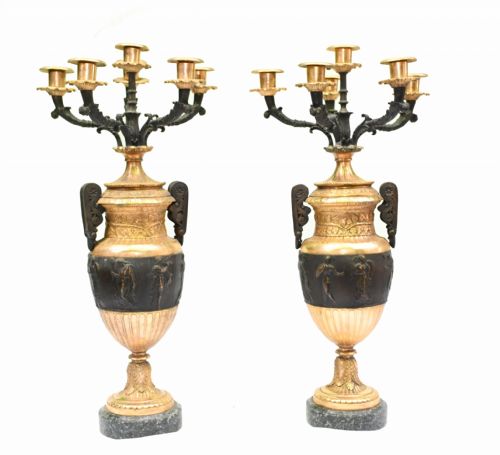
You are most likely to meet matched pairs featuring patinated or gilt surfaces, often combined with materials such as marble or porcelain. The forms range from simple twin-arm candlesticks to monumental multi-light candelabra paired with clock garnitures.
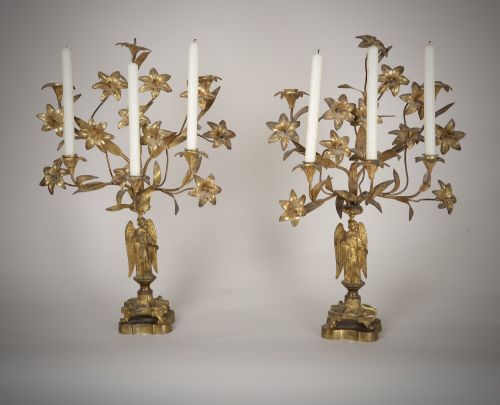
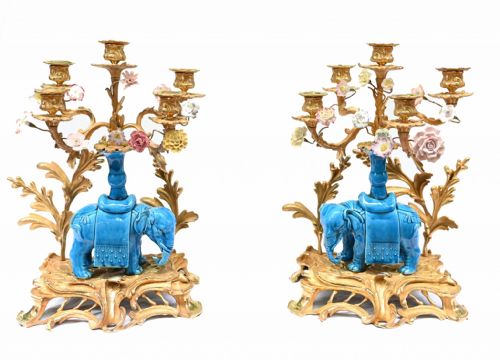
Many examples reflect historical design movements including Gothic Revival, French Rococo Revival, and Neoclassical styles. Makers frequently incorporated figurative elements such as cherubs, animals, or mythological figures into the structural bronze stems and bases.
Materials and technique
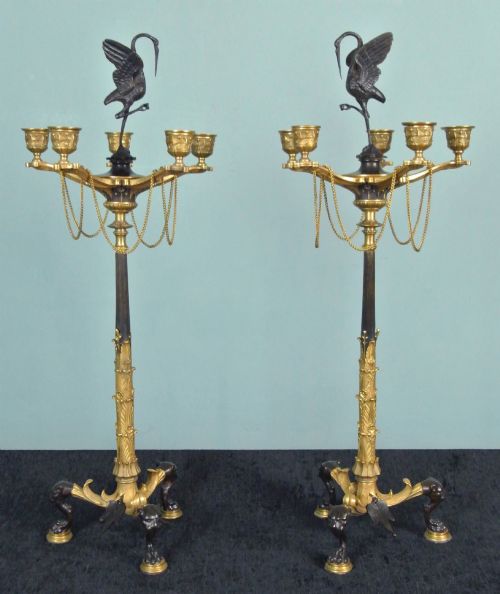
Surface treatments involved applying patination to darken the bronze or fire-gilding the metal with mercury and gold amalgam to produce ormolu. Artisans often mounted these metal assemblies onto heavy white or coloured marble plinths for stability.
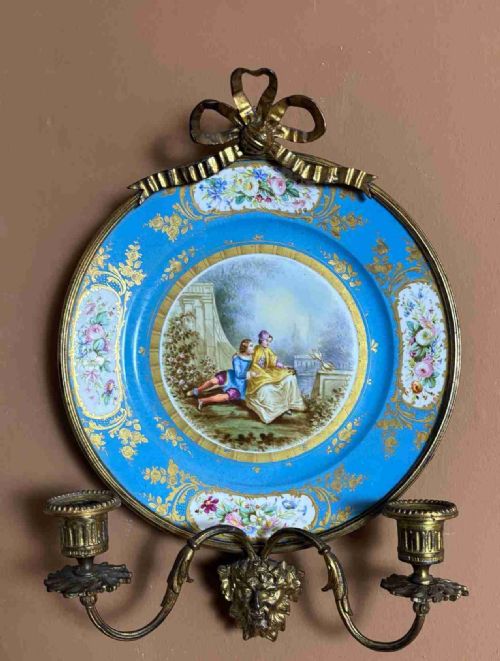
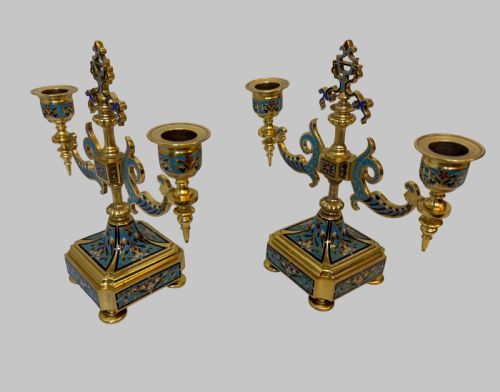
Some works incorporate decorative inlays such as champlevé enamel or panels of Sevres porcelain. These subsidiary materials were set directly into the bronze framework before final assembly and screwing of the candle arms.
Victorian Bronze Candelabra Retail Price Guide 2026
Typical asking prices for victorian bronze candelabra among the pieces listed under this phrase on Sellingantiques today, from the lower quarter to the upper quarter. They describe what is for sale here now, not the wider market.
Listings feature nineteen-century pieces incorporating porcelain, enamel, and marble alongside cast bronze and ormolu.
Quality variations
The precision of the chasing and hand-chiselling on the bronze surface distinguishes standard production from superior workshop output. Crisp lines on cast ornament indicate skilled post-casting cleanup by artisans.
The integration of mixed materials alters the character of a piece, where dense natural marble bases and hand-painted porcelain inserts elevate the overall weight and visual richness. Complete, matching sets with original gilding maintain greater structural and aesthetic unity.
Barbedienne·Thomas Hope·Raingo Fres, Paris
The Victorian Bronze Candelabra Glossary
- Ormolu
- Gilded bronze produced by applying a mixture of mercury and gold to a bronze base and firing it in a kiln. This technique creates a durable golden finish common on nineteenth-century French lighting.
- Champlevé
- An enamelling technique where troughs are dug into the metal surface and filled with coloured glass paste before firing. The piece is then polished flat to create decorative bands of pattern.
- Garniture
- A set of matching decorative objects, typically a central clock flanked by a pair of candelabras or vases. These sets were designed to sit symmetrically upon a mantelpiece.
- Patinated bronze
- Bronze that has been treated with chemical solutions to alter its surface colour from bright metallic brown to deep green or near-black tones. This process protects the metal and highlights relief details.
Victorian Bronze Candelabra: Frequently Asked Questions
What is the difference between a candelabra and a candlestick?
A candlestick holds a single candle in a socket atop a vertical shaft. A candelabra branches out into multiple arms to support two or more candles simultaneously.
Candlesticks generally offer a slimmer profile for smaller surfaces, whereas candelabra provide heavier illumination and more complex sculptural ornamentation.
Were these pieces converted to electricity?
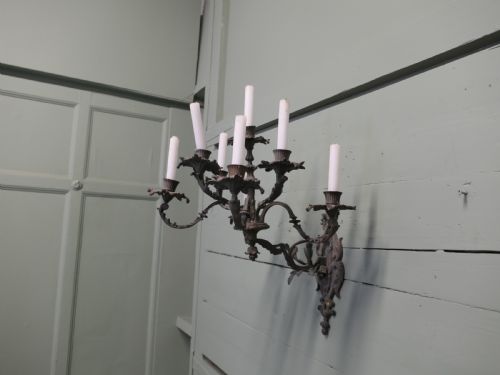
Many nineteenth-century lighting fixtures underwent later conversions to run on electricity rather than wax candles. Wiring is typically threaded through the central stem while retaining the decorative candle nozzles.
Collectors encounter both unmodified examples intended for traditional candles and those adapted for modern table lamps or wall sconces.
How do I identify French versus English pieces?
French workshops frequently employed heavier ormolu mounts, champlevé enamel, and Sevres-style porcelain in collaboration with prominent clockmakers. English variants often followed distinct regional interpretations of Neoclassical or Gothic styles.
Signatures or foundry stamps stamped directly into the bronze base often confirm the specific country of origin.
How do I clean bronze and ormolu safely?
Dusting with a dry, soft bristle brush prevents the accumulation of grit within the recessed chased details of the metal. Avoid abrasive polishes that strip away original patination or mercury gilding.
Water and chemical solvents can damage vulnerable secondary materials like marble bases or enamel inlays if allowed to seep into joints.