


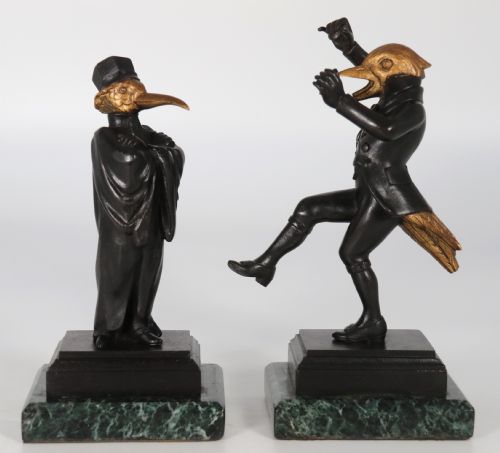


Victorian Bronze Bird
When you search for victorian bronze bird, you find sculptures, inkwells, and candlesticks capturing avian forms in metal.
Victorian Bronze Bird
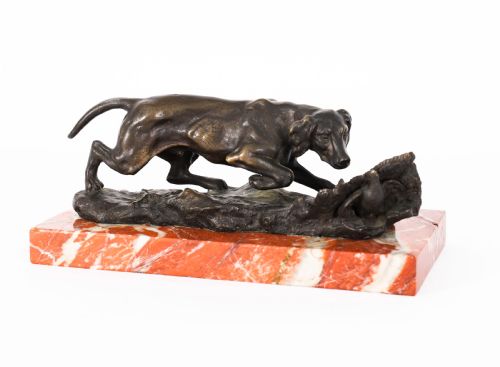
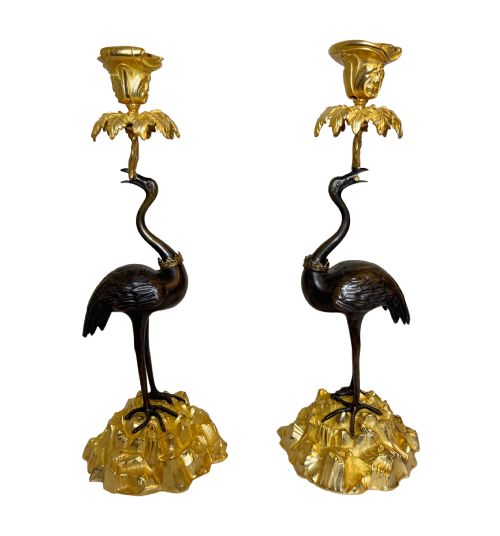
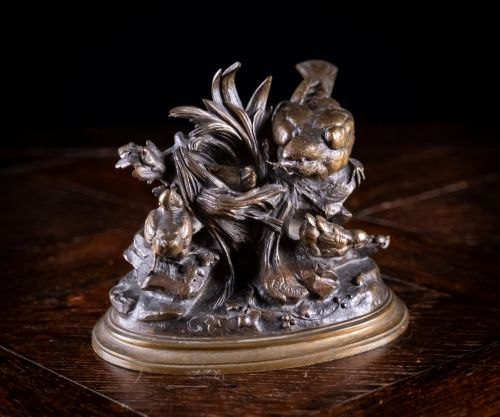
Victorian bronze bird pieces encompass a range of decorative and functional objects produced during the nineteenth century, including sculptures, candlesticks, inkwells, and vases. You will frequently encounter figures of specific species, such as kingfishers, parrots, storks, and birds of prey, often rendered in distinct stylistic traditions like the Animalier school or Austrian cold-painted manufacturing.
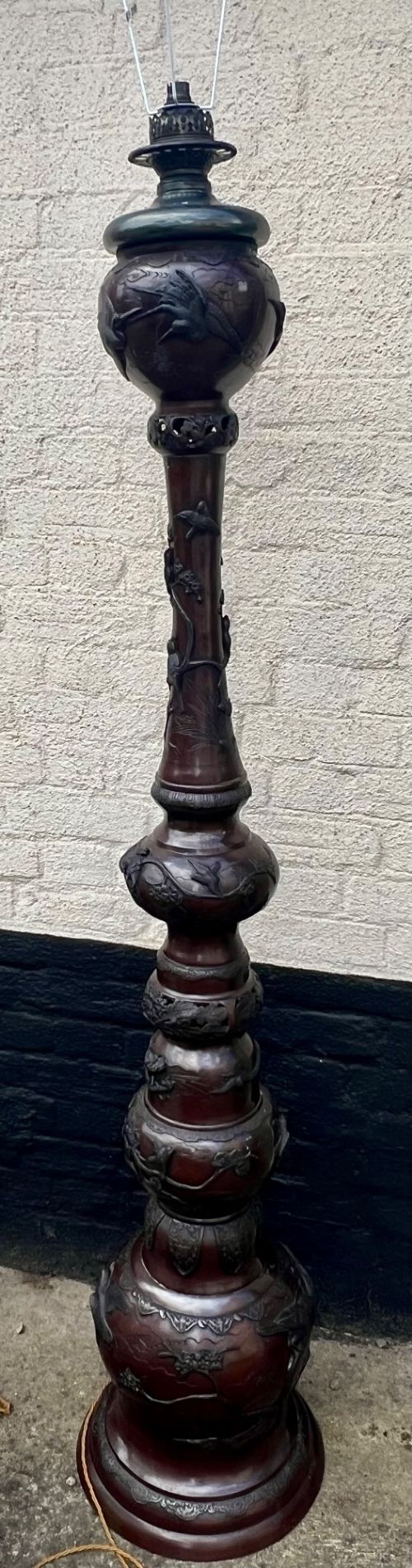
The selections span various forms from domestic desk accessories to substantial mantel ornaments and floor lamps. Many items combine avian subjects with other materials like marble bases or ormolu mounts, reflecting the diverse decorative tastes of the nineteenth century.
Materials and production methods
These pieces are primarily produced in bronze, ormolu, and gilt metal, often utilising casting techniques to achieve detailed feather and anatomical textures. Cold-painting is another significant method applied to select figures, where the pigment is added after the metal has been cast.
Makers frequently combined bronze with contrasting elements such as marble for bases, enamel detailing, or mother-of-pearl dishes. This mix of metals and minerals required skilled assembly and mounting by period metalworkers.
Object types range from vases, candlesticks, and inkwells to floor lamps and figural sculptures.
Standards of craftsmanship
The artistry also lies in the naturalism and expressiveness of the avian pose, distinguishing stiff mechanical reproductions from works that capture dynamic movement or character.
Carl Kauba·Louis Emile Cana·Bergman·Ferdinand Pautrot
The Victorian Bronze Bird Glossary
- Animalier
- A nineteenth-century artistic movement dedicated to the realistic portrayal of animals. Sculptors in this tradition focused closely on anatomical accuracy.
- Cold-painted bronze
- A manufacturing technique where bronze figures are painted with oil-based colours after casting, rather than being fired in a kiln. These pieces require careful handling to preserve the remaining pigment.
- Ormolu
- Gilt bronze produced by applying a finely ground high-carat gold-mercury amalgam to a bronze object. The technique creates a rich, warm golden surface finish.
- Grand Tour
- A cultural tradition of travel through Europe undertaken by upper-class Europeans, which inspired the production of souvenir bronzes and classical decorative arts. These items often emulate antique forms.
Victorian Bronze Bird: Frequently Asked Questions
How were these bronze birds used?
Many of these pieces served practical functions in the Victorian home alongside their decorative appeal. Items like inkwells, candlesticks, and centrepieces integrated avian subjects into everyday desktop and dining accessories.
Other works functioned purely as decorative sculptures, mantel ornaments, or floor lamps designed to showcase the skill of the metalworker within a formal interior.
What is cold-painted bronze?
Cold-painted bronze refers to metal sculptures that have been painted with polychrome oil paints after the casting process is complete. Because the paint is not fired at high temperatures, it sits on the surface of the metal.
This technique was particularly popular in Austria during the late nineteenth century to render brightly coloured birds like parrots and kingfishers with realistic hues.
How do I care for a bronze bird sculpture?
Bronze requires minimal maintenance, typically needing only a very gentle dusting with a soft, dry cloth to prevent particulate build-up. You should avoid using commercial metal polishes or harsh chemical cleaners, as these can strip away patination or damage cold-painted surfaces.
Keep the pieces away from excessive moisture and direct sunlight to protect any applied patinas, gilding, or integrated materials like marble and enamel.
How can I tell the period of a bronze bird?
Dating these items involves examining the casting quality, the style of the base, and the nature of the patina or paintwork. Pieces associated with the Animalier movement or specific manufacturing techniques often point towards the nineteenth century.
Signatures, foundry marks, or stamps can also provide direct evidence of the maker and the active period of production.