






Victorian Brass Timekeeper
These Victorian brass timekeeper examples combine mechanical precision with robust metalwork, offering both reliable function and distinct period character for your interior.
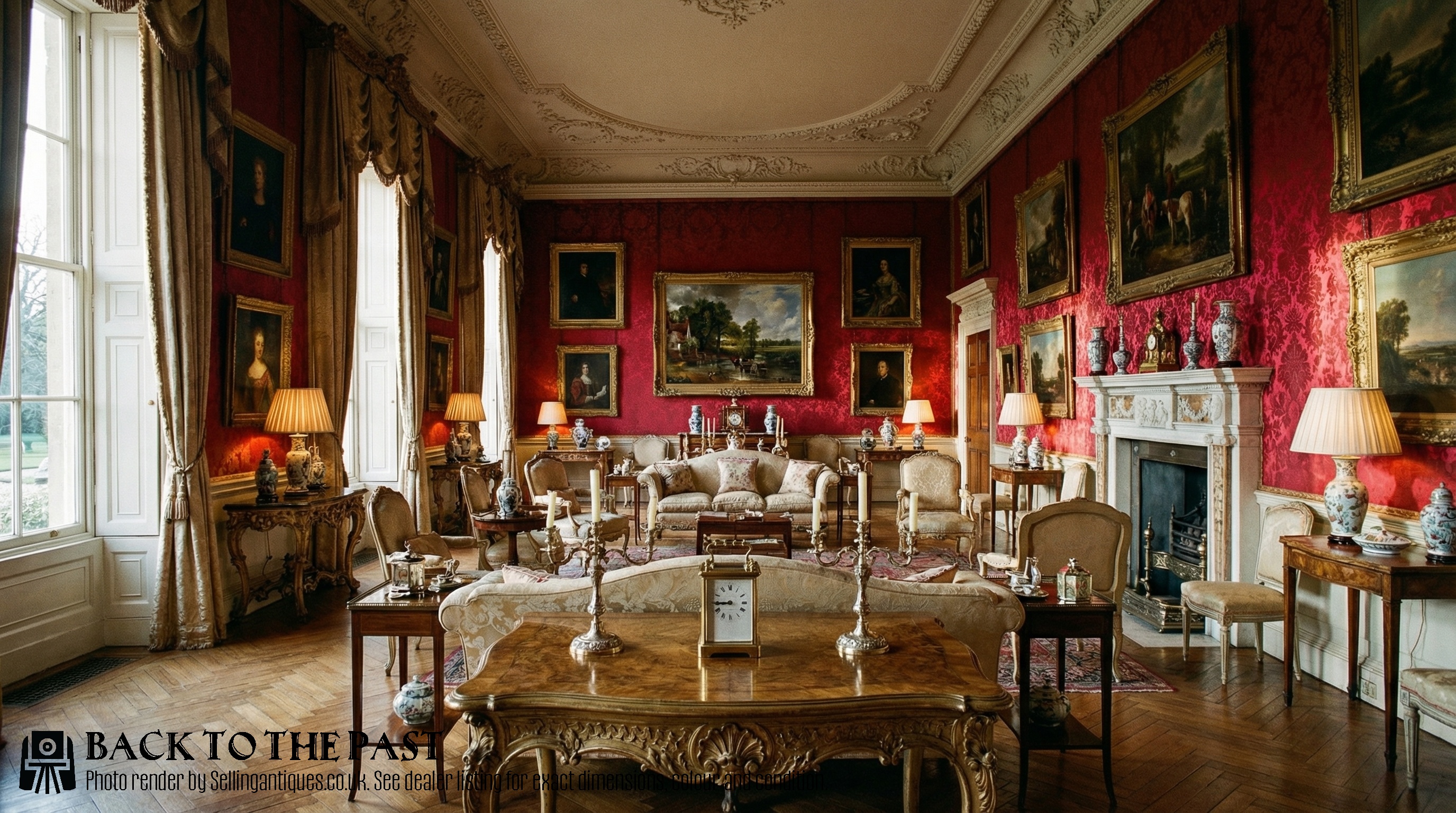
Victorian Brass Timekeeper
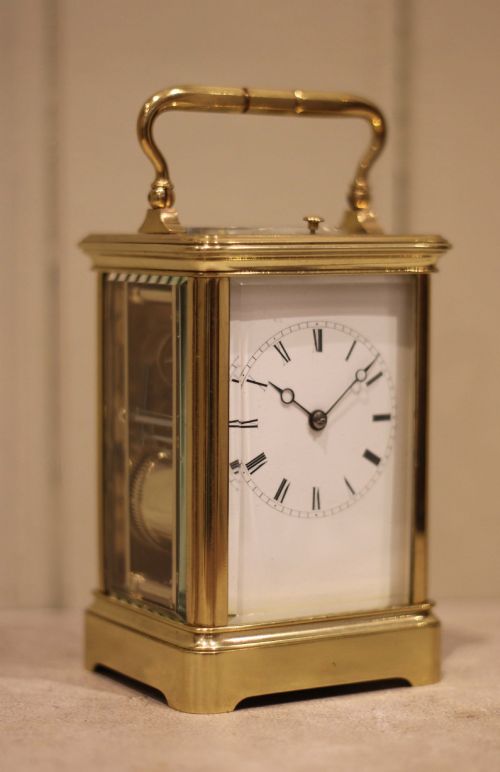
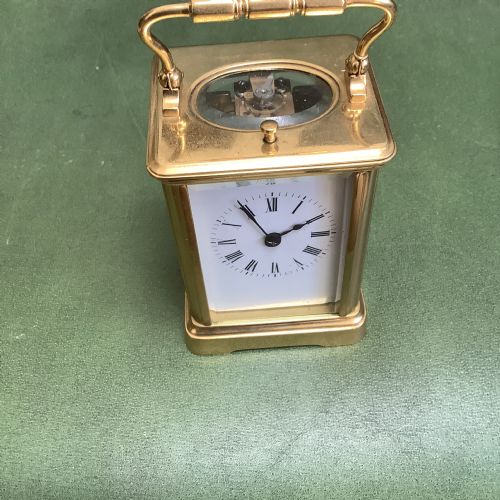
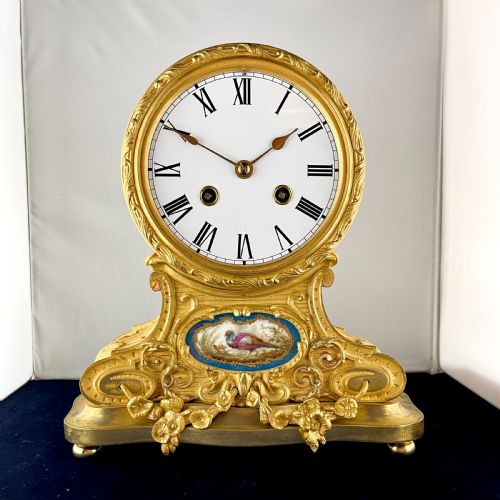
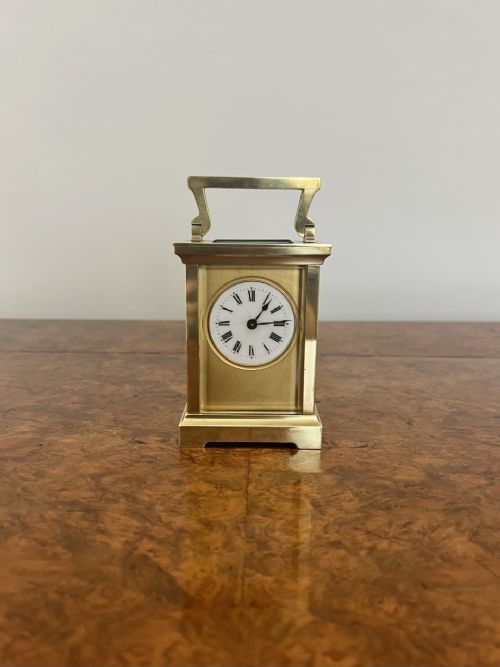
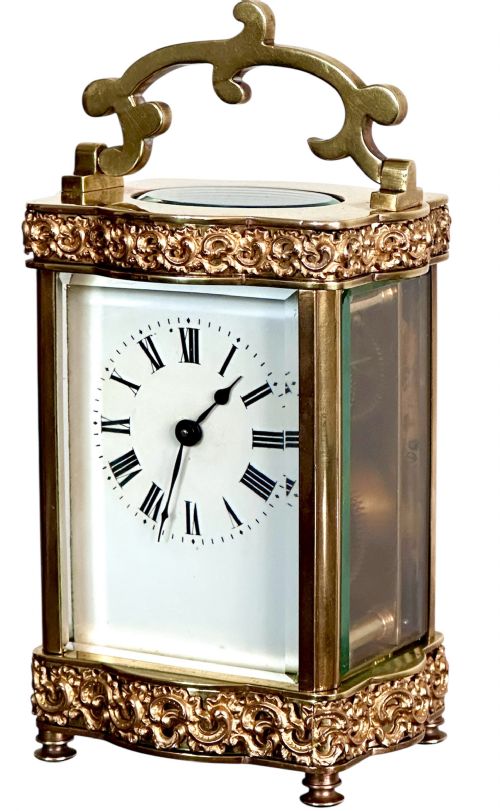
A victorian brass timekeeper covers various horological forms produced during the nineteenth century, ranging from portable travel pieces to substantial domestic instruments. You will most frequently encounter brass carriage clocks and mantel clocks housed in architectural or gorge cases.
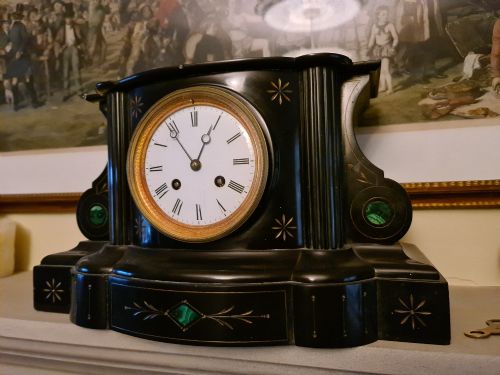
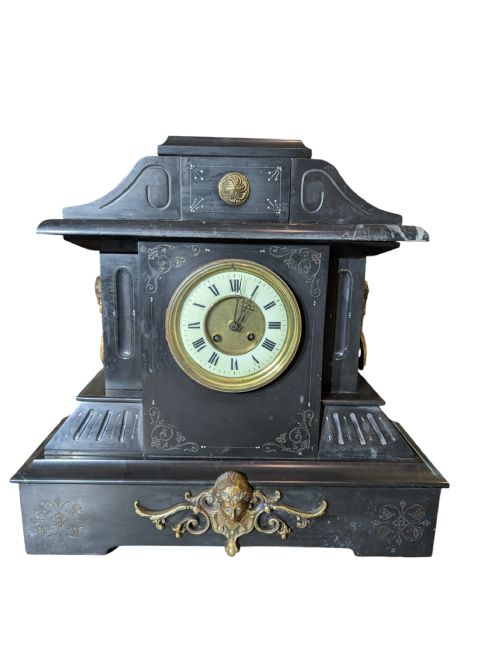
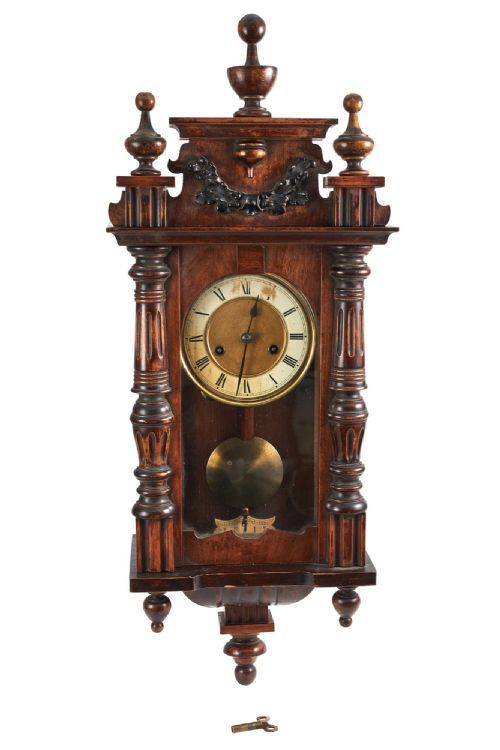
The selection extends from portable desk models and wall-hung dial pieces to architectural marble and slate mantel designs. Many examples originate from French workshops or British makers working across the Victorian era.
Portability and domestic utility define these objects, designed equally for travel, mantel placement, or wall mounting. The diverse forms reflect both nineteenth-century interior fashions and mechanical innovation.
Materials and construction
Makers constructed these timepieces using cast and polished brass, gilt bronze, and ormolu combined with glass panels to display the intricate interior escapements. Dial faces typically feature white enamel with Roman numerals, sometimes accompanied by subsidiary alarm or calendar dials.
Casing materials also incorporate contrasting elements such as black slate, rouge marble, mahogany, and walnut to frame the metal structures. Engraved brass gorge cases and bevelled glass lights demonstrate the high level of metalworking skill applied during the period.
Listings feature 19th-century French and Victorian carriage clocks alongside marble, slate, and wooden mantel designs.
Evaluating quality and execution
Superior examples distinguish themselves through the crispness of hand engraving on brass cases and the complexity of the internal movement, such as repeating mechanisms and striking trains. Weight and gauge of the brass housing indicate the original investment in materials and construction.
The presence of signed movements by established makers adds significant distinction to a piece. Original components, undamaged enamel dials, and finely bevelled glass panels separate standard production items from finer workshop output.
Pickford of London·Drocourt Paris·Margaine Of France·Brunelot·Duverdrey and Bloquel·Delépine-Barrois·Piggin Norwich·Bishop Bournemouth·Samuel Marti·Dent of London·Dwerrihouse and Bell·Walker and Hall
The Victorian Brass Timekeeper Glossary
- Carriage clock
- A small, portable spring-driven timepiece designed for travel, typically fitted with a swing handle and glazed panels. These clocks often feature lever escapements and striking or repeating complications.
- Gorge case
- A stepped, rectilinear brass housing characteristic of finer nineteenth-century carriage clocks. The distinctive moulded top and base profile requires precise metal fabrication.
- Fusee
- A conical pulley used in mechanical clocks to maintain even power delivery as the mainspring unwinds. This mechanism improves timekeeping consistency throughout the running cycle.
- Striking and repeating
- A complication allowing the clock to sound the hours automatically and repeat the last hour on demand via a push button. This mechanism involves complex internal rack and snail assemblies.
- Enamel dial
- A metal disc coated in fused glass powder to provide a smooth, durable white surface for painted numerals. These dials require careful firing to prevent cracking or discoloration.
Victorian Brass Timekeeper: Frequently Asked Questions
How do I wind a carriage clock?
Insert the appropriate winding key into the arbour located on the underside or back plate of the movement. Turn the key gently in the indicated direction until resistance is felt.
Avoid over-winding the mainspring to prevent internal damage. Ensure the clock is placed on a stable surface before operating the movement.
What is a repeating movement?
A repeating movement allows the clock to sound the most recent hour and quarters upon pressing a button on the top of the case. This function was originally designed for checking the time in darkness.
The complex mechanism uses additional rack and snail components separate from the standard striking train.
How should I clean a brass case?
Dust the exterior surfaces regularly with a soft, dry cloth to prevent the accumulation of grime. Avoid abrasive metal polishes that can wear away gilding and delicate hand engraving.
Preserving the natural patina protects the historic finish of the metalwork. Professional conservation is recommended for heavily tarnished or soiled pieces.
Are these clocks suitable for daily use?
Many nineteenth-century timepieces remain fully functional and can keep accurate time when properly serviced. Regular maintenance by a qualified horologist ensures the mechanical gear trains continue to operate smoothly.
Gentle handling during transport and setting is essential for preserving delicate escapements and balance wheels.