


Victorian Brass Table Accents
These Victorian brass table accents bring nineteenth-century metalwork and practical utility directly onto surfaces within the home.
Victorian Brass Table Accents
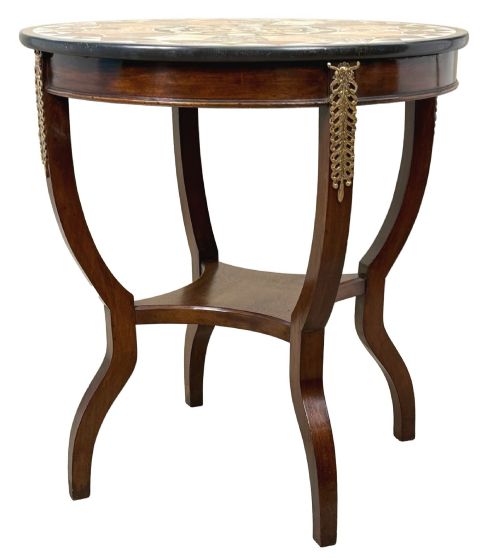
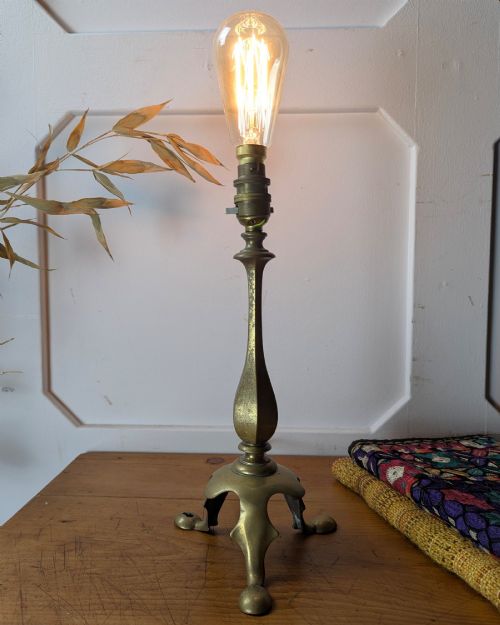
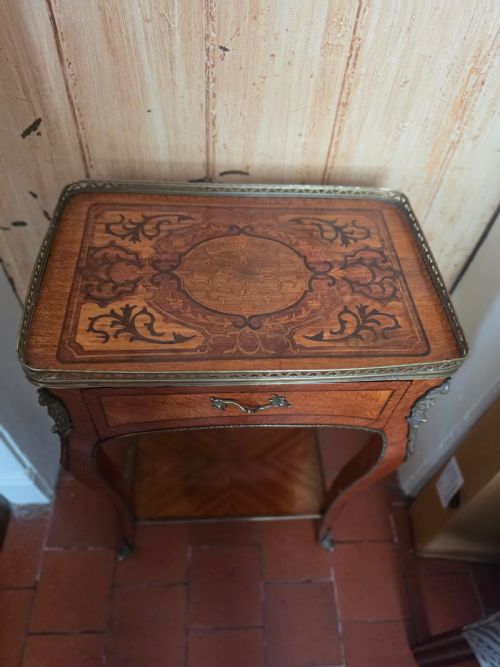
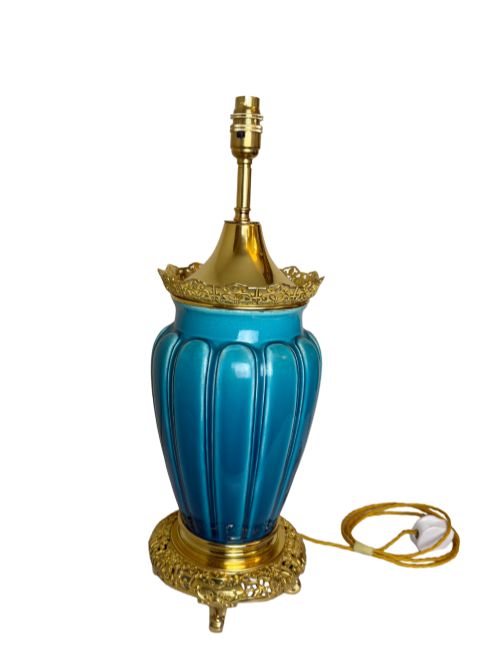
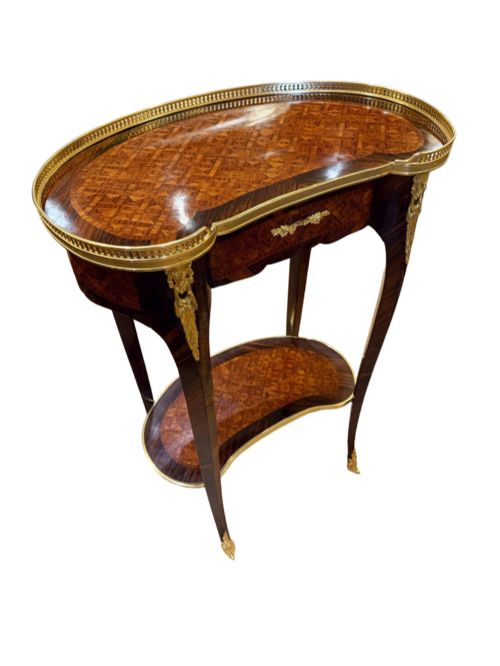
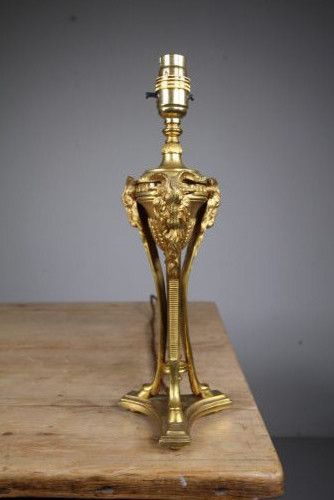
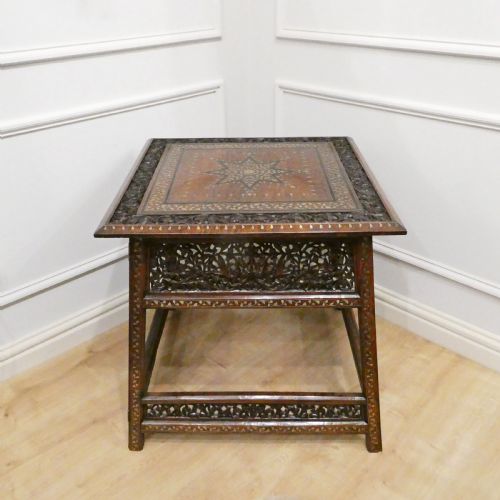
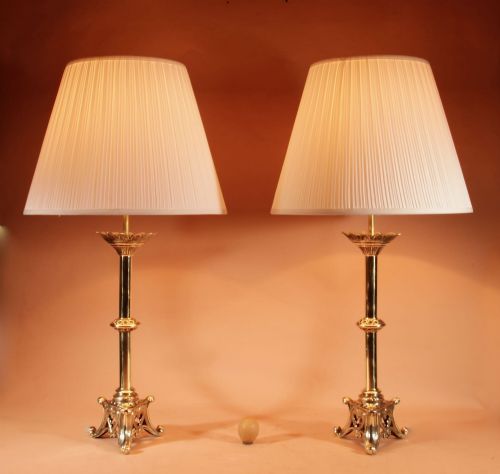
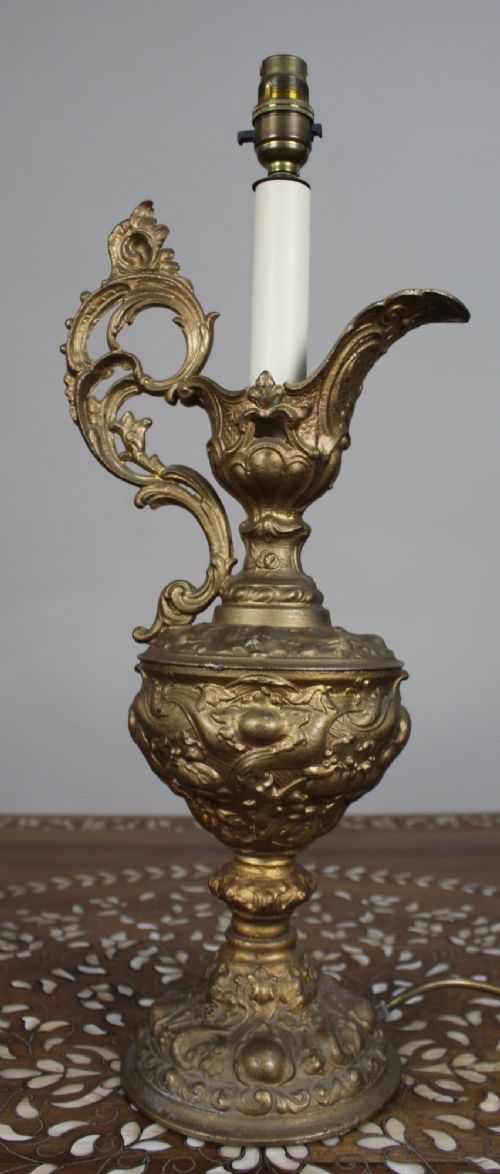
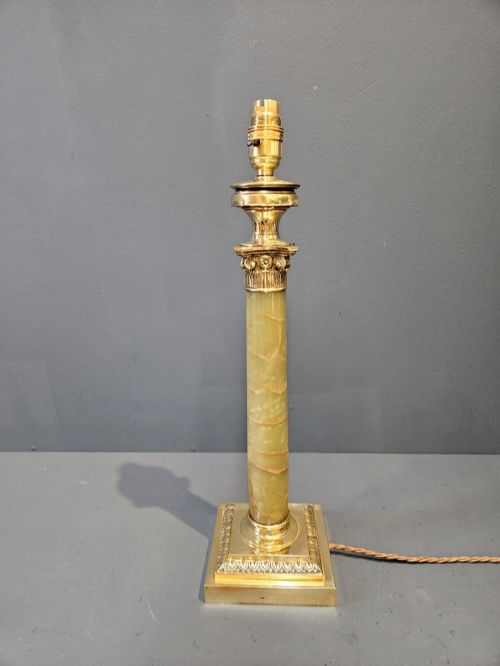
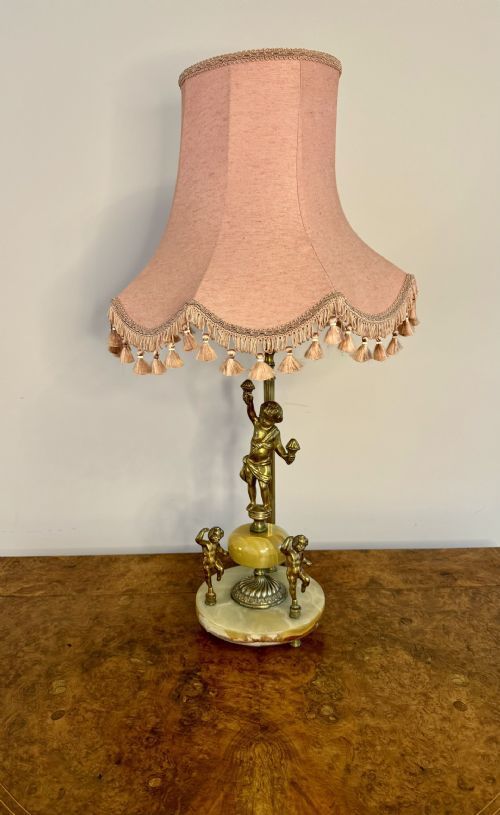
Victorian brass table accents encompass a diverse group of nineteenth-century items designed to sit upon furniture, ranging from heavy cast candlesticks to oil lamps and decorative stands. The selections here heavily feature table lamps and candlesticks cast in brass, alongside occasional tables incorporating brass inlay or mounts.
Makers and manufacturers produced these pieces across several decades spanning the Victorian era and into the early twentieth century, incorporating styles such as Gothic, Aesthetic Movement, and French influences. Buyers encounter forms that served practical household duties, such as lighting rooms or holding books, which now function as decorative room focal points.
Materials and Construction
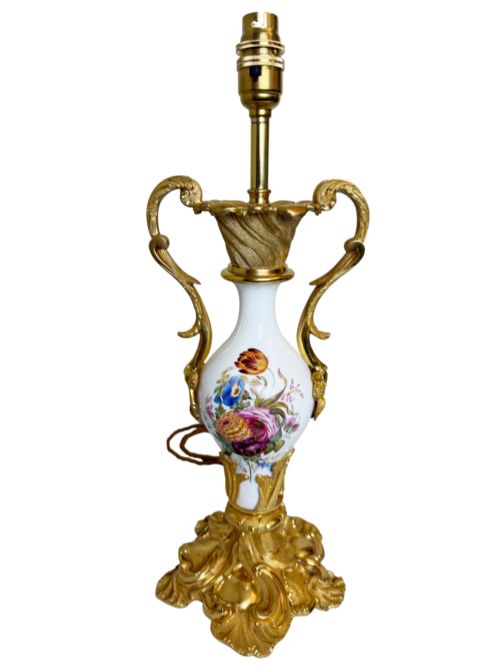
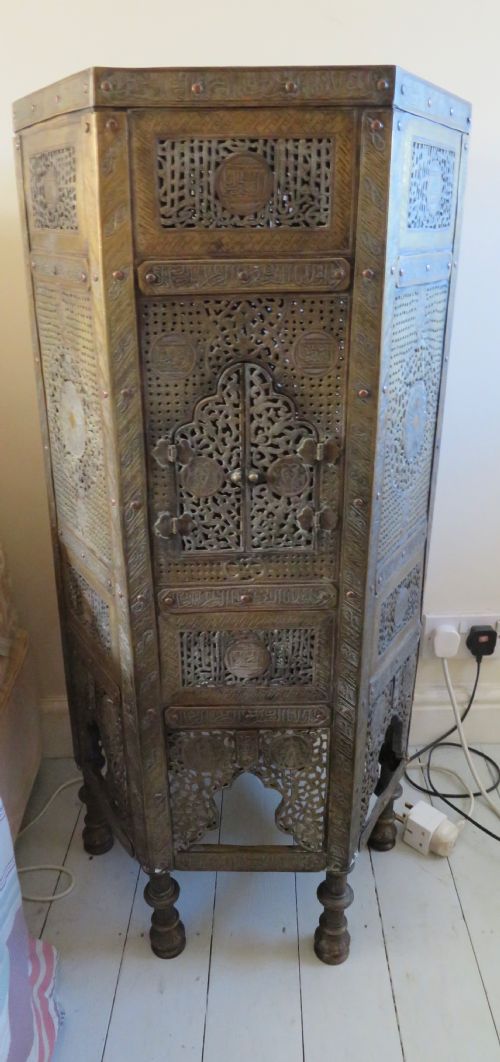
Makers utilised cast and sheet brass frequently, often pairing the metal with secondary materials like marble tops, mahogany, walnut, and ebonised wood on tables and lamp bases. Ormolu and gilt bronze also appear alongside inlaid elements such as copper, white-metal, and exotic woods found in Anglo-Indian and Cairo-ware occasional pieces.
Techniques relied heavily on metal casting, intricate hand-inlay, and turning, seen clearly in columns, candlesticks, and table structures. Workshops combined structural timbers with applied brass mounts, creating sturdy items designed for daily nineteenth-century use.
Some nineteenth-century brass lamps cleverly started life burning scented oils to disguise the heavy aroma of coal fires.
Assessing Quality
Quality rests primarily in the crispness of the brass casting and the precision of any inlay work, where sharper chased details distinguish superior items. Heavier gauge metal and substantial weight indicate better material use, particularly in candlesticks and architectural lamp bases.
The integration of secondary materials, such as genuine marble inserts or carefully selected mahogany and walnut veneers, elevates a piece. Better examples maintain their original structural integrity and surface patination without excessive modern intervention.
James Shoolbred
The Victorian Brass Table Accents Glossary
- Ormolu
- Gilded bronze or brass applied to furniture and decorative objects as mounts. This technique provided a bright golden finish that resisted tarnishing.
- Cairo-ware
- Brass and copper-inlaid metalwork originating from nineteenth-century workshops in Egypt. Artisans inlaid silver, copper, and white metal into etched brass surfaces.
- Pembroke table
- A small rectangular table with hinged drop flaps on either side. These tables often featured a single drawer and were easily moved around rooms.
- Aesthetic Movement
- A late nineteenth-century design style focusing on art for art's sake. Pieces often drew inspiration from Japanese and diverse global motifs.
- Champlevé
- An enamelling technique where troughs are carved into metal and filled with vitreous enamel. The metal walls between the enamel cells remain visible.
Victorian Brass Table Accents: Frequently Asked Questions
Were these lamps originally electric?
Most nineteenth-century lighting items started as oil lamps or candle holders before later conversion to electricity. These conversions allowed older decorative objects to adapt safely to modern household needs.
Lamp fittings are typically added during rewiring while keeping the original brass reservoirs, columns, or burners intact. Buyers should inspect the wiring age to ensure current safety standards.
Where should I place a table accent?
These items suit placement on side tables, desks, mantelpieces, or chests of drawers where their metallic finish catches natural light. Smaller candlesticks and lamps provide functional task lighting or ambient glow in living spaces.
Matching the scale of the brass accent to the supporting furniture piece ensures visual balance. Heavier columns and lamps require sturdy surfaces like mahogany or marble.
How do I date these pieces?
Dating relies on observing manufacturing techniques, stylistic cues, and material combinations typical of specific decades. For instance, Gothic Revival motifs often point towards the mid-to-late nineteenth century, while later items might show Edwardian influences.
Makers' marks, construction joints, and screw types also offer clues regarding the exact period of creation. Comparing the form against dated exhibition pieces helps narrow the timeline.