


Victorian Brass Sconces
Victorian brass sconces bring the warm, reflective glow of nineteenth-century metalwork straight to your walls.
Victorian Brass Sconces
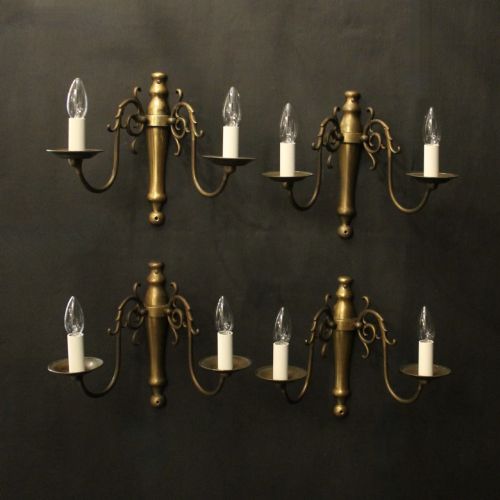
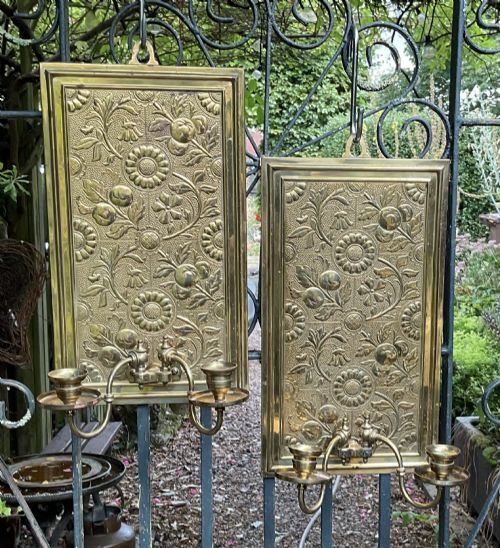
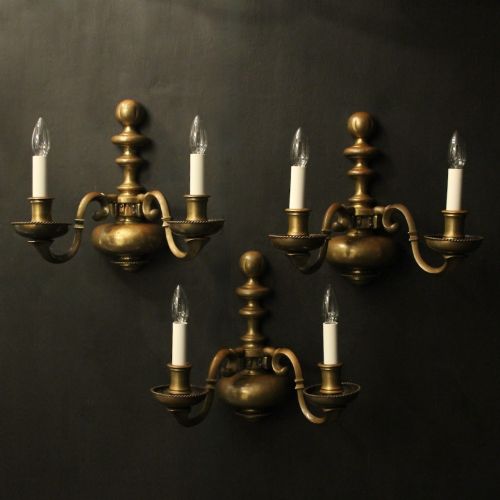
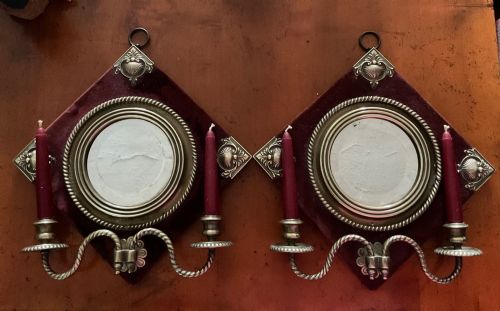
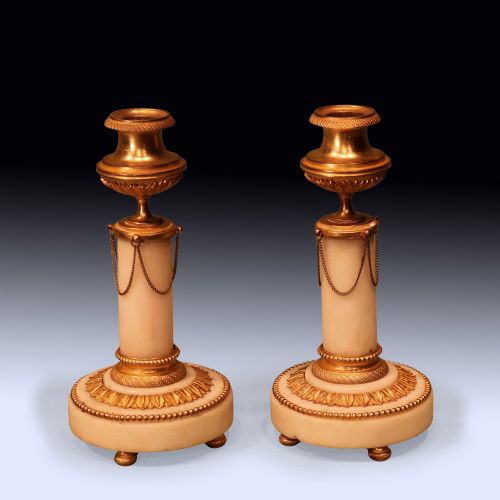
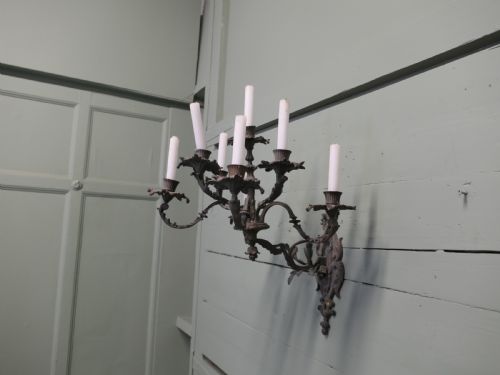
These pieces are wall-mounted lighting fixtures and candle holders originating predominantly from the nineteenth century, designed to illuminate interiors while adding sculptural interest to a room. When searching for victorian brass sconces, buyers encounter various configurations including single-branch designs, multi-armed wall lights, and examples incorporating mirror glass or gilt bronze. Many of these items emerge in matched pairs, reflecting the symmetrical demands of period interior design.
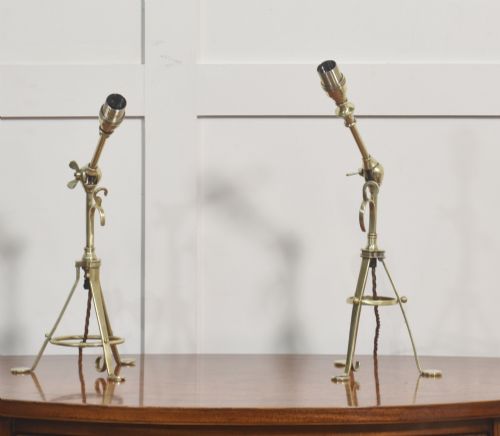
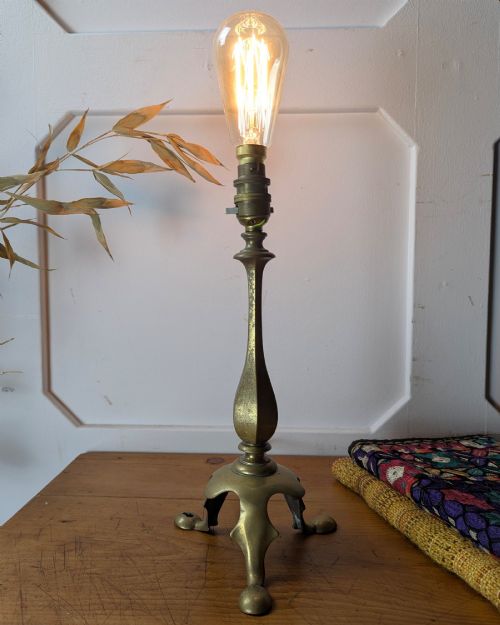
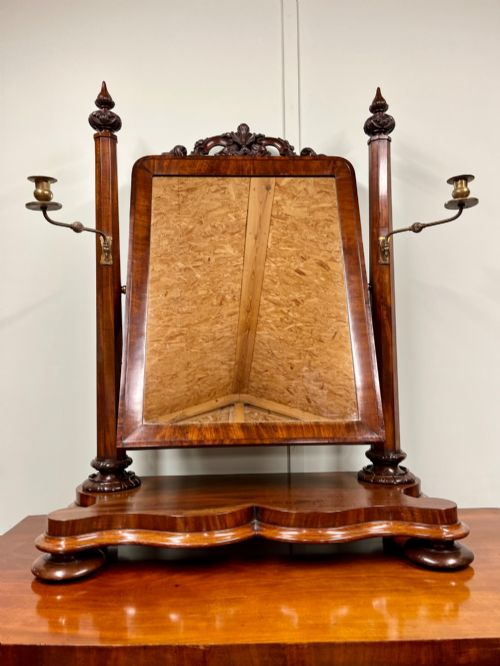
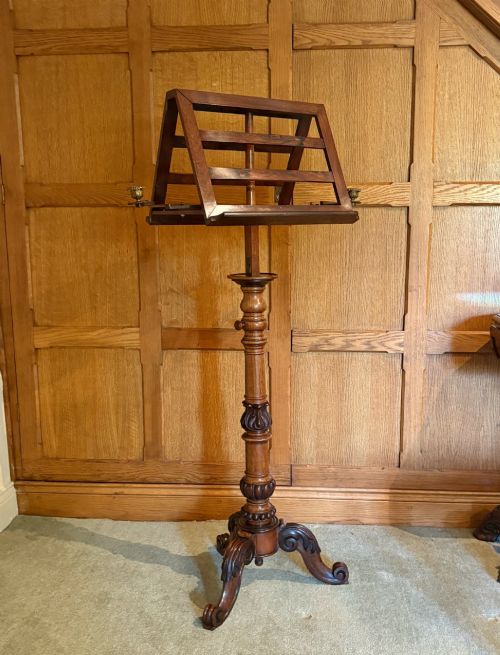
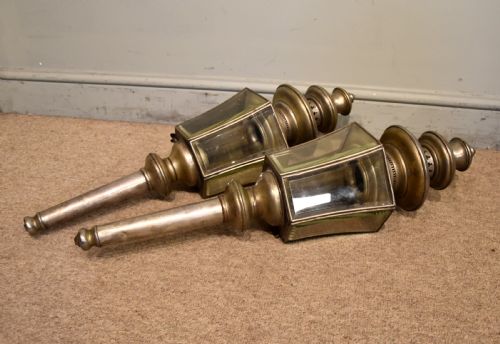
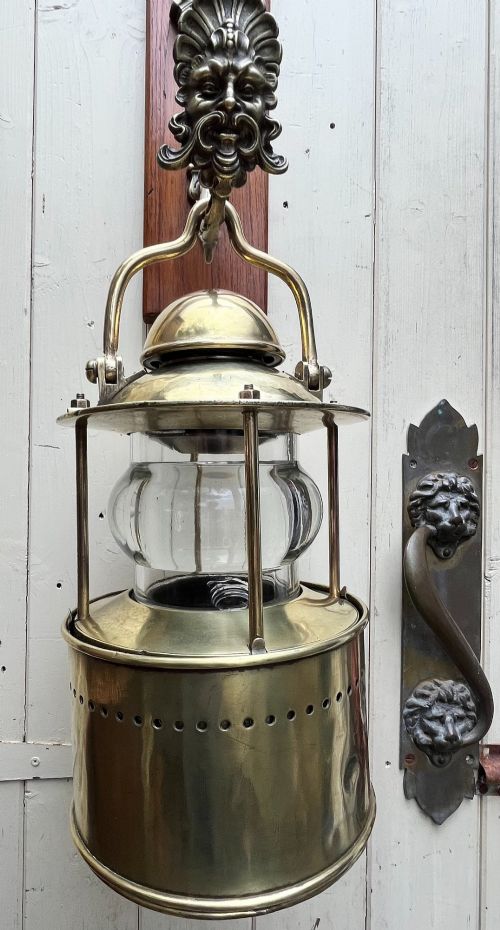
The selection ranges from utilitarian brass wall brackets to elaborate Gothic revival and Aesthetic Movement designs bearing detailed ornamentation. Alongside dedicated wall lights, the wider grouping includes candle sconces attached to mirrors, girandoles, and coach-style lamps adapted for interior placement. Most pieces date from the Victorian era proper, though related examples extend into the Edwardian years and the early twentieth century.
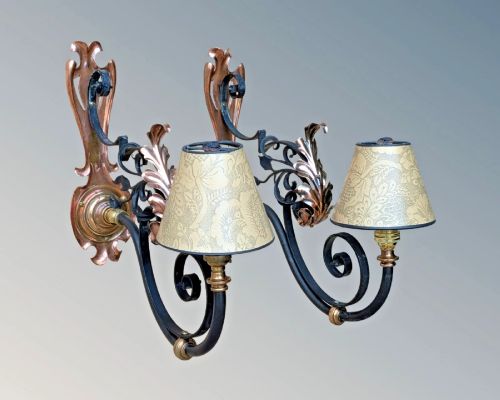
Makers and designers of the period applied diverse stylistic influences to these metal objects, drawing on Rococo revival curves, Neoclassical symmetry, and Arts and Crafts simplicity. Buyers frequently find brass combined with secondary materials like copper, cast iron, or ceramic inserts to create contrasting textures. The surviving items demonstrate how domestic and ecclesiastical lighting evolved during an era of rapid industrial and artistic change.
How they were made
Foundry workers shaped the primary structure of these items using cast brass, bronze, or ormolu, often working molten metal into intricate moulds to achieve high relief and decorative detail. Smiths also employed wrought iron and copper elements in Arts and Crafts pieces, hammering and joining components by hand. Surface patination, gilding, or polishing completed the metalwork, protecting the base alloy while determining the final visual sheen.
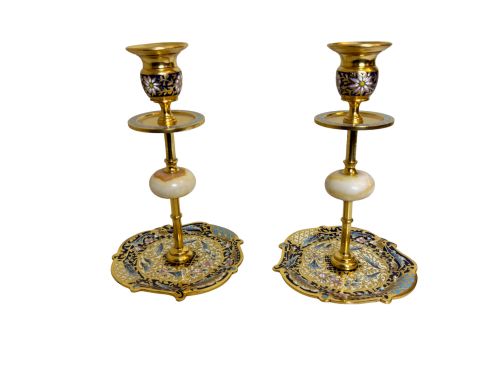
Makers integrated reflective elements by setting bevelled mirror glass into brass or mahogany frames to amplify the flickering light of candles or early gas burners. Decorative highlights frequently involved champlevé enamel, onyx, or ceramic components fitted directly into the metal armature. These varied techniques ensured that each wall light functioned as both a durable utility and a decorative work of art.
Victorian Brass Sconces Retail Price Guide 2026
Typical asking prices for victorian brass sconces among the pieces listed under this phrase on Sellingantiques today, from the lower quarter to the upper quarter. They describe what is for sale here now, not the wider market.
Design styles span Victorian, Gothic Revival, Edwardian, Aesthetic Movement, Rococo Revival, Arts and Crafts, Neoclassical, and Art Nouveau.
What varies in quality
The degree of hand-finishing in the casting and chasing separates standard production wall lights from exceptional studio examples. Finer pieces display crisp, deep relief work in the foliage, figures, or geometric patterns, whereas simpler items rely on shallow, machine-smoothed surfaces. The weight of the metal and the solidity of the joints also indicate the level of care invested by the original foundry.
W.A.S. Benson·Bruce Talbert·Gillows·Liberty
The Victorian Brass Sconces Glossary
- Girandole
- A decorative wall bracket carrying candles or lights, frequently featuring an attached mirror to multiply the illumination. These pieces often display ornate frames carved from wood or cast in brass and gilt bronze.
- Ormolu
- Finely ground high-carat gold applied to a bronze base object through a mercury amalgam technique, popular in luxury decorative arts. It provides a bright, durable golden finish that resists tarnishing over time.
- Aesthetic Movement
- A late nineteenth-century design style emphasising art for art's sake, drawing inspiration from Japanese motifs and organic forms. Pieces from this period reject heavy Victorian clutter in favour of linear elegance and stylised nature.
- Champlevé
- An enamelling technique where troughs or cells are sunk into the surface of a metal object and filled with vitreous paste before firing. This method creates colourful, patterned designs across candlesticks and wall brackets.
- Gasolier
- A multi-branched ceiling or wall fixture designed specifically to burn coal gas for illumination before the widespread adoption of electricity. Surviving examples often retain specialist valves and heavy brass tubing.
Victorian Brass Sconces: Frequently Asked Questions
How do I mount an old wall sconce safely?
Most heavier metal sconces require secure fixing into solid masonry or wall studs using appropriate steel screws and rawlplugs. Given the age of the brass and the original mounting holes, professional installation ensures the weight is supported properly.
For wired electric conversions, a qualified electrician should inspect the internal cabling and connect the fitting to a certified wall junction box. This preserves the structural integrity of the antique while meeting modern safety standards.
Can these antique lights be wired for electricity?
Many candle sconces and gasoliers can be adapted for modern electrical wiring by running slim flex through the existing central channels or backplates. Skilled restorers perform this conversion without drilling new holes into the visible exterior of the metal.
Retaining the original candle-sleeve appearance allows the piece to maintain its historic aesthetic while providing functional illumination in a modern home. Unaltered examples intended solely for candles should be kept in their original operational state.
How should I clean antique brass sconces?
Gentle dusting with a soft, dry microfibre cloth removes everyday debris without disturbing the stable patination built up over decades. Avoid harsh chemical polishes that strip away the historical surface character and leave an overly bright, unnatural shine.
If the metal requires deeper cleaning to remove active grime, warm water with a mild soap solution applied on a damp cloth is safest. Dry the piece thoroughly immediately afterwards to prevent water spotting on the brass.
What is the difference between brass and ormolu?
Brass is an alloy composed primarily of copper and zinc, valued for its durability, workability, and warm golden hue across numerous domestic items. It forms the structural base for the vast majority of nineteenth-century wall lights and candlesticks.
Ormolu refers specifically to gilded bronze where a layer of gold is bonded to a bronze substrate, creating a richer and more reflective surface. Found on high-end decorative brackets, ormolu has a distinct lustre that differs from standard polished brass.