


Victorian Brass Inlaid Box
When you handle a victorian brass inlaid box, you touch a piece of nineteenth-century craftsmanship designed to keep correspondence or valuables secure.
Victorian Brass Inlaid Box
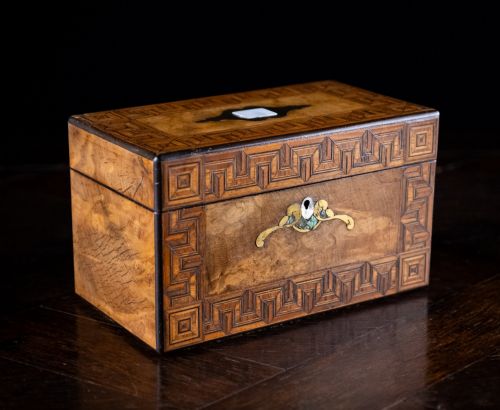
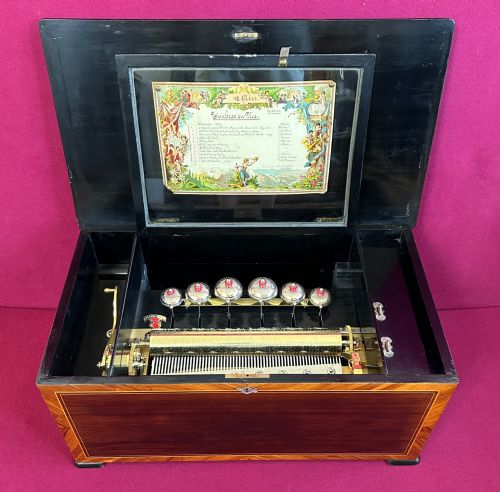
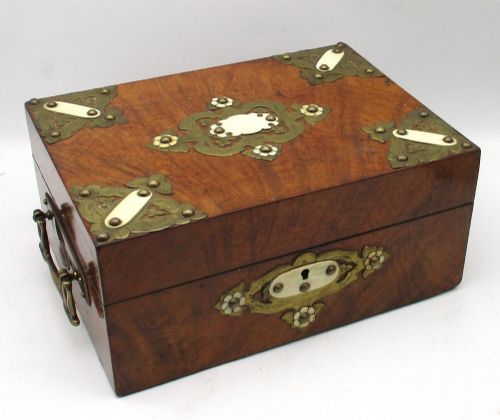
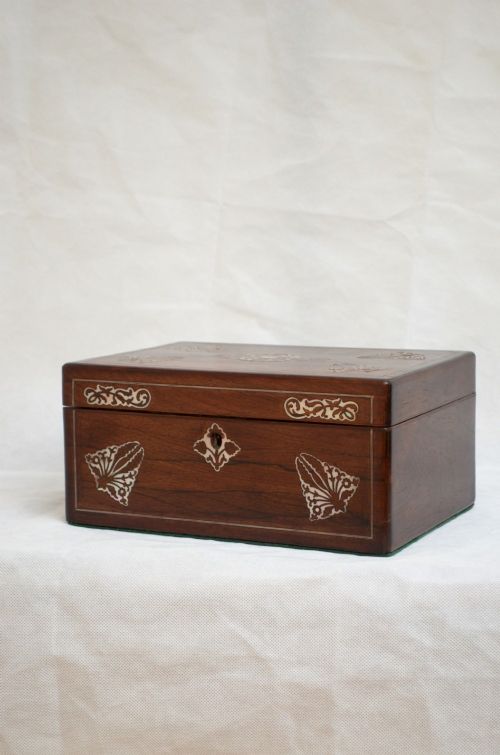
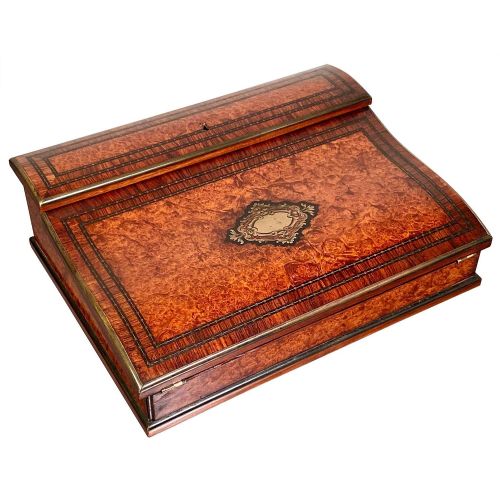
A victorian brass inlaid box comprises various utilitarian and decorative containers produced during the nineteenth century, most frequently encountered as writing slopes, jewellery boxes, and tea caddies. Makers fashioned these vessels to serve specific domestic functions while displaying ornamental metalwork on their lids and facades.
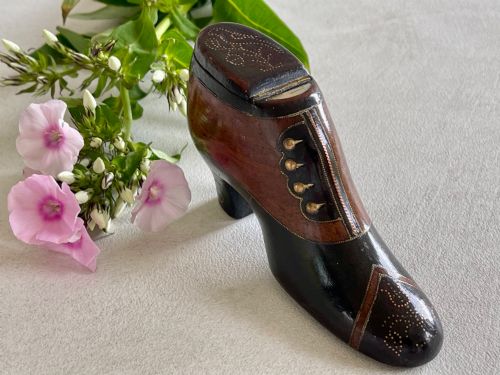
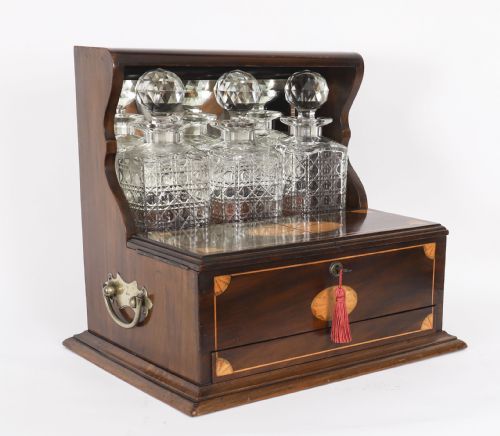
The specimens seen here span the Victorian period alongside Regency, Georgian, and Napoleon III styles, reflecting changing tastes in surface decoration. Writing boxes and slopes dominate the selection, often incorporating fitted interiors and secret drawers intended for private documents.
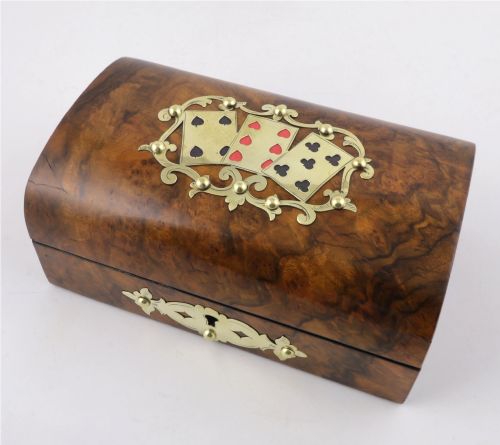
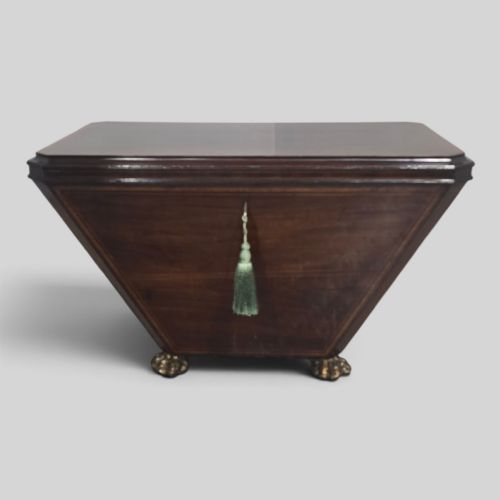
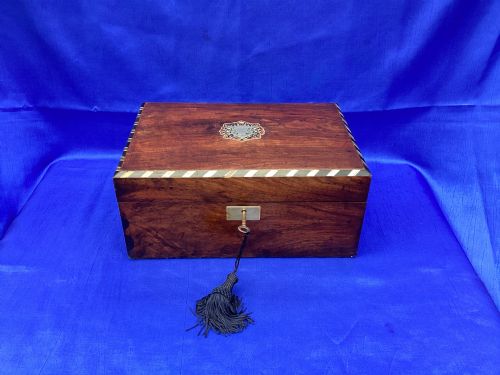
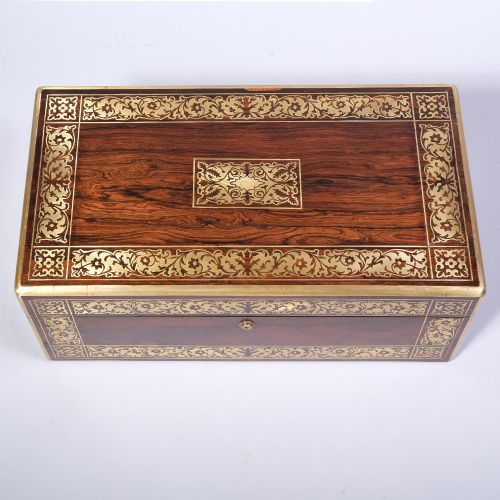
Cabinet makers also utilised rosewood, burr walnut, and mahogany as primary carcasses, setting brass inlay and banding into the timber grain. Buyers regularly find smaller trinket containers alongside substantial document boxes originating from English and French workshops.
How they were made
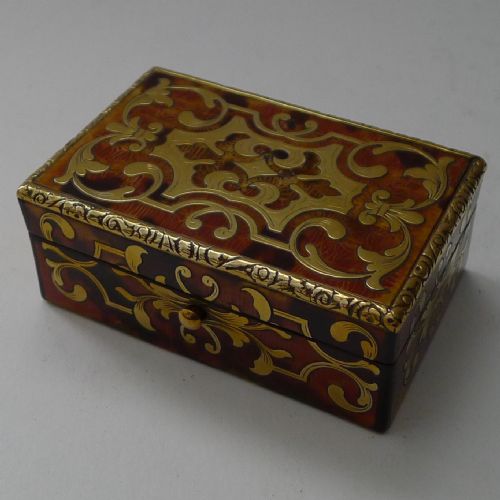
Craftsmen built these containers using dense hardwoods such as rosewood, mahogany, and walnut, frequently applying burr walnut or tortoiseshell veneers to the exterior surfaces. Carpenters cut precise channels into the timber to receive sheet brass, mother-of-pearl, and parquetry elements.
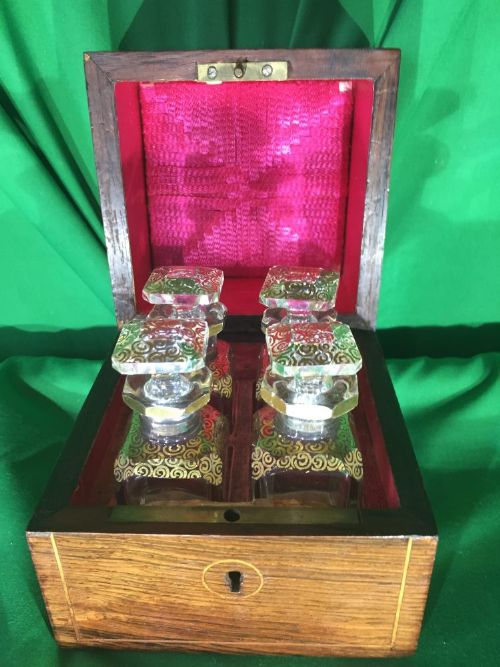
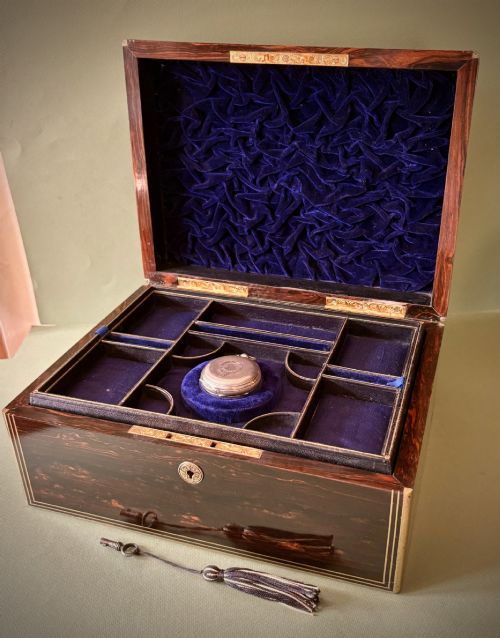
Makers integrated structural hardware including brass bound edges, campaign corners, and Bramah locks to reinforce the box construction against heavy daily use. Interior compartments utilised secondary softwoods and velvet or silk linings to cushion stationery, writing instruments, and jewellery.
Some nineteenth-century gentlemen hid their poker dice games inside otherwise respectable walnut card boxes.
What varies in quality
The precision of the brass inlay reveals the competence of the workshop, distinguishing sharp, tight brass fitting from crude, heavily filled gaps in the surrounding wood. Finer examples display meticulous attention to grain alignment and complex parquetry patterns across the entire lid.
Internal complexity separates standard utility items from luxury pieces, with superior boxes featuring fully fitted stationery compartments, concealed secret drawers, and branded locks by makers such as Bramah. The choice of exotic timber veneers like coromandel or amboyna generally indicates a higher tier of production.
Edwards and Roberts·H Mitchell
The Victorian Brass Inlaid Box Glossary
- Writing slope
- A portable slant-topped desk hinged to fold flat, containing compartments for paper, pens, and inkwells. These boxes allowed nineteenth-century writers to maintain correspondence while travelling.
- Bramah lock
- A high-security barrel lock patented by Joseph Bramah in the late eighteenth century. These mechanisms were fitted to secure valuable documents in high-status boxes.
- Boulle
- A form of marquetry utilising brass and tortoiseshell developed in seventeenth-century France and revived during the Napoleon III era. This decorative technique creates intricate metallic patterns against a dark ground.
- Tea caddy
- A container designed to store loose tea leaves securely under lock and key. Victorian versions frequently incorporated interior mixing bowls or multiple internal canisters.
- Campaign box
- A sturdy portable chest or slope reinforced with brass corners and flush handles. Officers and travellers utilised these heavy-duty pieces during military deployment.
- Parquetry
- A geometric mosaic of wood veneers laid down in repeating patterns on a box lid. This technique highlights the natural variation of timber grains.
Victorian Brass Inlaid Box: Frequently Asked Questions
What was a writing slope used for?
A writing slope served as a portable desk for penning letters, storing stationery, and keeping personal documents secure. The hinged lid folded down to create a sloping writing surface lined with leather or velvet.
Inside, compartments held inkwells, nibs, and postage stamps. Wealthy travellers and home writers relied on these boxes before the widespread adoption of fitted stationary furniture.
How do I identify a Victorian box?
Victorian boxes typically display nineteenth-century timber choices like rosewood, mahogany, and burr walnut combined with brass inlay. Hardware such as escutcheons and flush campaign handles point directly to this manufacturing era.
Examination of the interior construction, lining materials, and lock types helps confirm the nineteenth-century production period.
What are secret drawers?
Secret drawers are hidden compartments built into the interior carcass of writing slopes and jewellery boxes. Cabinet makers concealed these spaces behind removable panels or false drawer bottoms.
Owners used them to store currency, private letters, or small valuables out of sight from casual observers.
How do I care for rosewood and walnut?
Rosewood and walnut boxes require stable room environments away from direct sunlight and severe humidity changes. Keeping the timber away from heat sources prevents the wood from drying out and cracking.
Occasional light dusting and minimal waxing maintain the traditional patina of the polished wood and brass inlay.