
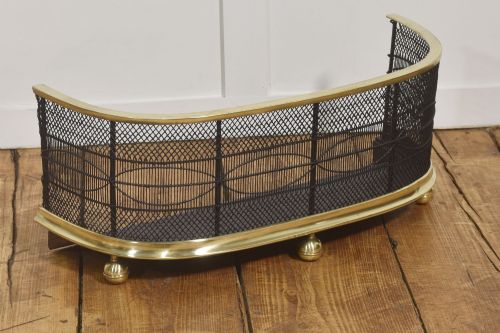
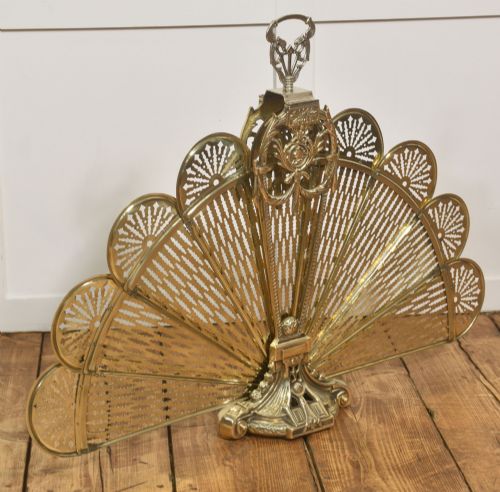
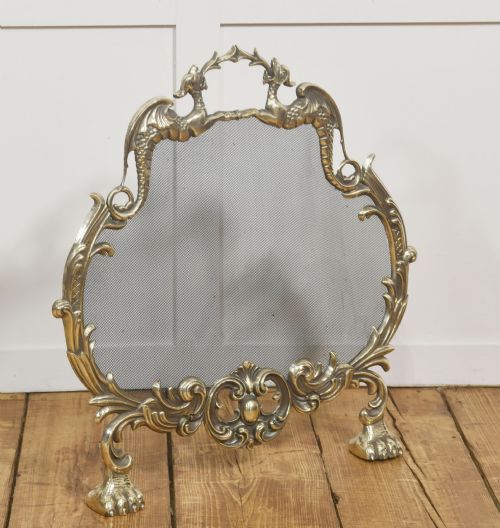
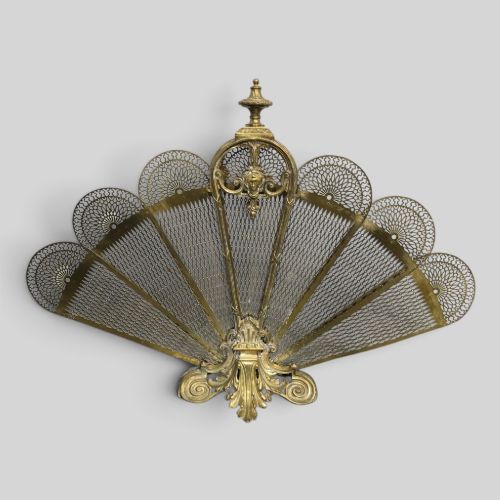

Victorian Brass Hearth Guard
A Victorian brass hearth guard protects the room from escaping embers while anchoring the fireplace with bright metalwork.
Victorian brass hearth guard types
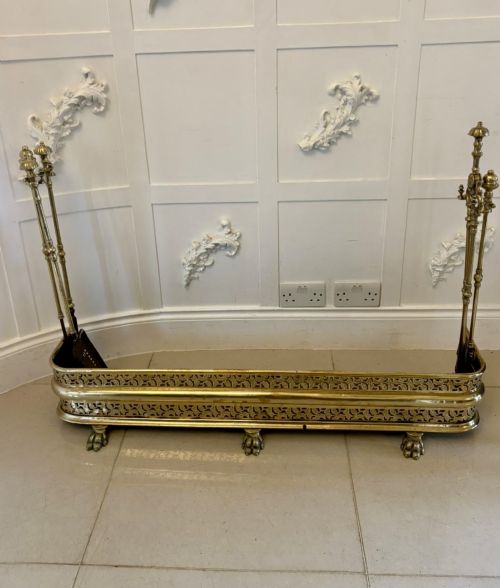
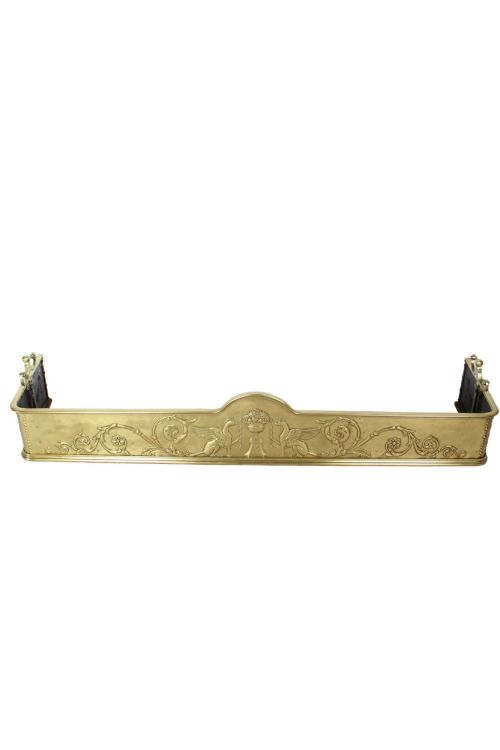
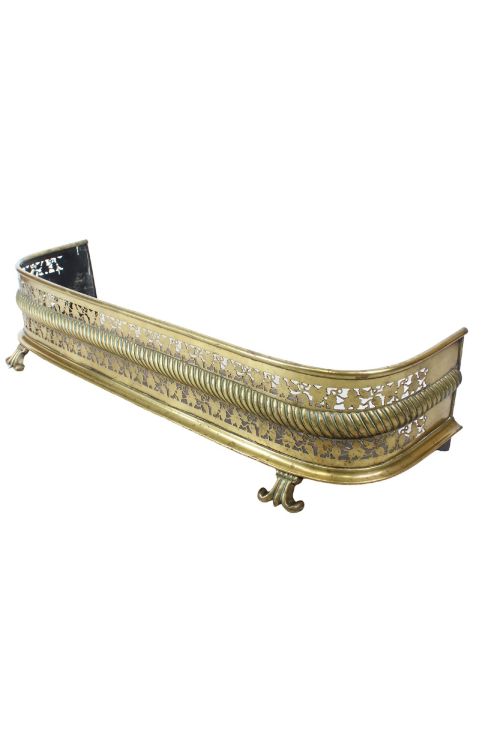
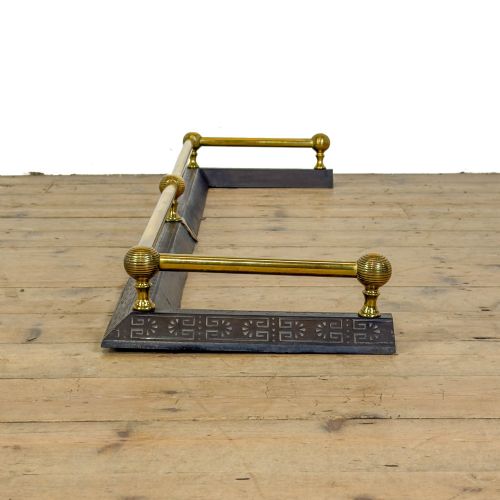
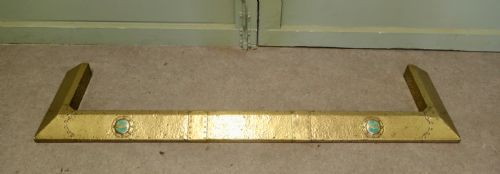
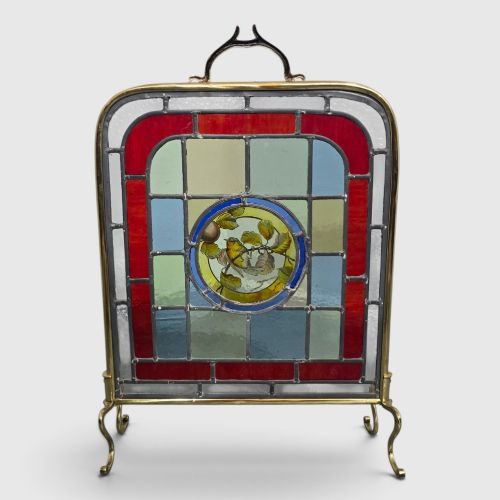
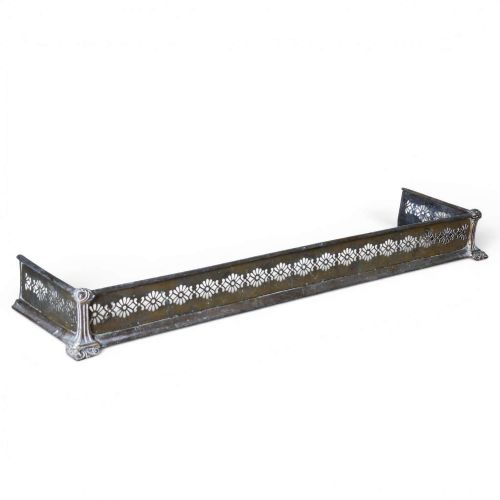
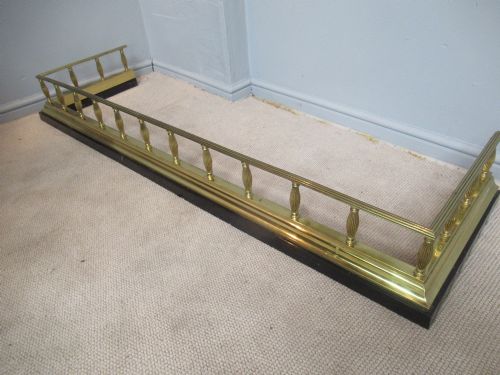
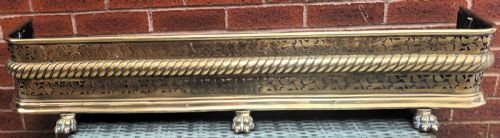
Buyers seeking a victorian brass hearth guard encounter heavy extending fenders, pierced kerbs, and nursery guards topped with brass rails. These fireplace accessories span the nineteenth century, including specific dates such as eighteen-eighty and eighteen-ninety.
The selection ranges from simple extending brass rails to more elaborate combinations involving copper or cast iron elements. Most examples serve to contain stray coals while defining the boundary of the hearth.
Construction and materials
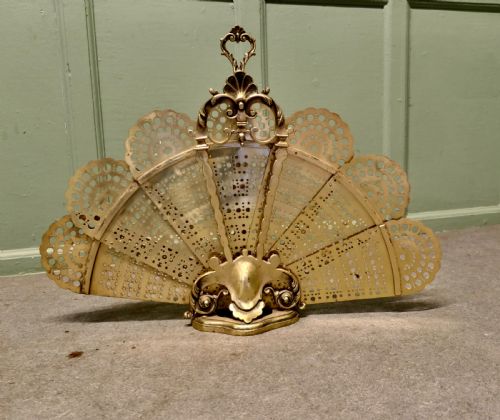
Pieces combine brass with iron, steel, wire mesh, and copper to balance decorative warmth with structural weight. Pierced brass work requires careful punching and cutting of sheet metal.
Extending designs utilise sliding components that allow the frame to fit various fireplace widths. Heavy cast iron and steel provide internal rigidity beneath the visible brass surfaces.
Retail Price Guide 2026
Typical UK retail prices for victorian brass hearth guard, calculated from the Sellingantiques database of over a million retail prices indexed since 2003. This retail price guide relies exclusively on Sellingantiques data; no external sources or auction records are used, so the figures do not describe the wider market.
Listings feature items from the Victorian period, including specific dates from eighteen-eighty to eighteen-ninety alongside nineteenth-century examples.
Assessing quality and finish
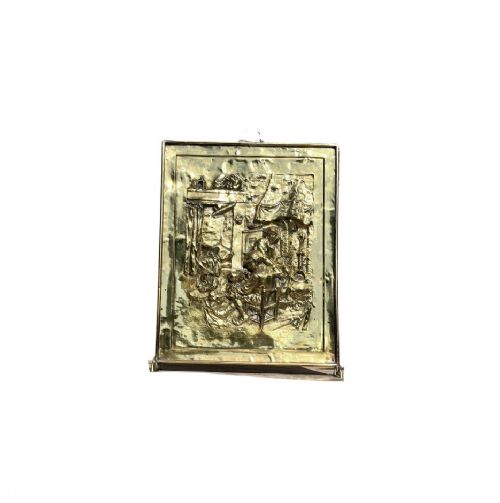
Quality rests in the thickness of the metal and the crispness of any pierced or repoussé decoration. Flimser examples lack the substantial weight found in better nineteenth-century work.
The sophistication of the joinery and the integration of secondary metals like copper distinguish standard production from superior items. Fenders with robust extending mechanisms demonstrate careful historical manufacturing.
The Victorian Brass Hearth Guard Glossary
- Kerb
- A low barrier placed around a hearth to contain ash and embers. It often matches the fenders and fire irons in the room.
- Nursery guard
- A tall protective screen designed to prevent children and pets from getting too close to an open fire. These frequently feature wire mesh and a sturdy brass top rail.
- Extending fender
- A fireplace accessory made with overlapping sections that adjust to fit different hearth dimensions. This design allows for a custom fit against various fireplace openings.
- Pierced brass
- Sheet metal decorated by cutting or punching patterns through the surface. This technique creates intricate ornamental designs while keeping the weight manageable.
Frequently Asked Questions
What is a hearth guard used for?
A hearth guard contains sparks and rolling logs to protect flooring and rugs from fire damage.
They also establish a physical boundary around active nineteenth-century fireplaces for safety.
How do extending fenders work?
Extending fenders consist of sliding metal sections that pull apart to match specific hearth widths.
This adjustable design accommodates different fireplace dimensions without requiring custom manufacture.
What materials are used in these guards?
Construction primarily involves brass combined with iron, steel, and copper for structural support.
Some nursery variants incorporate wire mesh panels to catch smaller embers effectively.
How do I date a Victorian fender?
Dating relies on stylistic clues, construction methods, and period-specific materials recorded in nineteenth-century examples.
Specific dates like eighteen-eighty and eighteen-ninety appear in documented pieces from the era.