

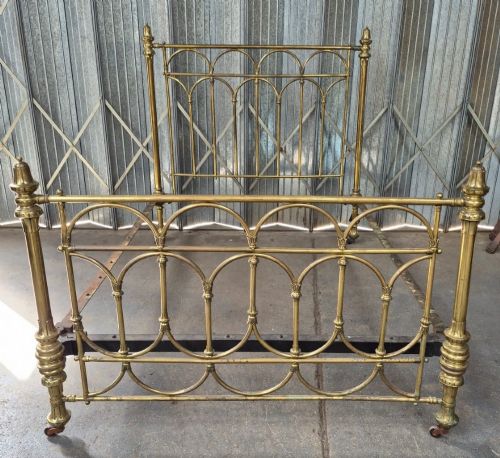


Victorian Brass Headboard Footboard
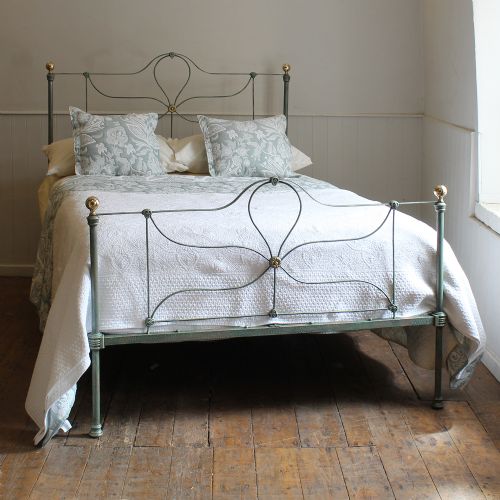
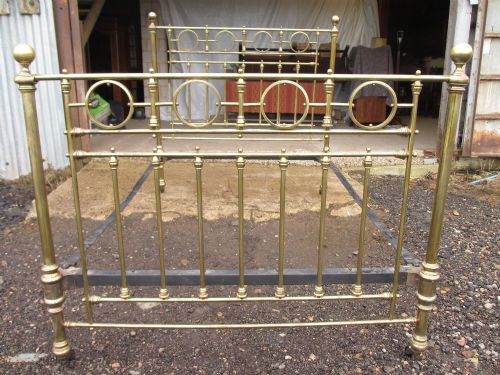
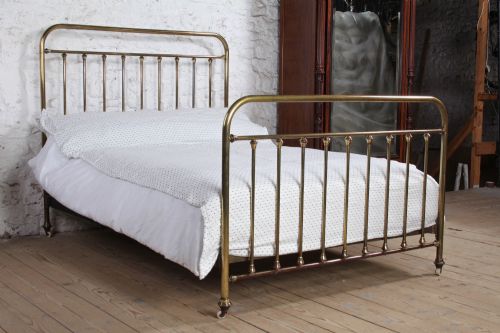
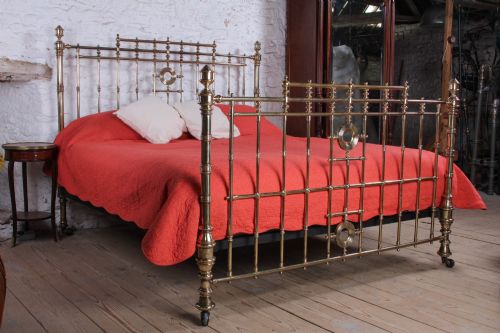
These Victorian brass headboard footboard sets bring substantial period presence into a bedroom, offering heavy cast and tubular metal frames built to last.
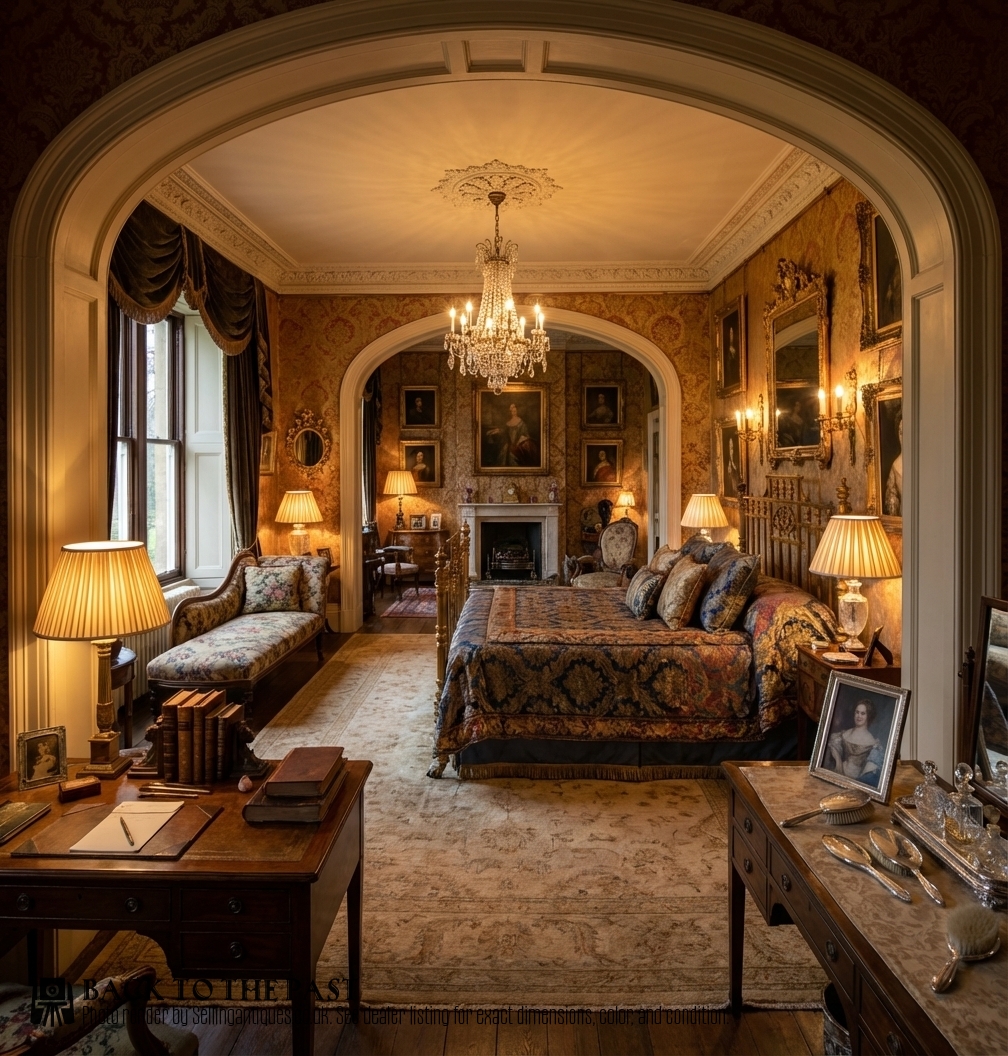
Victorian Brass Headboard Footboard
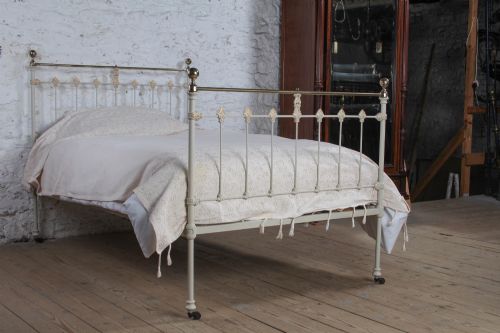
When you search for a victorian brass headboard footboard, you encounter robust bedsteads combining metal head and foot assemblies with side irons. These pieces span the nineteenth century into the early twentieth century, taking forms from double size up to super king.
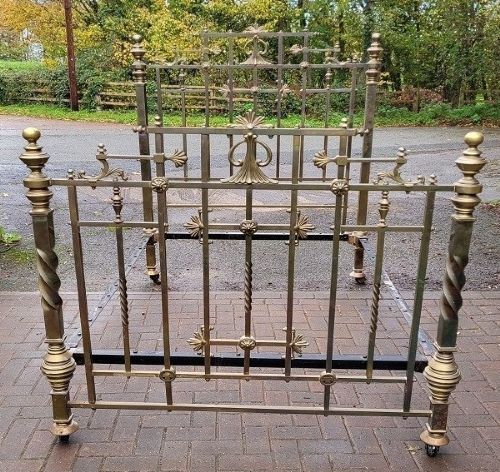
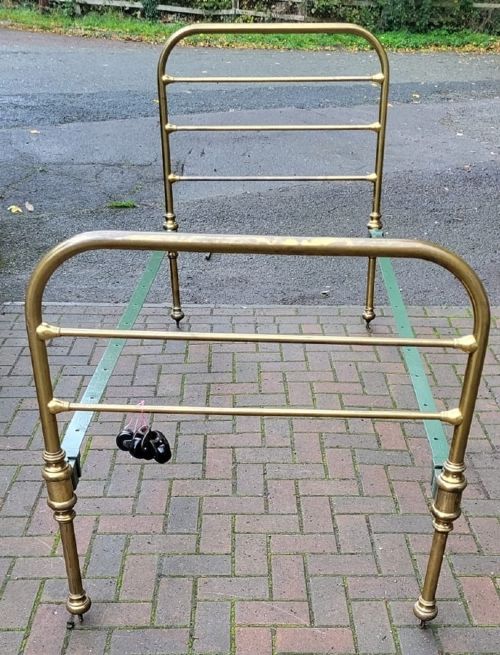
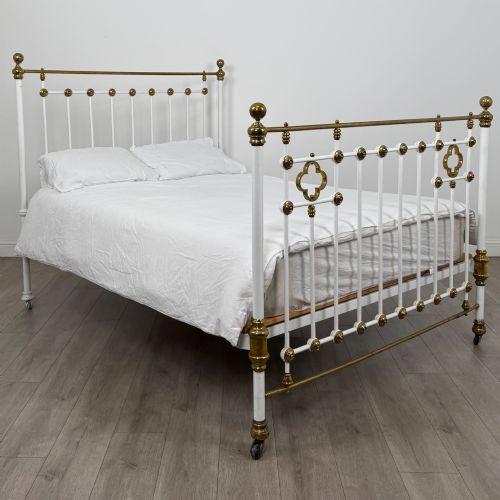
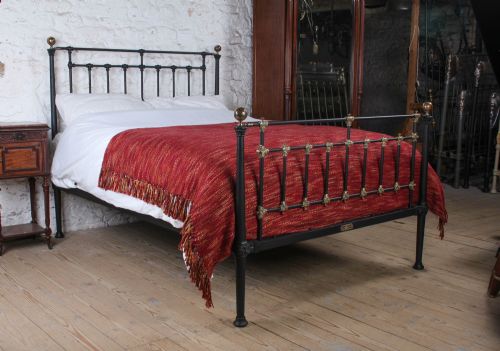
The most common examples on this page are double and king size bedsteads constructed from brass tubing paired with iron frames. Many retain their original castors and slot-in side rails designed to support modern mattresses with appropriate modern slats or bases.
How they were made
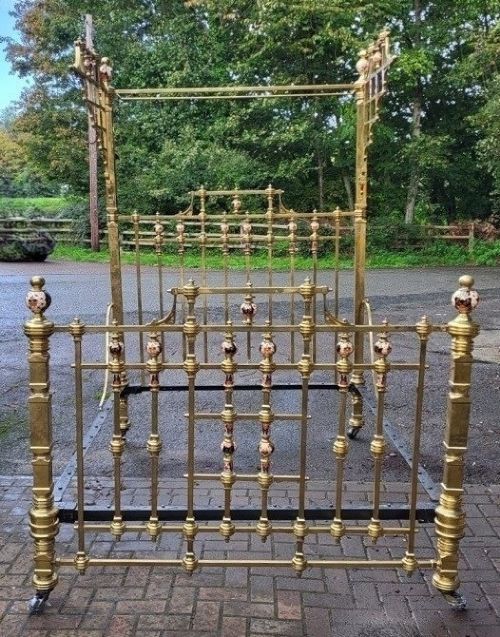
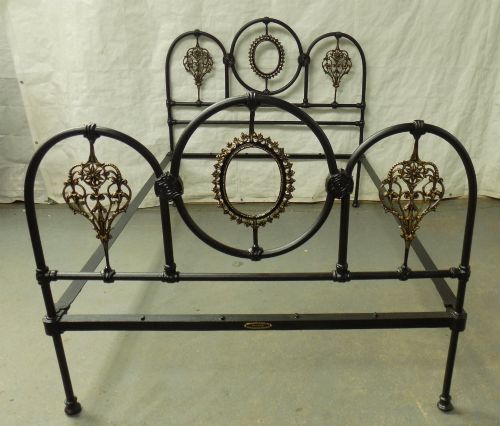
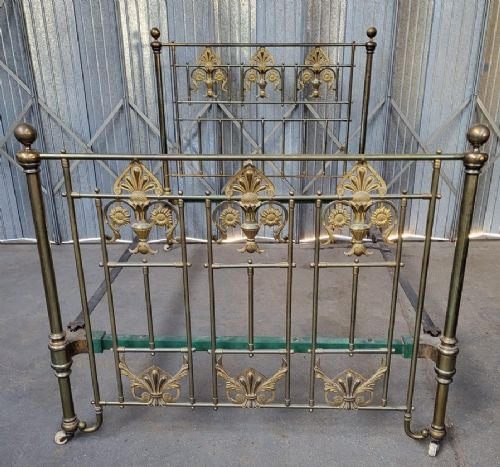
Manufacturers built these bedsteads using heavy brass components combined with cast iron and wrought iron structural elements. Metal tubes formed the main posts and rails, often joined by decorative cast brass collars and detailed finials.
Makers integrated ceramic elements or painted iron finishes alongside polished brass surfaces. Frames relied on interlocking slot-in iron side rails to secure the headboard and footboard together firmly.
Several beds include integrated castors that made moving a heavy metal bedstead across the floor surprisingly easy for Victorian housemaids.
What varies in quality
The distinction between standard production pieces and exhibition quality work lies in the weight of the metal and the crispness of the castings. Heavier gauge brass tubing and deeply chased decorative details indicate superior workshops.
Completeness and originality dictate the character of each piece. Surviving castors, original makers' stamps, and intact ceramic or brass mounts distinguish the better examples from altered frames.
Maple & Co·RW Winfield·James Shoolbread & Co
The Victorian Brass Headboard Footboard Glossary
- Bedstead
- A framework of a bed upon which the mattress rests. These typically comprise a matching headboard and footboard connected by side rails.
- Half Tester
- A bed featuring a partial canopy extending from the headboard over the pillow area. This style creates a pronounced vertical focal point in a room.
- No End Bed
- A bedstead featuring a pronounced headboard but lacking a high footboard. This configuration suits modern bedrooms where space at the foot of the bed is limited.
- Castor
- A small wheel mounted in a swivel frame attached to the legs of the bed. They allowed heavy nineteenth-century metal beds to be moved across floors for cleaning.
Victorian Brass Headboard Footboard: Frequently Asked Questions
Will a standard mattress fit these beds?
Many nineteenth-century frames vary slightly from modern standard sizing. Careful measurement of the side rails and interior width ensures a proper fit for contemporary mattresses.
Adapting modern slats or utilising a custom base often resolves discrepancies between historic dimensions and modern bedding standards.
How do I assemble these bedsteads?
Most frames use a traditional slot-in iron rail system that wedges securely into sockets on the headboard and footboard posts. Gravity and the weight of the mattress lock the joints firmly in place.
Assembly typically requires two people to align the heavy metal components without damaging the brass or iron surfaces.
How should I clean the brass?
Dusting with a soft dry cloth preserves the aged patina that accumulates over decades of use. Avoid aggressive chemical polishes unless you prefer a bright, uniform shine.
Gentle cleaning maintains the historic character and protects the protective lacquers or natural oxidation layers on the metal.
Are these frames sturdy enough for daily use?
Constructed from heavy iron and brass, these beds were engineered to withstand decades of heavy household use. The robust metal fabrication offers exceptional structural stability.
Checking that all joints and castors remain secure ensures the bed performs reliably as a primary piece of bedroom furniture.