



Victorian Brass Handle Pan
These Victorian brass handle pan items bring genuine nineteenth-century utility into modern rooms through robust copper and brass construction.
Victorian Brass Handle Pan
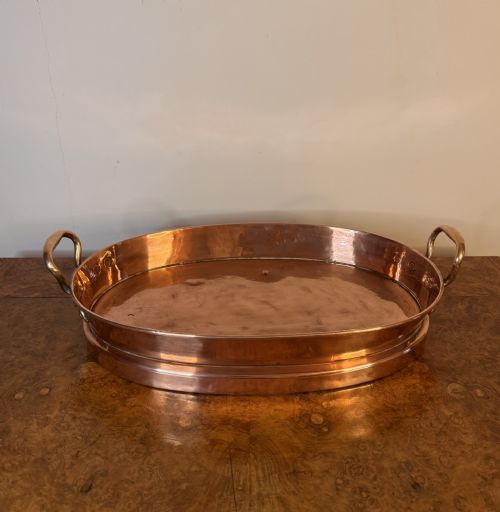
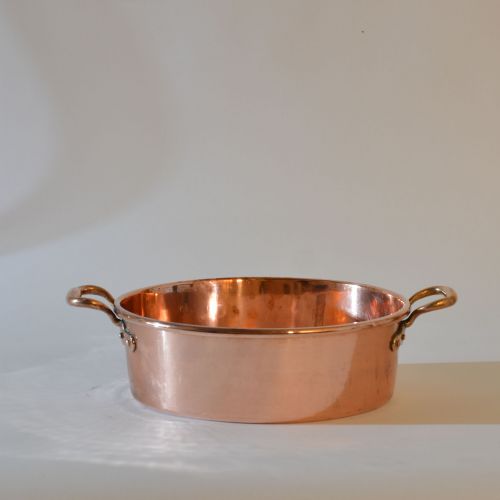
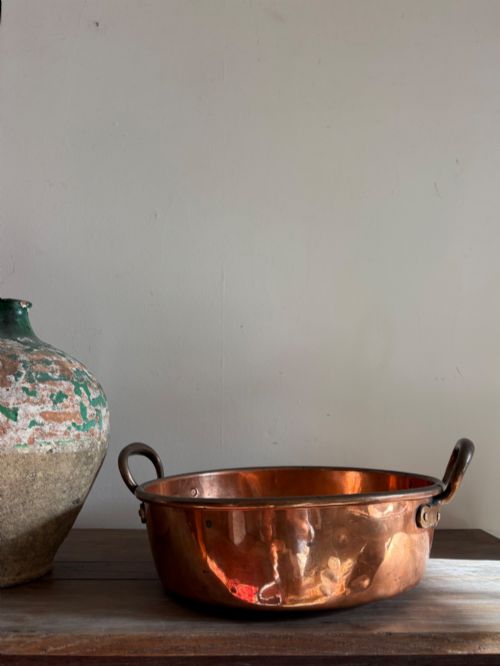
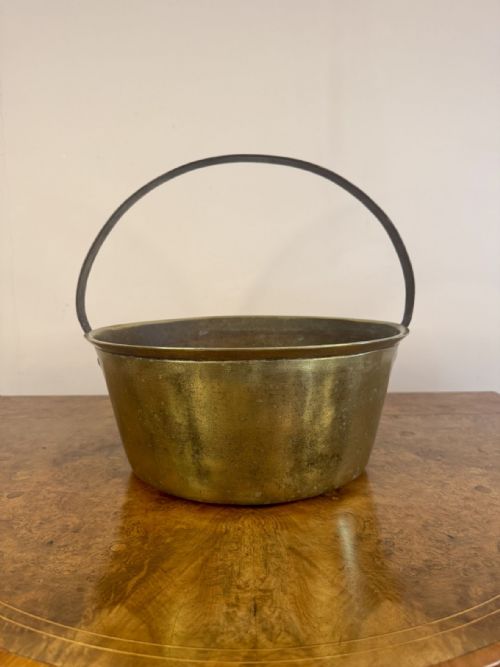
A victorian brass handle pan encompasses nineteenth-century kitchenalia and hearth accessories, featuring preserving pans, jam pales, and chestnut roasters. These utilitarian vessels were built for heavy domestic duties over open fires and stoves.
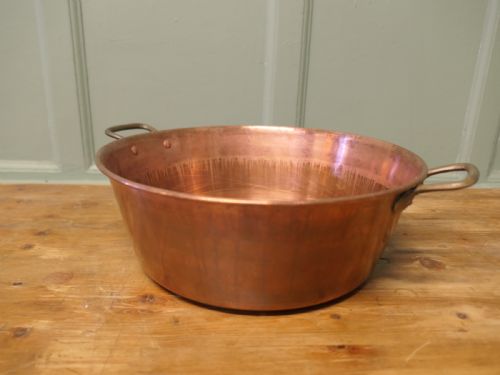
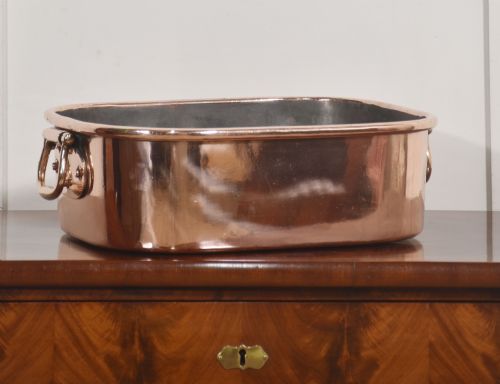
The versions most commonly met on this page combine copper bodies with secure brass handles, often secured by visible rivets. Forms range from large double-handled preserving pans down to smaller swing-handled cauldrons and saucepans.
Originating in the Victorian period, these items bridge kitchen utility and rustic farmhouse style. Buyers choose them to ground contemporary spaces with genuine period materiality.
How they were made
Makers formed the primary bodies of these vessels from beaten copper or heavy brass sheets. Iron and wrought iron frequently appear on handles or fittings to provide structural strength where heat is greatest.
Handles and mounts were cast in brass and attached to the main vessel using sturdy rivets. Wood components sometimes supplemented handles on specific items like chestnut roasters to insulate against heat.
Victorian Brass Handle Pan Retail Price Guide 2026
Typical asking prices for victorian brass handle pan among the pieces listed under this phrase on Sellingantiques today, from the lower quarter to the upper quarter. They describe what is for sale here now, not the wider market.
Chestnut roasters brought indoor entertainment to winter hearths, letting Victorian households roast evening snacks directly over the drawing-room coals.
What varies in quality
The heft of the metal sets the better examples apart from lighter domestic pieces. Substantial weight in the copper body and solid cast brass handles indicate commercial or large-household grade production rather than thin decorative output.
The integrity of the construction and the clean placement of rivets show the maker's hand. Well-formed spouts, balanced swing handles, and honest wear from actual use distinguish superior surviving vessels.
The Victorian Brass Handle Pan Glossary
- Preserving pan
- A large open vessel designed for boiling fruit and sugar, typically fashioned from copper with sturdy side handles. These pans feature wide mouths to encourage rapid evaporation during jam making.
- Jam pale
- A deep container intended for confectionery and preserve preparation over a direct heat source. They usually incorporate heavy brass construction and sturdy bail handles.
- Chestnut roaster
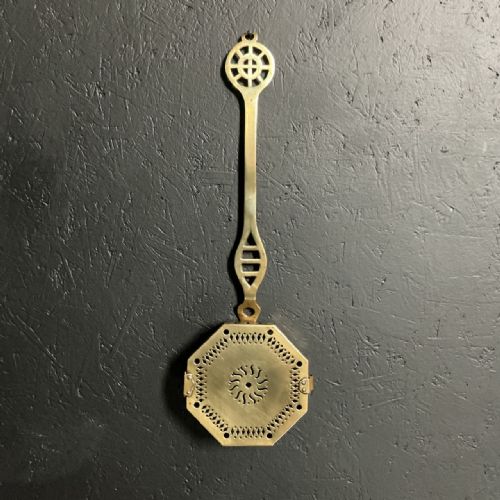
- A long-handled utensil featuring a lidded pan designed for roasting nuts over hearth coals. The extended handle kept the user safely away from open flames.
- Cauldron
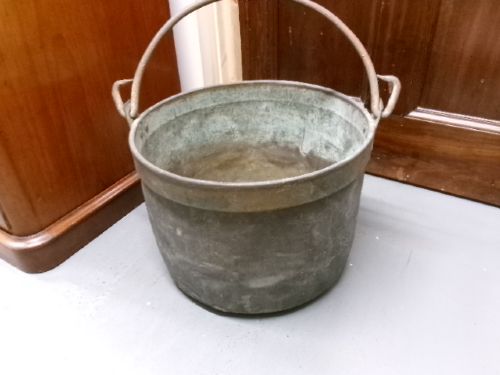
- A round-bottomed cooking pot equipped with a swing handle for hanging over a fire or resting on hearth feet. These vessels were fundamental to nineteenth-century open-fire cooking.
- Kitchenalia
- Domestic utensils and culinary equipment from earlier eras collected for display or functional use. This category spans everything from saucepans to preserving pans.
Victorian Brass Handle Pan: Frequently Asked Questions
How were these pans used originally?
These vessels served demanding daily roles in nineteenth-century kitchens, from boiling fruit preserves and jams to heating milk and roasting chestnuts over open hearths.
Their robust metal construction allowed them to withstand direct contact with coal fires and stove rings over many years of domestic service.
Are these old pans safe for cooking?
Most surviving period pieces display interior wear and historical tarnish that make them better suited for decorative display or dry storage.
Using them for modern cooking typically requires professional retinning of the interior copper surface to prevent direct metal contact with food.
How do I clean copper and brass?
Gentle washing with warm soapy water removes dust and surface grime without stripping the historical character or patina that collectors value.
Strong abrasive cleaners can scour the metal surface and remove the darkened highlights accumulated over the nineteenth century.
How can I date these items?
Dating relies on observing construction details such as hand-beaten hammering marks, cast brass fittings, and the type of rivets used to secure the handles.
Nineteenth-century examples frequently show individual craftsmanship in handle shaping and body assembly compared to later mass-produced kitchenware.