


Victorian Brass Fireplace Planter
A victorian brass fireplace planter brings warmth and functional metalwork into a fireside space, offering a robust vessel for fuel or foliage.
Victorian Brass Fireplace Planter
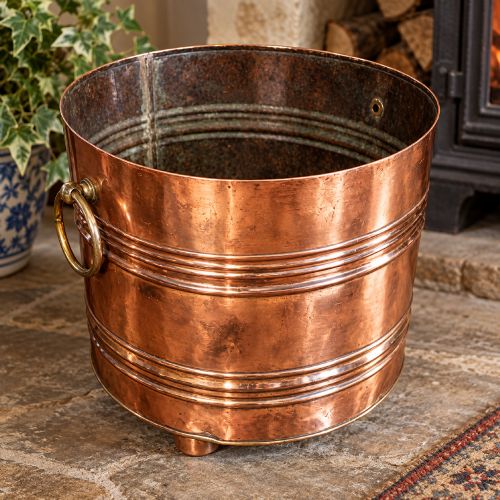
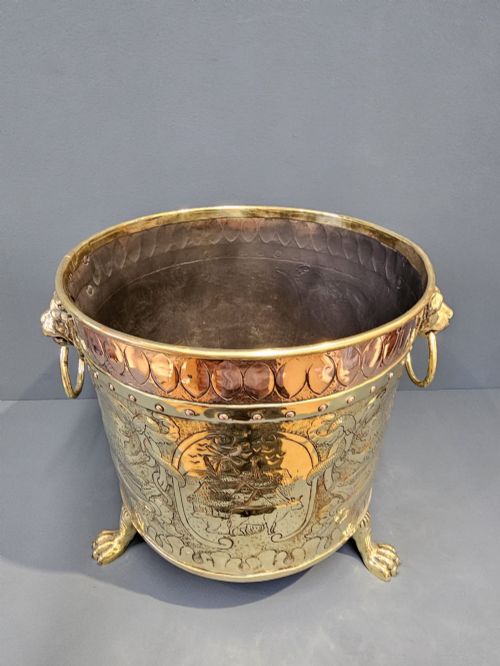
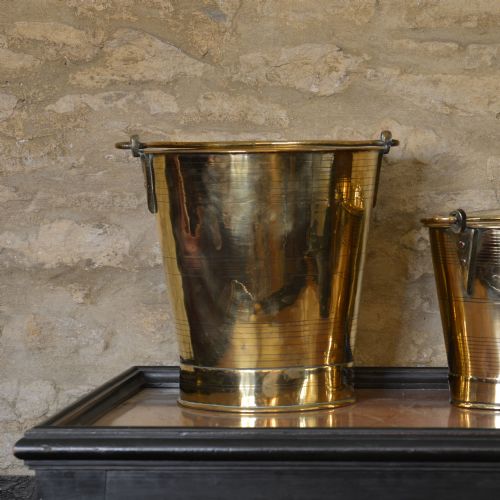
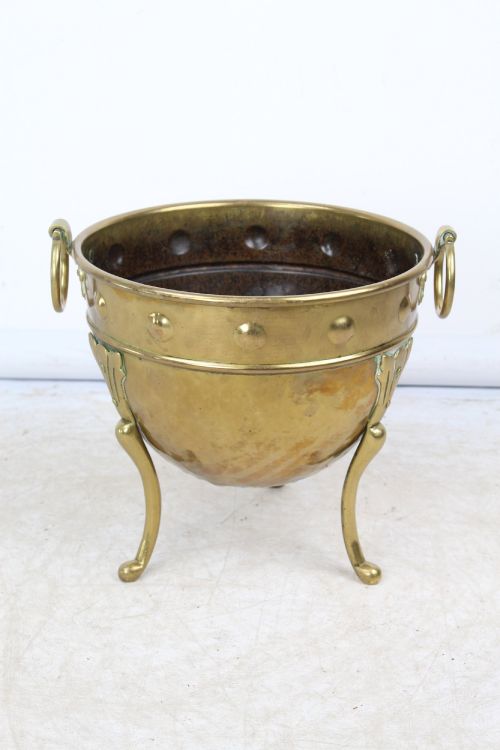
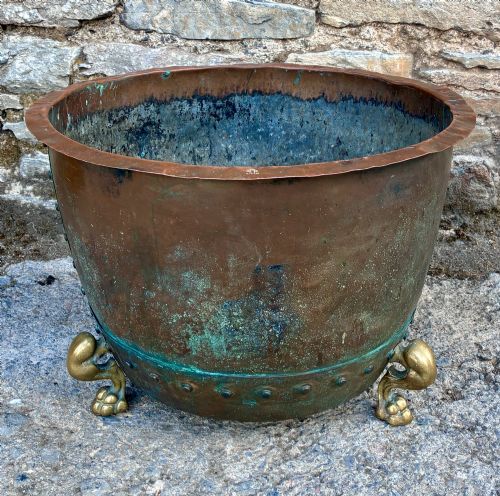
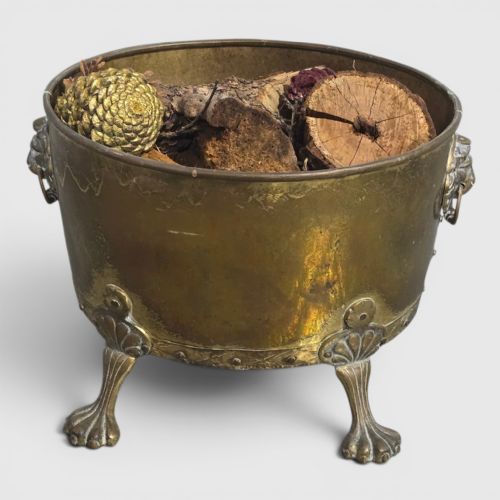
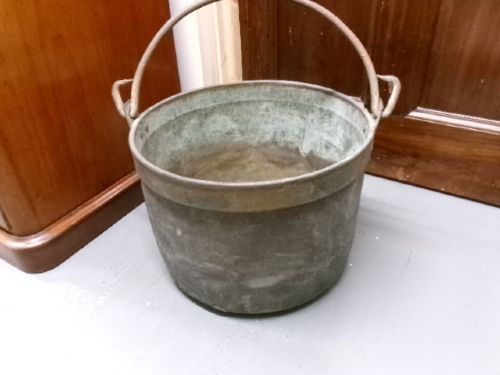
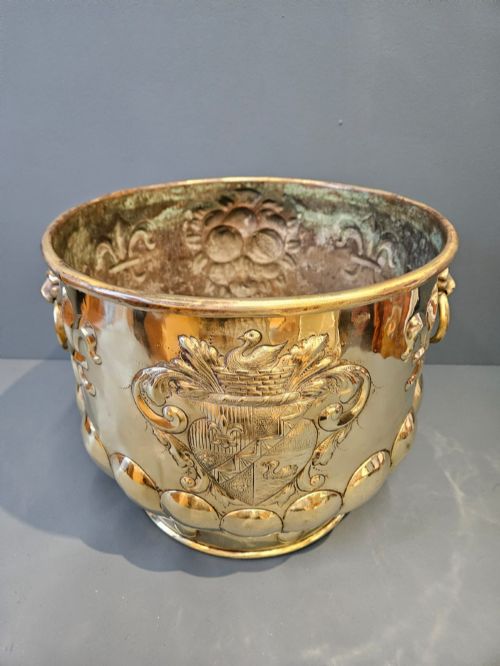
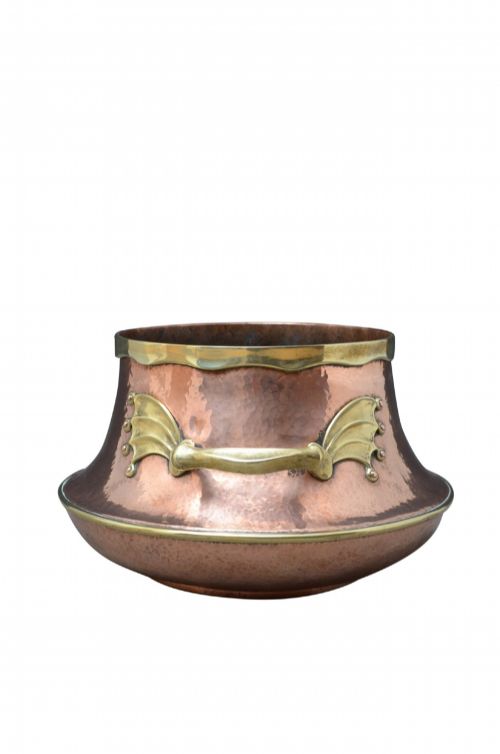
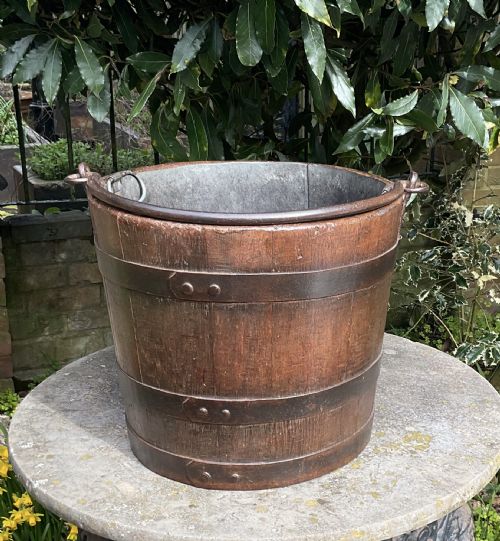
When you search for a victorian brass fireplace planter, you encounter a varied selection of vessels historically utilised around nineteenth-century hearths for holding coal, logs, peat, or plants. The examples on this page span the Victorian era, the wider nineteenth century, and the early twentieth century, taking forms such as log bins, coal buckets, cauldrons, jardinieres, and campaign buckets.
The predominant versions you meet combine brass with copper banding or feature entirely handbeaten copper bodies fitted with swing handles and riveted construction. Other pieces incorporate timber elements such as coopered oak or walnut with brass bands, alongside specific styles like Anglo-Indian, Arts and Crafts, and Victorian Dutch Revival.
These items served practical domestic roles beside the fireplace before finding new life as decorative planters or fireside storage containers. Their survival reflects the durable nature of nineteenth-century metalworking traditions and the enduring appeal of mixed-metal hearth accessories.
Materials and Construction Methods
The objects listed display a reliance on sheet brass and copper, frequently joined by hand-riveting to ensure strength for daily hearth duties. Makers utilised hammering techniques, embossing, and repoussé work to decorate the metal surfaces with crests, raised patterns, or distinctive surface textures.
Many items incorporate secondary materials including iron for internal frames, zinc liners, and sturdy woods like oak and walnut shaped through coopering with brass bands. Swing handles attached via reinforced lugs allow heavy vessels to be transported when filled with fuel or earth.
Design influences range from Anglo-Indian and Dutch Revival to Arts and Crafts styles.
Markers of Quality and Craftsmanship
Quality reveals itself in the weight of the metal, the crispness of embossed or hand-hammered detailing, and the integrity of riveted joints. Superior pieces exhibit careful hand-shaping and secure attachment of handles and feet, rather than hurried machine pressing.
The inclusion of maker marks, crests, or distinctive regional styles such as Anglo-Indian or Arts and Crafts production elevates an object beyond standard utility. The balance between brass body components and copper bands or iron swing handles also distinguishes ordinary domestic gear from finer decorative creations.
Henry Loveridge·Petrus Ramus
The Victorian Brass Fireplace Planter Glossary
- Jardinere
- An ornamental pot or stand for holding plants or flowers. These vessels often double as log or coal holders in nineteenth-century settings.
- Coopered
- Made by stave-assembly techniques typical of barrel and bucket construction. Wooden staves are bound together with metal bands.
- Repoussé
- A metalworking technique where the metal is hammered from the reverse side to form a raised design in relief on the front.
- Dinanderie
- Objects made of beaten brass or copper ware, named after the Belgian town of Dinant famous for medieval and later metalwork.
- Campaign bucket
- A portable vessel traditionally designed for travel and military use, fitted with robust handles for easy transport.
Victorian Brass Fireplace Planter: Frequently Asked Questions
What were brass fireplace planters originally used for?
These vessels served primarily as functional containers by the hearth for holding coal, logs, or peat to feed the fire.
Over time, many of these durable metal and wood pieces transitioned into decorative planters or cachepots for interior greenery.
How do I clean a Victorian brass vessel?
Careful dusting with a soft cloth preserves the historic surface and accumulated patina prized by collectors.
Avoid harsh chemical metal polishes that strip away age-related character and alter the original tone of the brass and copper.
Are these planters waterproof?
Many historic vessels were designed for dry fuel storage rather than holding water directly, and some require internal liners.
Checking for zinc liners or modern protective inserts prevents moisture from damaging the historic timber or metal bases.
How do I distinguish Arts and Crafts pieces?
Arts and Crafts examples emphasise visible hand-beaten textures, honest riveted construction, and simpler structural forms.
Such pieces reflect a late nineteenth-century movement valuing traditional craftsmanship over mass-produced factory ornamentation.