


Victorian Brass Decorative Accessories
These Victorian brass decorative accessories bring warmth and ornate utility to a room through heavy cast metals and intricate period styling.
Victorian Brass Decorative Accessories
Victorian brass decorative accessories encompass functional household items and purely ornamental objects produced primarily during the nineteenth century. Buyers encountering this selection will find a heavy emphasis on hearth equipment and writing desk furnishings alongside smaller mantel pieces.
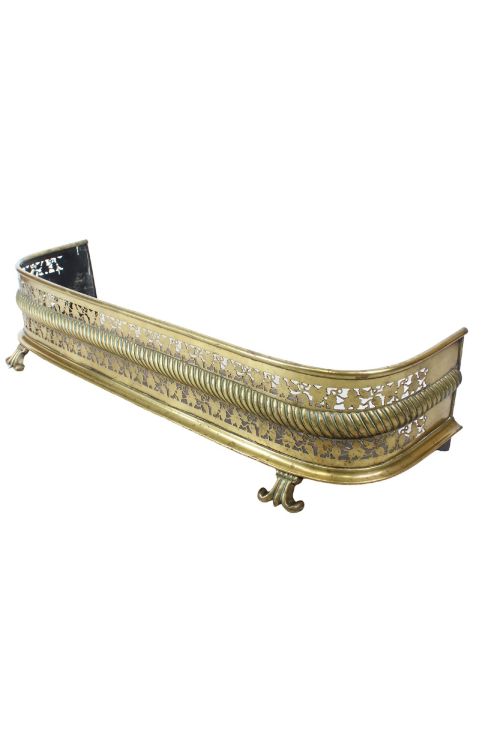
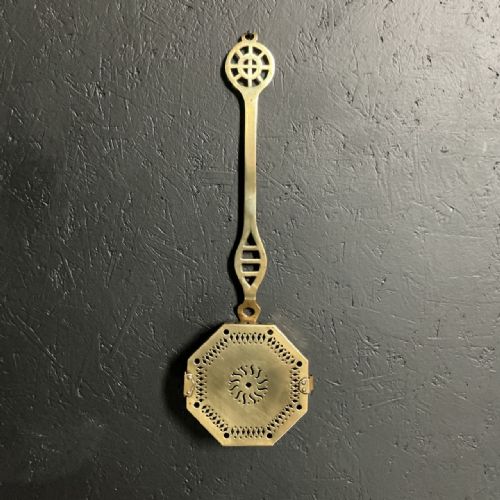
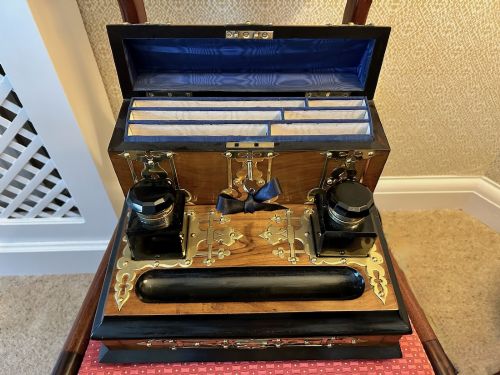
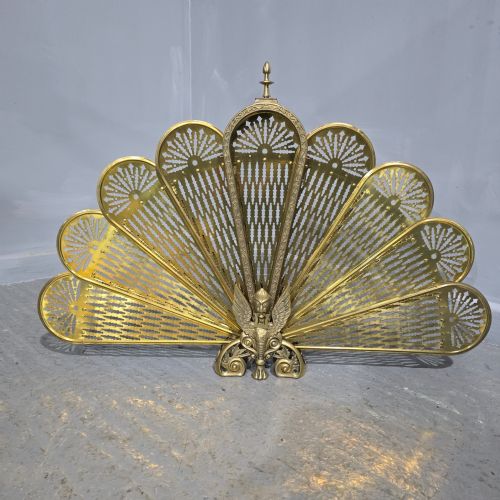
The objects range from domestic items like coal scuttles, chestnut roasters and fire fenders to desktop necessities such as inkwells, tape dispensers and calendar stands. Stylistic influences span from French Rococo and Arts and Crafts to Gothic Revival and Continental designs.
Most examples originate from the Victorian era and the surrounding decades of the nineteenth and early twentieth centuries. They reflect a period when utilitarian brass work was given elaborate decorative treatment for the home.
Materials and construction methods
Brass serves as the primary medium, frequently shaped through casting to achieve sharp relief and heavy proportions. This is often combined with secondary materials such as iron, walnut, mahogany, glass and agate to add texture and colour contrast.
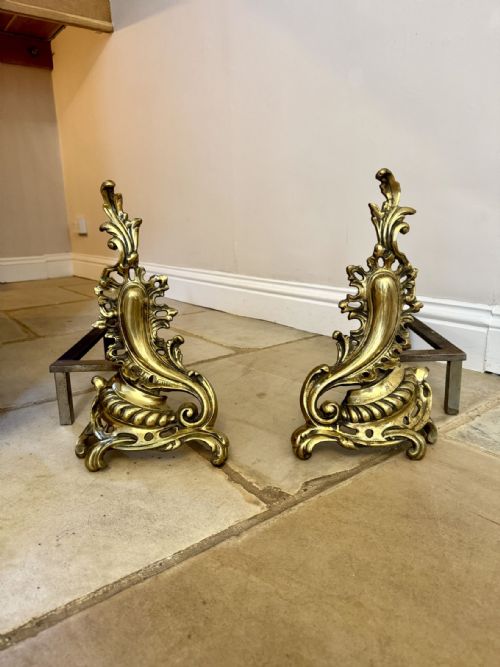
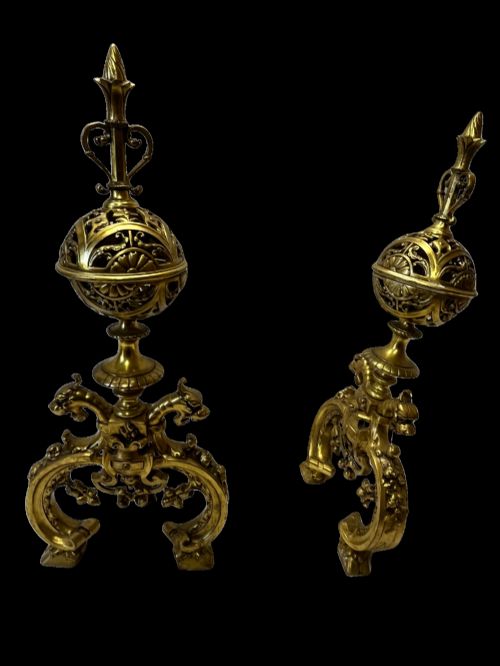
Items like fire dogs and andirons pair cast brass with wrought iron for structural strength at the hearth. Smaller desk pieces incorporate cut-glass inkwells, leather mounts and porcelain bases alongside the main brass components.
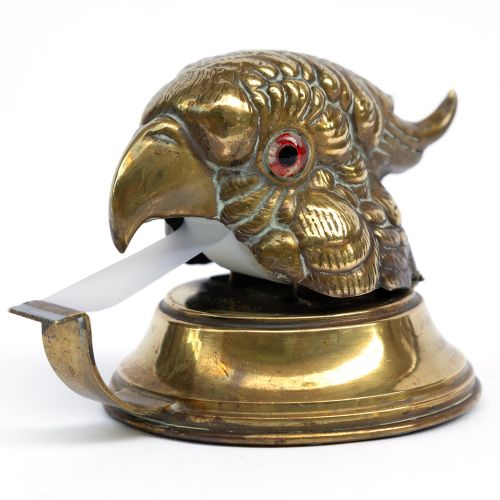
A parrot-shaped tape dispenser proves the Victorians found a way to make even adhesive ribbon delivery wonderfully eccentric.
Distinctions in quality
Quality rests in the crispness of the casting and the depth of the chased or pierced details. Finer pieces display clean lines and well-defined ornamentation without softening in the motifs.
The integrity of the construction and the quality of the secondary materials set superior examples apart. Heavy gauge brass and well-fitted secondary woods or glass inserts indicate higher standards of period manufacture.
The Victorian Brass Decorative Accessories Glossary
- Andiron
- A horizontal metal support used in pairs to hold logs in an open fireplace. They often feature decorative brass fronts.
- Cabochon
- A gemstone, such as agate, polished rather than faceted. These are frequently mounted onto desk sets.
- Fender
- A low metal guard placed around the hearth to contain ash and sparks. Pierced brass versions are typical of the Victorian period.
- Repoussé
- A metalworking technique where the metal is hammered from the reverse side to form a raised design on the front. This method creates textured surfaces on items like fire screens and buckets.
- Trivet
- A small metal stand with feet used to support hot vessels near the fire. They often incorporate openwork brass designs.
Victorian Brass Decorative Accessories: Frequently Asked Questions
How do I clean antique brass?
Dust regularly with a soft cloth to maintain the surface. Avoid aggressive polishes that strip away the aged patina built up over generations.
Leaving the natural warmth of the metal intact preserves the character of the piece. Gentle cleaning is sufficient for most nineteenth-century items.
Were these items used daily?
Many pieces served practical functions in the Victorian home, from tending fires to holding writing ink. Their heavy construction suited them to robust everyday service.
Over time, practical tools transitioned into decorative display pieces. Their dual purpose of utility and ornament defined nineteenth-century interiors.
How are different periods identified?
Stylistic clues such as French Rococo curves or Arts and Crafts simplicity help place an object in time. Construction methods like sand casting also point towards specific decades.
Comparing the decorative motifs against dated examples clarifies the timeline. Material combinations often reflect the manufacturing shifts of the nineteenth century.
Can I use antique fire tools?
Most nineteenth-century fire irons and andirons are structurally robust enough for normal hearth use. Cast brass components handle heat well when placed near an open fire.
Care should be taken with delicate pierced work or applied decoration during use. Many buyers prefer to exhibit these items purely as decoration.