


Brass Candle Sticks
These brass candle sticks span centuries of domestic and ecclesiastical lighting, offering substance and historical design to any interior.
Brass Candle Sticks
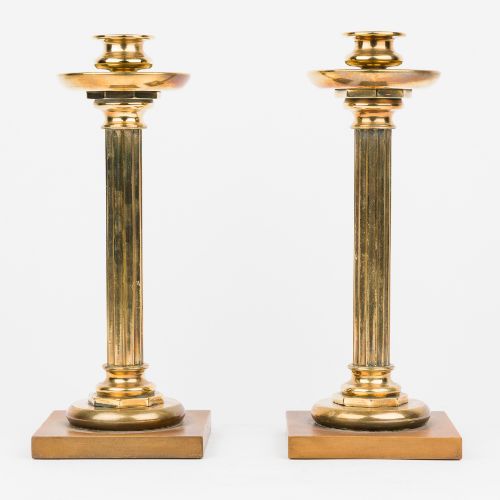
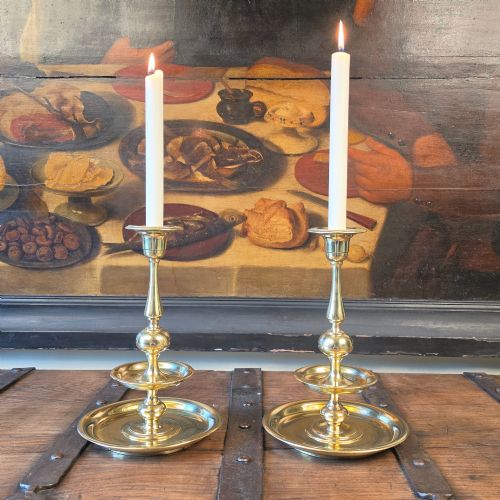
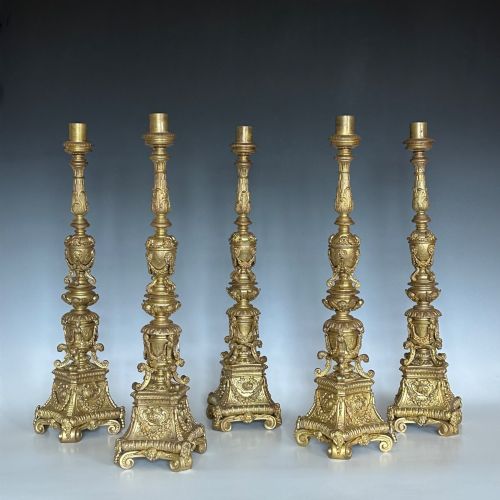
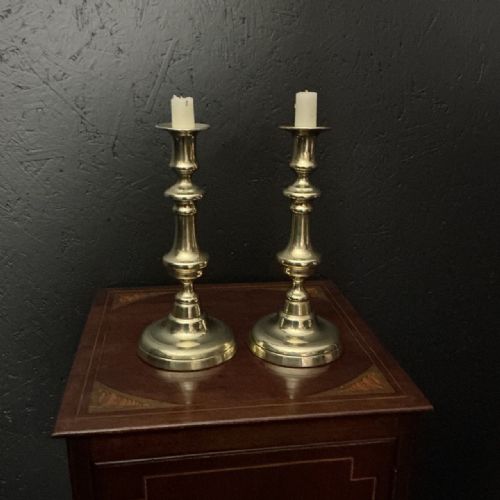
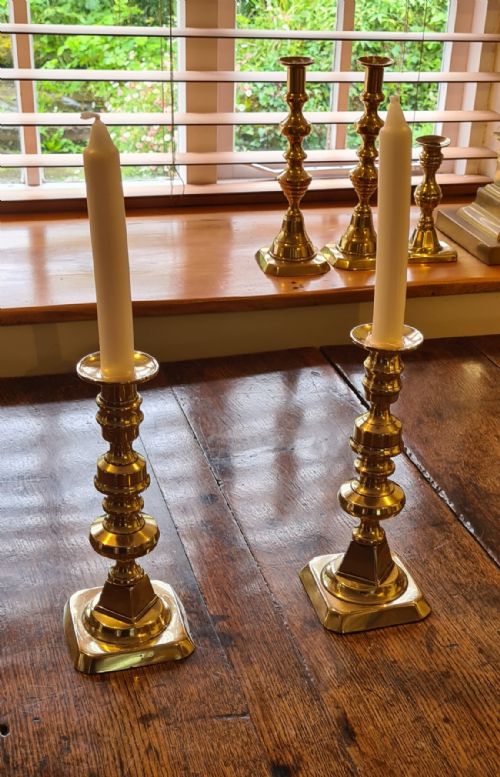
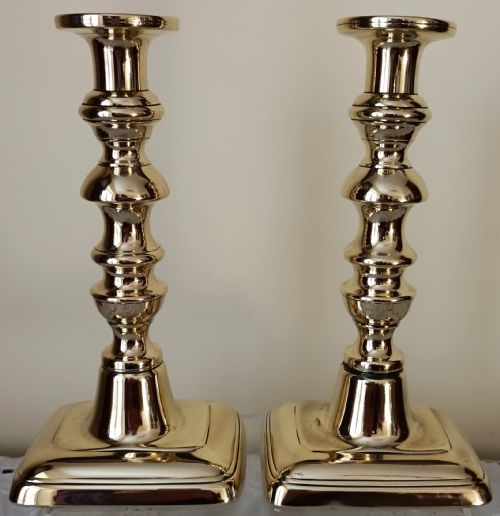
Brass candle sticks appear in numerous forms across this selection, ranging from simple domestic table examples to large ecclesiastical church candlesticks and candelabras.
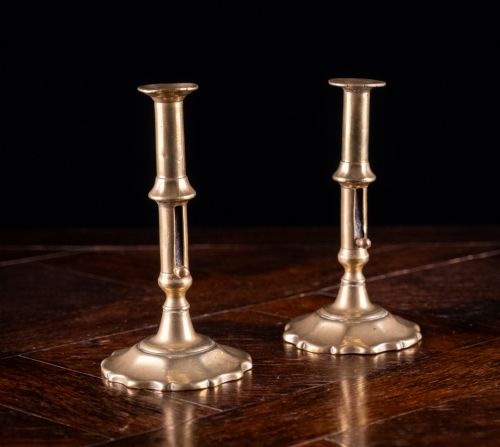
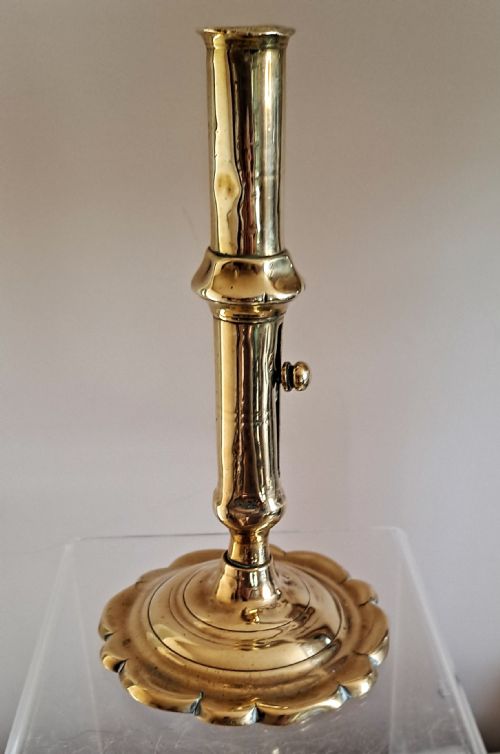
Buyers will frequently encounter 19th-century and Victorian iterations alongside earlier Georgian and 18th-century specimens shaped with petal bases or ejector mechanisms.
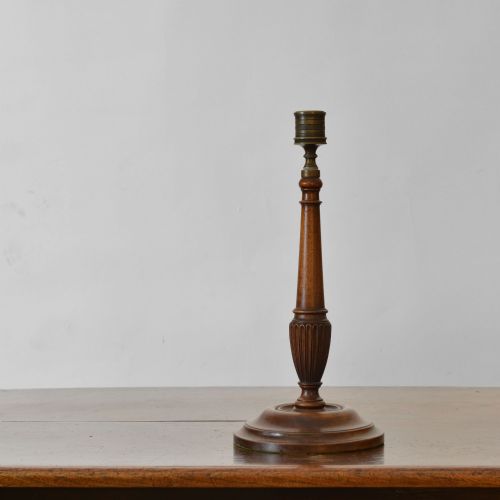
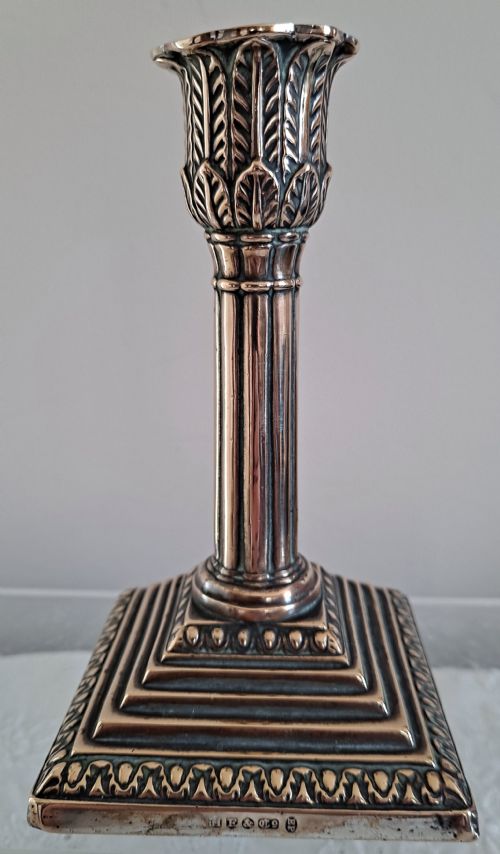
Variants incorporate alternative media such as mahogany, oak, bronze, and gilt bronze, occasionally styled in Gothic Revival, Art Deco, or Baroque aesthetics.
How they were made
Many early examples utilise seamed brass construction where sheet metal is bent and joined, while others employ solid casting techniques for weight and durability.
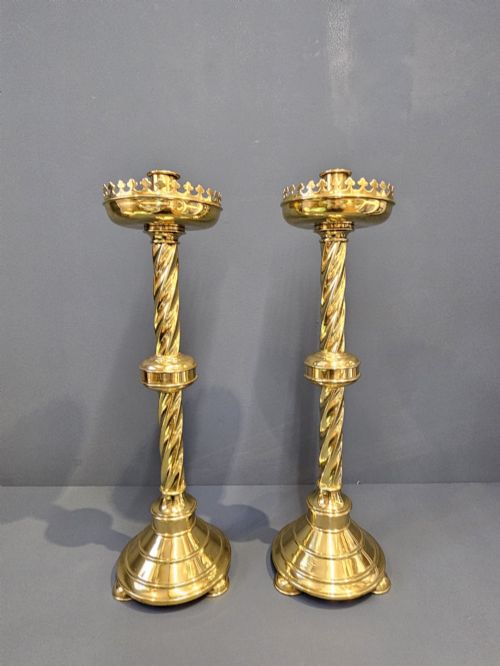
Surface finishing involves polishing, turning on lathes to create barley twist columns, and applying gilt bronze, ormolu, or silver plating to enhance visual depth.
Materials across these listings span cast brass, gilt bronze, silver plate, oak, and mahogany.
What varies in quality
Quality rests in the crispness of casting detail, the proportional harmony of the stem and base, and the retention of original components like ejector stems.
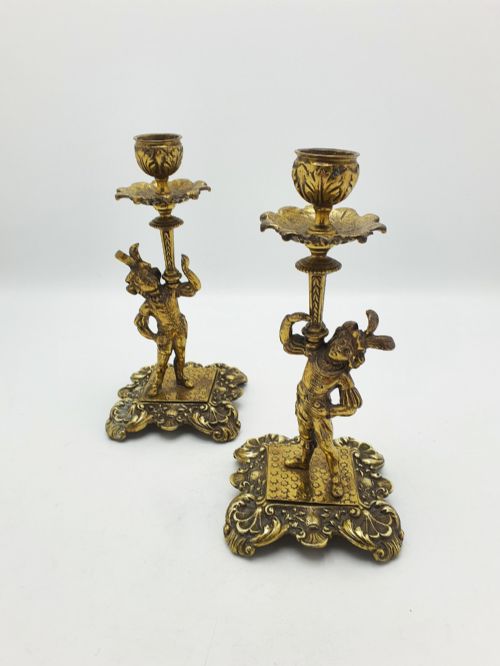
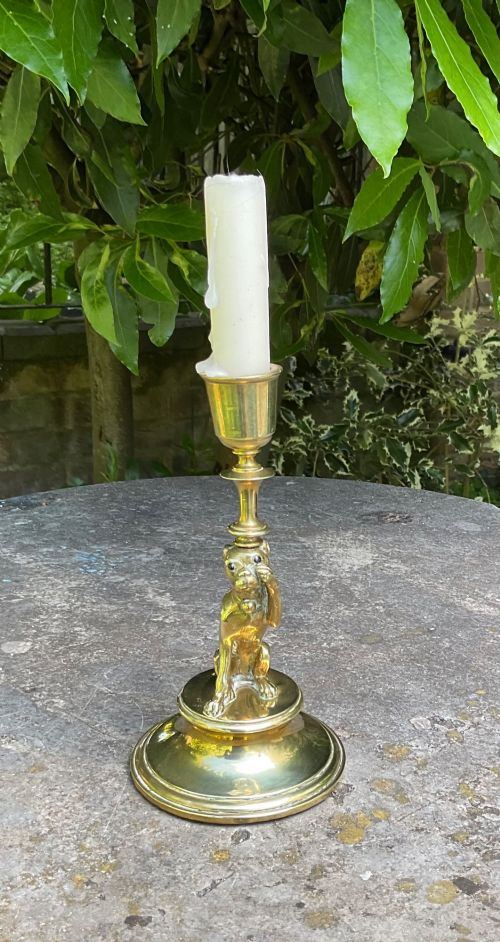
Superior examples display heavier gauge metal, refined hand-finishing, and integrated details such as figural motifs, drip pans, or specific maker marks.
J.T. & Co·J. Miller·James Clews·Erhard and Sons
The Brass Candle Sticks Glossary
- Ejector
- A concealed internal mechanism operated by a lever or push-rod used to raise and remove remaining candle stubs from the socket. This device appeared frequently on mid-19th-century domestic designs.
- Pricket
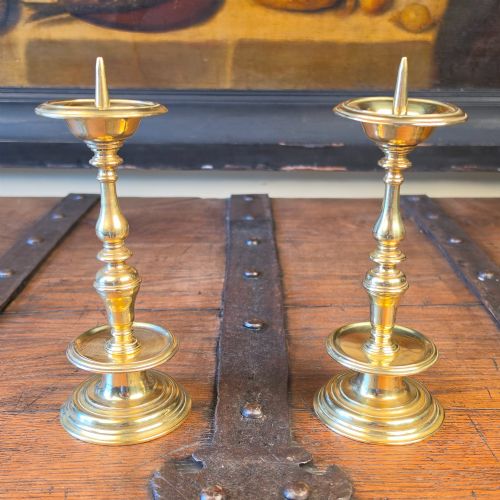
- A sharp metal spike set in the drip pan to secure a pillar candle directly onto the holder. These are commonly found on church and ecclesiastical candlesticks.
- Ormolu
- Finely ground high-carat gold mercury-gilded onto a bronze base object. The technique produces a rich metallic lustre seen on decorative French and neoclassical pieces.
- Barley twist
- A helical column turning resembling a twisted rope. Craftsmen shaped this decorative motif into timber and brass stems during the Georgian and Victorian eras.
- Petal base
- A scalloped foot shaped to resemble unfolding flower petals. This formation provides both stability and ornamentation on 18th-century table lighting.
Brass Candle Sticks: Frequently Asked Questions
How do I clean antique brass candle sticks?
Wash the surface gently using warm water and mild soap with a soft cloth to remove accumulated dust and wax. Avoid harsh chemical polishes that strip away historical patination and age.
Dry the metal thoroughly after cleaning to prevent spotting or corrosion. Preserving the dark oxidation in recessed areas maintains the visual depth of the object.
What is an ejector mechanism?
An ejector mechanism uses an internal sliding plate connected to an exterior thumbpiece or side lever. Pushing this lever upward slides the remaining candle remnant out of the socket.
This functional addition assisted users in clearing spent wax without damaging the interior metal walls. Such mechanisms are particularly prized by collectors of 19th-century domestic lighting.
How can I tell a church candlestick from a domestic one?
Church candlesticks, often referred to as altar or pricket sticks, typically feature a vertical metal spike rather than a hollow socket. They are generally larger in scale and heavier in construction.
Domestic candlesticks feature standard hollow cups designed to hold tapered candles safely on tables or desks. Many domestic examples also include push-up ejector devices which are absent on ecclesiastical pieces.