


Victorian Figural Candleholder
These Victorian figural candleholder examples combine sculptural figures with practical illumination, bringing nineteenth-century craftsmanship into your home.
Victorian Figural Candleholder
When you search for a victorian figural candleholder, you encounter sculptural domestic lighting that incorporates human, animal or mythological figures into the design. These decorative objects take the form of candlesticks and candelabra designed to support one or multiple candles.
The pieces available here stem principally from the nineteenth century, including specific dates around eighteen eighty and eighteen ninety. They reflect the diverse aesthetic movements popular during the Victorian era.
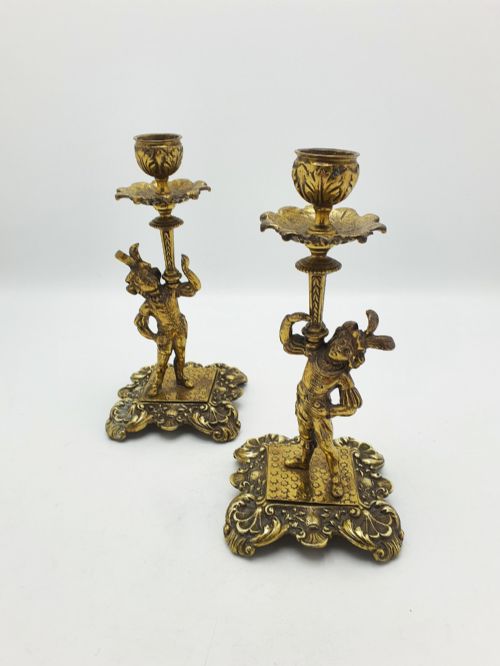
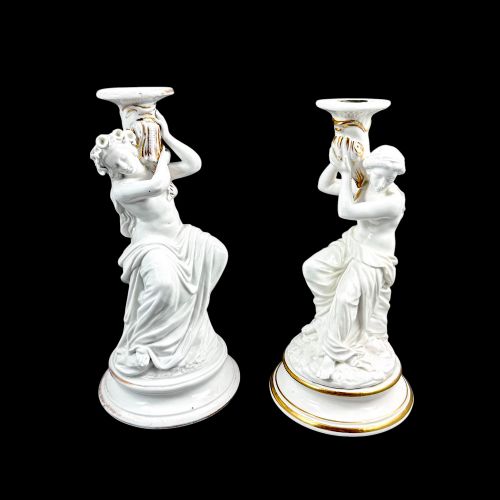
Makers utilised various sculptural subjects, ranging from Renaissance soldiers and shepherds to cherubs and storks. These figures form the structural stem or base of the lighting device.
How they were made
Craftsmen worked with ceramics such as porcelain, often employing detailed painting and enamel work alongside gilding or gold leaf to finish delicate figure groups. Factories like Sitzendorf and Royal Worcester shaped these ceramic components into intricate pastoral or classical subjects.
Metalworkers utilised brass, spelter, bronze and ormolu to cast heavier sculptural pieces, sometimes adding silver plating for a polished finish. These metal figures often depict soldiers or Gothic architectural elements requiring precise casting and assembly.
Current listings feature pieces in brass, porcelain, and spelter, spanning decorative styles from Rococo Revival to Gothic Revival.
What varies in quality
The distinction between standard and superior examples lies in the crispness of the casting or the fineness of the porcelain modelling. Finer pieces display carefully articulated facial expressions, delicate hand-painting, and secure joins between the figural components and the candle sockets.
Heavier metal castings and high-grade ormolu or gilt surfaces maintain their visual depth better over time than simpler plated alternatives. The reputation of the manufacturing house, such as Minton or Royal Worcester, also influences the standing of individual pieces.
Sitzendorf Porcelain·Triebner ENS and Eckert Volkstedt·Minton·Royal Worcester Hadley·Sutherland and Sons
The Victorian Figural Candleholder Glossary
- Spelter
- A zinc alloy commonly utilised as a substitute for bronze in nineteenth-century decorative metalwork. It takes fine detail well before being painted or bronze-finished to simulate more expensive metals.
- Ormolu
- A golden-coloured metallic finish applied to bronze mounts and decorative objects. This technique involves an amalgam of mercury and gold applied to a bronze base.
- Candelabra
- A branched candlestick designed to hold multiple candles simultaneously. These pieces often feature a central figural stem supporting several arms.
Victorian Figural Candleholder: Frequently Asked Questions
What is a figural candleholder?
A figural candleholder is a candlestick or candelabra that incorporates a sculpted human, animal, or mythical figure into its primary design.
These pieces combine decorative sculpture with functional lighting, serving as ornamental table or mantel pieces during the nineteenth century.
How do I identify Victorian pieces?
Victorian pieces are identified through their distinct revival styles, materials, and manufacturing techniques characteristic of the nineteenth century.
Examining the base for maker marks, porcelain characteristics, or metal casting methods helps determine the production period.
Where were these candleholders placed?
These decorative objects were traditionally displayed on mantelpieces, dining tables, and sideboards in nineteenth-century homes.
They provided both ambient illumination and a focal point for interior decoration during formal gatherings.
What materials are most common?
The most frequent materials found in these pieces are porcelain and various metals including brass, spelter, and bronze.
Many ceramic examples feature enamel and gilding, while metal pieces often utilise ormolu or silver plating finishes.